First Ski Trip to Japan: Gear, Lift Passes and Etiquette
Planning your first ski trip to Japan? How to pick a resort, rent gear, buy lift passes, move skis around, stay safe on the mountain and use the onsen after.
May 4, 2026·✍️ olablog·⏱ 6 min read
Planning your first ski trip to Japan? How to pick a resort, rent gear, buy lift passes, move skis around, stay safe on the mountain and use the onsen after.
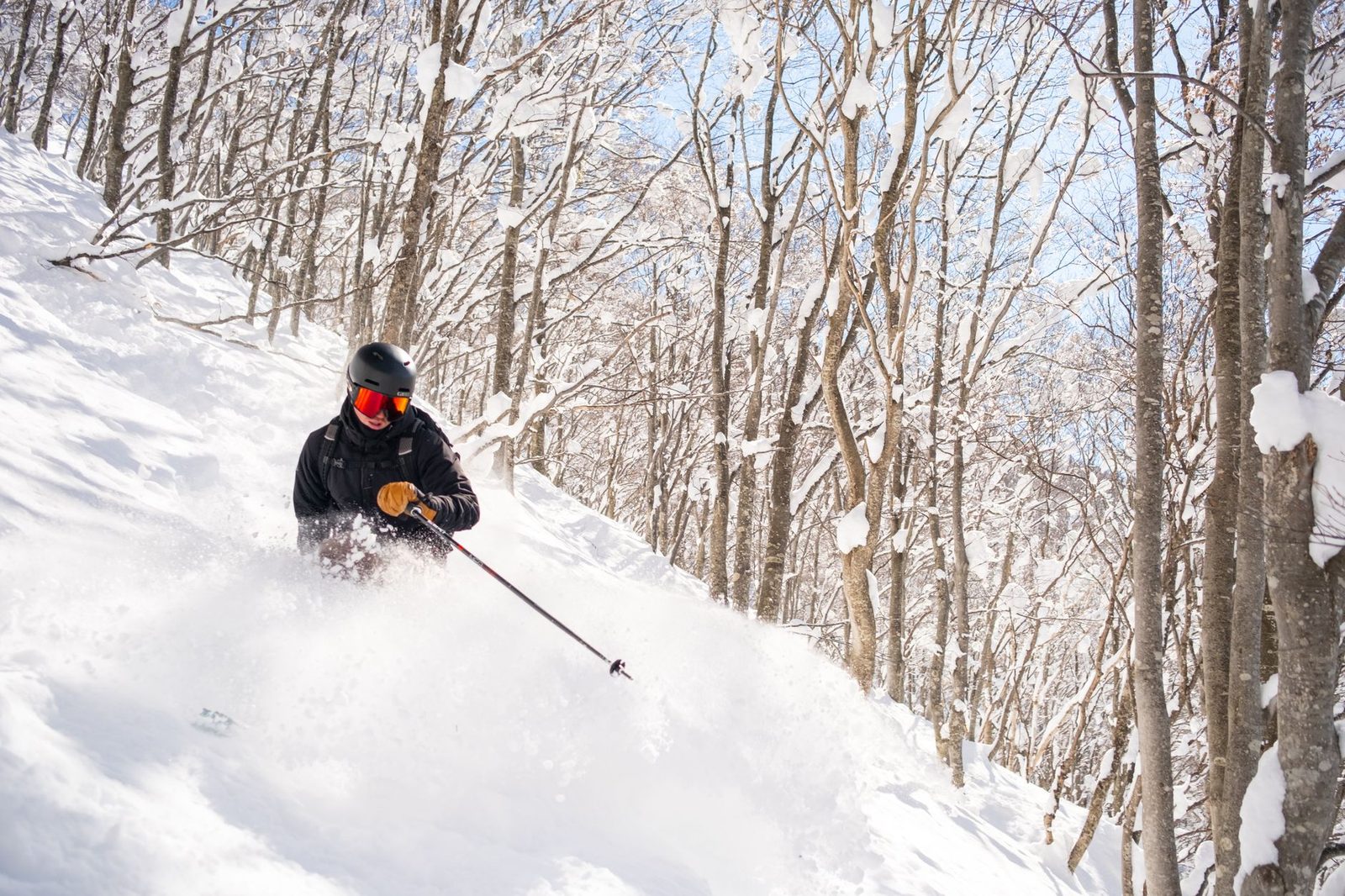
Japan's reputation among skiers comes down to snow. Cold winter air from the Asian continent picks up moisture as it crosses the Sea of Japan, then drops it as heavy snowfall on the mountains of Hokkaido and the Sea of Japan side of Honshu. The result, especially in Hokkaido, is light, dry powder that falls again and again through the heart of winter. Japanese resorts are well run and easy to navigate; this guide covers the small differences, from how lift passes work to what happens in the bath afterwards.
When to go
The season broadly runs from December to March at most resorts, with higher and more northerly areas often staying open into April and sometimes early May. For the deepest and most reliable powder, aim for mid-January to late February. That is also the busiest stretch, especially around the New Year holidays, Lunar New Year and Japanese long weekends, when popular resorts and trains fill quickly.
March is underrated for beginners. The snow is softer and more forgiving, the days are longer and often sunnier, and the slopes are quieter. For a month-by-month breakdown by resort, see our guide to when to ski in Japan.
Choosing a first resort
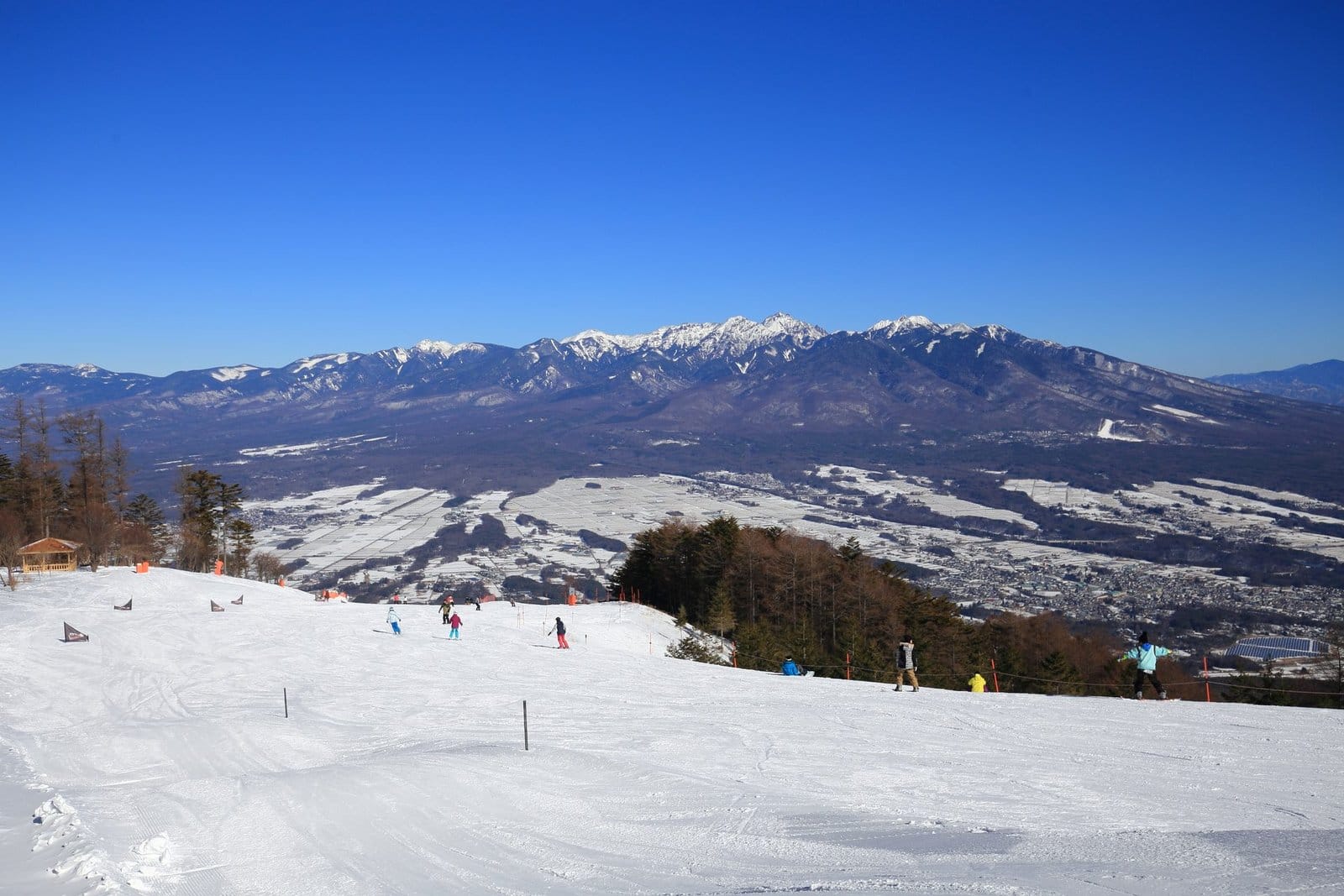
For a first trip, pick a resort where the beginner slopes, ski school and rental shop are all close to where you sleep.
- Hokkaido: Niseko is among the most English-friendly ski areas in Japan, with an international village, English-speaking ski schools and plenty of restaurants. Rusutsu and Furano are quieter alternatives. New Chitose Airport near Sapporo is the main gateway, with the resorts reached by road from there.
- Nagano: Hakuba Valley, which hosted events at the 1998 Nagano Winter Olympics, groups several resorts along the foot of the Northern Alps. Nozawa Onsen combines skiing with a traditional hot-spring village, and Shiga Kogen is a large, high-altitude network of linked slopes. Nagano is reached from Tokyo on the Hokuriku Shinkansen.
- Near Tokyo: GALA Yuzawa in Niigata has its own Shinkansen station that operates in the ski season, making it one of the easiest day trips from the capital. See our guide to ski day trips from Tokyo.
- Tohoku: Zao is famous for its "snow monsters", trees encased in thick frost and snow.
Renting gear
You do not need to bring anything. Rental shops at the base of the slopes and in resort towns offer complete sets: skis or a snowboard, boots, poles, helmets and often jackets and trousers too. In peak weeks, reserving online a few days ahead secures your size.
Japanese shops size boots in centimetres. If you have very large feet, the biggest sizes can run out, so consider bringing your own boots. Gloves, goggles and a neck warmer are the most often forgotten items; resort shops sell them at resort prices.
Wear layers rather than one thick coat; the summit can be far colder and windier than the village.
Buying lift passes
Lift passes are sold at ticket counters at the base and, increasingly, online. You will usually choose between a one-day pass, a half-day pass (morning or afternoon), multi-day passes, and a night-skiing pass at resorts that light their slopes after dark. Many resorts load the pass onto a contactless card that you keep in a pocket and that opens the lift gates automatically. The card often carries a small refundable deposit; return it at the machine or counter when you leave to get the money back.
Some areas sell passes covering several linked or neighbouring resorts. Niseko United's all-mountain pass covers the four resorts on Mount Niseko Annupuri, and Hakuba Valley has a pass valid across its member resorts.
Moving skis and luggage
Rather than hauling skis through crowded stations, use Japan's door-to-door luggage delivery services, known as takkyubin, which take ski bags and suitcases from an airport or hotel to your resort accommodation. Delivery usually takes at least a day, and longer to more distant areas, so arrange it before you need it. Many hotels at ski resorts can send luggage back for you from the front desk.
Staying safe on the mountain
Most Japanese resorts do not allow skiing outside marked courses, and ropes and signs mark the boundary. Some areas, including Niseko, open designated gates to off-piste terrain under local rules. Deep snow brings real risks: tree wells, the hollows of loose snow around tree trunks, can trap a fallen skier, and avalanches do happen. Stay on groomed runs until you know what you are doing, and get travel insurance that covers skiing.
Runs are graded on piste maps as beginner (shokyu), intermediate (chukyu) and advanced (jokyu). A few lessons at a ski school make the first days much more fun; the big international resorts run classes in English, which should be booked ahead in peak weeks.
A little Japanese on the slopes
Big resorts usually have English-speaking staff and bilingual signs, but a few words help at smaller places:
- rifuto-ken: lift pass
- ichinichi-ken: one-day pass
- rentaru: rental
- gerende: ski slope (borrowed from German)
- shoshinsha: beginner
- sumimasen: excuse me
A translation app on your phone covers the rest.
After skiing: the onsen
Many ski towns sit on hot springs, and an evening soak is half the point of skiing in Japan. Public baths are shared and you bathe naked. Wash thoroughly at the shower stations before getting in, keep your small towel out of the water, and tie up long hair. Tattoo rules vary: some baths refuse any tattoos, others accept them or allow small ones covered with a patch, so check before you go.
Plan your trip
Three or four days at one resort is a good first trip: enough to take a lesson, find your feet and still enjoy the bath at night. Choose your resort by what you want off the slopes as much as on them. Book accommodation and rentals early for January and February, and leave March for a calmer, sunnier alternative.