
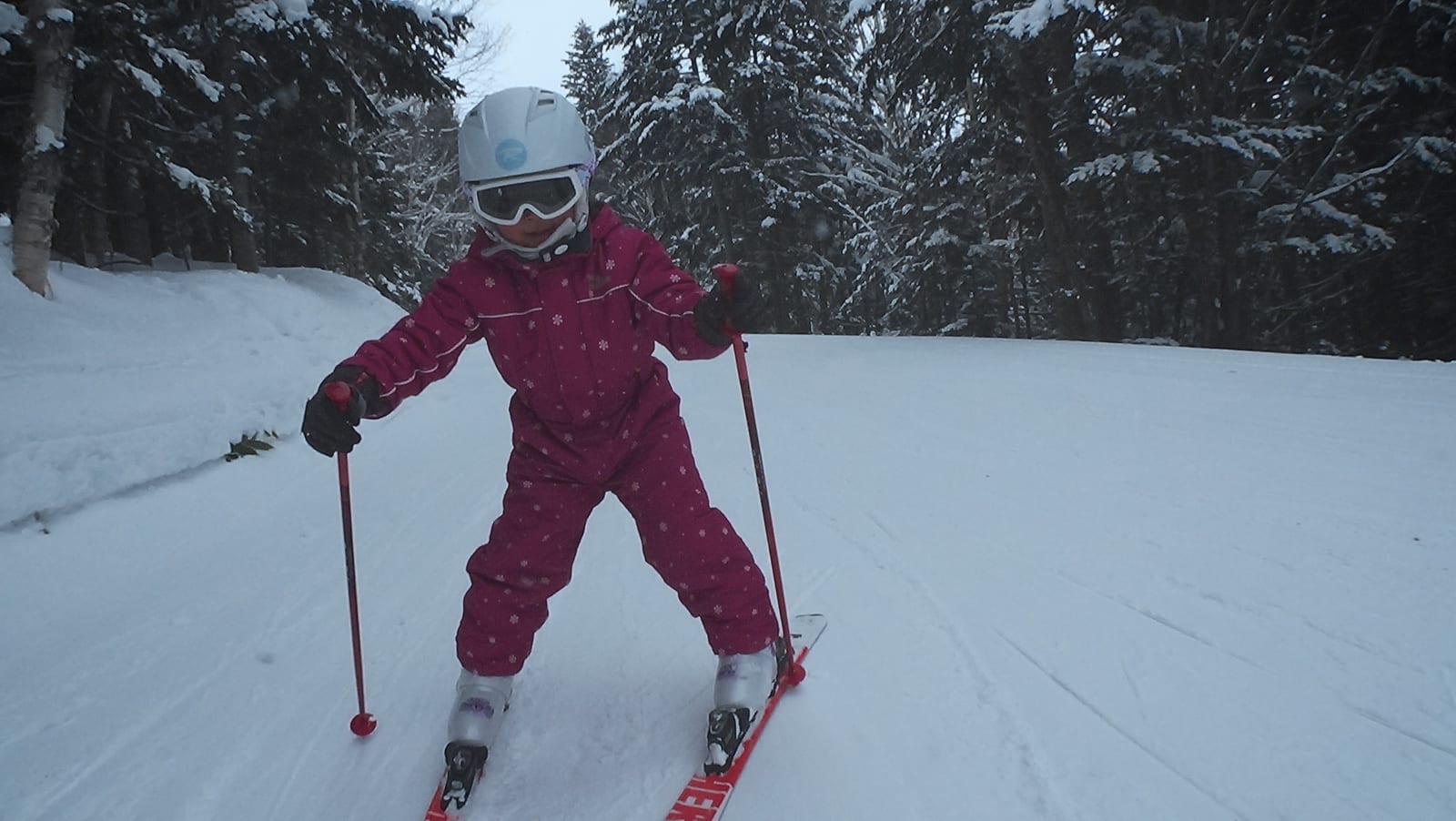
Shiga Kogen vs. Zao Ski Resorts: The Complete Guide to Snow Monsters, Snow Quality, and Night Skiing
A comprehensive comparison of two of Japan's leading ski resorts, Shiga Kogen and Zao Onsen Ski Resort. Covering snow monsters, snow quality, night skiing, access, prices, and more, this guide provides everything you need for planning your trip, along with tips for avoiding common travel mistakes.
Apr 20, 2026·✍️ olablog·⏱ 30 min read
A comprehensive comparison of two of Japan's leading ski resorts, Shiga Kogen and Zao Onsen Ski Resort. Covering snow monsters, snow quality, night skiing, access, prices, and more, this guide provides everything you need for planning your trip, along with tips for avoiding common travel mistakes.
Tap a region to browse articles
Hello to all the skiers and snowboarders in Japan, as well as travelers from overseas who want to experience the charms of winter in Japan! This is the OlaChill editorial team. Have you finished planning your winter trip this year? Japan is home to numerous ski resorts where you can enjoy world-class powder snow, but this time we are focusing on two particularly popular destinations: Shiga Kogen and Zao Onsen Ski Resort. From spectacular snow-monster formations and exceptional snow quality to magical night-skiing experiences, we take an in-depth look at what makes each resort unique. To help make your trip one of your best memories, we will also cover the latest operating information, prices, access, and recommended nearby attractions. As of 2026, both resorts are in their off-season, but this guide can help you plan for the next season (2026-2027).
Shiga Kogen Ski Resort: Expansive Slopes and Exceptional Powder Snow
Located in northern Nagano Prefecture, Shiga Kogen Ski Resort is one of Japan’s largest ski resorts. Its 18 ski areas and more than 50 lifts and gondolas are integrated into the Shiga Kogen Mountain Resort, allowing visitors to ski freely across a vast area with a shared lift pass. Thanks to its high elevation, the resort enjoys abundant snowfall and excellent snow quality. From January to February in particular, you can fully enjoy its light, dry powder snow.
Operating Hours, Prices, and Access
Operating hours: The ski areas of Shiga Kogen generally operate from early December through around early May. Lift operating hours are usually from 8:30 until around 16:30 or 17:00, although some ski areas offer night skiing. During the spring-skiing season, operating hours tend to be reduced. We strongly recommend checking each ski area’s official website for the exact operating period and hours before your visit.
Prices (reference for the 2025-2026 season):
- Shiga Kogen All-Mountain Shared Lift Pass (1-day pass): Approximately 7,500 yen to 8,500 yen for adults. Prices vary depending on the period and purchase method.
- Multi-day passes: 2-day and 3-day passes are available, as well as season passes for visitors staying longer.
- Spring-skiing pass: Discounted rates may be available from April onward. Discounts are available for middle and high school students and seniors, and children in elementary school and younger have separate rates.
Access:
- By train and bus:
- Take the Hokuriku Shinkansen to JR Nagano Station. From Nagano Station, take a direct bus to Shiga Kogen operated by Nagaden Bus; the journey takes approximately 1 hour 10 minutes to 1 hour 30 minutes. The nearest bus stop depends on your destination, but Hasuike and Yakebitaiyama are among the main stops.
- By car:
- From the Shinshu-Nakano IC on the Joshin-Etsu Expressway, it takes approximately 50 minutes via National Route 292, also known as the Shiga-Kusatsu Road. Snow and icy roads are common in winter, so winter tires and chains are essential. Parking lots are spread throughout the ski areas, with plenty of spaces available.
Seasonal Highlights and the Best Time to Visit
Shiga Kogen offers a different experience in every season.
- Early to mid-December: The season gets underway. Snow cover is still limited, but the slopes are relatively quiet, making this a good time for visitors who want to ease into skiing at a relaxed pace.
- Late December to early March: The best season. Abundant snowfall and consistently good snow conditions make it possible to enjoy powder snow to the fullest. Particularly from late January through February, you can expect outstanding snow quality.
- Mid-March to early April: The spring-skiing season. As temperatures rise, daytime skiing becomes comfortable. Although melting snow means that slope conditions change from day to day, the expansive terrain is ideal for long cruising runs.
- Mid-April to early May: Some ski areas remain open through Golden Week, allowing visitors to enjoy late-season skiing. The sense of freedom that comes from skiing under warm spring sunshine is exceptional.
Recommended Nearby Food and Accommodation
The Shiga Kogen area offers a range of accommodation, from hotels beside the slopes to lodging farther downhill in the Yudanaka and Shibu Onsen area.
- Slope-side accommodation: Many hotels, including Shiga Kogen Prince Hotel at Yakebitaiyama and Hotel Ichinose Diamond in Ichinose, offer ski-in/ski-out access, allowing you to enjoy skiing without the stress of getting around. In the evening, you can dine at a hotel restaurant or soothe tired muscles in a hot spring bath.
- Yudanaka and Shibu Onsen area: Located approximately 30 minutes by bus from Shiga Kogen, this historic hot-spring district is home to Shibu Onsen, known for its public-bath tour, and the Jigokudani Monkey Park, famous for its “snow monkeys,” the only monkeys in the world known to bathe in hot springs. You can combine skiing with an experience of Japanese culture, and the area has plenty of restaurants serving Shinshu soba and dishes made with local ingredients.
- Food: Restaurants on the slopes serve classic dishes such as curry, ramen, and katsudon, along with dishes made using ingredients from Shinshu. Particularly recommended are sweets made with Shinshu apples and local comfort foods such as oyaki.
Tips, Precautions, and Etiquette
- Getting around the expansive area: Shiga Kogen is extremely large, so it is important to check your planned routes and transportation between the ski areas, such as shuttle buses and lifts, in advance. Make the most of the shared lift pass and explore a variety of courses.
- Keeping warm: Because of the high elevation, weather conditions can change quickly and temperatures are low. Be sure to dress warmly with layers, highly waterproof and windproof clothing, goggles, gloves, and other suitable gear.
- Securing transportation: Shuttle buses operate during the season, but they can become crowded at certain times. If you are driving, be sure to use winter tires and carry chains.
- Etiquette: To prevent collisions with other skiers and snowboarders, maintain a safe speed and follow proper etiquette, such as giving priority to people ahead of you. Follow staff instructions when getting on and off lifts and use them safely.
Sample Itineraries
Half-day itinerary (morning or afternoon):
- Morning: Ski mainly at Yakebitaiyama Ski Area. Take the gondola to the summit and enjoy a long cruise down the wide-open slopes. Take breaks as needed while exploring the courses around the Prince Hotel.
- Afternoon: Visit Ichinose Family Ski Area and Tanne no Mori Okojo Ski Area. Compare several courses while enjoying the atmosphere of each area. The varied terrain offers something for everyone, from beginners to advanced skiers.
Full-day itinerary:
- Morning: Start at Okushiga Kogen Ski Resort. Warm up on advanced courses, then ski through wooded courses while taking in the beautiful scenery. Afterwards, take the Higashitateyama Gondola to Higashitateyama Ski Area.
- Lunch: Enjoy Shinshu cuisine while admiring the view at the Higashitateyama summit hut.
- Afternoon: Head to Terakoya Ski Area or the Ichinose area and ski a variety of courses. If time permits, continue to the Maruike and Hasuike areas to experience the atmosphere of Shiga Kogen as a whole. In the evening, return to your accommodation and refresh yourself in a hot spring.
Zao Onsen Ski Resort: A Magical World of Snow Monsters and Hot Springs
Located in Yamagata Prefecture, Zao Onsen Ski Resort is one of Japan’s premier ski resorts and is known worldwide for its rare juhyo, or snow monsters. Juhyo are natural works of art formed when snow and ice carried by seasonal winds accumulate on the branches of Maries’ fir trees. They are also known as “snow monsters.” The one-of-a-kind experience of skiing through these formations is a special attraction found only at Zao Onsen Ski Resort. Zao Onsen itself has a history spanning 1900 years and features strongly acidic sulfuric springs that warm you from the inside out after a cold day on the slopes.
Operating Hours, Prices, and Access
Operating hours: Zao Onsen Ski Resort generally operates from early December through around early May. Lifts and ropeways usually run from 8:30 until around 17:00, while special nighttime services operate during the snow-monster illumination period. From late January through late February, when the snow monsters are at their best, the Juhyo Fantasy Corridor operates at night, allowing visitors to enjoy the formations in a magical atmosphere.
Prices (reference for the 2025-2026 season):
- Zao Onsen Ski Resort Shared Lift Pass (1-day pass): Approximately 6,000 yen to 7,000 yen for adults. Prices vary depending on the period and purchase method.
- Round-trip snow-monster sightseeing ticket: A round-trip ticket covering the Zao Ropeway and Zao Sky Cable must be purchased separately from the regular lift pass. It is also available to sightseeing visitors who are not skiing. Approximately 3,500 yen to 4,000 yen for adults.
- Night-skiing pass: A lift pass valid at slopes offering night skiing. Discounted rates and children’s rates are also available.
Access:
- By train and bus:
- Take the Yamagata Shinkansen to JR Yamagata Station. From Yamagata Station, take a local bus to Zao Onsen operated by Yamako Bus; the journey takes approximately 40 minutes. Zao Onsen Bus Terminal is the central arrival point.
- By car:
- From the Yamagata-Zao IC on the Yamagata Expressway, it takes approximately 30 minutes via the Nishizao Kogen Line. Snow and icy roads are common in winter, so winter tires and chains are essential. Several parking lots are available around Zao Onsen.
Seasonal Highlights and the Best Time to Visit
The biggest attraction at Zao Onsen Ski Resort is, of course, the snow monsters.
- Early to mid-December: The season gets underway. The snow monsters are still developing, but the resort is relatively quiet and you can enjoy your first runs of the season.
- Early to mid-January: The snow monsters begin to develop in earnest and become increasingly impressive. Snow conditions are also stable, making it a good time to enjoy powder.
- Late January to late February: The peak snow-monster season. The fully grown formations are spectacular. During this period, the Juhyo Fantasy Corridor illumination event is held, creating an especially magical view of the snow monsters at night. This is arguably the best time to visit Zao.
- Early to late March: The spring-skiing season. The snow monsters gradually begin to melt, but they remain impressive. You can ski while enjoying the magnificent scenery in milder weather.
- April onward: Late-season skiing. Some slopes remain open until GW, allowing you to enjoy Zao in spring.
Recommended Nearby Food and Accommodation
The Zao Onsen town is home to a wide variety of accommodation and restaurants.
- Accommodation in Zao Onsen: The hot-spring town offers everything from long-established ryokan to modern hotels and pensions. Many properties have free-flowing sulfuric hot-spring baths. Zao Kokusai Hotel and Miyamaso Takamiya are particularly popular for their extensive facilities and services.
- Food: In Zao Onsen, you can enjoy dishes featuring local ingredients, including Yamagata beef, Yonezawa beef, mountain-vegetable dishes, and imoni stew. Jingisukan is another local specialty. Some slope-side restaurants also serve Yamagata favorites such as tama konnyaku and dondon-yaki.
- Hot springs: Zao Onsen’s strongly acidic sulfuric springs are said to have beauty-enhancing properties. Public baths and footbaths are scattered throughout the town, offering an easy way to experience Japanese hot-spring culture. Relaxing in a hot spring after skiing is one of life’s great pleasures.
Tips, Precautions, and Etiquette
- Preparing to see the snow monsters: The snow-monster season falls in the middle of winter, and the summit area is extremely cold and windy. Dress thoroughly for the conditions with layers, waterproof and windproof clothing, thick gloves, a hat, goggles, and a neck warmer. Even if you are only riding the ropeway, you will need adequate protection from the cold.
- Check the weather: Snow monsters are a natural phenomenon and may not be visible in poor weather. Visibility can be especially limited during snowstorms, and ropeway services may be suspended, so check the forecast in advance.
- Dealing with crowds: Ropeways and lifts can become extremely crowded during the peak snow-monster season and on weekends. Try to go early or consider visiting on a weekday.
- Skiing etiquette: Many people stop to take photos in scenic areas such as the Juhyogen Course. Stay aware of your surroundings and ski at a safe speed.
Sample Itineraries
Half-day itinerary (focused on snow-monster viewing):
- Morning/Afternoon: Ride the Zao Ropeway, transfer at Juhyo Kogen Station, and continue to Jizo Sancho Station. Walk through the Juhyo Fantasy Corridor from the summit station and admire the spectacular snow-monster formations. If the weather is clear, enjoy the expansive views from the summit. Those who are able to ski can then slowly descend via the Juhyogen Course.
Full-day itinerary (skiing, snow monsters, and hot springs):
- Morning: Skiers and snowboarders should first take the Zao Ropeway to Torikabuto Sancho Station. From there, begin exploring the expansive slopes, including the Juhyogen Course and Paradise Slope.
- Lunch: Enjoy Yamagata specialties at a restaurant on the slopes.
- Afternoon: Take the ropeway up to Jizo Sancho Station to see the snow monsters. Afterwards, ski toward Zao Onsen town via the Juhyogen Course.
- Evening: Check in at your accommodation in Zao Onsen and soothe your tired body in the hot springs. At night, savor local flavors at one of the restaurants in the hot-spring town.
Snow Monsters: Winter Art Created by Nature
If seeing snow monsters is your main goal, Zao Onsen Ski Resort is the clear choice. Zao’s snow monsters are among the largest and most beautiful in the world, and being able to ski among them is a unique experience found only at Zao. During the peak season from late January through late February, enormous “snow monsters” cover the slopes, taking on a magical appearance when illuminated at night.
Shiga Kogen also develops snow monsters, but it does not have formations on the same large scale as Zao. At Yokoteyama and Shibutoge Ski Resort, the Snow Monster Tour takes visitors by snowcat to the snow-monster area, offering a safe way to enjoy a spectacular winter landscape unique to Shiga Kogen. Ultimately, Shiga Kogen’s main appeal lies in its expansive slopes and the exceptional snow quality available across them. Snow monsters are a natural phenomenon that requires specific weather conditions, and their size and beauty depend on the weather. Whichever resort you visit, it is important to check the latest snow-monster reports and weather forecast beforehand.
Snow Quality: For Those Seeking Powder
Both resorts are blessed with high-quality snow, but each has its own characteristics.
- Shiga Kogen: Because of its high elevation and inland climate, Shiga Kogen receives extremely cold, dry powder snow. On the higher-elevation slopes, particularly in the Okushiga Kogen and Yakebitaiyama areas, you can fully experience its light, fluffy texture. For skiers, this feeling of floating is truly blissful.
- Zao Onsen Ski Resort: Zao also has a high elevation, abundant snowfall, and excellent snow quality. Moist air from the Sea of Japan hits the mountains and brings heavy snowfall, creating the slightly moist powder that characterizes the resort. This offers a distinctive skiing experience that is different from Hokkaido powder: moist yet light. It is popular with skiers and snowboarders of all levels, from beginners to advanced riders.
If you are looking for the lightness and floating sensation of pure powder, Shiga Kogen may be the better choice. If you prefer the softer feel of slightly moist powder, Zao may suit you better. In either case, there is no doubt that both resorts offer high-quality snow.
Night Skiing: A Spectacular Blend of Light and Snow
Night skiing is an appealing way to enjoy skiing and snowboarding in a magical atmosphere that differs from the daytime.
- Shiga Kogen: Some ski areas offer night skiing. Ichinose Family Ski Area, for example, frequently operates at night, allowing visitors to enjoy an easy evening run on illuminated slopes. Operating hours are generally from around 18:00 to 21:00. Dedicated night-skiing passes and combination passes with daytime tickets are available.
- Zao Onsen Ski Resort: Night skiing at Zao becomes an entirely unique experience when combined with snow-monster viewing. The ropeway between Jizo Sancho Station and Juhyo Kogen Station operates specially at night, allowing passengers to view the illuminated snow monsters from the ropeway as part of the Juhyo Fantasy Corridor. During this period, the ski resort may also offer night skiing, allowing visitors to ski the illuminated Juhyogen Course. Temperatures around the summit can become extremely low at night, so thorough protection from the cold is essential.
The scale and atmosphere of night skiing differ between the two resorts. Choose Shiga Kogen if you want a relaxed evening on the slopes, or Zao if you are looking for a special experience combined with a magical snow-monster illumination.
Summary: Key Points to Remember
Here are the main points to keep in mind when planning a trip, based on the individual attractions of Shiga Kogen and Zao Onsen Ski Resort.
- Snow-monster viewing: Zao Onsen Ski Resort is the overwhelming recommendation. During the peak season from late January to late February, the illuminated Juhyo Fantasy Corridor is a must-see.
- Snow quality: Shiga Kogen is known for light, fluffy powder, while Zao is characterized by slightly moist powder. Both offer excellent snow, so choose according to your preference.
- Scale and variety of the slopes: Shiga Kogen is an expansive area connecting 18 ski resorts, making it ideal for anyone who wants to enjoy long cruising runs and a wide variety of courses. Zao is also extensive, but its snow monsters and hot springs add other major attractions.
- Access and nearby sightseeing: At Shiga Kogen, you can combine skiing with sightseeing in the Yudanaka and Shibu Onsen area and a visit to the snow monkeys. Zao’s ski resort is located within the hot-spring town itself, offering the convenience and cohesion of enjoying both skiing and hot springs in one place.
- Night-skiing experience: Shiga Kogen has slopes where you can easily enjoy night skiing, while Zao offers magical nighttime runs combined with illuminated snow monsters.
Frequently Asked Questions (FAQ)
Q. Can beginners enjoy these resorts? A. Yes. Both resorts offer plenty of gentle courses for beginners. Shiga Kogen has many family-friendly slopes, and Zao Onsen Ski Resort also has courses where beginners can ski with confidence. Both resorts have well-developed ski schools, so first-timers can safely begin skiing or snowboarding.
Q. When is the best time to see the snow monsters? A. Zao’s snow monsters are at their best from late January through late February. They reach their largest size during this period, and illumination events are also held. However, they may not be visible depending on the weather, so we recommend checking the latest information before your visit.
Q. Can I rent ski equipment? A. Yes. Both resorts have numerous rental shops in and around the ski areas offering skis, boots, poles, clothing, and other equipment. You can arrive empty-handed and rent everything you need. Some shops accept advance reservations, so booking is recommended during busy periods.
Q. Are these resorts suitable for families with children? A. Yes. Both resorts have plenty of family-friendly facilities, including kids’ parks, childcare facilities, and ski schools for children. Shiga Kogen has the Shiga Kogen Kids Park, while Zao Onsen Ski Resort has the Chibikko Slope, allowing young children to safely enjoy playing in the snow, skiing, and snowboarding.
Q. Which is better for enjoying hot springs, Shiga Kogen or Zao? A. If you prioritize the atmosphere and convenience of a hot-spring town, Zao Onsen Ski Resort, which is adjacent to the resort town, is the better choice. You can enjoy a meal or a bath in the town immediately after skiing. At Shiga Kogen, traveling a little farther to the Yudanaka and Shibu Onsen area allows you to experience the atmosphere of a historic hot-spring district. Both destinations offer memorable hot-spring experiences. ---Shiga Kogen Ski Resort is located in Yamanouchi, Shimotakai District, Nagano Prefecture. It is one of Japan’s largest mountain resorts, bringing together 18 ski areas and more than 50 lifts and gondolas. Its high elevation and abundant snowfall create excellent conditions for enjoying exceptional powder snow.
Zao Onsen Ski Resort, meanwhile, is located in Yamagata City, Yamagata Prefecture, and is famous worldwide for its rare juhyo, or “snow monsters.” The unique experience of skiing among the snow monsters is an attraction found only at Zao, while the strongly acidic Zao Onsen, with a history spanning 1900 years, is another major highlight.
Operating Hours, Prices, and Access
Shiga Kogen Ski Resort
- Operating hours: The resort generally operates from early December through around early May. Lifts usually run from 8:30 until around 16:30 or 17:00, although some ski areas also offer night skiing. Operating hours may be reduced during the spring-skiing period. We recommend checking the official website for exact operating dates and hours before your visit.
- Prices (reference for the 2025-2026 season):
- Shiga Kogen All-Mountain Shared Lift Pass (1-day pass): Approximately 7,500 yen to 9,000 yen for adults. Prices vary depending on the period and purchase method.
- Spring-skiing 1-day pass: Adults 7,000 yen, elementary school students 3,500 yen (for an area-restricted pass covering Yokoteyama and Shibutoge Ski Resort).
- Discounts are available for middle and high school students and seniors, and children in elementary school and younger have separate rates.
- Access:
- By train and bus: Take the Hokuriku Shinkansen to JR Nagano Station, then take a direct bus to Shiga Kogen operated by Nagaden Bus. The journey takes approximately 1 hour 10 minutes to 1 hour 30 minutes to the main bus stops, including Hasuike and Yakebitaiyama.
- By car: From the Shinshu-Nakano IC on the Joshin-Etsu Expressway, it takes approximately 50 minutes via National Route 292. Winter tires and chains are essential in winter.
Zao Onsen Ski Resort
- Operating hours: The resort generally operates from early December through around early May. Lifts and ropeways usually run from 8:30 until around 17:00, while special nighttime services operate during the snow-monster illumination period.
- Prices (reference for the 2025-2026 season):
- Zao Onsen Ski Resort Shared Lift Pass (1-day pass): Approximately 6,000 yen to 7,500 yen for adults. Prices vary depending on the period and purchase method.
- Snow-monster sightseeing round-trip ticket (Zao Ropeway): Adults 4,400 yen, children 2,200 yen (prices during the snow-monster illumination period of the 2025-2026 season).
- Night-skiing pass: Adults 3,000 yen, children 1,500 yen (for the Uwanodai Slope).
- Access:
- By train and bus: Take the Yamagata Shinkansen to JR Yamagata Station, then take a local bus to Zao Onsen operated by Yamako Bus. The journey takes approximately 40 minutes to Zao Onsen Bus Terminal.
- By car: From the Yamagata-Zao IC on the Yamagata Expressway, it takes approximately 30 minutes via the Nishizao Kogen Line. Winter tires and chains are essential in winter.
Seasonal Highlights and the Best Time to Visit
Shiga Kogen Ski Resort
- Late December to early March: Abundant snowfall and consistent snow conditions make it possible to enjoy powder snow to the fullest. Particularly from late January through February, you can expect exceptional snow quality.
- Mid-April to early May: Some ski areas remain open through Golden Week, allowing you to enjoy spring skiing under warm sunshine.
Zao Onsen Ski Resort
- Late January to late February: The peak snow-monster season. The fully grown formations are spectacular, and the Juhyo Fantasy Corridor illumination event creates a magical scene at night. This is arguably the best time to visit Zao.
- Early to late March: The snow monsters gradually begin to melt, but they are still impressive, and spring skiing is also possible.
Recommended Nearby Food and Accommodation
Shiga Kogen Ski Resort
- Slope-side accommodation: Many hotels, including Shiga Kogen Prince Hotel at Yakebitaiyama and Hotel Ichinose Diamond in Ichinose, offer ski-in/ski-out access, allowing you to enjoy skiing without the stress of getting around.
- Yudanaka and Shibu Onsen area: Located approximately 30 minutes by bus from Shiga Kogen, this area is home to Shibu Onsen, where you can tour the public baths, and the Jigokudani Monkey Park, famous for its snow monkeys. It is an excellent place to combine skiing with an experience of Japanese culture.
- Food: Restaurants on the slopes also serve local specialties such as sweets made with Shinshu apples and oyaki.
Zao Onsen Ski Resort
- Accommodation in Zao Onsen: The hot-spring town has plenty of accommodation, including Zao Kokusai Hotel and Miyamaso Takamiya, where guests can enjoy free-flowing sulfuric hot-spring water. Public baths and footbaths are also scattered throughout the town, making a post-skiing soak a blissful experience.
- Food: In Zao Onsen, you can enjoy dishes featuring local ingredients, including Yamagata beef, Yonezawa beef, mountain-vegetable dishes, and imoni stew. Jingisukan is another local specialty.
Tips, Precautions, and Etiquette
Shiga Kogen Ski Resort
- Getting around the expansive area: Since Shiga Kogen is vast, with 18 ski areas, it is important to check your routes and transportation between ski areas, such as shuttle buses and lifts, in advance.
- Keeping warm: The resort’s high elevation means that weather conditions can change quickly, so be sure to dress warmly.
- Securing transportation: If you are driving, be sure to use winter tires and carry chains.
Zao Onsen Ski Resort
- Preparing to see the snow monsters: The snow monsters are at their best in midwinter, when the summit area is extremely cold and windy. Take thorough precautions against the cold, including layers, highly waterproof and windproof clothing, thick gloves, a hat, goggles, and a neck warmer.
- Check the weather: Snow monsters may not be visible depending on the weather. Ropeway services may also be suspended during snowstorms, so check the forecast in advance.
- Dealing with crowds: Ropeways and lifts can become extremely crowded during the peak snow-monster season and on weekends. Try to go early or consider visiting on a weekday.
Sample Itineraries
Shiga Kogen Ski Resort Half-day itinerary (morning or afternoon):
- Morning: Ski mainly at Yakebitaiyama Ski Area. Take the gondola to the summit and enjoy a long cruise down the wide-open slopes. Explore the courses around the Prince Hotel.
- Afternoon: Visit Ichinose Family Ski Area and Tanne no Mori Okojo Ski Area. Compare the varied courses suitable for everyone from beginners to advanced skiers.
Full-day itinerary:
- Morning: Start at Okushiga Kogen Ski Resort and ski advanced and wooded courses. Afterwards, take the Higashitateyama Gondola to Higashitateyama Ski Area.
- Lunch: Enjoy Shinshu cuisine while admiring the scenery at the Higashitateyama summit hut.
- Afternoon: Head to Terakoya Ski Area or the Ichinose area and ski a variety of courses. If time permits, continue to the Maruike and Hasuike areas to experience the atmosphere of Shiga Kogen as a whole.
Zao Onsen Ski Resort Half-day itinerary (focused on snow-monster viewing):
- Morning/Afternoon: Ride the Zao Ropeway, transfer at Juhyo Kogen Station, and continue to Jizo Sancho Station. Walk through the Juhyo Fantasy Corridor from the summit station and admire the spectacular snow-monster formations. If the weather is clear, enjoy the expansive views from the summit. Those who are able to ski can slowly descend via the Juhyogen Course.
Full-day itinerary (skiing, snow monsters, and hot springs):
- Morning: Take the Zao Ropeway to Torikabuto Sancho Station. From there, begin exploring the expansive slopes, including the Juhyogen Course and Paradise Slope.
- Lunch: Enjoy Yamagata specialties at a restaurant on the slopes.
- Afternoon: Take the ropeway up to Jizo Sancho Station to see the snow monsters. Afterwards, ski toward Zao Onsen town via the Juhyogen Course.
- Evening: Check in at your accommodation in Zao Onsen and soothe your tired body in the hot springs. At night, savor local flavors at one of the restaurants in the hot-spring town.
Snow Monsters: Winter Art Created by Nature
If seeing snow monsters is your main goal, Zao Onsen Ski Resort is the clear choice. Zao’s snow monsters are among the largest and most beautiful in the world, and being able to ski among them is a unique experience found only at Zao. During the peak season from late January through late February, enormous “snow monsters” cover the slopes, taking on a magical appearance when illuminated at night. Even visitors who do not ski or snowboard can safely view the snow monsters by taking the ropeway.
Shiga Kogen also develops snow monsters, but it does not have formations on the same large scale as Zao. At Yokoteyama and Shibutoge Ski Resort, the Snow Monster Tour takes visitors by snowcat to the snow-monster area, offering a safe way to enjoy a spectacular winter landscape unique to Shiga Kogen. Ultimately, Shiga Kogen’s main appeal lies in its expansive slopes and the exceptional snow quality available across them. Snow monsters are a natural phenomenon that requires specific weather conditions, and their size and beauty depend on the weather. Whichever resort you visit, it is important to check the latest snow-monster reports and weather forecast beforehand.
Snow Quality: For Those Seeking Powder
Both resorts are blessed with high-quality snow, but each has its own characteristics.
- Shiga Kogen: Because of its high elevation and inland climate, Shiga Kogen receives extremely cold, dry powder snow. On the higher-elevation slopes, particularly in the Okushiga Kogen and Yakebitaiyama areas, you can fully experience its light, fluffy texture. For skiers, this feeling of floating is truly blissful.
- Zao Onsen Ski Resort: Zao also has a high elevation, abundant snowfall, and excellent snow quality. Moist air from the Sea of Japan hits the mountains and brings heavy snowfall, creating the slightly moist powder that characterizes the resort. It offers a distinctive skiing experience that is moist yet light, unlike Hokkaido powder, and is popular with skiers and snowboarders of all levels, from beginners to advanced riders.
If you are looking for the lightness and floating sensation of pure powder, Shiga Kogen may be the better choice. If you prefer the softer feel of slightly moist powder, Zao may suit you better. In either case, there is no doubt that both resorts offer high-quality snow.
Night Skiing: A Spectacular Blend of Light and Snow
Night skiing is an appealing way to enjoy skiing and snowboarding in a magical atmosphere that differs from the daytime.
- Shiga Kogen: Some ski areas offer night skiing. Ichinose Family Ski Area, for example, frequently operates at night, allowing visitors to enjoy an easy evening run on illuminated slopes. Operating hours are generally from around 18:30 to 21:00. Dedicated night-skiing passes and combination passes with daytime tickets are available.
- Zao Onsen Ski Resort: Night skiing at Zao becomes an entirely unique experience when combined with snow-monster viewing. Night skiing is offered at the Uwanodai Slope, where you can enjoy magical evening skiing and snowboarding on illuminated slopes. During some periods, the 1-day and 2-day passes for Zao Onsen Ski Resort can also be used for night skiing. In addition, during the snow-monster illumination period, the ropeway between Jizo Sancho Station and Juhyo Kogen Station operates specially at night, allowing passengers to view the illuminated snow monsters from the ropeway as part of the Juhyo Fantasy Corridor. Temperatures around the summit can become extremely low at night, so thorough protection from the cold is essential.
The scale and atmosphere of night skiing differ between the two resorts. Choose Shiga Kogen if you want a relaxed evening on the slopes, or Zao if you are looking for a special experience combined with a magical snow-monster illumination.
Summary: Key Points to Remember
Here are the main points to keep in mind when planning a trip, based on the individual attractions of Shiga Kogen and Zao Onsen Ski Resort.
- Snow-monster viewing: Zao Onsen Ski Resort is the overwhelming recommendation. During the peak season from late January to late February, the illuminated Juhyo Fantasy Corridor is a must-see.
- Snow quality: Shiga Kogen is known for light, fluffy powder, while Zao is characterized by slightly moist powder. Both offer excellent snow, so choose according to your preference.
- Scale and variety of the slopes: Shiga Kogen is an expansive area connecting 18 ski areas, making it ideal for anyone who wants to enjoy long cruising runs and a wide variety of courses. Zao is also extensive, but its snow monsters and hot springs add other major attractions.
- Access and nearby sightseeing: At Shiga Kogen, you can combine skiing with sightseeing in the Yudanaka and Shibu Onsen area and a visit to the snow monkeys. Zao’s ski resort is located within the hot-spring town itself, offering the convenience and cohesion of enjoying both skiing and hot springs in one place.
- Night-skiing experience: Shiga Kogen has slopes where you can easily enjoy night skiing, while Zao offers magical nighttime runs combined with illuminated snow monsters.
Frequently Asked Questions (FAQ)
Q. Can beginners enjoy these resorts? A. Yes. Both resorts offer plenty of gentle courses for beginners. Shiga Kogen has a range of family-friendly facilities, including the KIDS Forest Course and KIDS Park at Okushiga Kogen Ski Resort, the Family Snow Park at Yakebitaiyama Ski Resort, and Maruike Snowland at Maruike Ski Resort. Zao Onsen Ski Resort also has beginner-friendly areas such as the Uwanodai Slope. Both resorts have well-developed ski schools, so first-timers can safely begin skiing or snowboarding.
Q. When is the best time to see the snow monsters? A. Zao’s snow monsters are at their best from late January through late February. They reach their largest size during this period, and illumination events are also held. However, they may not be visible depending on the weather, so we recommend checking the latest information before your visit.
Q. Can I rent ski equipment? A. Yes. Both resorts have numerous rental shops in and around the ski areas offering skis, boots, poles, clothing, and other equipment. You can arrive empty-handed and rent everything you need. Okushiga Kogen Ski Resort also offers children’s rentals.
Q. Are these resorts suitable for families with children? A. Yes. Both resorts have plenty of family-friendly facilities. Shiga Kogen has KIDS Parks and kids’ rooms, while Zao Onsen Ski Resort has the Jukki Snow Park, allowing young children to safely enjoy playing in the snow, skiing, and snowboarding. The resorts also offer extensive kids’ ski-school programs.
Q. Which is better for enjoying hot springs, Shiga Kogen or Zao? A. If you prioritize the atmosphere and convenience of a hot-spring town, Zao Onsen Ski Resort, which is adjacent to the resort town, is the better choice. Zao Onsen has a history spanning 1900 years and is popular for its strongly acidic sulfuric springs, known as “the bath for becoming beautiful.” Many accommodations offer free-flowing hot-spring water, and public baths are also available. At Shiga Kogen, traveling a little farther to the Yudanaka and Shibu Onsen area allows you to experience the atmosphere of a historic hot-spring district. Both destinations offer memorable hot-spring experiences.
More from this region — Tohoku
View all →
Tohoku in Autumn – Japan's Northeast Ablaze with Gold and Crimson
5 min · seasonal
Tohoku: A Guide to Japan’s Little-Known Northeastern Region
7 min · destinations
Towada-Hachimantai – Fire Lakes & Volcanic Highlands in Tohoku's Wild Heart
6 min · tips
Cherry Picking in Yamagata: Japan’s Sakuranbo Kingdom
9 min · destinations