
Towada-Hachimantai – Fire Lakes & Volcanic Highlands in Tohoku's Wild Heart
Your complete guide to Towada-Hachimantai National Park in Aomori, Akita & Iwate: best seasons, how to get there, top photo spots, and practical road-trip tips.
Apr 1, 2026·✍️ olablog·⏱ 6 min read
Your complete guide to Towada-Hachimantai National Park in Aomori, Akita & Iwate: best seasons, how to get there, top photo spots, and practical road-trip tips.
Tap a region to browse articles
Japan never runs out of jaw-dropping scenery — but Towada-Hachimantai National Park, spanning Aomori, Akita and Iwate prefectures in the Tohoku region, is the kind of place that makes even seasoned travelers stop mid-sentence. This isn't just a destination; it's an immersion into raw, unhurried nature where every bend in the road delivers a view worth pulling over for.
1. What Makes Towada-Hachimantai Special
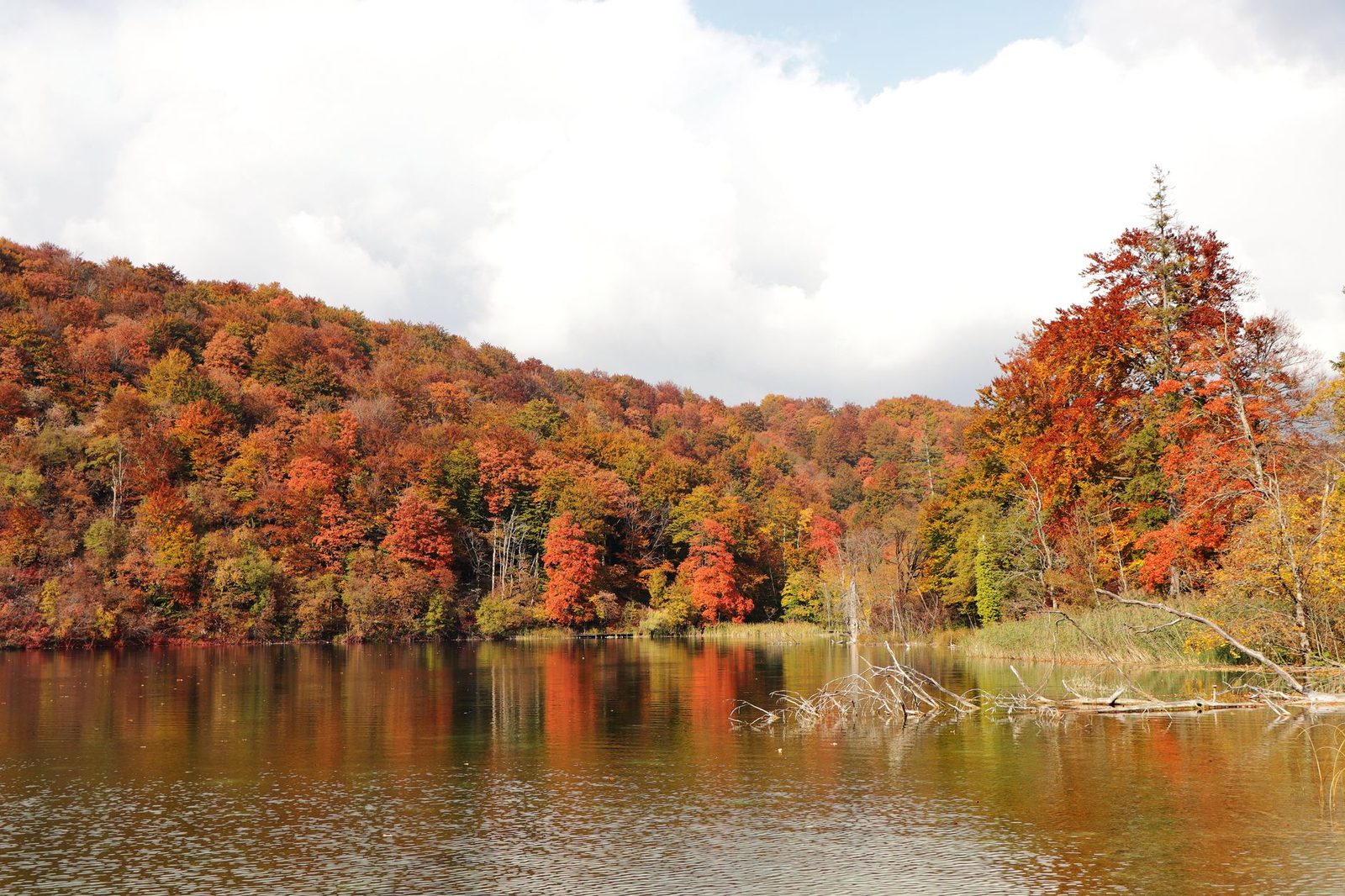
Towada-Hachimantai earns its place on any serious Japan itinerary through sheer landscape drama. The centerpiece is Lake Towada, a vast caldera lake ringed by ancient beech forests — the kind of deep, brooding blue you'd expect from Iceland, not northern Japan. Further south, the Hachimantai Plateau rolls across the Akita-Iwate border like a volcanic moonscape softened by alpine meadows, steaming hot springs, and mirror-still ponds.
Light here changes fast and rewards patience. Golden-hour mornings paint the lake's surface in amber; dusk over the plateau turns the sky a bruised violet. Come winter, the whole park disappears under heavy snowfall, sculpting the famous juhyo (snow monsters) — frost-encased trees that look straight out of a fantasy novel.
The roads connecting it all are part of the experience. Mountain passes wind through dense forest canopy, straighten out across open highland, and occasionally hug lakeshores so photogenic they feel staged. Lonely Planet regulars will recognize this as one of those rare drives where the journey genuinely rivals the destination.
2. Top Spots You Shouldn't Miss
Towada-Hachimantai packs in a surprising number of must-see viewpoints — some famous, some known only to locals willing to share a tip over a bowl of ramen.
Towada Visitor Center Overlook: 180-degree views across Lake Towada. Sunrise and sunset here are consistently ranked among the best in all of Tohoku — set your alarm.
Oirase Gorge Trail: A 9-mile riverside path threading through old-growth forest past a dozen named waterfalls. Think of it as Japan's answer to a Pacific Northwest rainforest hike, minus the crowds.
Hachimantai Dragon Eye (Kagami-numa): In late May to early June, this snowmelt pond reveals a perfectly circular "eye" of blue water surrounded by white snow — one of Japan's most surreal seasonal phenomena. Even outside that window, the reflection shots are stunning.
Goshogake Geothermal Area: Bubbling mud pools, sulfurous vents, and boardwalk trails across an active volcanic field. Equal parts eerie and fascinating — wear shoes you don't mind getting a bit muddy.
3. Best Time to Visit
Every season has something going for it, but the sweet spot is September and October. Here's what you get:
- Stable weather — ideal for driving mountain passes and hiking
- Peak fall foliage: the beech and maple forests around Lake Towada turn every shade of amber, crimson, and gold
- Perfect natural light for photography: 6–9 a.m. and 4–6 p.m.
- Crowds are manageable — busy enough to feel alive, quiet enough to actually enjoy it
Winter (December–March) is spectacular if you're after snow scenery, but mountain roads can close or require snow chains — check conditions before you go. Spring (late April–May) brings wildflowers and the famous Dragon Eye pond. Summer is green, lush, and relatively cool compared to the rest of Japan.
4. Getting Around — Why a Rental Car Is Your Best Friend
Public transport exists, but it's limited and slow in this part of Tohoku. A rental car is by far the best way to explore Towada-Hachimantai. It lets you:
- Stop wherever the light looks good (and it will look good constantly)
- Reach viewpoints and trailheads that buses simply don't serve
- Build in spontaneous detours to roadside hot spring stops or farm stands
Roads throughout the park are well-maintained and clearly signed in both Japanese and romaji. Rest areas (michi-no-eki) are well spaced along major routes, making long drives genuinely comfortable.
✨ Pro tip: Book a private car with OlaChill — driver-guided or self-drive — and explore Towada-Hachimantai entirely on your own schedule.
5. Sample 1–2 Day Itinerary
Day 1
- 6:00 a.m. — Arrive at the main Lake Towada overlook for sunrise; the golden light on the caldera is worth the early start
- 8:00 a.m. — Breakfast at a local restaurant; try kiritanpo (grilled rice skewers in hot pot broth) — Akita's most beloved comfort food, not unlike a heartier congee
- 9:30 a.m. — Drive the scenic lakeside route, stopping at viewpoints along Oirase Gorge
- 12:00 p.m. — Lunch at a michi-no-eki rest stop or roadside restaurant
- 2:00 p.m. — Explore side attractions: Nenokuchi pier, Towada Art Center in the nearby town, or a short forest trail
- 5:00 p.m. — Check into your hotel or ryokan
- 6:30 p.m. — Soak in the onsen, then settle in for a multi-course kaiseki dinner
Day 2
- 7:00 a.m. — Early breakfast and an early departure to beat day-trippers
- 8:30 a.m. — Head up to the Hachimantai Plateau; lesser-known viewpoints reward those who get there first
- 11:00 a.m. — Shoot the Dragon Eye pond or Goshogake thermal fields
- 1:00 p.m. — Lunch and a slow afternoon wind-down
- 3:00 p.m. — Head toward your next destination or back toward Morioka / Aomori city for the Shinkansen home
6. Practical Travel Tips
- 📷 Shoot golden hour: The 30 minutes before and after sunrise/sunset deliver the best light — set a reminder the night before
- 🚗 Book your rental car early: September and October are peak season; reserve at least 1–2 weeks ahead, especially for automatic-transmission vehicles
- ⛽ Fill up before heading into the highlands: Gas stations thin out quickly once you leave major towns in Aomori and Akita — don't chance it
- 📱 Download offline maps: Google Maps works well, but signal drops in mountain valleys; download the Aomori/Akita/Iwate region before you leave your hotel's WiFi
- 🍙 Stock up at a convenience store: 7-Eleven and FamilyMart are everywhere in town and nonexistent in the park — grab snacks and drinks before you go
- ☁️ Check the forecast religiously: Weather on the Hachimantai Plateau can shift fast; mountain pass road closures in winter are common and non-negotiable
More from this region — Tohoku
View all →
Cherry Picking in Yamagata: Japan’s Sakuranbo Kingdom
9 min · destinations
Zao Onsen: Snow Monsters, Ropeway Views and Sulfur Baths
9 min · destinations
Abukuma Cave: A Journey Deep Beneath Fukushima
8 min · destinations
Akita Kanto Festival 2026 Complete Guide — August 3-6, One of Tohoku's Three Great Festivals, Traditional Art of Balancing Rice Bales
6 min · events