
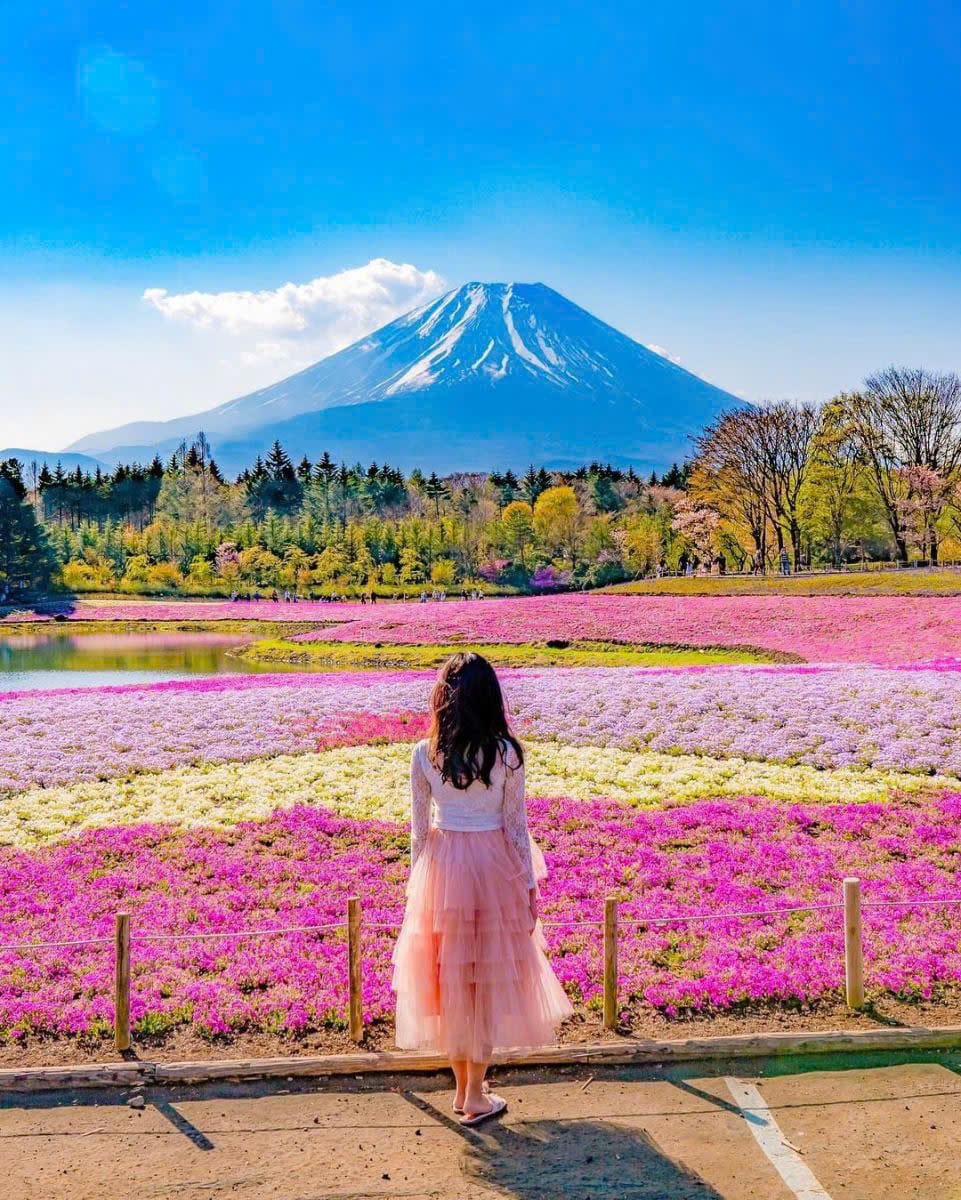
Cherry Picking in Yamagata: Japan’s Sakuranbo Kingdom
Pick and eat fresh sakuranbo in Yamagata, Japan’s cherry-growing heartland, with easy access from Yamagata and Tendo.
Aug 25, 2026·✍️ olablog·⏱ 9 min read
Pick and eat fresh sakuranbo in Yamagata, Japan’s cherry-growing heartland, with easy access from Yamagata and Tendo.
Tap a region to browse articles
Welcome to Japan’s sakuranbo country
When people in Japan talk about cherries, they often mean Yamagata. The prefecture is the country’s best-known sakuranbo-growing region, with orchards spread across the sunny inland basin around Tendo, Higashine and Sagae.
This is not a trip to see ornamental cherry blossoms. Instead, you visit in early summer to walk between rows of fruit trees, reach up for perfectly ripe cherries and eat them straight from the branch. The experience is simple, seasonal and wonderfully local: no supermarket packaging, no long-distance sightseeing bus, just warm weather, green orchards and bowls of jewel-like fruit.
Yamagata is especially famous for Sato Nishiki, a premium variety prized for its balanced sweetness, gentle acidity and attractive red colour. Other varieties may also be available depending on the farm and the timing of your visit. Because each orchard ripens at its own pace, visiting during the right seasonal window matters more than chasing a particular calendar date.
What makes Yamagata cherries special?
Yamagata’s basin climate gives the region bright summer days and a marked difference between daytime and nighttime temperatures. Combined with careful cultivation, these conditions help produce cherries with a rich flavour and satisfying texture.
The fruit-picking experience also feels different from a typical farm shop visit. Many orchards let guests eat cherries on the spot for a set period, while some offer different plans for picking, tasting or taking fruit home. You may be given a basket or container, but the details vary by farm.
A few practical points make the visit more enjoyable:
- Wear comfortable shoes, as orchard paths can be uneven or dusty.
- Bring a hat and sunscreen; the fruit season is often sunny and warm.
- Avoid delicate clothing, since ripe fruit and leaves can leave marks.
- Follow instructions about which trees or rows are available.
- Only pick what your plan allows, and never shake branches.
- Ask before photographing farm workers, private areas or other visitors.
- Check whether the farm accepts cards or cash only.
Cherry orchards are working farms, not just attractions. A little care helps protect the trees and keeps the experience pleasant for everyone.
When to go fruit picking
The main sakuranbo season usually runs from early June into July, with the busiest period often falling around June. Sato Nishiki is commonly associated with the middle part of the season, but the exact timing changes with weather and growing conditions.
Some orchards open for a short period, while others continue with later-ripening varieties. If cherry picking is the central purpose of your trip, avoid making a rigid plan months in advance without checking the latest crop information.
Yamagata is also a rewarding fruit destination beyond cherries:
- Grapes: generally from late summer into autumn
- Japanese pears: often from early autumn
- Apples: commonly in autumn, with some farms continuing later into the season
These are broad seasonal guides rather than guarantees. Always confirm current availability with the individual orchard or local tourism office.
Approximate seasonal guide
| Fruit | Usual season | Best for |
|---|---|---|
| Cherries | Early June to July | Fresh eating in the orchard |
| Grapes | Late summer to autumn | Picking and tasting different varieties |
| Japanese pears | Early autumn | Crisp, juicy fruit and farm-shop stops |
| Apples | Autumn | Picking, buying gifts and countryside walks |
The main orchard areas
Higashine
Higashine is one of Yamagata’s most recognised fruit-growing areas and an excellent choice for a dedicated cherry-picking day. Orchards are located around the city and its surrounding countryside, with many farms operating seasonally.
The area is convenient from Sakurambo-Higashine Station on the Yamagata Shinkansen. From there, you may need a taxi or a pre-arranged local transfer to reach a specific orchard. The station is not a guarantee that every farm is walkable, so check the location carefully before booking.
Tendo
Tendo combines fruit farms with one of the most convenient bases for exploring Yamagata’s central basin. It is easy to reach from Yamagata City and works well for travellers who want to combine orchard time with hot springs, local food or a short cultural visit.
The farms around Tendo are spread out, so access depends on the individual address. Some are reachable by taxi from Tendo Station, while others are more practical with a rental car or private transfer.
Sagae
Sagae is another important fruit-growing centre, particularly appealing if you are exploring the western side of the basin. It has a relaxed rural atmosphere and can be combined with riverside scenery and local sightseeing.
Access is generally more convenient by car or taxi once you leave the main railway corridor. For independent travellers, a farm that provides clear directions or accepts advance transport arrangements can make a big difference.
How to arrange a cherry-picking visit
The easiest approach is to search for orchards through the official tourism websites or agricultural associations for Yamagata, Higashine, Tendo or Sagae. Individual farms may accept reservations directly, while others may work through a local tourism desk, hotel concierge or regional booking service.
Before confirming, check:
- Whether reservations are required
- Which fruit is currently available
- Whether the experience is eating-only, picking-only or both
- How long the visit lasts
- Whether children’s fees differ
- Whether transport from the nearest station is available
- What happens in bad weather
- Whether fruit can be purchased to take home
As a broad guide, a cherry-picking visit may cost around ¥1,000 to ¥2,000 per person, though premium plans, longer sessions and take-home fruit can cost more. This is only an approximation: fees, included time and admission rules differ by orchard. Check the official farm or tourism website shortly before your visit.
For a relaxed day, reserve the orchard first and build the rest of your itinerary around it. Trying to visit several farms without checking distances can be frustrating, because the orchards are distributed across a wide rural area.
Getting there from Yamagata and Tokyo
Yamagata City is the nearest major hub for many visitors. From Tokyo Station, take the Yamagata Shinkansen to Yamagata Station or continue toward Tendo and Sakurambo-Higashine, depending on your chosen orchard. Travel time is roughly 2.5 to 3 hours, but check the current timetable and stopping pattern before departure.
From Sendai, highway buses and regional buses can connect with Yamagata City and nearby destinations. The exact service depends on the day, so verify routes through the current operator information.
Once in the region, the most useful options are:
- Taxi from Yamagata, Tendo or Sakurambo-Higashine Station
- A rental car for visiting several rural orchards
- A farm-arranged transfer, where offered
- Local buses, if the orchard is near a regular stop
From Yamagata Station, allow roughly 30 to 60 minutes to reach an orchard around Tendo or the wider basin, depending on traffic and the exact location. From Tendo Station, many nearby farms can be reached more quickly, but not necessarily on foot. Treat these as planning estimates and confirm the route with the farm.
How much time should you allow?
Plan at least half a day for cherry picking, especially if you are travelling by public transport. The orchard visit itself may be relatively short, but transfers, check-in and a farm-shop stop add time.
A full day is better if you want to combine fruit picking with nearby sights. One comfortable outline is:
- Travel to Tendo or Higashine in the morning.
- Spend late morning at a cherry orchard.
- Have lunch featuring Yamagata specialities.
- Visit a nearby cultural or scenic stop.
- Return to Yamagata City or stay overnight in a local hot-spring area.
If you are driving, you can also include a second fruit farm or a roadside market, provided you have checked opening dates in advance.
Nearby stops to combine with the orchard
Tendo hot springs
Tendo is known for its hot-spring district, making it a natural overnight base after a day outdoors. A stay in a ryokan adds a slower, more traditional side to the trip, especially with a seasonal Japanese dinner and an onsen bath.
Yamadera
The mountain temple of Yamadera is one of the region’s most memorable excursions. Stone steps lead through cedar forest to viewpoints over the valley. It is best visited with sensible footwear, particularly in wet weather.
Yamagata City and local food
Return to Yamagata City for regional dishes such as chilled noodles in summer, hearty local cuisine and fruit-based sweets. The city is also a practical base if you prefer not to move hotels during your Tohoku journey.
For help planning regional transport, seasonal activities and bookable experiences, visit OlaChill’s Japan destination hub.
FAQ
Can I pick cherries without booking?
Some orchards may accept walk-in visitors, but availability can change quickly during the peak season. Booking ahead is the safer option, especially on weekends or if you need transport from a station.
Is Sato Nishiki available at every farm?
No. Sato Nishiki is strongly associated with Yamagata, but individual farms may grow several varieties and may offer different fruit depending on the harvest date. Confirm the available varieties directly with the orchard.
Is cherry picking suitable for children?
Yes, it can be a fun family activity. Check whether the trees are reachable for young children and ask about walking surfaces, shaded areas and the farm’s supervision rules before visiting.
Do I need a car?
Not necessarily, but a car makes rural orchards and multiple fruit-growing areas easier to reach. Travellers without a car should choose a farm with clear access from Yamagata, Tendo or Sakurambo-Higashine Station, then arrange a taxi or transfer in advance.
What if the weather is bad?
Fruit-picking policies vary. Rain may affect comfort, access or the available experience, so check the farm’s cancellation and weather policy before travelling.
More from this region — Tohoku
View all →
Zao Onsen: Snow Monsters, Ropeway Views and Sulfur Baths
9 min · destinations
Abukuma Cave: A Journey Deep Beneath Fukushima
8 min · destinations
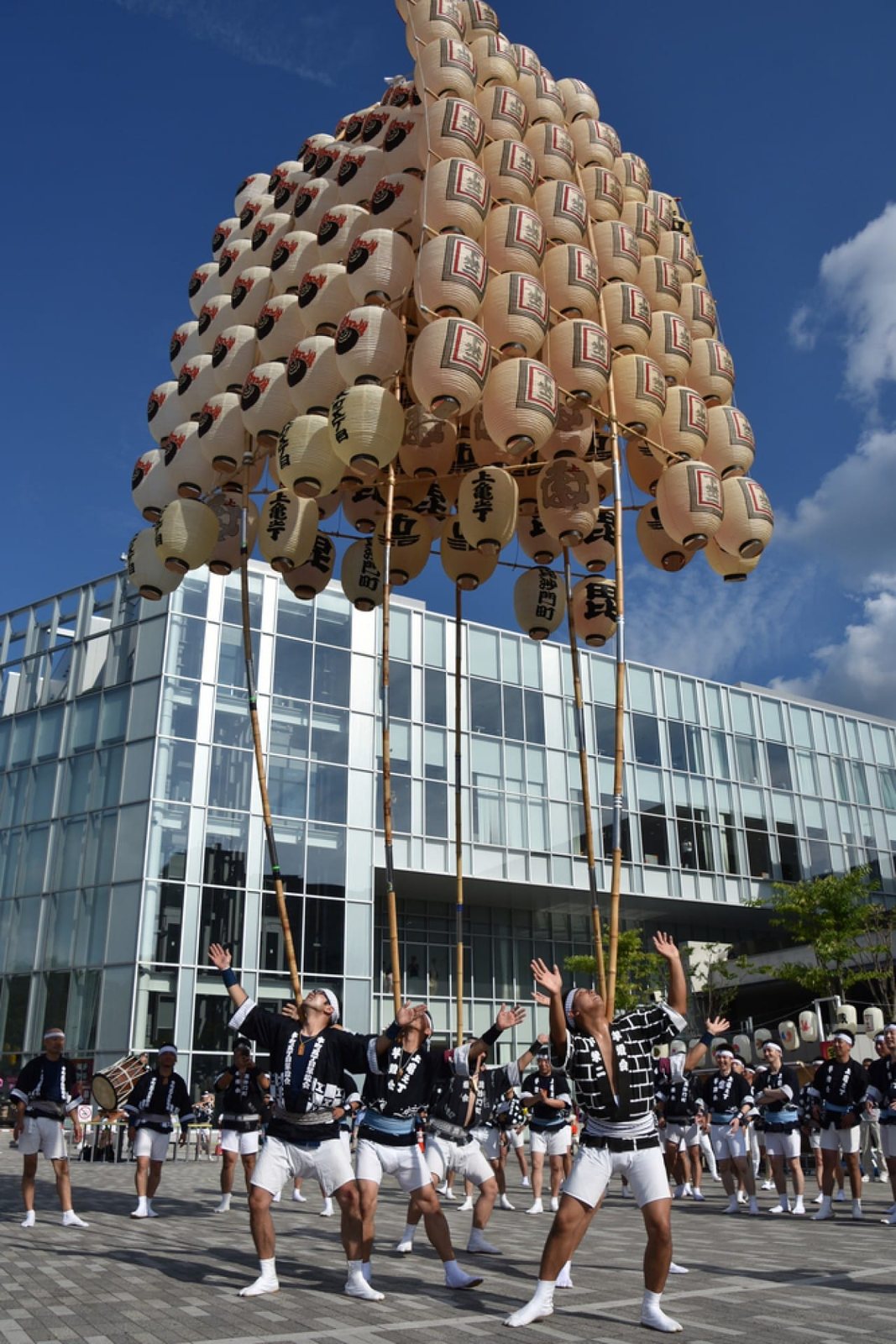
Akita Kanto Festival 2026 Complete Guide — August 3-6, One of Tohoku's Three Great Festivals, Traditional Art of Balancing Rice Bales
6 min · events
Aomori Nebuta Festival 2026 Complete Guide — August 2-7
5 min · events