
Tohoku: A Guide to Japan’s Little-Known Northeastern Region
A guide to Tohoku: the Aomori Nebuta Festival, Zao’s snow monsters, Ginzan Onsen, Hiraizumi’s heritage sites, and tips for using the JR East Pass on a journey through northeastern Japan.
Aug 8, 2026·✍️ olablog·⏱ 7 min read
A guide to Tohoku: the Aomori Nebuta Festival, Zao’s snow monsters, Ginzan Onsen, Hiraizumi’s heritage sites, and tips for using the JR East Pass on a journey through northeastern Japan.
Tap a region to browse articles
If Tokyo and Kyoto are Japan’s “front door,” then Tohoku—the six prefectures in the northeastern part of Honshu—is the quiet backyard that Japan keeps to itself. This is where you’ll find one of the country’s most spectacular summer festivals, forests transformed into “snow monsters” by ice, and hot spring towns lit by gas lamps that look as though they came straight out of a Studio Ghibli film. More importantly, Tohoku still sees relatively few international visitors, giving you the chance to experience a slower, more authentic side of Japan. This guide brings together the region’s most worthwhile destinations and the smartest ways to get around with the JR East Pass.
Sendai, Matsushima Bay, and Hiraizumi’s Heritage
Sendai—the largest city in Tohoku, about 90 minutes from Tokyo by shinkansen—is the natural starting point for any journey through the northeast. Known as the “City of Trees,” it has the tree-lined zelkova avenue Jozenji-dori, the ruins of Aoba Castle on a hill overlooking the city, and its famous gyutan (charcoal-grilled beef tongue), with a meal costing around 1,500–2,500 yen. From here, a half-hour train ride takes you to Matsushima Bay, one of Japan’s “three great scenic views,” where hundreds of pine-covered islands dot the bay and sightseeing boats run regularly.
Continue north to Hiraizumi, a cultural capital that rivaled Kyoto in the 12th century under the Northern Fujiwara clan and is now a UNESCO World Heritage Site. Highlights include Chuson-ji Temple, home to the nearly 900-year-old Konjikido Golden Hall, and the rare surviving Pure Land garden at Motsu-ji Temple. Hiraizumi lies directly along the shinkansen route—get off at Ichinoseki Station and transfer to a local train for a few minutes—making it easy to combine with Sendai and the northern prefectures.
Aomori and the Fiery Nebuta Festival in Early August
Aomori, at the northern tip of Honshu, is famous for producing Japan’s best apples and for its annual Nebuta Matsuri in early August. For nearly a week, enormous paper lantern floats depicting warriors and mythological figures are illuminated from within and paraded through the streets, surrounded by dancers moving to the pounding rhythm of taiko drums. It is considered one of the country’s most impressive summer festivals, attracting millions of visitors each year—so hotel rooms need to be booked many months in advance.
If you are not visiting during the festival, you can still stop by the Nebuta Warasse museum next to Aomori Station, where floats from previous seasons are displayed. Don’t miss nokke-don at Furukawa Fish Market: buy tickets, walk around the stalls, and choose seafood toppings for your own bowl of rice—it’s both fun and affordable. In spring, nearby Hirosaki Castle Park is one of the finest cherry-blossom viewing spots in Japan.
Winter in Yamagata: Zao’s Snow Monsters and Ginzan Onsen
From late December to early March, the Zao Mountains on the border of Yamagata and Miyagi take on a rare appearance: moisture and freezing winds from the Sea of Japan build up around fir trees, transforming the mountainside into an army of strangely shaped “snow monsters” (juhyo). You can view them from the Zao Ropeway departing from Zao Onsen—a historic sulfur hot spring resort at the foot of the mountains—or ski through the frozen forest if you enjoy the slopes. Winter evenings often feature illuminations, creating a sight worth enduring a few degrees below zero to see.
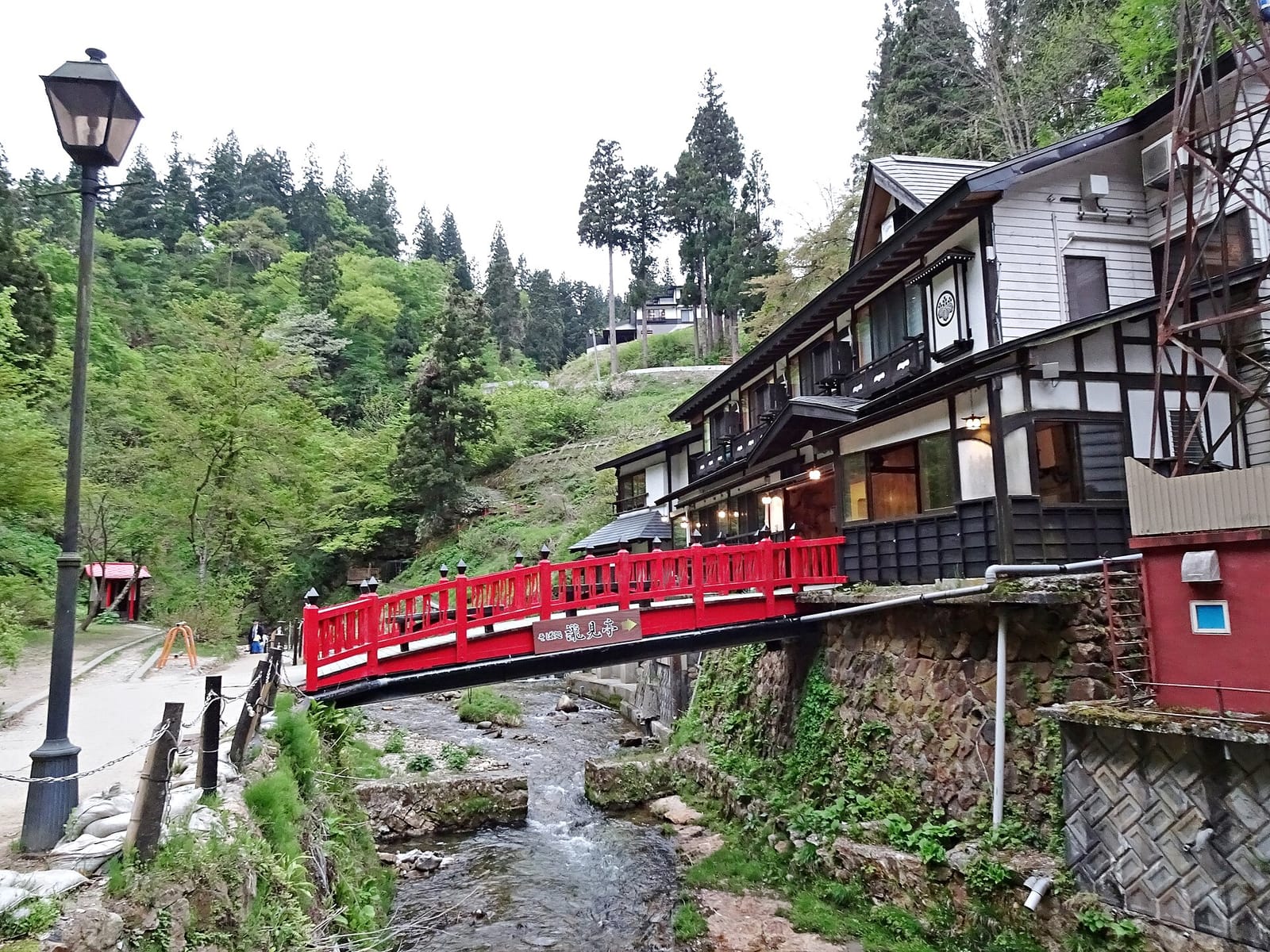
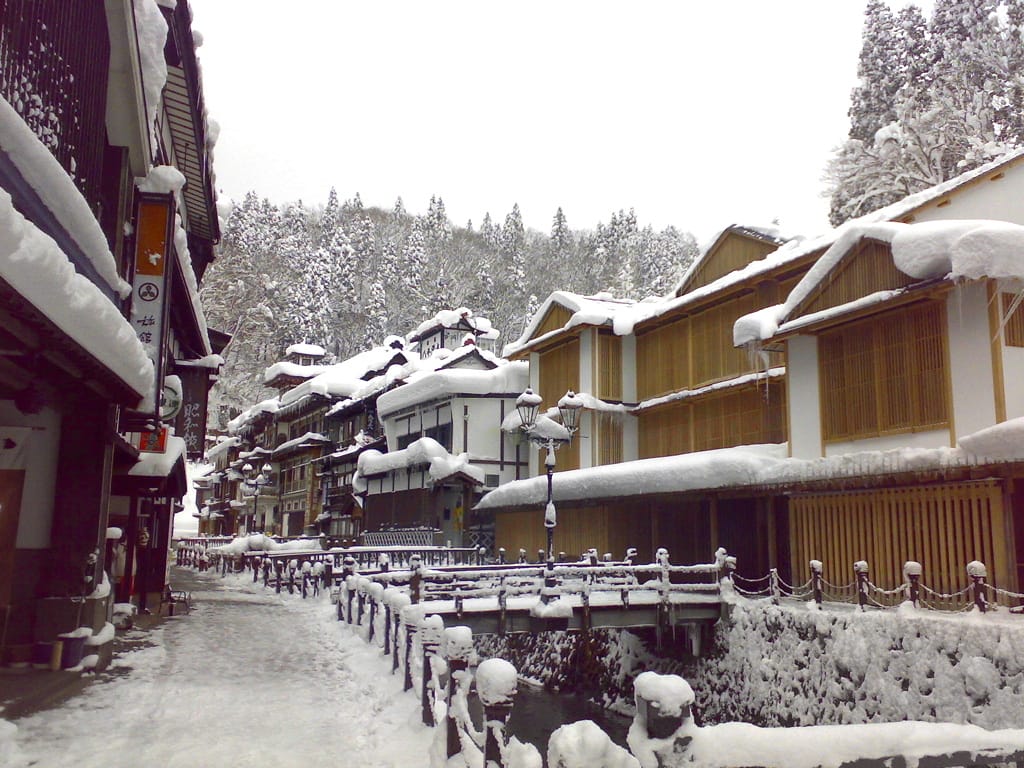
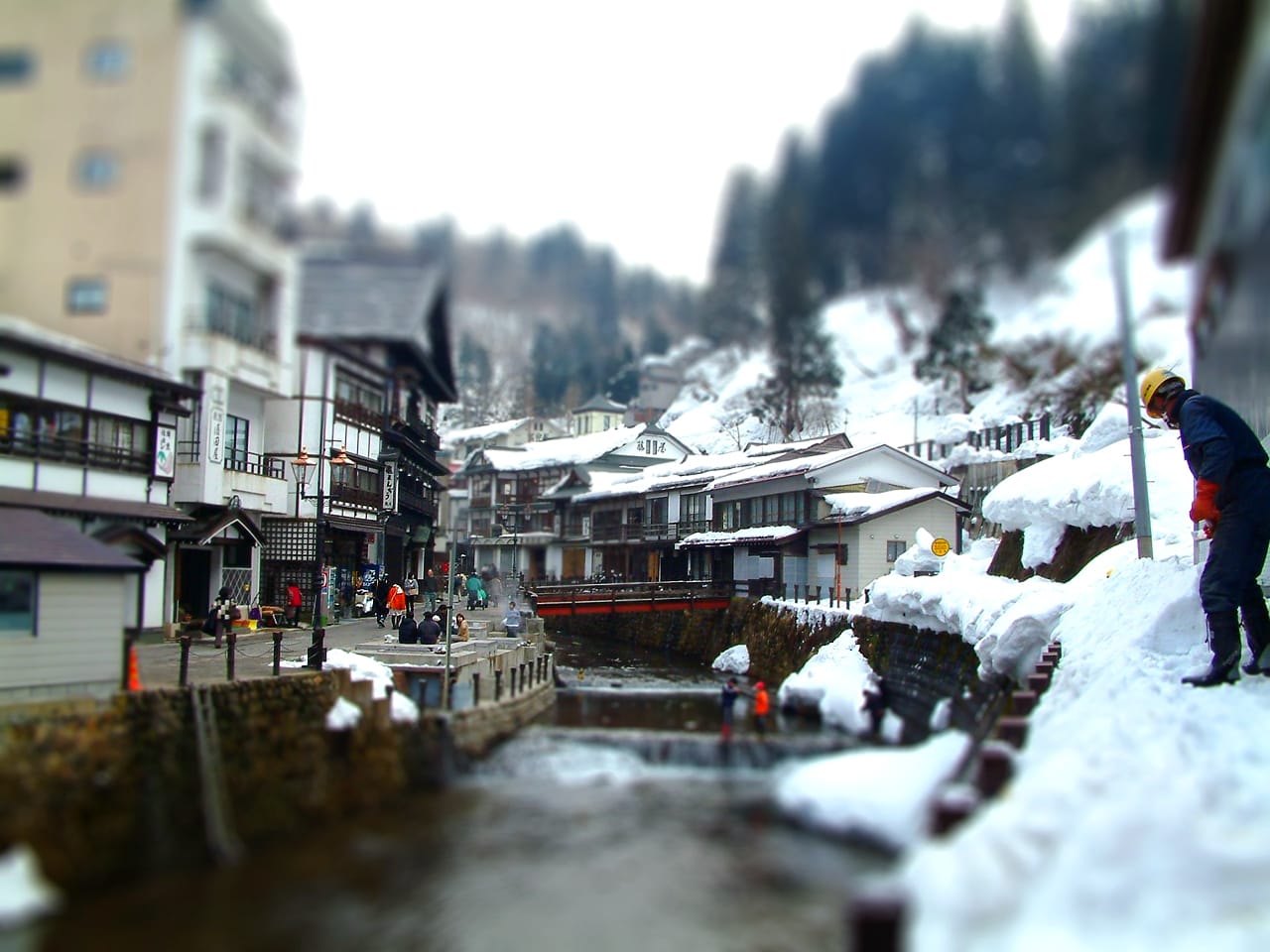
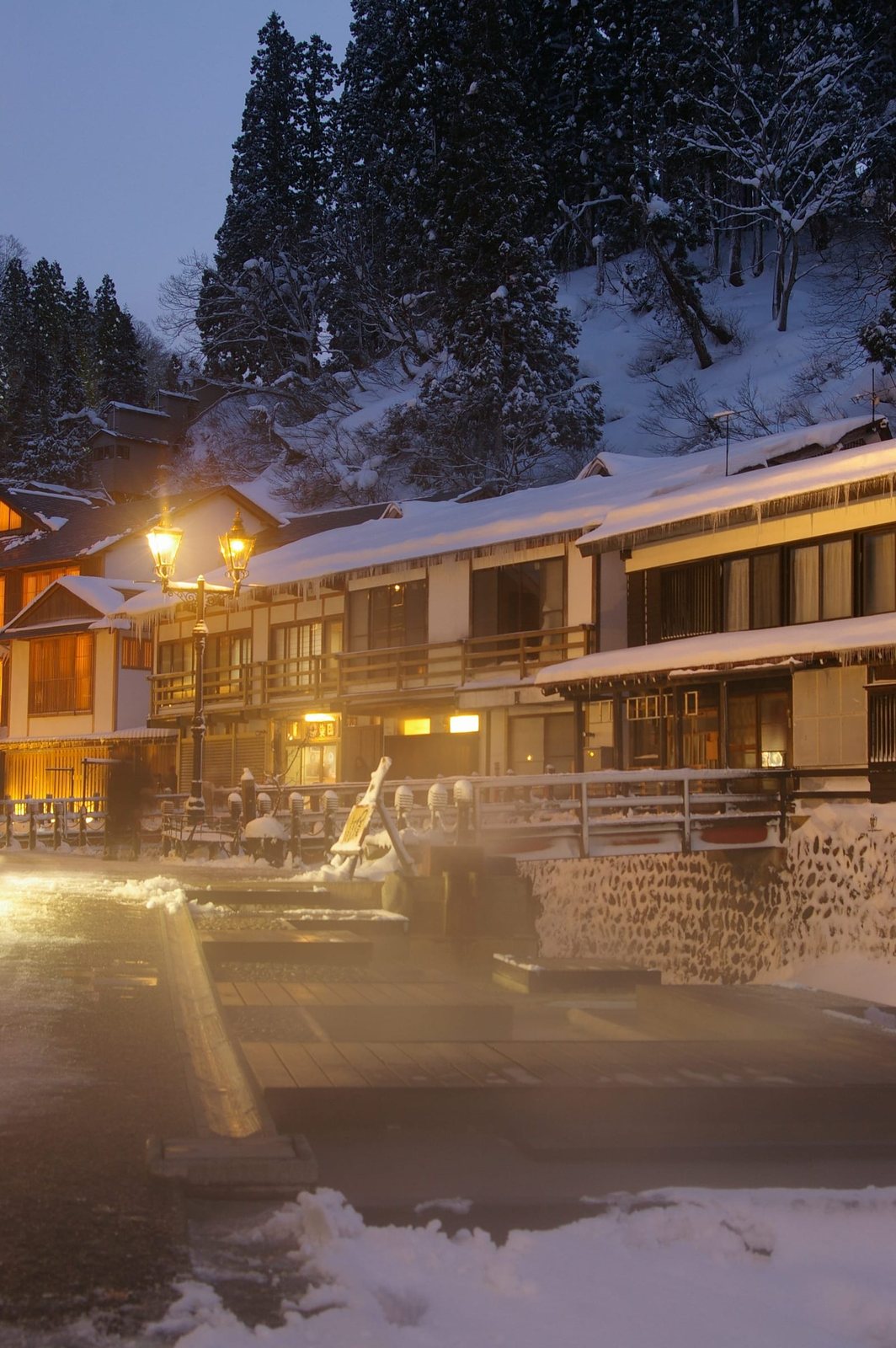
Also in Yamagata, Ginzan Onsen is a small hot spring town deep in the mountains, with two rows of three- and four-story wooden ryokan from the Taisho era lining the stream running through the center. When snow falls and the gas lamps come on at dusk, the entire street looks like a living postcard—many people believe it inspired the setting of the film “Spirited Away.” The most complete experience is to stay overnight at a ryokan (from around 20,000 yen per person including two meals; book many months ahead in winter). Day visitors can still use the public bath and free foot baths. Before taking an onsen bath for the first time, check out more tips on the OlaChill blog.
When to Visit
Tohoku is one of Japan’s regions with the clearest four seasons. Summer (July–August) is festival season: Aomori’s Nebuta, Akita’s Kanto, and Sendai’s Tanabata take place one after another during the first week of August—the liveliest time to visit, but also when rooms need to be booked furthest in advance. Winter (December–3) is ideal for Zao’s snow monsters, snow-covered Ginzan Onsen, and uncrowded ski resorts with good prices.
In spring, cherry blossoms in Tohoku bloom about 2–3 weeks later than in Tokyo (mid- to late April), with Hirosaki standing out for its moat covered in flower petals. In autumn (mid-October – early November), red leaves transform the Naruko and Geibikei gorges and the shores of Lake Towada. In other words, Tohoku has its own “main attraction” in every season—you just shouldn’t skimp on warm clothing from November through March.
Regional Specialties
Tohoku’s cuisine is rustic but deeply flavorful, shaped by its cold climate. In addition to Sendai gyutan, try wanko soba in Morioka—a noodle-eating challenge in which staff continually serve small bowls until you put the lid on to concede; Akita’s kiritanpo—pounded rice wrapped around wooden skewers, grilled, and then cooked in a chicken hot pot; and fresh Aomori apples, along with the many cakes and juices made from them. The Sanriku coast offers excellent seafood year-round, including Matsushima oysters in winter and sea urchin in summer.
Tohoku is also one of Japan’s leading sake-producing regions, thanks to its quality rice and snowmelt water. The prefectures of Yamagata, Akita, and Fukushima all have brands that have won international awards. A dinner accompanied by a cup of local sake at an izakaya usually costs around 3,000–5,000 yen per person.
Getting Around
The backbone of the region is the Tohoku shinkansen, which runs from Tokyo through Sendai and Morioka to Shin-Aomori, along with two branches to Yamagata and Akita. For international visitors, the JR East Pass (Tohoku area) is the best value: it provides unlimited train travel for 5 consecutive days, including shinkansen services, for around 30,000 yen—a single round trip from Tokyo to Aomori is enough to “break even.” The pass can be purchased online or at JR EAST ticket offices at airports and major stations; remember to bring your passport.
Keep in mind that destinations such as Ginzan Onsen and Zao require an additional local bus ride from the nearest station, and services can be infrequent—take a photo of the timetable in advance. If you want complete flexibility, renting a car in Sendai is a sensible option in summer; in winter, only drive if you are experienced on snowy roads.
Suggested Itinerary
With 5 full days using the JR East Pass: Day 1, travel from Tokyo to Sendai, explore the city and eat gyutan, then head to Matsushima Bay in the afternoon. Day 2, go to Yamagata and visit Zao to see the snow monsters (in winter), or replace it with the thousand-step stone staircase at the mountain temple Yamadera (in other seasons), then return to Ginzan Onsen in the evening for a ryokan stay. Day 3, head south to Hiraizumi to visit Chuson-ji, then arrive in Morioka in the evening and try wanko soba. Day 4, travel to Aomori for the Nebuta Warasse museum and Furukawa Fish Market, or visit Hirosaki during cherry-blossom season. Day 5, return to Tokyo by shinkansen (about 3 hours from Shin-Aomori).
If you only have 3 days, keep it to Sendai – Matsushima – Yamagata/Ginzan. If you would rather have someone handle all the trains, transportation, and ryokan bookings during peak season, take a look at OlaChill’s all-inclusive Japan tours, which include itineraries exploring deeper into Tohoku.
Tohoku is not for rushed, check-in-style travel. It is a region to explore slowly, soaking in hot springs while watching the snow fall, and understanding why Japanese people always say: if you want to see the “real” Japan, head north.
More from this region — Tohoku
View all →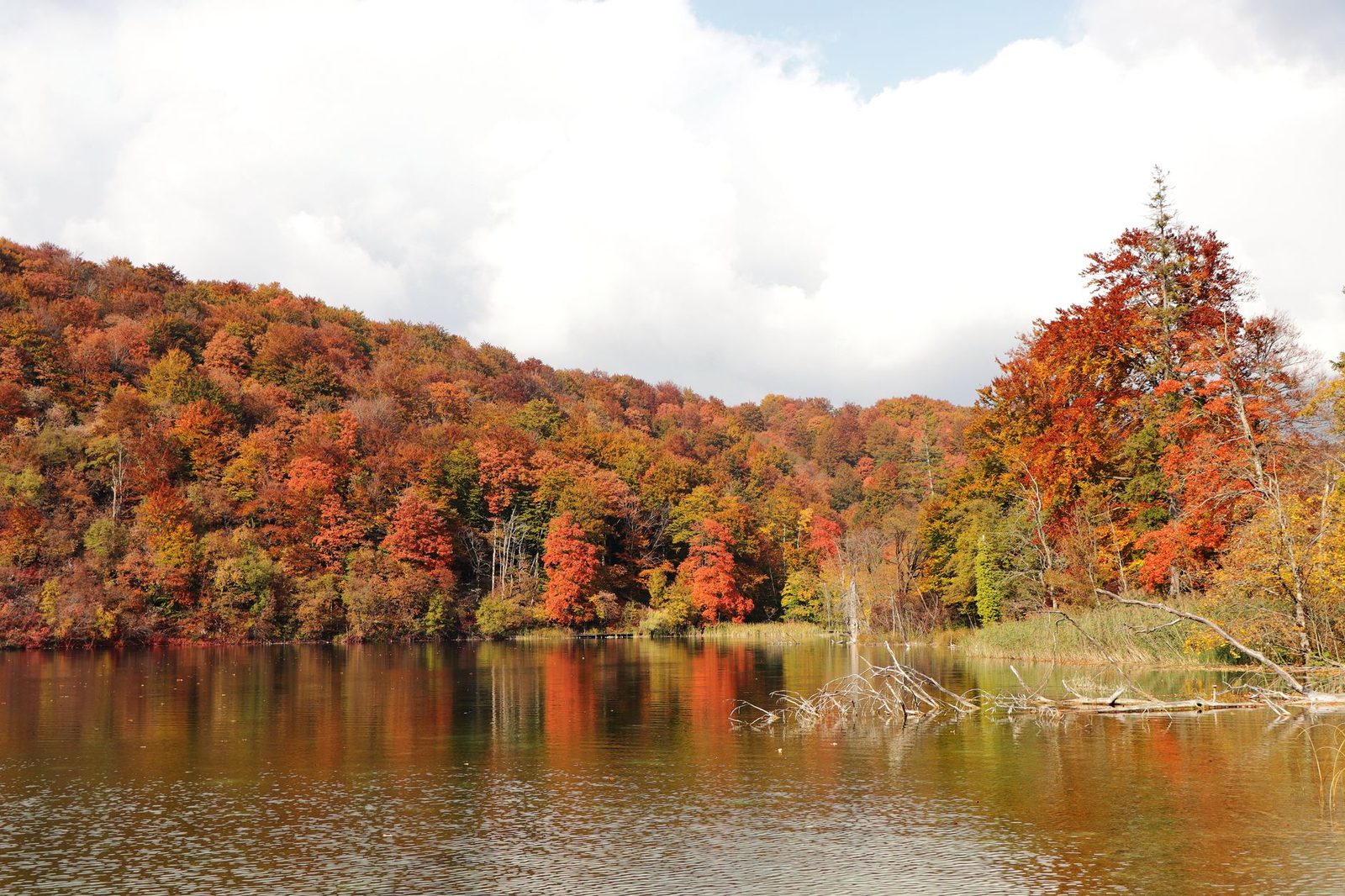
Towada-Hachimantai – Fire Lakes & Volcanic Highlands in Tohoku's Wild Heart
6 min · tips
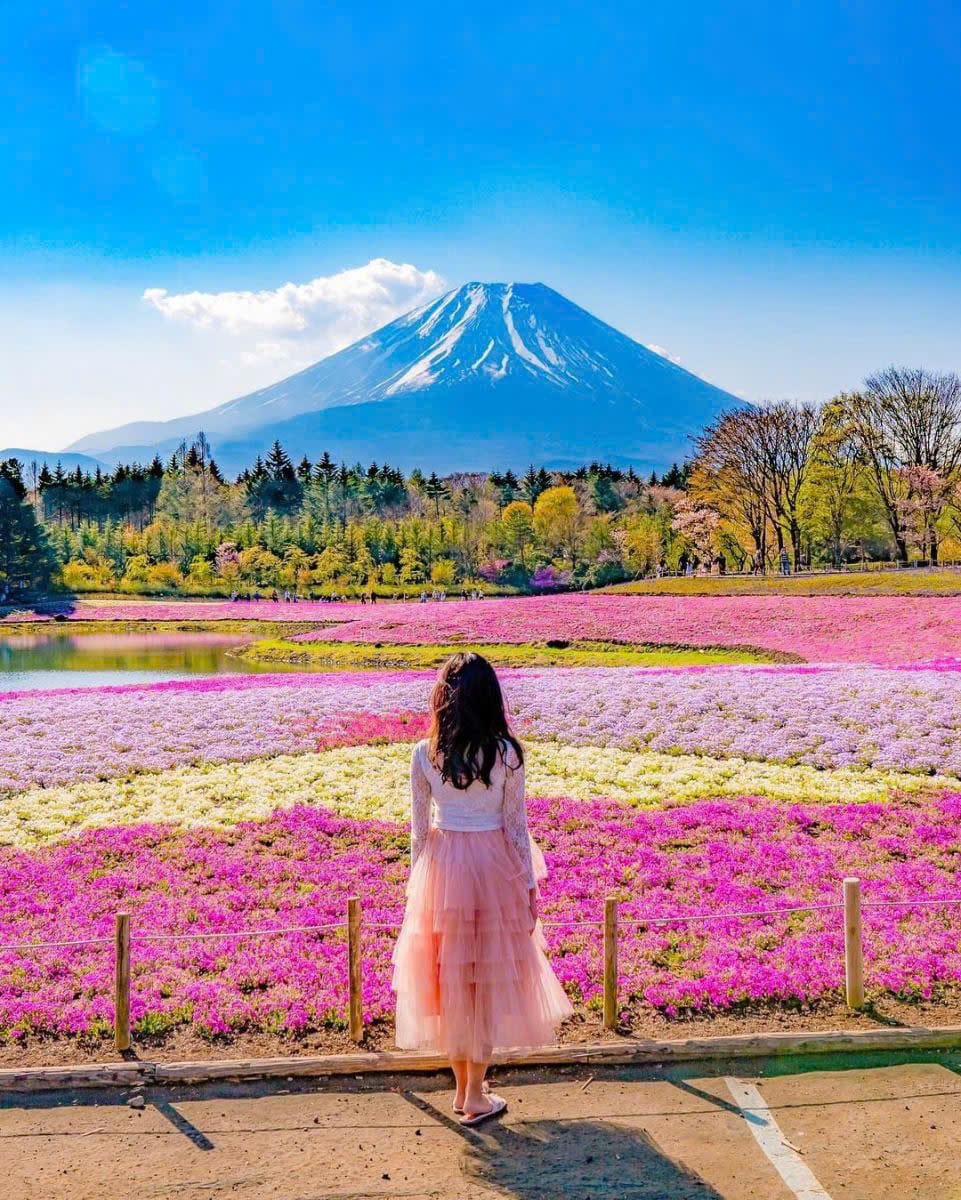
Cherry Picking in Yamagata: Japan’s Sakuranbo Kingdom
9 min · destinations
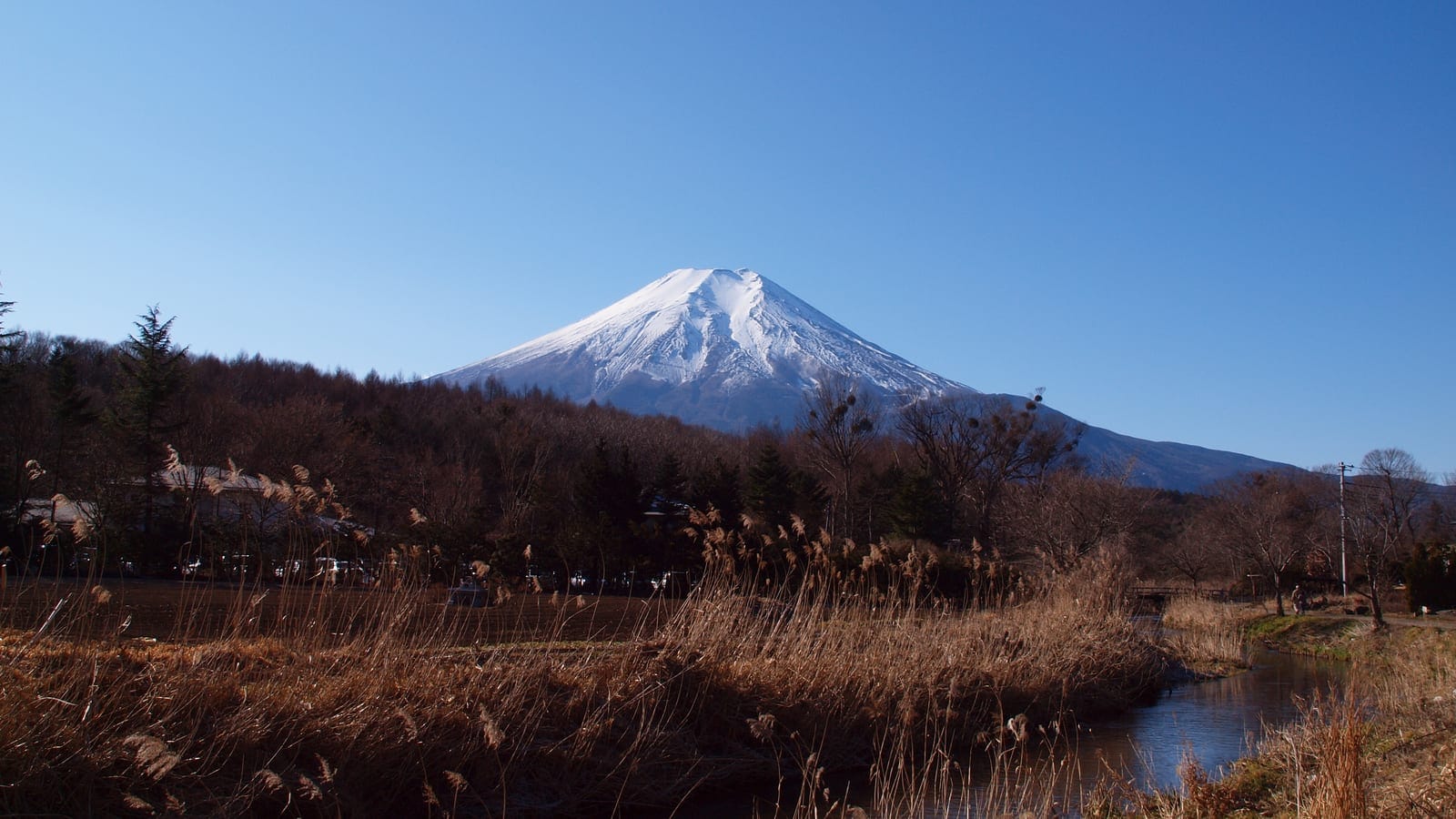
Zao Onsen: Snow Monsters, Ropeway Views and Sulfur Baths
9 min · destinations
Abukuma Cave: A Journey Deep Beneath Fukushima
8 min · destinations