
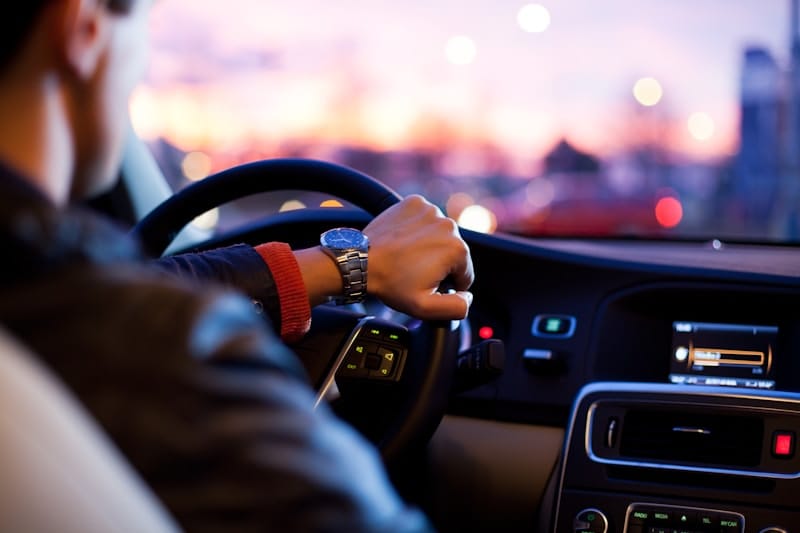
Driving in Japan on an Indian License
Planning a Japan road trip from India or Bangladesh? Understand IDP rules, rental costs, ETC cards, and discover the best regions like Hokkaido and Okinawa for self-drive adventures. Your complete guide.
Jul 10, 2026·✍️ olablog·⏱ 18 min read
Planning a Japan road trip from India or Bangladesh? Understand IDP rules, rental costs, ETC cards, and discover the best regions like Hokkaido and Okinawa for self-drive adventures. Your complete guide.
Japan, a nation renowned for its efficient bullet trains and intricate public transport, might seem an unlikely candidate for a road trip. However, for travellers from India and Bangladesh, the prospect of navigating Japan's pristine roads can unlock unique experiences, especially in regions less served by rail. With your familiar right-hand drive experience and an International Driving Permit (IDP) issued under the 1949 Geneva Convention, the open road awaits, offering unparalleled flexibility and the chance to discover hidden gems. A typical compact car rental for a week might start from around ¥45,000 (~₹25,200), providing a compelling alternative to train travel for families or those seeking off-the-beaten-path adventures.
The Indian IDP and Japan: Understanding the 1949 Convention
For Indian citizens planning to drive in Japan, the most crucial document is the International Driving Permit (IDP), specifically one issued under the 1949 Geneva Convention on Road Traffic. Japan is a signatory to this convention, and importantly, India also issues IDPs under this same convention. This means your Indian-issued IDP is indeed valid for driving in Japan, provided it meets the specific requirements.
It's vital to understand that Japan does not recognise IDPs issued under the 1968 Vienna Convention. Many countries issue IDPs under both conventions, but for Indian travellers, the process is streamlined because India's IDP format aligns with the 1949 convention. This is a significant advantage, allowing you to drive legally without needing to obtain a Japanese translation of your license, which is required for drivers from certain other countries.
The process for obtaining an IDP in India is managed through the Ministry of Road Transport and Highways (MoRTH) and executed by your local Regional Transport Office (RTO). You will typically apply online via the Parivahan portal (parivahan.gov.in) and then submit physical documents at your RTO. The required documents usually include your valid Indian driving license, passport, visa (or flight tickets as proof of international travel), proof of address, proof of age, and passport-sized photographs. The application fee is generally around ₹1000. It's crucial to apply well in advance of your trip, as processing times can vary, though they are often completed within a week to ten days after document submission. Your IDP will be valid for one year from its date of issue, or until your Indian driving license expires, whichever comes first. Remember, the IDP must be issued before you arrive in Japan; you cannot obtain one once you are there.
Bangladesh IDP Notes: What You Need to Know
Travellers from Bangladesh also have a straightforward path to driving in Japan, as Bangladesh, like India, is a signatory to the 1949 Geneva Convention on Road Traffic. This means that an International Driving Permit (IDP) issued by the Bangladesh Road Transport Authority (BRTA) under the 1949 convention is recognised and accepted in Japan.
The process for obtaining an IDP in Bangladesh involves applying through the BRTA. You will need to visit your nearest BRTA office with your valid Bangladeshi driving license, passport, national ID card, recent passport-sized photographs, and proof of your travel plans (such as flight tickets or a visa). The application fee typically ranges from BDT 2500 to BDT 3000. It's advisable to check the official BRTA website (brta.gov.bd) for the most current requirements and fees, as these can be subject to change.
Similar to the Indian IDP, your Bangladeshi IDP will be valid for one year from its date of issue or until your Bangladeshi driving license expires, whichever comes first. Ensure you obtain your IDP well before your departure to Japan, allowing ample time for processing. Having your Bangladeshi driving license, your IDP, and your passport on hand at all times while driving in Japan is a legal requirement.
Renting Your Ride: Vehicle Types, Costs, and Booking
Renting a car in Japan is a seamless experience, thanks to a robust infrastructure and well-established rental companies. Major players include Toyota Rent-a-Car, Nissan Rent a Car, Times Car Rental, and Orix Rent-A-Car. These companies have extensive networks, with rental counters conveniently located at major airports, train stations, and city centres across the country.
When selecting a vehicle, consider your travel group size and luggage. For solo travellers or couples, a "Kei car" (light automobile) is an economical and charming option. These compact, fuel-efficient vehicles are perfect for navigating narrower rural roads and offer significant savings on fuel and sometimes tolls. A Kei car might cost around ¥5,000-7,000 per day (₹2,800-3,900). For small families or those needing a bit more space, a compact car like a Toyota Aqua (Prius C equivalent) or a standard sedan offers a good balance of comfort and fuel economy, typically ranging from ¥7,000-10,000 per day (₹3,900-5,600). Larger groups or families with significant luggage might opt for a minivan, which can accommodate up to 7-8 passengers, with daily rates between ¥12,000-18,000 (~₹6,700-10,000).
Booking your rental car in advance, especially during peak seasons like cherry blossom (spring) or autumn foliage, is highly recommended. Most rental companies have English-language websites where you can compare models, prices, and pick-up/drop-off locations. When booking, you will need to specify your pick-up and drop-off dates and times, vehicle type, and any additional equipment like child seats or an English-speaking GPS.
Upon arrival at the rental counter, you must present your valid Indian or Bangladeshi driving license, your International Driving Permit (IDP), your passport, and a credit card for payment and security deposit. Ensure the name on your IDP matches your passport. Most rental agreements include basic liability insurance, but it's strongly advised to opt for additional full coverage (often called "Collision Damage Waiver" or CDW) which significantly reduces your excess liability in case of an accident. This might add ¥1,000-2,000 (~₹560-1,120) per day to your rental cost but offers invaluable peace of mind. Some rental agencies also offer a "Non-Operation Charge" (NOC) waiver, which covers fees if the car requires cleaning or repairs due to an accident, preventing it from being rented out immediately.
Here's a sample cost table for a 3-day rental:
| Car Type | Daily Rate (¥) | Daily Rate (approx. ₹) | 3-Day Rental (¥) | 3-Day Rental (approx. ₹) |
|---|---|---|---|---|
| Kei Car | ¥5,500 | ~₹3,080 | ¥16,500 | ~₹9,240 |
| Compact | ¥8,000 | ~₹4,480 | ¥24,000 | ~₹13,440 |
| Minivan | ¥14,000 | ~₹7,840 | ¥42,000 | ~₹23,520 |
Prices are indicative and can vary based on season, rental company, and specific model. Additional insurance typically adds ¥1,000-2,000 per day.
Navigating Japan's Roads: ETC Cards, GPS, and Rules
One of the immediate advantages for drivers from India and Bangladesh is the familiarity with right-hand drive vehicles and driving on the left side of the road. This significantly reduces the learning curve and allows you to focus on adapting to Japan's specific road rules and signage, rather than grappling with a new driving orientation.
Japan boasts some of the world's best-maintained roads, from multi-lane expressways to scenic rural routes. Road signage is generally clear, with important signs often duplicated in English. However, understanding some basic Japanese road signs can be helpful.
ETC (Electronic Toll Collection) Cards: If your itinerary involves using expressways, an ETC card is almost essential. Japan's expressways are efficient but come with tolls that can add up quickly. An ETC card allows you to pass through toll gates without stopping, much like India's FASTag or Bangladesh's proposed equivalent. Rental car companies often provide ETC cards, either as part of a package or for a small rental fee (e.g., ¥330-550, ₹185-308 for the duration of the rental). Some companies also offer Expressway Passes (like the Japan Expressway Pass or Hokkaido Expressway Pass), which provide unlimited use of designated expressways for a fixed period, potentially saving you a substantial amount if you plan extensive driving. For instance, a 7-day Japan Expressway Pass might cost around ¥20,000 (₹11,200), which can be excellent value for long-distance road trips.
GPS Navigation: Modern in-car navigation systems in Japan are highly accurate and almost universally offer English language options. When picking up your car, ensure the GPS is set to English and that you understand how to input destinations, either by phone number, map code (a unique 9-10 digit code for specific locations), or address. Supplementing the in-car GPS with Google Maps on your smartphone is also a good idea, especially for real-time traffic updates and searching for nearby amenities like vegetarian or halal-friendly restaurants. Ensure you have a reliable data SIM or portable Wi-Fi device.
Road Rules and Regulations:
- Speed Limits: Strictly enforced. Generally 40 km/h (approx 25 mph) in urban areas, 60 km/h (approx 37 mph) on ordinary roads, and 80-100 km/h (approx 50-62 mph) on expressways. Pay close attention to posted limits.
- Seatbelts: Mandatory for all occupants, front and rear.
- Mobile Phones: Strict hands-free only policy. Using a handheld phone while driving is illegal and carries heavy penalties.
- Drinking and Driving: Japan has a zero-tolerance policy. Even a trace amount of alcohol can lead to severe fines, license suspension, and even imprisonment. Avoid alcohol entirely if you plan to drive.
- Parking: Can be expensive and scarce in major cities. Look for designated paid parking lots (often multi-story or underground). In rural areas, parking is generally easier and often free, especially at tourist attractions.
- Fuel: Petrol (gasoline) is standard. Look for "Regular" (レギュラー) or "Premium" (ハイオク). Diesel is less common for passenger cars. Fuel prices are comparable to or slightly higher than India, currently around ¥170-180 per litre (~₹95-100).
- Traffic Lights: Flashing green indicates the light is about to turn yellow; flashing yellow indicates caution.
Navigating Japan's roads is a pleasure due to their quality and discipline of other drivers. Remember to always be alert, follow speed limits, and respect local traffic customs.
Where Driving Truly Shines: Hokkaido and Okinawa Road Trips
While driving in congested cities like Tokyo or Kyoto is often more of a hassle than a convenience due to excellent public transport, high parking costs, and heavy traffic, there are regions in Japan where a self-drive adventure truly elevates the travel experience. For visitors from India and Bangladesh, two standout destinations are Hokkaido and Okinawa, offering vast landscapes and limited public transport connectivity outside their main hubs.
Hokkaido: Japan's Northern Frontier
Hokkaido, Japan's largest and northernmost prefecture, is tailor-made for road trips. Its sprawling national parks, scenic coastlines, and picturesque farmlands are best explored at your own pace. The public transport network, while present, doesn't reach many of the island's most beautiful spots, making a rental car almost indispensable.
Why drive in Hokkaido?
- Vast Distances: Hokkaido is geographically immense, with attractions spread far apart. Driving allows you to connect these points efficiently.
- Scenic Routes: Experience breathtaking drives through flower fields in Furano and Biei, along the Shiretoko Peninsula, or around caldera lakes like Lake Toya.
- Flexibility: Stop anywhere for a photo, explore a charming roadside station (Michi-no-Eki), or discover a local eatery.
- Fewer Crowds: Outside Sapporo, the roads are generally less congested than in mainland Japan.
Sample 5-Day Hokkaido Itinerary (Self-Drive Focus):
- Day 1: Arrive Sapporo, Pick up Car. Explore Sapporo's city centre, including Odori Park and the Sapporo Beer Garden.
- Day 2: Sapporo to Furano/Biei (approx. 2.5-3 hours drive). Drive through picturesque countryside. Spend the day admiring the colourful flower fields (seasonal, typically June-August) and patchwork hills. Visit Farm Tomita or Shikisai-no-Oka.
- Day 3: Furano to Otaru (approx. 2 hours drive). Enjoy the scenic drive to Otaru, a charming canal town. Explore the canal district, glassworks, and music box museums.
- Day 4: Otaru to Niseko/Lake Toya (approx. 1.5-2 hours drive). Head to the Niseko region for stunning mountain views or Lake Toya for its caldera lake and onsen.
- Day 5: Niseko/Lake Toya back to Sapporo/Chitose Airport (approx. 2-2.5 hours drive). Drop off the car and depart.
Food in Hokkaido: Hokkaido is famous for its fresh seafood (crab, scallops, sea urchin), dairy products (milk, cheese, ice cream), and agriculture (potatoes, corn). For vegetarian travellers, finding dedicated vegetarian restaurants might be challenging outside Sapporo. However, convenience stores (konbini) like 7-Eleven, FamilyMart, and Lawson offer a variety of onigiri (rice balls, check fillings), bread, salads, and sometimes vegetarian instant noodles. Look for soba (buckwheat noodles) or udon, ensuring the broth is dashi-free if strictly vegetarian, or opt for simple vegetable tempura. Halal options are slowly emerging in Sapporo, but pre-planning and self-catering from supermarkets are recommended in rural areas.
Best Seasons for Driving: Summer (June-August) for pleasant weather and flowers; Autumn (September-October) for spectacular fall foliage; Winter (December-March) offers magical snowscapes but requires experience with snow driving and proper winter tires (rental companies will equip cars accordingly).
Okinawa: Japan's Tropical Paradise
Okinawa, the southernmost prefecture, is an archipelago of subtropical islands, offering pristine beaches, vibrant coral reefs, and a unique Ryukyuan culture. Like Hokkaido, its scattered attractions and limited public transportation on many islands make driving the most effective way to explore.
Why drive in Okinawa?
- Island Hopping: A rental car on the main island allows you to explore its length and breadth, reaching secluded beaches and historical sites.
- Beach Access: Many of Okinawa's most beautiful beaches are not easily accessible by public transport.
- Flexibility for Families: Easily transport beach gear, snorkelling equipment, and young children.
Sample 4-Day Okinawa Itinerary (Self-Drive Focus):
- Day 1: Arrive Naha, Pick up Car. Explore Naha city, including Kokusai Dori (main street) and Shuri Castle (check current reconstruction status).
- Day 2: Northern Okinawa (approx. 1.5-2 hours drive to Motobu). Drive north to visit the Okinawa Churaumi Aquarium (one of the world's largest), then explore nearby Emerald Beach and Cape Manzamo.
- Day 3: Central Okinawa & Beaches. Drive along the beautiful coastal roads, stopping at popular beaches like Moon Beach or Manza Beach. Visit American Village for shopping and dining.
- Day 4: Southern Okinawa & Departure. Explore the historical sites in the south, such as the Peace Memorial Park, before driving back to Naha Airport for departure.
Food in Okinawa: Okinawan cuisine is distinct from mainland Japanese food, often featuring pork (e.g., Rafute, Soki Soba). Finding strictly vegetarian or halal food requires more effort. In Naha, you might find a few international restaurants or specific establishments catering to dietary needs. Again, convenience stores are a reliable source for basic snacks, drinks, and some packaged foods. Look for vegetable stir-fries (Champuru), tofu dishes, or inquire about "shojin ryori" (Buddhist vegetarian cuisine) if available.
Best Seasons for Driving: Spring (March-May) and late autumn (October-November) offer pleasant weather. Avoid peak typhoon season (July-September).
In contrast to these regions, driving in metropolitan areas like Tokyo, Osaka, or Kyoto is generally not recommended. Their extensive and highly efficient train and subway networks (think of the Delhi Metro, but even more sprawling and punctual) make public transport the superior, more cost-effective, and stress-free option. Parking is scarce and expensive, traffic can be heavy, and navigation can be complex.
Cost Breakdown: Rental, Fuel, Tolls, and Parking
Understanding the total cost of a driving holiday in Japan is essential for budget-conscious travellers from India and Bangladesh. While the daily rental rate is a primary factor, fuel, tolls, and parking can significantly add to the expense. Let's look at an estimated breakdown for a 5-day road trip, focusing on a compact car, which offers a good balance for most travellers.
Rental Car (Compact, 5 Days):
- Base Rental Rate: ¥8,000 per day x 5 days = ¥40,000 (~₹22,400)
- Full Insurance (CDW): ¥1,500 per day x 5 days = ¥7,500 (~₹4,200)
- ETC Card Rental Fee: ¥500 (one-time) (~₹280)
- Subtotal Rental Costs: ¥48,000 (~₹26,880)
Fuel Costs: This is highly dependent on your itinerary and driving distance. For a moderate 5-day trip covering around 800-1000 km (e.g., a loop around Hokkaido or Okinawa), you might consume roughly 50-60 litres of petrol.
- Fuel Price: ¥175 per litre (~₹98)
- Total Fuel: 55 litres x ¥175 = ¥9,625 (~₹5,390)
- Subtotal Fuel Costs: ¥9,625 (~₹5,390)
Tolls (Expressways): Tolls can be substantial. For a 5-day trip, especially if using expressways frequently, consider a Japan Expressway Pass (JEP) or a regional pass.
- If using individual tolls: A major route like Sapporo to Furano and back, plus other smaller expressway sections, could easily total ¥8,000-12,000 (~₹4,480-6,720) over 5 days.
- If using an Expressway Pass: A 5-day regional pass (e.g., Hokkaido Expressway Pass) might cost around ¥12,000-15,000 (~₹6,720-8,400). This offers unlimited travel on designated expressways within the period. Let's budget for the pass for simplicity.
- Subtotal Toll Costs: ¥14,000 (assuming a regional pass) (~₹7,840)
Parking Costs: Parking can vary wildly. In rural areas or at many tourist attractions, it's often free. In smaller towns, you might pay ¥200-300 per hour. In cities, it can be ¥500-1000 per hour. Assuming a mix of free and paid parking, and some overnight parking at hotels (which might charge ¥1,000-2,000 per night).
- Estimated Parking: ¥1,000-1,500 per day x 5 days = ¥5,000-7,500 (~₹2,800-4,200)
- Subtotal Parking Costs: ¥6,000 (~₹3,360)
Total Estimated Cost for a 5-Day Road Trip (Compact Car):
- Rental: ¥48,000
- Fuel: ¥9,625
- Tolls: ¥14,000
- Parking: ¥6,000
- Grand Total: Approximately ¥77,625 (~₹43,470)
This total of approximately ₹43,470 for a 5-day trip for a compact car provides a clear financial picture. While this might seem higher than simply buying a JR Pass, the value proposition lies in the unparalleled flexibility, access to remote locations, and the ability to travel at your own pace, especially when travelling as a group or family. A 7-day Japan Rail Pass costs ¥50,000 (~₹28,000) for ordinary class, but it restricts you to train lines. For Hokkaido or Okinawa, where train networks are limited, the car provides superior access. Factor in the cost of local buses or taxis to reach off-train destinations, and a rental car can become a very competitive option for specific itineraries.
Key Takeaways
- IDP is Non-Negotiable: For Indian and Bangladeshi citizens, a valid International Driving Permit (IDP) issued under the 1949 Geneva Convention is mandatory and must be obtained before arriving in Japan. Carry your original national license and passport too.
- Right-Hand Drive Advantage: Your familiarity with right-hand drive vehicles and left-side traffic flow from India or Bangladesh will make adapting to Japanese roads significantly easier.
- Regional Value: Driving is most beneficial in expansive, less-densely populated regions like Hokkaido and Okinawa, where public transport is less comprehensive. Avoid driving in major cities like Tokyo or Kyoto.
- ETC Card for Tolls: An ETC card is highly recommended for expressway travel to save time and potentially money with regional passes. Factor significant toll costs into your budget.
- Comprehensive Costs: Beyond rental fees, budget generously for fuel, tolls, and parking. A 5-day compact car road trip can easily cost around ¥75,000-80,000 (~₹42,000-45,000) or more, depending on your route and car type.
- GPS is Your Friend: In-car GPS systems (available in English) and Google Maps are crucial for navigation. Learn how to input destinations by phone number or map code.
- Food Preparedness: For vegetarian or halal dietary needs, especially in rural areas, pre-planning meals, utilising convenience stores, and bringing some ready-to-eat options are advisable.
FAQ
Q. Is my Indian/Bangladeshi IDP definitely valid in Japan? Your International Driving Permit (IDP) issued in India or Bangladesh under the 1949 Geneva Convention on Road Traffic is indeed valid in Japan. Ensure it is current, issued before your arrival in Japan, and always carry it along with your original national driving license and passport. Japan does not recognise IDPs issued under the 1968 Vienna Convention.
Q. Do I need an ETC card for driving in Japan? While not strictly mandatory, an ETC (Electronic Toll Collection) card is highly recommended if you plan to use expressways. It allows for seamless passage through toll gates without stopping and can offer access to special expressway passes that provide cost savings for extensive driving. Most rental car companies offer ETC cards for a small rental fee.
Q. Is it difficult to drive in Japan, especially given my background from India/Bangladesh? Driving in Japan is generally straightforward, and your experience with right-hand drive vehicles and left-side traffic flow from India or Bangladesh is a significant advantage. Roads are excellent, and signage is clear (often bilingual). The key is to be mindful of strict speed limits, zero-tolerance for DUI, and high parking costs in urban areas.
Q. What about vegetarian/halal food options when on a road trip in Japan? Finding strictly vegetarian or halal food can be challenging outside major cities. In rural areas, convenience stores (konbini) are your best bet for packaged snacks, drinks, and some basic meal items. For restaurant dining, research vegetarian-friendly options in larger towns along your route or look for traditional dishes that might be naturally vegetarian (e.g., some soba/udon dishes, vegetable tempura, tofu dishes), always asking about dashi (fish stock) if strictly vegetarian. Halal options are growing, particularly in major cities, but require advance planning.
Q. Can I just rely on Google Maps for navigation, or do I need the in-car GPS? While Google Maps is excellent for real-time traffic and searching for points of interest, the in-car GPS systems provided by Japanese rental companies are often more accurate for specific addresses and can function without a data connection. It's best to use both: the in-car GPS for primary navigation (especially if you input destinations by map code or phone number) and Google Maps for supplementary information, traffic updates, and discovering nearby amenities. Ensure you have a reliable data plan or a portable Wi-Fi device for your phone.
More from this region — Other
View all →
Ryusendo Cave: Iwate’s Underground Lakes of Impossible Blue
8 min · destinations

Sake for Beginners: How to Choose Your First Bottle and Drink It Japanese-Style
6 min · food
Sake and Cuisine: Basic Pairing Techniques
9 min · food
What’s the Difference Between Sake, Shochu, Umeshu, and Highballs? A Beginner’s Map to Japanese Drinks
6 min · food