
Sake and Cuisine: Basic Pairing Techniques
Welcome to the profound world of sake. Understand the characteristics of dry, sweet, and Ginjo sake, and we'll introduce the basics for finding the optimal combinations with food at izakayas or during sake brewery tours. Learn pairing tips to enrich your stay in Japan.
May 4, 2026·✍️ olablog·⏱ 9 min read
Welcome to the profound world of sake. Understand the characteristics of dry, sweet, and Ginjo sake, and we'll introduce the basics for finding the optimal combinations with food at izakayas or during sake brewery tours. Learn pairing tips to enrich your stay in Japan.
During your trip to Japan, why not experience the wonderful combination of sake and food at an izakaya? Sake, with its diverse flavors, further enhances the flavor of cuisine. Here, we will focus on dry, sweet, and Ginjo sake, and introduce pairing tips for each with various dishes. At popular sake brewery tours, you can enjoy tastings while learning about the production process.
Dry Sake
Karakuchi (辛口) literally means "spicy", but it is not hot like chili. It means dry: little sweetness and a short, clean finish that leaves your mouth refreshed, much like a dry white wine. It is the style Japanese drinkers love most, and the safest choice for beginners.
The clean, dry taste of karakuchi works like a "reset button" for your palate. It washes away richness and the taste of the sea, so the next bite tastes as fresh as the first. Classic pairings:
- Sashimi and sushi: especially white fish such as tai (sea bream) and hirame (flounder), squid and octopus. Chilled karakuchi doesn't overpower the natural sweetness of raw fish.
- Salt-grilled fish (shioyaki): salt-grilled saba (mackerel) or autumn sanma (saury). The dryness of the sake balances the oil of the fish perfectly.
- Tempura: crisp batter and a sip of cold dry sake make a pair that empties the plate before you know it.
- Salty snacks: shiokara (salted squid) and grilled dried fish, the classic drinking snacks.
Niigata, snow country with good rice and soft water, is famous for the dry style, often described as "tanrei karakuchi": clean, light and dry. If you see these words on a menu, it is a safe bet for a seafood meal.
Sweet Sake
Amakuchi (甘口) is the opposite: a gentle sweetness from the rice and a round, full, soft feel in the mouth. For many people trying sake for the first time, amakuchi is the easiest to enjoy.
The general rule is that sweet sake goes well with rich and spicy flavors:
- Simmered dishes (nimono): fish simmered with ginger, pork simmered with daikon, or buta no kakuni (braised pork belly). The sweetness of the sake blends beautifully with sauces of sugar and soy sauce.
- Miso and teriyaki dishes: teriyaki chicken or grilled miso-marinated fish.
- Spicy food: spicy dishes or karaage in a spicy sauce. The sweetness softens the heat, in the same way sweet wine is paired with spicy food.
- Cheese and rich dishes: it may sound unusual, but rich, sweet sake with cheese is a pairing many modern izakaya like to recommend.
- Dessert: a small cup of chilled amakuchi makes a charming alternative to dessert wine.
For a classic, mellow sweet style, look for bottles from Nada (Kobe) or Fushimi (Kyoto), two historic sake capitals whose water produces round, soft sake. Connoisseurs often describe Fushimi sake as "feminine" compared with the "masculine" strength of Nada sake.
Ginjo Sake
The first time you taste a chilled Ginjo, you may be surprised: how can a rice drink smell of apple or melon? This is ginjo-ka, the signature aroma created by slow, low-temperature fermentation with highly polished rice. Before brewing, the outer layer of each grain is polished away, and the percentage that remains (seimaibuai) is one of the most important numbers on the label:
- About 60% or less remaining: Ginjo, where the fruity aroma starts to shine.
- About 50% or less remaining: Daiginjo, the height of refinement.
With this style, the most important rule is that the food should let the sake take center stage:
- Drink it chilled and never warm it: heat drives off the precious fruity aroma. A glass with a slightly curved rim, like a white wine glass, gathers the aroma better than a ceramic cup.
- Pair it with light, delicate dishes: white fish sashimi, scallops, amaebi (sweet shrimp), hiyayakko (chilled tofu), seasonal vegetables and steamed dishes.
- Avoid dishes that are very rich, spicy or oily: yakiniku in a heavy sauce or fried food drenched in sauce will overwhelm the delicate aroma of a Daiginjo.
- Or simply sip it on its own: a glass of chilled Daiginjo before the meal, enjoyed like an aperitif white wine, is well worth trying.
Ordering tip: junmai daiginjo is usually the top of the menu. If you want to treat yourself once, order a small cup at the start of the meal, while your palate is still fresh.
Serving Temperature
Sake is one of the few drinks that tastes good across a wide range of temperatures, and Japanese has a word for each:
- Reishu (chilled): for Ginjo, Daiginjo and other light, aromatic styles. Cool like a white wine, not ice-cold like beer.
- Hiya / Jo-on (room temperature): the most "honest" way to drink sake, revealing everything about the bottle. Good for quality junmai.
- Nurukan (gently warmed): pleasantly warm, it makes the rice flavor of junmai fuller and rounder.
- Atsukan (hot, around 50°C): the soul of a Japanese winter. Warmed honjozo or everyday junmai next to a pot of oden or hot pot is hard to beat.
A handy rule: the more aromatic the sake, the colder you should drink it; the richer its rice character, the better it takes to warming. At an izakaya, just say "reishu" (chilled) or "atsukan" (hot) and the staff will understand.
Ordering Sake at an Izakaya
- The all-purpose phrase: "Osusume wa nan desu ka?" (What do you recommend?). Tell the staff what you are eating and whether you prefer dry or sweet ("karakuchi" / "amakuchi"), and they will choose for you.
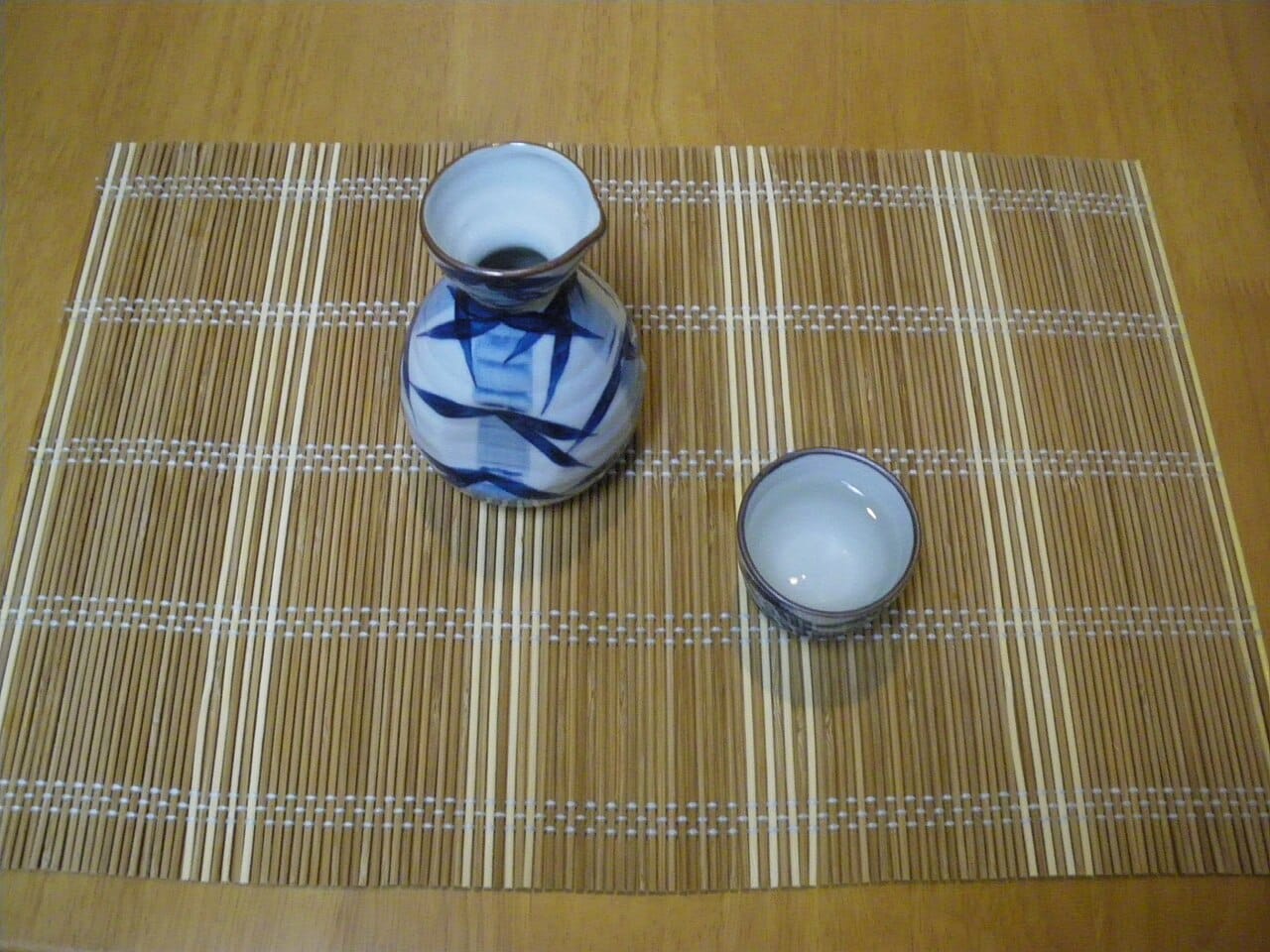
- How sake is served: the most common unit is ichigo (about 180 ml), poured into a small ceramic flask called a tokkuri and drunk from small ochoko cups. Two people can share a tokkuri and order another to try something different.
- Don't panic if your glass overflows: many places pour sake into a glass set in a small wooden box (masu) or on a saucer and deliberately let it overflow. This is called mokkiri and is a gesture of generosity, not a clumsy pour.
- Pouring etiquette: when drinking with Japanese companions, pour for others before yourself, and hold your cup with both hands when someone pours for you.
- Tasting sets: many izakaya and sake bars offer a set of three small cups of different sake. Order one dry, one sweet and one ginjo, try them with different dishes, and you will learn pairing faster than any other way.
Visiting a Sake Brewery
If your schedule allows, spend half a day or a day in a sake region. Standing in a storehouse that smells of fermentation and tasting sake at its source gives every cup a story.
- Fushimi (Kyoto): the most convenient for visitors. A short ride on the Keihan or Kintetsu line from central Kyoto brings you to a canal-side old town of white-walled, black-tiled storehouses. The Gekkeikan sake museum is an easy place to start; check its official website before you go.
- Nada (Kobe): a stretch of breweries along the coast between Kobe and Nishinomiya, regarded as one of Japan's major sake-producing areas. Many breweries run free or low-cost museums with tasting areas, and the small stations of the Hanshin line let you visit several in an afternoon.
- Saijo (Higashihiroshima): a famous sake town in the Hiroshima area, with brick-chimneyed breweries clustered around the station, all within walking distance. A large sake festival is held here in autumn; if you go then, book accommodation early.
- Niigata: paradise for dry sake lovers. Inside Niigata Station there is a tasting corner where you can sample sake from dozens of the prefecture's breweries using coins.
Tips for brewery visits:
- Book through the official website if you want a guided tour of the production area, as many breweries limit daily visitor numbers. Museums and tasting areas are usually open to walk-in visitors.
- Winter is brewing season (kanzukuri), from around late autumn to early spring, when the storehouses are at their liveliest. Some production areas may close to visitors at the busiest time, so check in advance.
- Avoid the crowds by going on a weekday and arriving early, right after opening.
- If you are driving, don't taste. Japan has zero tolerance for drink driving, so take the train. Non-drinkers can still enjoy amazake (a sweet, almost alcohol-free fermented rice drink) and sake-flavored ice cream at most breweries.
- Buy gifts at the source: many breweries sell limited bottles available only on site, and 300 ml bottles are a good size to take home. Liquids over 100 ml are not allowed through airport security in your carry-on, so pack sake well in your checked baggage.
Common Beginner Mistakes
- Warming a Daiginjo. Its fruity aroma disappears, and so does your money. Remember: aromatic means chilled, rich means warm.
- Drinking sake in shots. Sake is around 15% alcohol; it feels smooth but catches up with you. Sip slowly and alternate with water (ask for "ohiya", cold water).
- Judging sake on a single try. Taste at least one dry, one sweet and one ginjo before deciding whether sake is for you.
- Choosing by price alone. The most expensive bottle is not always the best match for your food. A simple warmed honjozo can suit a hot pot better than a pricey Daiginjo; a good match matters more than a fancy one.
The world of sake is as deep as its reputation, but the way in is easy: an evening at an izakaya, a set of three tasting cups and a little curiosity. On your next trip to Japan, let a cup of sake guide you through your meal. Kanpai!
More from this region — Other
View all →
What’s the Difference Between Sake, Shochu, Umeshu, and Highballs? A Beginner’s Map to Japanese Drinks
6 min · food
School Excursion Buses in Japan: Safety, Comfort and Planning
8 min · tips
How to See a Doctor in Japan – A Practical Guide for English Speakers
3 min · tips

Paying for Bookings in Japan from India/Bangladesh
22 min · tips