Sharehouses in Japan: Honest Review, Real Rents from $200/Month (2026)
An honest look at sharehouse living in Japan in 2026: real average rents by region, trusted providers like Oakhouse (~$200/mo) and Sakura House, and the trade-offs of shared living. Plus house rules and tips for choosing the right one as a first-timer.
Jan 22, 2026·✍️ olablog·⏱ 3 min read
An honest look at sharehouse living in Japan in 2026: real average rents by region, trusted providers like Oakhouse (~$200/mo) and Sakura House, and the trade-offs of shared living. Plus house rules and tips for choosing the right one as a first-timer.
What Is a Sharehouse?
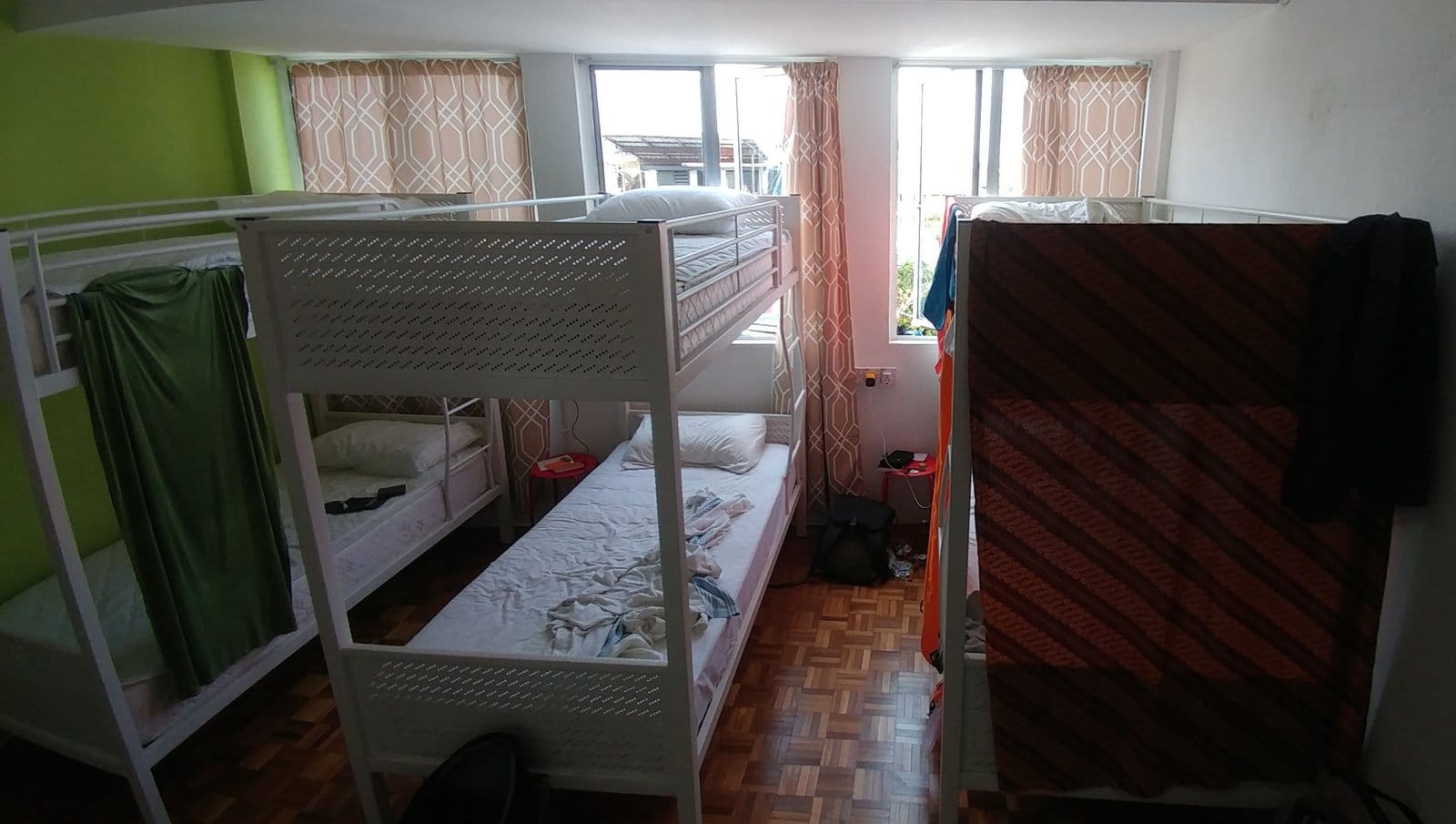
A sharehouse (シェアハウス) is essentially a co-living arrangement — multiple tenants share a large house or apartment, each with their own private bedroom but sharing the kitchen, living room, and bathrooms. It's the single most popular housing option for newcomers to Japan: costs are low, paperwork is minimal, and you'll actually meet people.
Why Sharehouses Make Sense
💰 Genuinely affordable: Expect to pay roughly $200–$400/month in Tokyo — compare that to $470–$670+ for a solo apartment, and the math is pretty compelling.
📝 Almost no red tape: No Japanese guarantor required, no key money (reikin), and a deposit of just one or two months' rent. For short-stay visitors and working-holiday folks, this alone is a game-changer.
🌍 Built-in social life: You'll share space with residents from dozens of countries — great for picking up Japanese, expanding your network, or just having someone to grab ramen with on a Tuesday night.
🪑 Move-in ready: Bed, wardrobe, kitchen appliances, washing machine — most sharehouses come fully furnished. Arrive with a suitcase, not a moving truck.
📍 Transit-friendly locations: Operators know their market; most properties sit within a short walk of a major train or subway station.
The Trade-Offs Worth Knowing
🔇 Limited privacy: Shared kitchens and bathrooms mean coordinating schedules with strangers. If you need a long soak at midnight, manage expectations.
📋 House rules are real: Curfews, no-smoking indoors, no overnight guests — rules vary by property, but they're enforced. Read the fine print before you sign.
🤝 Communal friction happens: Mismatched cleanliness standards or noise habits can cause tension. Being easygoing and considerate goes a long way.
🏠 Compact rooms: Private rooms typically run 6–10 tatami mats (~100–170 sq ft). Cozy, not cramped — but don't expect to host a dinner party in there.
Reputable Sharehouse Providers
| Provider | What Sets Them Apart | Starting From |
|---|---|---|
| Sakura House | Japan's largest expat-focused operator; English-speaking staff on site | ~$260/mo |
| Tokyo Sharehouse | Wide spread of Tokyo locations; English website easy to navigate | ~$235/mo |
| Border Free | Intentionally mixes Japanese and international residents — ideal for language immersion | ~$265/mo |
| Social Apartment | Premium tier: on-site gym, library, and regular community events | ~$435/mo |
| Oakhouse | Largest property portfolio in Japan; widest range of room types and budgets | ~$200/mo |
Average Rents by Region (2026)
| Area | Average Monthly Rent |
|---|---|
| Tokyo (23 Special Wards) | $300 – $465 |
| Greater Tokyo (Saitama, Chiba, Kanagawa) | $200 – $300 |
| Osaka | $235 – $365 |
| Kyoto | $235 – $400 |
| Nagoya | $165 – $265 |
| Fukuoka | $165 – $265 |
Tips for Choosing the Right Sharehouse
🔍 Don't rely on operator photos alone — dig into Google Maps reviews and social media to see what current residents are actually saying.
📞 Before committing, ask the property manager: What are the hot-water hours? How many people share each bathroom? Are there cooking restrictions? What's the Wi-Fi speed?
🗓️ Most operators offer short-term stays of one to two months — use this to road-test a property before locking in a longer lease.
🌏 If improving your Japanese is a priority, look for sharehouses that actively mix Japanese and international residents (Border Free is a good starting point).