Shimanami Kaidō – Cycling the Seto Inland Sea Island Route
Your complete guide to the Shimanami Kaidō, spanning Hiroshima and Ehime prefectures. Best seasons, how to get there, top photo spots, and a ready-to-use 1–2 day itinerary.
Feb 1, 2026·✍️ olablog·⏱ 5 min read
Your complete guide to the Shimanami Kaidō, spanning Hiroshima and Ehime prefectures. Best seasons, how to get there, top photo spots, and a ready-to-use 1–2 day itinerary.
Japan never runs short of jaw-dropping scenery, but Shimanami Kaidō — the island-hopping expressway stretching between Hiroshima and Ehime prefectures — is genuinely in a league of its own. This isn't just a route from A to B; it's a full sensory experience: glittering Seto Inland Sea on both sides, suspension bridges that look like concept art, and islands so peaceful you'll wonder if you've accidentally wandered off the map.
1. What Makes Shimanami Kaidō So Special
The Seto Inland Sea has a quality of light that photographers chase the way surfers chase waves. At sunrise it turns molten gold; at dusk it goes full Pacific-Northwest watercolor — pinks, mauves, and deep blues layered across the water. Every hour looks different, and none of them are bad.
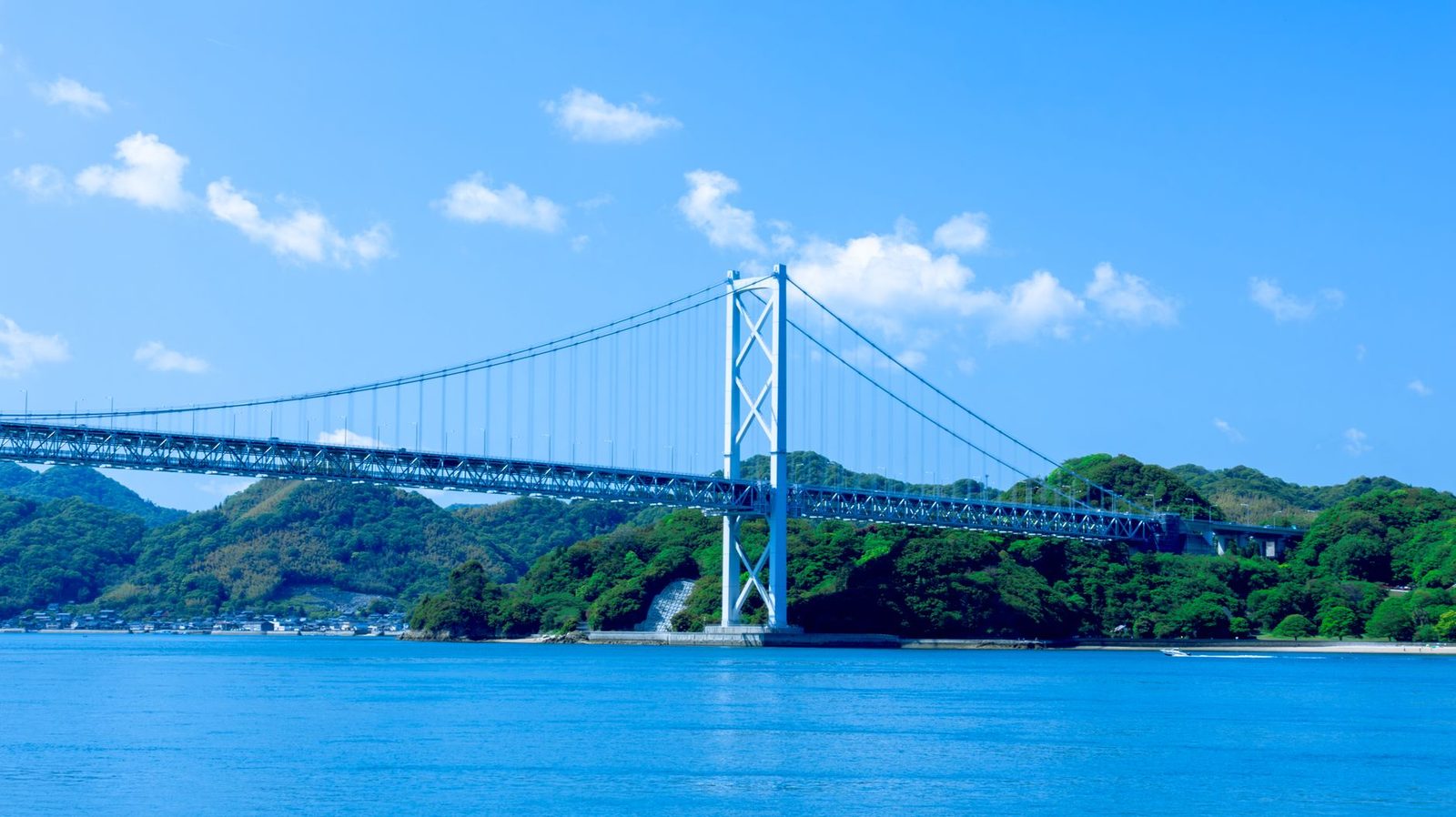
The route itself — roughly 43 miles (70 km) connecting Onomichi in Hiroshima Prefecture to Imabari in Ehime Prefecture across six islands and seven bridges — is as much the attraction as any single stop. Whether you're behind a steering wheel, on a bicycle saddle, or on a scooter, the roads hug coastlines, cut through citrus groves, and climb just enough to reward you with views that make the effort feel extremely worth it.
2. Top Spots You Shouldn't Skip
Shimanami Kaidō is lined with viewpoints ranging from classic tourist pull-offs to hidden lookouts only locals know. Here are the highlights:
Main observation deck: A 180-degree panorama over the Seto bridges and islands. Sunrise and sunset here are reliably the best in the region — arrive 20 minutes early for a good spot.
The tree-tunnel road: A centuries-old canopy of trees forms a natural green corridor. It's beautiful year-round, but otherworldly in cherry-blossom season (late March–early April) and during autumn foliage (mid-October–November).
The mirror-water viewpoint: A calm inlet or river stretch nearby reflects the bridges and islands like a massive natural mirror — the kind of symmetrical shot that breaks Instagram algorithms.
Summit panorama point: Hike or drive to the highest accessible point in the area for a true 360-degree view over the Hiroshima–Ehime island chain.
3. Best Time to Visit
Every season has something going for it here, but the sweet spots are April and October. Here's why:
- Weather is stable and comfortable — ideal for cycling or driving with the windows down
- Scenery peaks seasonally: spring cherry blossoms in April, fiery maple and ginkgo in October
- Golden-hour light is exceptional between 6–9 AM and 4–6 PM
- Crowds are manageable — busy enough to feel lively, not so packed that viewpoints become photo scrums
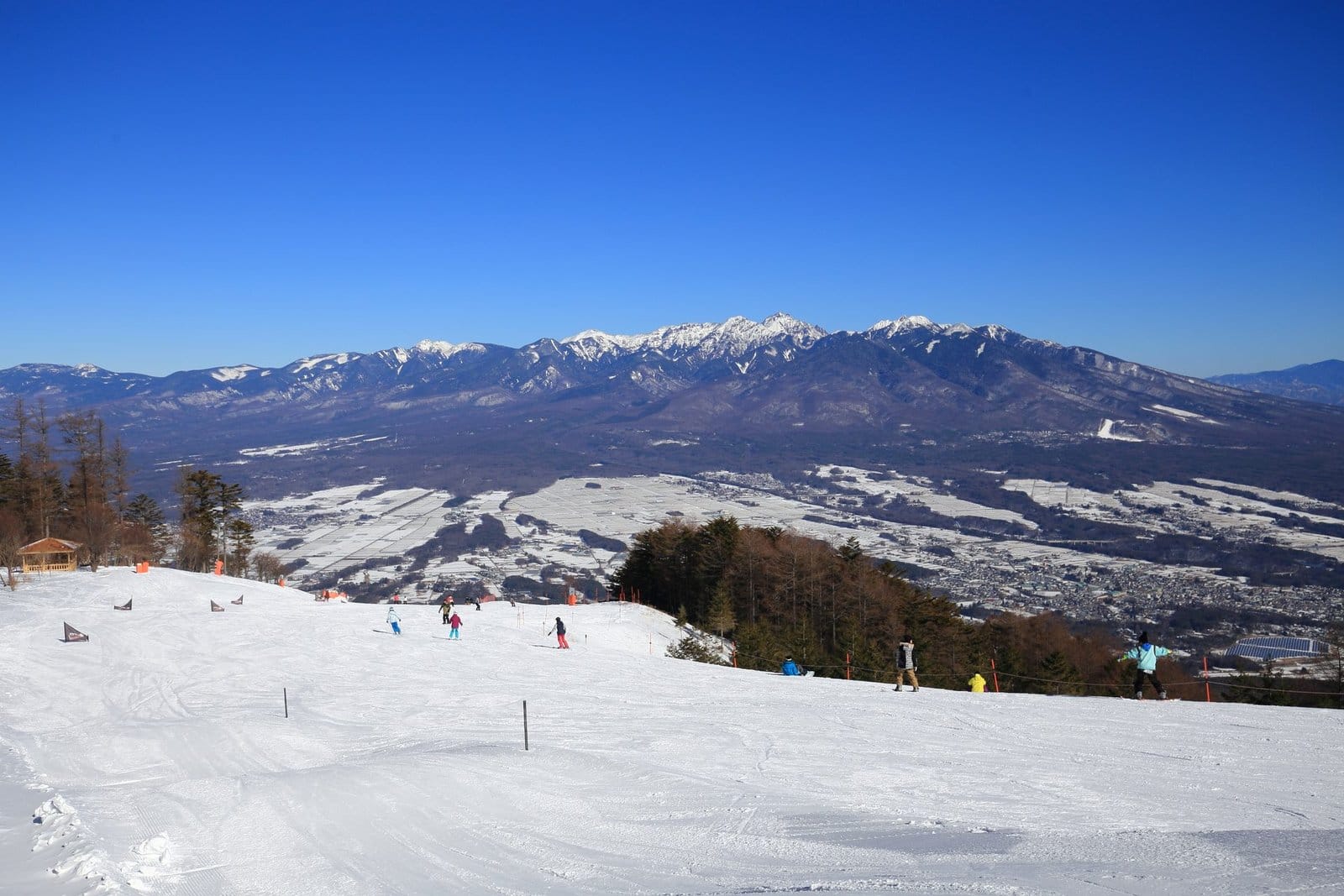
Visiting in winter? Pack layers and check road conditions — snow on the higher bridges is stunning but can be slippery. Spring and autumn remain the most reliable picks for first-timers.
4. The Best Way to Explore — Hit the Road on Your Own Schedule
The gold standard for experiencing Shimanami Kaidō is self-guided travel, whether by rental car, bicycle, or scooter. Public transport covers the main corridor, but you'll miss the detours: the tiny fishing village down a side road, the unplanned stop at a citrus farm stand, the bridge lookout with no one else on it.
Roads throughout the route are well-maintained, clearly signed (in romaji as well as Japanese), and dotted with rest areas (michi-no-eki) where you can grab local snacks and use clean facilities. Cycling lanes run the full length of the Kaidō, making it one of the most famous bike touring routes in all of Asia — no spandex required.
✨ Pro tip: Book a private car through OlaChill and explore Shimanami Kaidō entirely at your own pace — driver-guided or self-drive options available.
5. Sample 1–2 Day Itinerary
Day 1
- 6:00 AM — Arrive at the main observation deck for sunrise over the Seto Inland Sea
- 8:00 AM — Breakfast at a local café or family restaurant; look for Ehime's famous mikan (mandarin orange) dishes and fresh-caught seafood — think a proper sit-down meal, not a granola bar
- 9:30 AM — Drive or cycle the main scenic corridor, stopping at viewpoints along the way
- 12:00 PM — Lunch at a michi-no-eki rest stop or a roadside restaurant; grilled fish sets (~$10–13) are the local move
- 2:00 PM — Explore side attractions: a historic fishing village, a small waterfall, or one of the quieter island interiors
- 5:00 PM — Check in to your hotel or traditional ryokan
- 6:30 PM — Soak in the onsen (if your accommodation has one), then settle in for a multi-course kaiseki dinner
Day 2
- 7:00 AM — Early breakfast and an early start — beat the day-trippers
- 8:30 AM — Head down one of the lesser-known side routes or find that low-key viewpoint you bookmarked
- 11:00 AM — Golden-hour light is gone but the mirror-water reflections are still worth the stop
- 1:00 PM — Relaxed lunch, souvenirs, a final espresso
- 3:00 PM — Continue to your next destination or begin the return journey
6. Practical Travel Tips
- 📷 Shoot the golden hour: The 30 minutes before and after sunrise/sunset deliver the best light. Set an alarm.
- 🚗 Book ahead: During peak season (April, October), rental cars sell out fast — reserve at least 1–2 weeks in advance.
- ⛽ Fill up your tank: Gas stations are spaced out across the islands. Top up in Onomichi or Imabari before heading into the route proper.
- 📱 Download offline maps: Google Maps offline for the Hiroshima–Ehime region is a genuine lifesaver in areas with spotty cell coverage. Do it before you leave the city.
- 🍙 Stock up on snacks: 7-Eleven and FamilyMart are your best friends on a road trip anywhere in rural Japan — reliable, cheap, and surprisingly good.
- ☁️ Check the forecast: Especially critical in winter or during the rainy season (June). A foggy bridge view is atmospheric; a typhoon is not.