Riding the Shinkansen for the First Time
Your essential guide to Japan's Shinkansen. Learn booking, luggage, food, and insider tips for a smooth journey from India & Bangladesh.
Jul 10, 2026·✍️ olablog·⏱ 21 min read
Your essential guide to Japan's Shinkansen. Learn booking, luggage, food, and insider tips for a smooth journey from India & Bangladesh.
Japan's Shinkansen, often called the 'bullet train', is more than just a mode of transport; it's an experience in itself, whisking you across the archipelago at speeds up to 320 km/h. For first-time visitors from India and Bangladesh, navigating this marvel of engineering can seem daunting, but with a little preparation, it becomes one of the most memorable parts of your journey. A typical one-way adult fare from Tokyo to Kyoto, for instance, costs around ¥13,800 for a reserved seat, which is approximately ₹7,730. This guide will demystify the Shinkansen, ensuring your first ride is as smooth and enjoyable as the journey itself.
Understanding the Shinkansen Network & Ticket Types
Before you even step foot on a platform, it’s essential to grasp the basics of the Shinkansen network and the various ticket options available. Unlike the vast, often complex, booking systems many are familiar with in India or Bangladesh, Japan's Shinkansen system is incredibly efficient and generally punctual to the second. Think of it less like the sprawling, diverse routes of Indian Railways or Bangladesh Railway and more akin to a high-speed, dedicated expressway for trains, connecting major cities with remarkable precision.
The Shinkansen network is operated by various Japan Railways (JR) companies, each managing different lines. The most popular lines for tourists include the Tokaido Shinkansen (connecting Tokyo, Nagoya, Kyoto, and Shin-Osaka), the Sanyo Shinkansen (extending from Shin-Osaka to Hakata/Fukuoka), and the Tohoku Shinkansen (heading north from Tokyo). Each line has different train services, identified by names like 'Nozomi', 'Hikari', and 'Kodama' on the Tokaido/Sanyo lines, or 'Hayabusa', 'Hayate', and 'Yamabiko' on the Tohoku line. The key difference lies in their speed and the number of stops they make. 'Nozomi' and 'Hayabusa' are typically the fastest, making the fewest stops, while 'Kodama' and 'Yamabiko' are local services stopping at almost every station. For most inter-city travel, 'Hikari' services often strike a good balance between speed and frequency, especially if you're using a Japan Rail Pass (though we'll focus on individual tickets for this guide).
When purchasing a Shinkansen ticket, you'll generally encounter three main components: the basic fare ticket (乗車券, jōshaken), which covers the cost of travel between two stations, and the limited express surcharge ticket (特急券, tokkyūken), which is the premium for riding the high-speed Shinkansen. On top of these, you have options for seat classes:
- Ordinary Car (普通車, futsūsha): This is the standard class, offering comfortable 2x3 or 2x2 seating configurations, similar to premium economy or business class on some short-haul flights. Most travelers opt for this.
- Green Car (グリーン車, gurīnsha): Japan's equivalent of first class, offering more spacious 2x2 seating, wider seats, more legroom, and often additional amenities. It costs a premium, but can be worth it for longer journeys or if you seek extra comfort. For a Tokyo to Kyoto trip, a Green Car reserved seat might cost around ¥19,500 (~₹10,920), a significant jump from the ordinary car.
- Gran Class (グランクラス, gurankurasu): Available on some Tohoku and Hokuriku Shinkansen trains, Gran Class is ultra-luxury, offering reclining leather seats, meal and drink service, and dedicated attendants. It's significantly more expensive and a true splurge.
Understanding these components is crucial because, unlike a single-ticket system you might be used to, you're technically buying two (or more) tickets for one Shinkansen journey. This modular approach allows for flexibility, but can be confusing initially.
Booking Your Shinkansen Tickets: Reserved vs. Unreserved
Deciding between a reserved and an unreserved seat is one of the most important choices you'll make, especially for travelers from India and Bangladesh where train travel often involves a similar dynamic of 'general' vs. 'reserved' coaches. The Shinkansen, however, offers a far more structured approach.
Unreserved Seats (自由席, jiyūseki) Many Shinkansen trains have a few dedicated 'unreserved' cars, typically the first three cars on most services. These seats are available on a first-come, first-served basis. If you opt for an unreserved ticket, you simply find an empty seat in one of these cars.
- Pros:
- Flexibility: You don't need to commit to a specific train time. If you miss your planned train or arrive early, you can just hop on the next available service. This is great for spontaneous travel or when your itinerary is fluid.
- Cost Savings: Unreserved seats are slightly cheaper than reserved seats, typically saving you around ¥500-¥1000 (~₹280-₹560) per ticket, depending on the route.
- Cons:
- No Guaranteed Seat: During peak travel times (morning/evening rush hour, public holidays like Golden Week in May or Obon in August, or New Year's), unreserved cars can get very crowded, and you might have to stand for part or even all of your journey. This is particularly challenging if you have luggage.
- Less Comfortable: Standing can be tiring, especially after a long flight or if you're traveling with children or elderly companions.
- Limited Availability: Not all Shinkansen services have unreserved cars (e.g., the 'Hayabusa' on the Tohoku Shinkansen is fully reserved).
Reserved Seats (指定席, shiteiseki) With a reserved seat, you book a specific seat on a specific train at a specific time.
- Pros:
- Guaranteed Seat: Peace of mind knowing you have a seat, regardless of how crowded the train is. This is invaluable, especially during peak seasons or when traveling with family.
- Comfort: You can relax and enjoy the journey without worrying about finding a spot.
- Specific Preferences: You can often request window or aisle seats, and critically, specify the Mount Fuji side for scenic routes (more on this later).
- Cons:
- Less Flexibility: If you miss your train, your ticket becomes invalid, and you'll need to purchase a new one. Some tickets allow for one change before departure, but it's best to confirm.
- Slightly Higher Cost: As mentioned, a small premium for the guarantee.
Where and How to Book: For first-time travelers, especially those from India and Bangladesh who might be used to the convenience of online booking platforms like IRCTC, the options for Shinkansen tickets are varied:
Online (Official JR Websites): This is increasingly the most convenient method.
- JR-EAST Train Reservation System: For trains originating or traveling through Eastern Japan (Tokyo and north).
- JR-WEST Online Train Reservation: For trains in Western Japan (Kyoto, Osaka, Hiroshima, and west).
- Smart EX: A dedicated service for the Tokaido/Sanyo Shinkansen (Tokyo to Hakata). This is highly recommended for its English interface and ability to link credit cards. You can purchase tickets up to one month in advance.
- JR Central / JR Kyushu: Other regional JR companies also offer online booking. The process generally involves selecting your origin, destination, date, time, and seat preference, then paying by credit card. You'll receive a reservation number or QR code, which you then use to pick up your physical tickets at a JR station ticket machine or 'Midori-no-Madoguchi' (ticket office).
At JR Stations (Ticket Offices & Machines):
- Midori-no-Madoguchi (Green Window): These staffed ticket counters are available at all major JR stations. Look for the green sign. Staff can assist you in English, and you can pay with cash or credit card. This is ideal if you have complex itineraries or need assistance.
- Ticket Vending Machines: Most major stations have multi-lingual ticket machines where you can purchase both unreserved and reserved Shinkansen tickets. They are user-friendly once you get the hang of them, often resembling advanced versions of Delhi Metro ticket machines but for long-distance travel. You can select your route, train time, and seat type.
Recommendation for Indian & Bangladeshi Travelers: For peace of mind and comfort, especially if you're traveling during popular seasons or with family, always opt for reserved seats if your budget allows. The slight extra cost is a small price to pay for a guaranteed seat and a stress-free journey. If you are very flexible, have minimal luggage, and are traveling off-peak, unreserved can be an option, but be prepared for the possibility of standing. Booking online via Smart EX or other official JR sites is generally the most straightforward for pre-trip planning.
Decoding Luggage Rules & Oversized Baggage
This is a critical section for international travelers, particularly those from India and Bangladesh who often travel with substantial luggage. Japan's Shinkansen has specific, and relatively strict, rules regarding baggage, especially for larger items. Unlike some train journeys where you might place luggage in a dedicated compartment or simply bring it aboard, the Shinkansen has limited overhead space and no dedicated luggage vans.
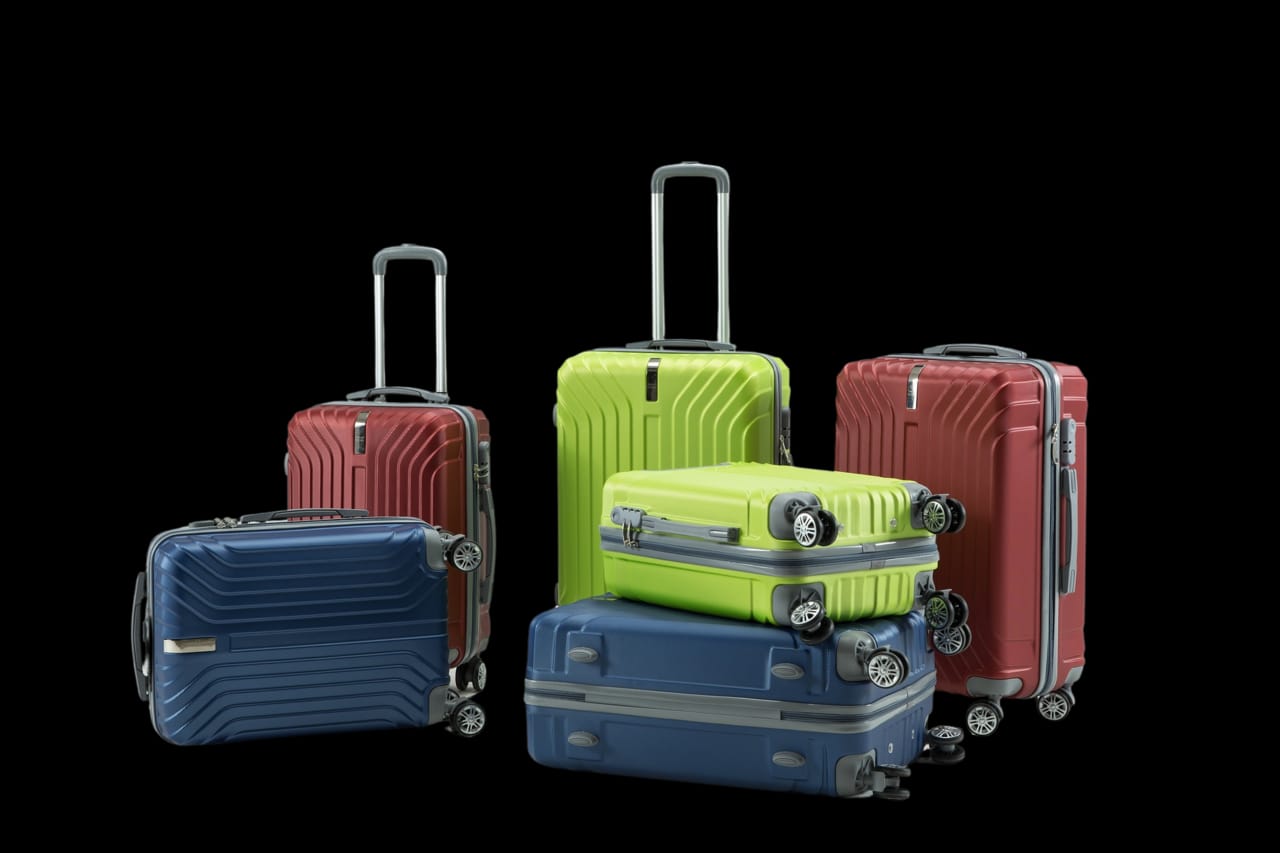
Standard Luggage: Each passenger is generally allowed to bring two pieces of luggage, plus a small personal item (like a handbag or backpack). The total dimensions (length + width + height) of each piece of luggage must not exceed 160 cm (approximately 63 inches). This is similar to the standard carry-on size for many airlines. These can typically be stored in the overhead racks above your seat, which are smaller than those on an airplane, or at your feet if they are small enough not to obstruct the aisle.
Oversized Baggage (特大荷物, tokudai nimotsu): This is where it gets important. Any piece of luggage with total dimensions exceeding 160 cm but less than 250 cm (approximately 98 inches) is classified as "oversized baggage." For these items, you must make a reservation for an "oversized baggage seat" (特大荷物スペースつき座席, tokudai nimotsu supēsu tsuki zaseki) in advance.
- How to Reserve: When booking your Shinkansen ticket, you'll need to explicitly select a seat with oversized baggage space. These seats are typically located at the very back of each car, where there is a small space behind the last row of seats, or sometimes in specific designated areas.
- Cost: There is no additional fee for reserving an oversized baggage space, but you must have a reservation for it.
- Penalty: If you bring oversized baggage without a reservation, you will be charged a penalty fee of ¥1,000 (~₹560) and will be required to store your luggage in the designated area if space is available, or potentially move to an unreserved car (if your ticket allows). In extreme cases, you might be denied boarding if there is absolutely no space.
- Exclusions: Items exceeding 250 cm in total dimensions are generally not allowed on the Shinkansen at all. Sports equipment like skis or surfboards might be exempt if they are in a case and measure up to 200 cm, but it's best to confirm with JR directly.
Why the Strict Rules? The Shinkansen is designed for speed and efficiency, with minimal boarding and alighting times. Large luggage can impede passenger flow, take up valuable space, and potentially be a safety hazard. This differs significantly from many trains in India or Bangladesh where luggage might be stored in large racks at the end of cars or even on overhead berths. The Japanese system prioritizes swift passenger movement.
Practical Advice for Indian & Bangladeshi Travelers:
- Measure Your Luggage: Before you even leave home, measure your largest suitcases. If any exceed 160 cm (L+W+H), plan to reserve an oversized baggage seat.
- Pack Smart: Consider using luggage forwarding services (like Yamato Transport, known as 'Takkyubin') to send larger suitcases directly from your airport arrival point to your hotel, or between hotels. This is a highly recommended and cost-effective option for many travelers, allowing you to travel light on the Shinkansen with just a backpack or small carry-on. Sending a large suitcase from Tokyo to Kyoto typically costs around ¥2,000-¥3,000 (~₹1,120-₹1,680) and takes one day. Plan accordingly.
- Book Early for Oversized Seats: Since there are limited oversized baggage seats per car, especially during peak seasons, book your Shinkansen tickets with this preference as soon as your travel dates are firm.
- Consider Smaller Bags: If possible, try to consolidate your belongings into smaller bags that fit the 160 cm rule.
Remember, the goal is a smooth, stress-free journey. Adhering to these rules will prevent any last-minute hassles on the platform.
Maximizing Your Journey: Mount Fuji Views & Eki-ben Culture
Your Shinkansen journey is not just about getting from point A to point B; it's an integral part of the Japanese travel experience. Two elements can significantly enhance this: securing a seat with a view of Mount Fuji and indulging in the unique culinary delight of eki-ben.
Chasing Mount Fuji Views: For many, catching a glimpse of the majestic Mount Fuji is a highlight of their Japan trip. If you're traveling on the Tokaido Shinkansen (the line connecting Tokyo, Nagoya, Kyoto, and Shin-Osaka), you have an excellent chance of seeing Fuji-san.
- Direction: When traveling from Tokyo towards Kyoto/Osaka (south-westbound), you'll want a window seat on the right side of the train. Conversely, if you're traveling from Kyoto/Osaka towards Tokyo (north-eastbound), you'll need a window seat on the left side.
- Seat Letter: On most Shinkansen trains, seats are lettered A, B, C, D, E. For the best Fuji view when heading from Tokyo to Kyoto, aim for a "E" seat. If going from Kyoto to Tokyo, aim for an "A" seat.
- Best Time: Visibility of Mount Fuji is highly dependent on the weather. Clear, crisp mornings (especially in autumn and winter) offer the best chances. In summer, clouds often obscure the peak. The best viewing point is generally between Shin-Fuji and Shizuoka stations, about 40-45 minutes after departing Tokyo.
- How to Request: When booking your reserved seat at a JR ticket counter (Midori-no-Madoguchi) or through some online systems, you can specifically request a "window seat on the Mt. Fuji side." If using a ticket machine, you might need to select a specific seat number from a seat map if available.
Embracing Eki-ben Culture: Eki-ben (駅弁) are elaborate bento boxes specifically sold at train stations and on some trains, designed for consumption during your journey. This is a cherished part of Japanese train travel, offering a diverse and delicious culinary experience. Unlike the simple snacks often available on Indian or Bangladeshi trains, eki-ben are miniature works of art, showcasing regional specialties and seasonal ingredients.
- Where to Buy: You'll find a huge selection of eki-ben at major Shinkansen stations, typically in dedicated kiosks on the platforms or within the station concourse before you pass through the ticket gates. Department store food halls (depachika) near stations are also excellent sources.
- Variety: Eki-ben come in countless varieties, from seafood to meat, vegetable-focused to rice-centric. Prices usually range from ¥800 to ¥2,000 (~₹450 to ₹1,120).
- Vegetarian & Halal Concerns (for Indian & Bangladeshi Travelers): This is a significant consideration.
- Vegetarian: Finding strictly vegetarian eki-ben (without dashi, fish stock, or hidden meat products) can be challenging. Many traditional Japanese dishes, even those appearing vegetarian, use dashi. Look for bento boxes explicitly labeled "vegetarian" (ベジタリアン, bejitarian) or "plant-based" (プラントベース, puranto bēsu). Some convenience stores (FamilyMart, 7-Eleven, Lawson) within or near stations offer simpler vegetarian options like onigiri (rice balls with vegetable fillings), salads, or bread. It's often safer to buy fresh fruits, nuts, or simple packaged snacks if you are very particular.
- Halal: Certified halal eki-ben are extremely rare, almost non-existent on the Shinkansen itself. Your best bet for halal food would be to purchase it from a certified halal restaurant in a major city before heading to the station, or to carry your own food. Convenience stores might have some packaged items that are inherently halal (e.g., certain types of bread, crisps), but cross-contamination is always a risk.
- Recommendation: For those with strict dietary requirements, it is highly recommended to pack your own food or purchase suitable options from supermarkets/convenience stores before boarding. Don't rely solely on finding appropriate eki-ben on the fly. Carrying some light snacks from India or Bangladesh is also a good idea.
Enjoying a beautifully prepared eki-ben while watching the Japanese countryside (and hopefully Mount Fuji!) whiz by is an quintessential Japanese experience that you shouldn't miss.
Navigating Shinkansen Stations: A Step-by-Step Guide
Shinkansen stations, particularly major hubs like Tokyo, Shin-Osaka, or Kyoto, can be vast and bustling, reminiscent of major metropolitan railway stations in Delhi or Dhaka, but with a different layout and operational rhythm. Here’s a step-by-step guide to ensure a smooth transition from street to seat.
Arriving at the Station:
- Timing: Aim to arrive at least 30-45 minutes before your Shinkansen's departure, especially if it's a large station like Tokyo Station. This gives you ample time to navigate, locate your platform, and perhaps grab an eki-ben.
- Finding the Shinkansen Entrance: Look for clear signs that say "Shinkansen" (新幹線). Major stations often have separate gates for Shinkansen lines versus local JR lines.
Using Ticket Gates:
- Two Tickets, One Slot: If you purchased your basic fare ticket and limited express surcharge ticket separately (common with JR Pass exchange), you'll often insert both tickets into the gate simultaneously. The gate will swallow them, stamp them, and return them on the other side. Don't forget to collect them! If you have a single combined ticket or are using a QR code (e.g., from Smart EX), follow the instructions on the gate.
- JR Pass Users: If you're using a physical Japan Rail Pass, you cannot use the automated gates. You must go through the manned gate (usually to the side of the automated gates) and show your pass to the attendant.
- Keep Your Tickets: Unlike local metro systems where tickets are consumed at the exit, you need to keep your Shinkansen tickets throughout your journey, as you'll use them again at your destination's ticket gates.
Locating Your Platform:
- Digital Signboards: Once through the ticket gates, look for large digital signboards. These will display train names, departure times, destinations, and most importantly, your platform number (番線, bansen). They are usually in Japanese and English.
- Platform Numbers: Shinkansen platforms are typically elevated and distinct from local train platforms. They are usually numbered consecutively.
On the Platform:
- Train Car Numbers: Once on the platform, look for overhead signs or floor markings indicating car numbers (号車, gōsha). Your ticket will specify your car number. Queue up at the designated spot for your car.
- Boarding Etiquette: Japanese queues are orderly. Wait behind the marked lines. Allow passengers to alight completely before attempting to board. The Shinkansen stops for a very short duration (often just 1-2 minutes), so be ready to board quickly but calmly.
- Finding Your Seat: Once aboard, quickly locate your seat number (座席番号, zaseki bangō). Overhead racks are for smaller bags. If you have an oversized baggage reservation, head to the space behind the last row of seats in your designated car.
During the Journey:
- Food & Drink: Feel free to eat your eki-ben or other snacks. Be mindful of others and dispose of trash in the designated bins at the end of each car.
- Quiet Carriages: While not as strict as some European trains, Japanese trains maintain a respectful quiet. Keep phone conversations brief and in a low voice, or step into the vestibule area.
- Toilets: Clean, Western-style toilets (and often Japanese-style ones) are available in almost every car. Some trains also have multi-purpose restrooms accessible for wheelchairs.
- Vending Machines: Some Shinkansen trains have vending machines for drinks and snacks, though these are becoming less common as station-based purchases are preferred.
Alighting at Your Destination:
- Prepare in Advance: As your train approaches your destination, the conductor will make an announcement (in Japanese and English). Start gathering your belongings a few minutes before arrival.
- Efficient Exit: Alight quickly and move away from the train doors to allow others to exit and to clear the platform for the next boarding passengers.
- Exit Gates: At your destination, you'll again pass through ticket gates. Insert your Shinkansen ticket(s). If you're transferring to a local JR line, there might be special transfer gates. If exiting the station completely, the gates will retain your tickets.
Navigating the Shinkansen system is a testament to Japan's efficiency. With a little awareness of these steps, you'll find it a remarkably smooth and pleasant experience, far less chaotic than many train stations in South Asia.
Sample Itinerary & Cost Breakdown: Tokyo to Kyoto
To give you a concrete idea, let's walk through a common Shinkansen journey: Tokyo to Kyoto. This is one of the most popular routes for tourists, connecting Japan's bustling capital with its cultural heart.
Journey Details:
- Route: Tokyo Station (東京駅) to Kyoto Station (京都駅)
- Shinkansen Line: Tokaido Shinkansen
- Distance: Approximately 513 km
- Duration:
- Nozomi: ~2 hours 20 minutes to 2 hours 40 minutes
- Hikari: ~2 hours 40 minutes to 3 hours
Typical Costs (as of 2026, subject to minor changes):
| Ticket Type (One-way, Adult) | Price in Yen (¥) | Approximate Price in Indian Rupees (₹) (at ~₹0.56/¥1) |
|---|---|---|
| Unreserved Seat (Jiyūseki) | ¥13,320 | ~₹7,460 |
| Reserved Seat (Shiteiseki) | ¥13,800 | ~₹7,730 |
| Green Car Seat | ¥19,500 | ~₹10,920 |
Note: These prices include both the basic fare and the limited express surcharge.
Scenario: A First-Time Traveler from India/Bangladesh
Let's imagine you're departing from Tokyo Station around 9:00 AM on a weekday, aiming for a comfortable and scenic journey to Kyoto.
Pre-Booking: You've decided to book a reserved seat (Shiteiseki) for peace of mind, and you want to ensure a Mount Fuji view. You used the Smart EX app or website a few weeks in advance. You specifically requested a "window seat on the E side" for your Tokyo to Kyoto journey. Total cost: ¥13,800 (~₹7,730). You've received a QR code or reservation number.
Morning of Travel:
- 7:45 AM: Arrive at Tokyo Station. If you need to pick up a physical ticket, head to a JR Ticket Office (Midori-no-Madoguchi) or a ticket machine. For Smart EX, you can directly use the QR code at designated gates or pick up from a machine.
- 8:00 AM: With your ticket in hand (or QR code ready), navigate to the Shinkansen gates. Pass through, keeping your ticket.
- 8:10 AM: Head to the platform for your specific Shinkansen train (e.g., Platform 15 or 16 for Tokaido Shinkansen).
- 8:15 AM: Purchase an eki-ben. You find a chicken karaage (fried chicken) bento and a vegetable onigiri from a convenience store inside the station, costing around ¥1,500 (~₹840). You also grab a bottle of green tea (¥150 / ~₹84).
- 8:30 AM: Locate your car number (e.g., Car 10) and wait at the marked spot on the platform.
- 8:45 AM: Your Shinkansen arrives. Wait for passengers to alight, then board swiftly. Find your "E" seat by the window. Stow your small bag in the overhead rack.
- 9:00 AM: The train departs exactly on time. Settle in, open your eki-ben, and enjoy the scenery.
- 9:40 AM - 10:00 AM: Keep an eye out for Mount Fuji on your right side, between Shin-Fuji and Shizuoka.
- 11:30 AM: The Shinkansen arrives at Kyoto Station.
- 11:35 AM: Alight, proceed through the Shinkansen exit gates, using your ticket again. You've successfully completed your first Shinkansen journey!
Consideration for Bangladeshi Taka: While the primary conversion here is to INR, these costs also provide a good benchmark for Bangladeshi travelers. As of mid-2026, ¥1 is approximately BDT 0.70-0.75. So, a ¥13,800 ticket would be roughly BDT 9,660 - BDT 10,350. The principle of the cost breakdown and booking advice remains the same.
This sample itinerary highlights the efficiency and comfort of Shinkansen travel when properly planned. The key is to understand the booking process, manage your luggage, and embrace the unique cultural aspects like eki-ben.
Common Mistakes to Avoid for First-Timers
Even with all the information, it's easy to make small errors that can cause stress or delays. Being aware of these common pitfalls can save you trouble, especially for travelers from India and Bangladesh navigating a new system.
Missing Your Reserved Train: Unlike local trains where a ticket might be valid for a few hours, a reserved Shinkansen ticket is only valid for the specific train and time printed on it. If you miss it, your ticket is generally forfeit, and you'll need to purchase a new one. Some JR Passes allow for changes, but individual tickets usually do not. Avoid this by arriving at the station well in advance.
Ignoring Luggage Rules: This is perhaps the biggest mistake international travelers make. Turning up with oversized luggage without a reservation can lead to penalties and delays.