

Sake for Beginners: How to Choose Your First Bottle and Drink It Japanese-Style
A beginner’s guide to sake: understanding junmai, ginjo, and daiginjo, choosing between hot and cold sake, tips for reading bottle labels, and using ochoko cups and masu the proper Japanese way.
Aug 8, 2026·✍️ olablog·⏱ 6 min read
A beginner’s guide to sake: understanding junmai, ginjo, and daiginjo, choosing between hot and cold sake, tips for reading bottle labels, and using ochoko cups and masu the proper Japanese way.
The first time they stand in front of a sake shelf at a store in Japan, many Vietnamese travelers share the same feeling: total overwhelm. Hundreds of bottles covered in kanji, prices ranging from a few hundred yen to several tens of thousands of yen, and no idea where to begin. In reality, the world of sake isn’t as complicated as it looks. Once you understand a few core concepts, you can confidently choose a bottle that suits your tastes and enjoy it the right way. This guide will take you from knowing nothing to savoring your first truly satisfying sip of sake.
What exactly is sake?
Sake, known in Japan as nihonshu, is a fermented alcoholic drink made from rice, water, koji mold, and yeast. Unlike distilled spirits, sake is closer to wine in how it is made: rice is milled to remove the outer layers, steamed, and then brewed with koji, which converts the starch into sugar before fermentation turns it into alcohol. Its alcohol content is usually 14–16%, a little higher than beer and wine but considerably lower than spirits.
One of sake’s most fascinating characteristics is the rice-polishing ratio, known as seimaibuai. The more thoroughly the rice is polished, the purer the remaining starchy core, and the more refined and fragrant the sake becomes. This is the key to understanding the sake categories below.
What’s the difference between junmai, ginjo, and daiginjo?
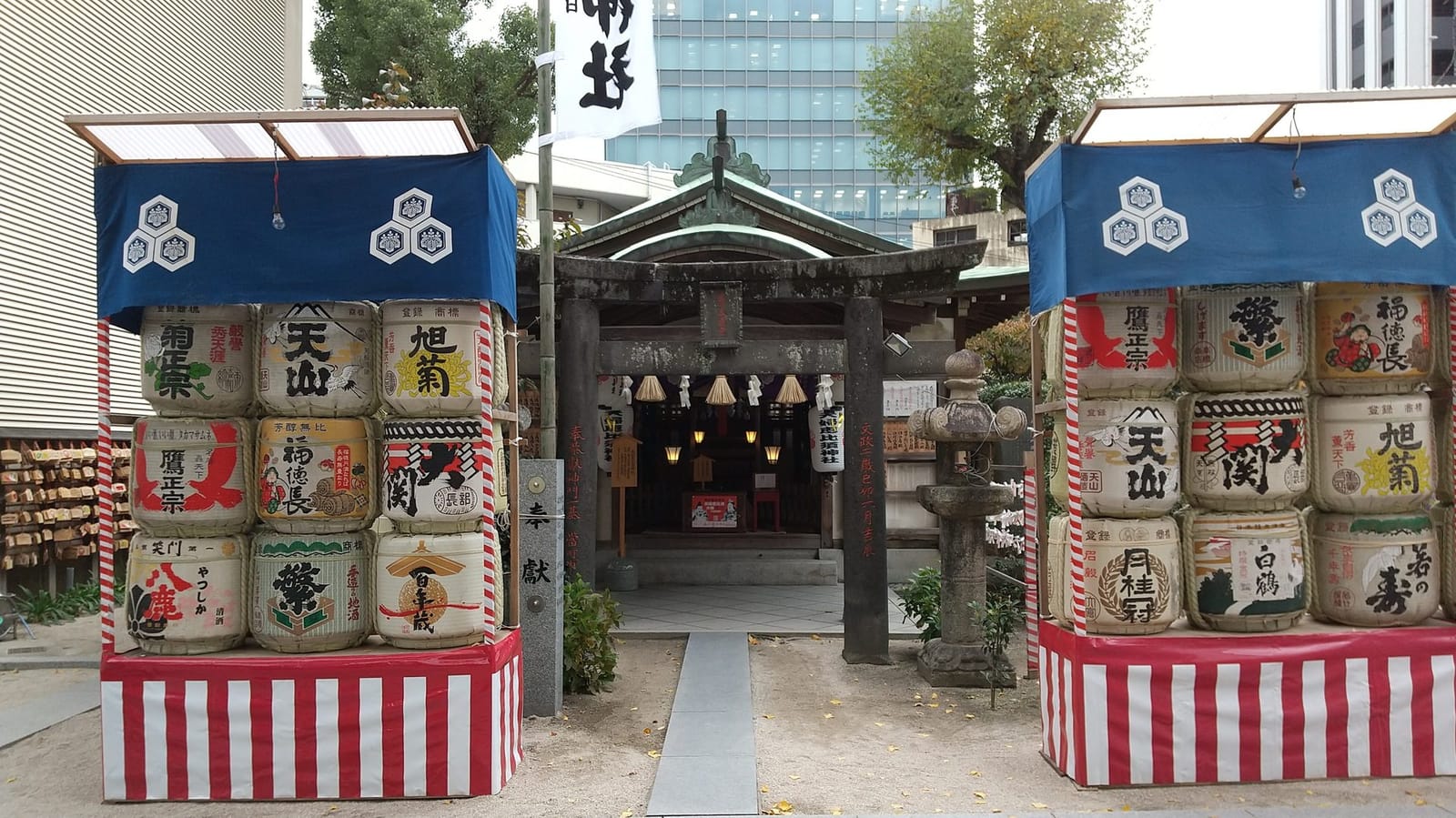
These three names appear on most bottle labels and are the most important indicators of classification:
Junmai means “pure rice,” referring to sake made only from rice, water, koji, and yeast, with no added distilled alcohol. It is typically full-bodied and rounded, with a distinct rice character. If you enjoy rustic, warm flavors, junmai is a safe choice.
Ginjo requires the rice to be polished down to no more than 60% of its original size. The result is a lighter, more elegant sake with delicate fruit aromas such as green apple, banana, and melon. If you see “junmai ginjo,” it means the sake is both pure-rice sake and meets the ginjo polishing standard.
Daiginjo is the highest grade, with rice polished down to no more than 50%; some bottles retain just 35% of the original grain. It has vivid aromas and a silky texture, and is usually served chilled to showcase its full range of fragrances. Naturally, it is also the most expensive, commonly costing a few thousand yen or more for a 720ml bottle.
Advice for beginners: start with a mid-range bottle of junmai ginjo, around 1,500–3,000 yen. It offers the ideal “balance” between aroma and drinkability.
Should you drink sake hot or cold?
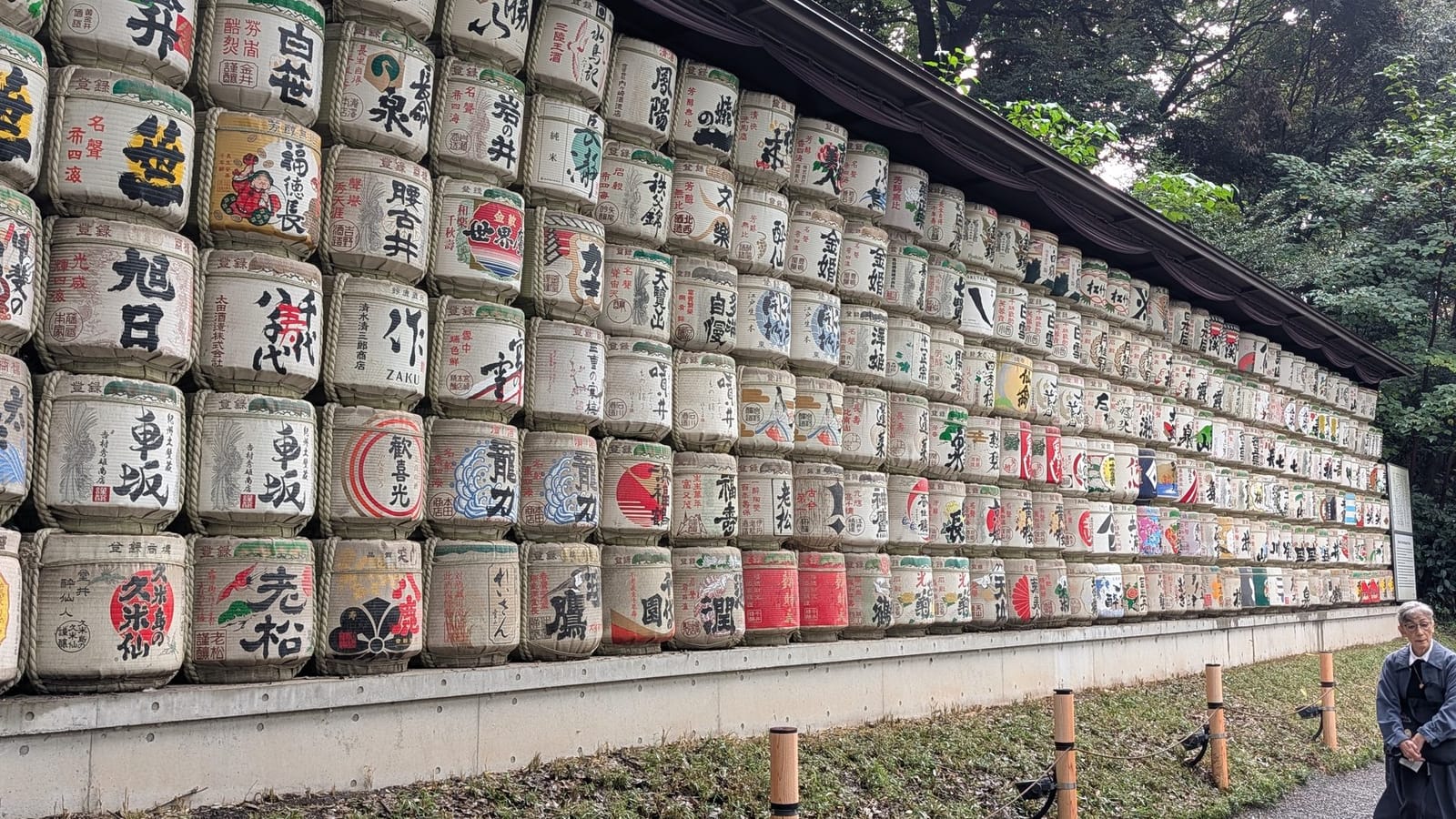
Many people assume sake must be heated, but serving temperature is actually quite flexible, and each temperature brings out a different experience.
Chilled sake (reishu, around 5–15°C) is well suited to ginjo and daiginjo, as the lower temperature preserves their delicate fruit aromas. Warm or hot sake (kanzake, around 40–50°C), on the other hand, works well with junmai and honjozo: the warmth brings out the rice’s umami and is especially comforting in winter. Japanese people even have poetic names for different temperature levels, such as hitohadakan—“as warm as human skin.”
A simple rule to remember: the more aromatic the sake, the better it is served chilled; the more pronounced its rice character, the better it handles heat. Never heat an expensive daiginjo—the precious aromas will disappear.
How to read a bottle label without being fluent in Japanese
Sake labels may look confusing, but you only need to check a few details:
- Classification: look for the terms junmai (純米), ginjo (吟醸), and daiginjo (大吟醸) described above.
- Nihonshudo: the scale for dry to sweet. A positive (+) number means dry (karakuchi), while a negative (−) number means sweet (amakuchi). Beginners often enjoy levels from −2 to +3.
- Seimaibuai: the percentage of rice remaining after polishing. The smaller the number, the more refined the sake.
- Bottling date: sake is best when fresh, so prioritize bottles that were bottled within the past year.
- Nama (生): unpasteurized sake, with a fresh, vibrant flavor that must be kept refrigerated.
With just these five points, you can understand 80% of the important information on almost any sake bottle.
Ochoko, masu, and table etiquette
Sake is often poured from a large ceramic flask called a tokkuri into a small cup known as an ochoko. The small cup isn’t meant to limit how much you drink; it helps keep the sake at the proper temperature and gives everyone a chance to pour for one another—an especially Japanese custom. When someone pours for you, hold the cup with both hands. When you notice your companion’s cup getting low, take the initiative and refill it. Pouring your own drink is considered slightly lacking in finesse at a formal gathering.
A masu is a traditional square wooden box, originally used for measuring rice. Today, many bars place a glass of sake inside a masu and deliberately fill it until it overflows—a gesture known as mokkiri that conveys generosity. Simply lean down and take the first sip while the glass is still in place to avoid spilling, then lift the glass; you can pour the sake that overflowed into the wooden box back into the glass and continue drinking. The subtle cedar aroma from the masu is also part of the experience.
When raising their glasses, Japanese people say “kanpai!”—a toast. But don’t take it literally as “down it”: sake is meant to be sipped slowly with food, not consumed as quickly as possible.
Begin your sake journey
Sake is a gateway into the depths of Japanese culture: from the rice and water to the hands of the master brewer, toji, every element tells its own story. Your first bottle may not be a perfect match for your palate, but that is part of the fun of exploring. If you want to take things further, try visiting a traditional sake brewery or a tasting counter in Kyoto or Kobe during a journey of discovery through Japan with OlaChill, where you can taste sake right at its source.
Finally, here is one important reminder: Japanese law requires you to be 20 years old to drink alcohol. Drink responsibly, take your time, eat plenty of food, and never drive after drinking. Kanpai!
More from this region — Other
View all →
Sake and Cuisine: Basic Pairing Techniques
9 min · food
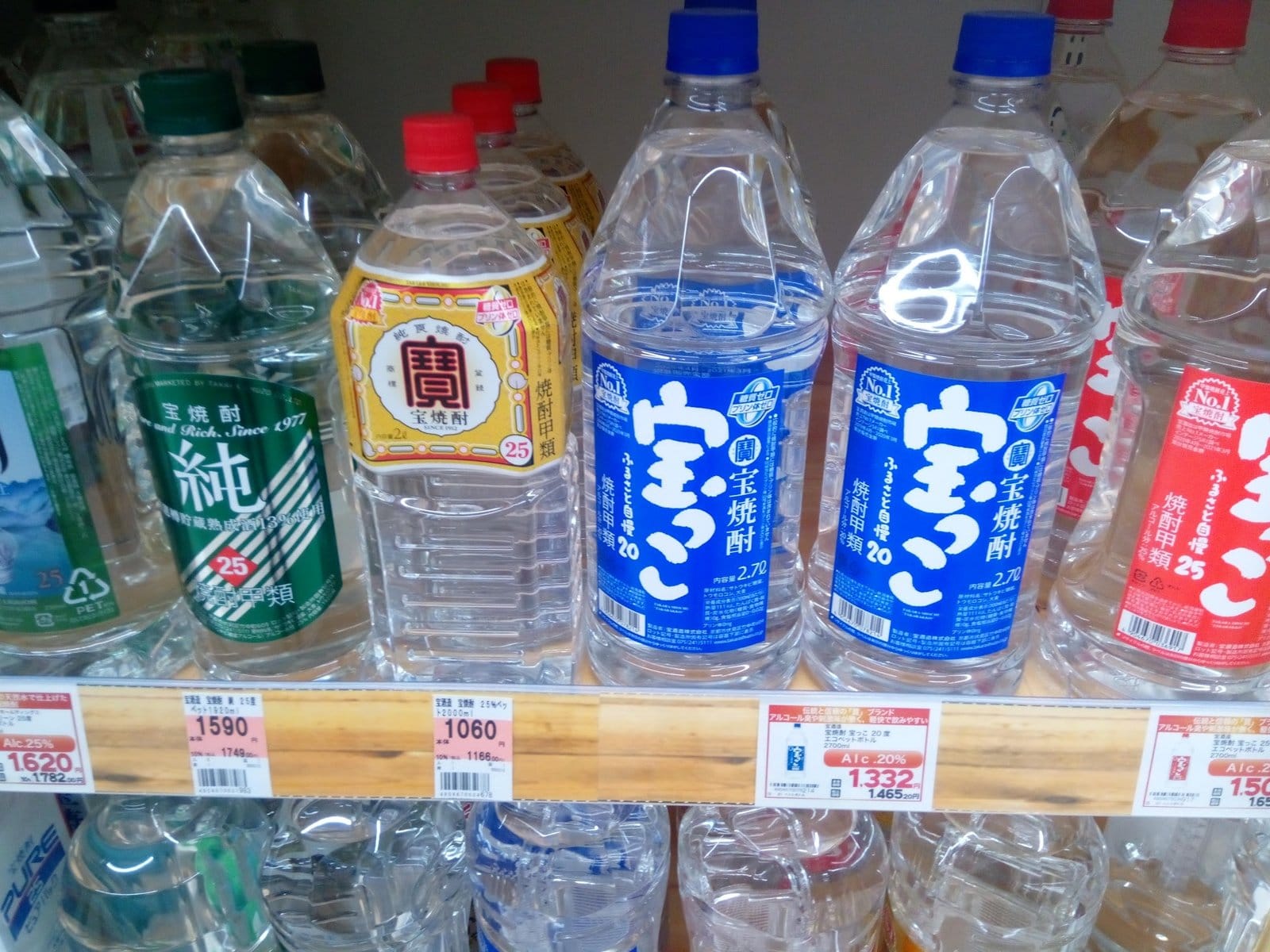
What’s the Difference Between Sake, Shochu, Umeshu, and Highballs? A Beginner’s Map to Japanese Drinks
6 min · food
School Excursion Buses in Japan: Safety, Comfort and Planning
8 min · tips
How to See a Doctor in Japan – A Practical Guide for English Speakers
3 min · tips