Osaka: Japan's Street-Food Capital Through South Asian Eyes
Planning a Japan trip from India or Bangladesh? Discover Osaka's vibrant street food, cultural gems, and practical tips for a memorable first or second visit.
Jul 10, 2026·✍️ olablog·⏱ 21 min read
Planning a Japan trip from India or Bangladesh? Discover Osaka's vibrant street food, cultural gems, and practical tips for a memorable first or second visit.
Tap a region to browse articles
Osaka, often overshadowed by the serene temples of Kyoto or the futuristic sprawl of Tokyo, offers a distinct, down-to-earth charm that resonates deeply with travelers from India and Bangladesh. Known as Japan's kitchen, this bustling metropolis invites you to dive headfirst into its legendary street food scene, where a hearty meal can cost as little as ¥500 (approx. ₹280) and leave you planning your next culinary adventure.
Dotonbori: A Symphony for the Senses, South Asian Style
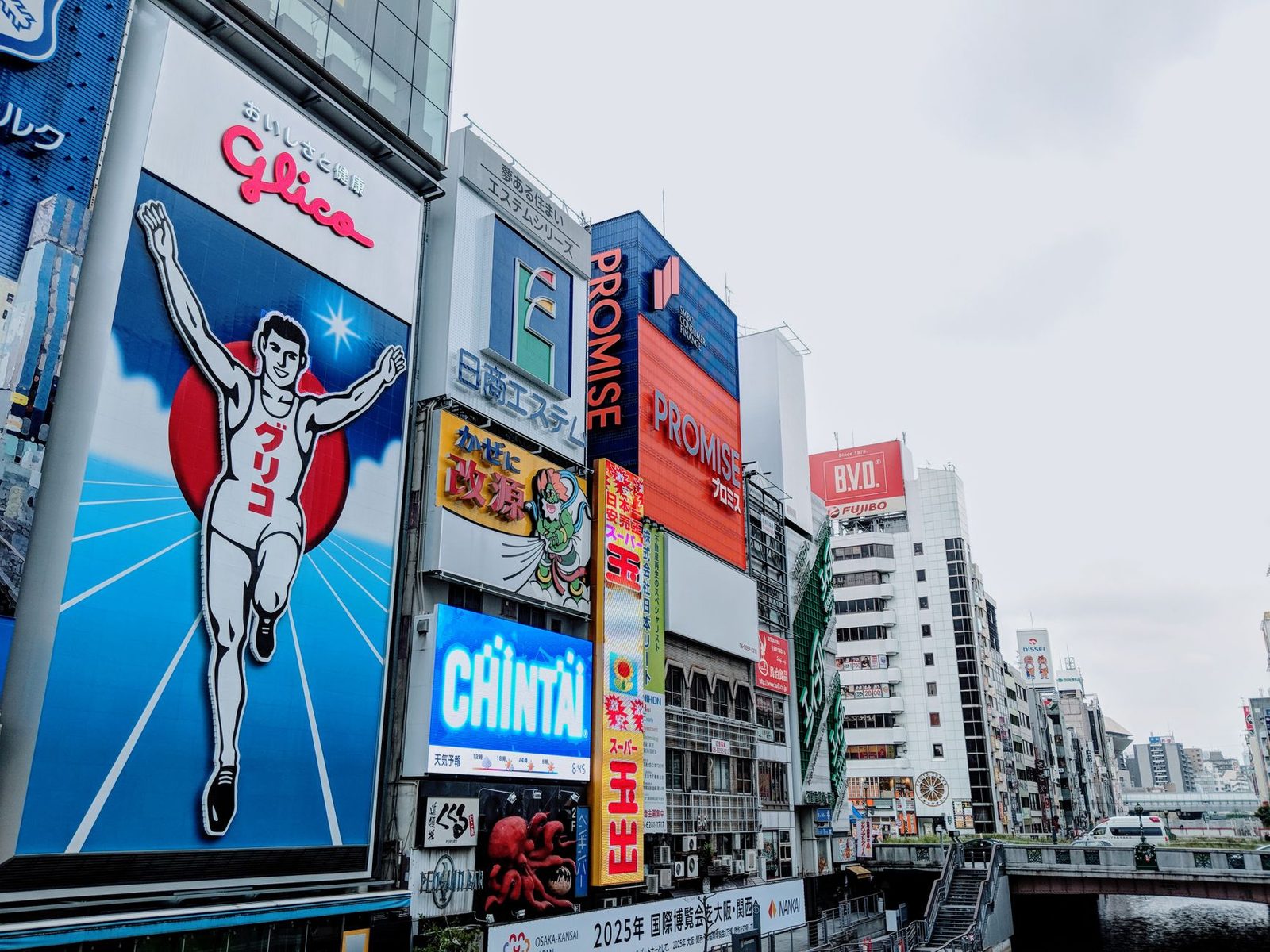
Stepping into Dotonbori is an experience akin to walking through a grand festival on a bustling street, but with a uniquely Japanese rhythm. Imagine the vibrant chaos of Chandni Chowk or New Market, but replace the auto-rickshaws with orderly crowds and the aroma of spices with sizzling takoyaki. Giant, animated signboards — a colossal crab, a massive pufferfish, the iconic Glico Running Man — vie for your attention, painting the night sky with neon. This isn't just a place; it's a sensory overload, in the best possible way. The sheer energy is palpable, a constant hum of chatter, laughter, and the enticing sizzle from countless food stalls.
For many first-time visitors from South Asia, Dotonbori can feel both exhilarating and a little overwhelming. The crowds are dense, especially in the evenings, but unlike some crowded markets, there's a flow, an unspoken understanding of movement. You'll find yourself swept along, eyes wide with wonder at every turn. While the initial impression might be one of delightful disorder, a closer look reveals an underlying efficiency. Food vendors operate with precision, queues move quickly, and despite the volume, the area remains remarkably clean. This organized chaos is a hallmark of Japan, and Dotonbori showcases it beautifully.
The highlight, undoubtedly, is the food. Dotonbori is the birthplace of many Osakan delicacies, and sampling them here is non-negotiable. Even if you're not a big spender, you can easily enjoy a satisfying meal for under ¥1000 (approx. ₹560). Consider grabbing a serving of takoyaki (octopus balls) from one of the many stalls – a classic for around ¥600-800 (approx. ₹336-448). While traditionally non-vegetarian, the experience of watching them being made, flipped with incredible speed by skilled vendors, is part of the allure. For those seeking vegetarian options, finding readily available street food in Dotonbori can be a challenge but is not impossible. Many stalls specialize in one or two items, and cross-contamination for deep-fried goods like tempura is common. However, some larger restaurants in the area offer more diverse menus where you might find dedicated vegetarian dishes. The key is to look beyond the immediate street food stalls for full-service restaurants.
Beyond the food, Dotonbori is also a hub for entertainment. Don Quijote, a multi-story discount store, is a spectacle in itself, offering everything from snacks and souvenirs to cosmetics and quirky gadgets. You can also take a canal cruise along the Dotonbori River, offering a different perspective of the illuminated billboards and lively atmosphere. These cruises typically last around 20 minutes and cost about ¥1,200 (approx. ₹672). While the initial hustle might remind you of a bustling Indian or Bangladeshi bazaar, Dotonbori’s unique blend of culinary excellence, vibrant advertising, and orderly crowds offers a fresh, unforgettable take on urban excitement.
Navigating Osaka's Culinary Delights: Kushikatsu, Okonomiyaki, and Vegetarian Realities
Osaka's reputation as Japan's kitchen is built on its hearty, flavorful, and often fried, comfort food. Two pillars of this culinary landscape are Kushikatsu and Okonomiyaki, dishes that embody the city’s unpretentious and satisfying approach to gastronomy. For South Asian travelers, especially those with dietary restrictions, understanding these dishes and how to navigate them is crucial.
Kushikatsu: The Skewered Delights
Kushikatsu are deep-fried skewers of various ingredients – meat, seafood, and vegetables – coated in panko breadcrumbs. They are served with a communal dipping sauce, which you are meant to dip into only once to maintain hygiene. The experience of sitting at a kushikatsu counter, ordering skewers one by one, and enjoying them fresh from the fryer, is quintessentially Osakan. A typical kushikatsu meal can range from ¥1,500 to ¥3,000 (approx. ₹840 to ₹1,680), depending on how many skewers you devour.
- Vegetarian Concerns: This is where it gets tricky. While many kushikatsu restaurants offer vegetable skewers like lotus root (renkon), shiitake mushrooms, eggplant (nasu), onions, and bell peppers, the primary concern for vegetarians is the shared fryer oil. In almost all kushikatsu establishments, both meat and vegetable skewers are fried in the same oil. This means that even if the individual skewer is vegetarian, it will have come into contact with residual meat products. For strict vegetarians or those adhering to specific halal dietary rules, this presents a significant challenge. Some restaurants might have separate fryers, but this is rare and needs to be explicitly confirmed.
- Recommendation: If cross-contamination is a deal-breaker, it's best to enjoy the atmosphere but opt for other dining experiences. If you're a lacto-vegetarian and less strict about shared oil, you can enjoy the vegetable options. Always ask for "niku nashi" (no meat) or "yasai dake" (vegetables only) and understand the shared fryer issue.
Okonomiyaki: The Savory Pancake
Okonomiyaki, often called a "savory pancake," is a hearty dish made from flour, eggs, and shredded cabbage, mixed with various ingredients and grilled on a teppan (iron griddle). It's topped with a special okonomiyaki sauce, mayonnaise, katsuobushi (bonito flakes), and aosa (dried seaweed). The name translates to "what you like, grilled," giving a hint to its customizable nature. A single okonomiyaki can cost ¥800 to ¥1,500 (approx. ₹448 to ₹840) and is often filling enough for a meal.
- Vegetarian Concerns: Okonomiyaki offers more promising vegetarian options. While the standard mix often includes pork belly (buta), you can usually request "niku nashi" (no meat) or "buta nashi" (no pork). Many places offer "yasai okonomiyaki" (vegetable okonomiyaki) with corn, mushrooms, and other vegetables. The main concern here is the dashi (broth) used in the batter, which almost always contains katsuobushi (dried bonito flakes) for umami. Katsuobushi is a fish product. If you're not strict about dashi, a "yasai okonomiyaki" without pork can be a good option. If dashi is a concern, you must explicitly ask if the batter is made without fish stock ("dashi nashi" or "katsuobushi nashi"). Some tourist-friendly establishments might be able to accommodate, but it's not guaranteed.
- Halal Concerns: For halal diets, the issue extends beyond meat to include pork products and alcohol. Okonomiyaki sauce often contains small amounts of alcohol, and katsuobushi is not halal. Finding genuinely halal-certified okonomiyaki is extremely difficult.
General Tips for Vegetarians/Halal Travelers in Osaka:
- Learn Key Phrases:
- "Niku nashi" (meatless)
- "Buta nashi" (porkless)
- "Gyū nashi" (beefless)
- "Sakana nashi" (fishless)
- "Tamago nashi" (eggless)
- "Dashi nashi" (no fish broth)
- "Katsuo nashi" (no bonito flakes)
- "Yasai dake" (vegetables only)
- "Are wa bejitarian desu ka?" (Is this vegetarian?)
- "Halal desu ka?" (Is this halal?) – though most places will not understand or be able to certify.
- Look for Dedicated Restaurants: Use apps like HappyCow or Google Maps with "vegetarian" or "vegan" filters. Osaka has a growing number of vegetarian/vegan-friendly restaurants, especially in areas like Umeda and Namba.
- Department Store Food Basements (Depachika): These are treasure troves of prepared foods. You can often find beautifully presented salads, sushi rolls (look for cucumber, avocado, or pickled radish rolls), and cooked vegetable dishes. Ingredients are usually listed, making it easier to identify suitable options. Prices can vary but you can assemble a good meal for ¥800-1500 (approx. ₹448-840).
- Convenience Stores (Konbini): 7-Eleven, FamilyMart, and Lawson are ubiquitous. They offer a range of onigiri (rice balls, look for umeboshi-pickled plum or kombu-seaweed), salads, bread, and sometimes even pre-packaged vegetable curries (check ingredients carefully). A quick meal here might cost ¥300-700 (approx. ₹168-392).
- Indian/Nepalese Restaurants: Osaka, like most major Japanese cities, has a good number of Indian and Nepalese restaurants offering authentic vegetarian and sometimes halal options. These can be a comforting fallback when local options are challenging.
Universal Studios Japan: Beyond Bollywood Parks
Universal Studios Japan (USJ) is a world-class theme park that rivals its counterparts globally, offering thrilling rides, immersive worlds, and spectacular shows. For a family or group from India or Bangladesh, it's a day of pure escapism, a stark contrast to the cultural immersion of temples and historical sites. Think of it as a meticulously crafted fantasy land, similar in concept to some of the larger amusement parks you might find in India, but with an unparalleled level of detail and technological sophistication.
Planning Your USJ Adventure:
Tickets & Passes:
- Studio Pass: This is your basic entry ticket. Prices vary by date (peak season is more expensive). Expect to pay ¥8,600-¥10,400 (approx. ₹4,816-₹5,824) for adults. For children (4-11 years), it's ¥5,600-¥6,800 (approx. ₹3,136-₹3,808).
- Universal Express Pass: This is highly recommended, especially if you visit on a weekend or during Japanese holidays. It allows you to skip lines for popular attractions. There are various Express Pass options (e.g., Express Pass 4, Express Pass 7) covering different rides. These start from around ¥6,800 (approx. ₹3,808) and can go up to ¥25,000 (approx. ₹14,000) or more depending on the day and type. Mistake to Avoid: Underestimating queue times. Without an Express Pass, you could spend hours waiting for popular rides like Mario Kart or Harry Potter and the Forbidden Journey. Book these well in advance.
- Where to Buy: Purchase tickets online directly from the official USJ website or through authorized travel agencies like Klook or Voyagin. Booking several weeks to months ahead is crucial, especially for Express Passes, as they sell out. Print your e-tickets or have them ready on your phone for direct entry.
Key Attractions & Worlds:
- Super Nintendo World: This is a must-visit. Entry to this land often requires a "timed entry ticket" which you can obtain via the USJ app once you're inside the park or sometimes pre-book with certain Express Passes. Ride Mario Kart: Koopa's Challenge and Yoshi's Adventure. Get a Power-Up Band (around ¥3,800 or ₹2,128) to collect coins and interact with the world – it's like a real-life video game!
- The Wizarding World of Harry Potter: Another extremely popular area. Fly high on Harry Potter and the Forbidden Journey and explore Hogsmeade. Don't forget to try Butterbeer (non-alcoholic, around ¥700 or ₹392).
- Hollywood Dream – The Ride: A thrilling rollercoaster with customizable music.
- The Amazing Adventures of Spider-Man: The Ride 4K3D: A classic dark ride.
- Minion Park: Fun for younger visitors and Minion fans.
Sample Day at USJ (with Express Pass):
- 8:00 AM: Arrive at the park gates well before opening (usually 9:00 AM, but can open earlier on busy days).
- 9:00 AM: Enter the park. If you have an Express Pass with a timed entry to Super Nintendo World, head there directly or to the next biggest attraction. If not, immediately try to get a timed entry ticket for Super Nintendo World via the app.
- 9:30 AM - 1:00 PM: Explore Super Nintendo World, ride Mario Kart, take photos.
- 1:00 PM - 2:00 PM: Lunch. Options range from quick-service counters to themed restaurants. Expect to pay ¥1,500-¥3,000 (approx. ₹840-₹1,680) per person.
- 2:00 PM - 5:00 PM: Head to The Wizarding World of Harry Potter. Ride the Forbidden Journey, perhaps the Hippogriff ride, and soak in the atmosphere.
- 5:00 PM - 7:00 PM: Explore other zones like Minion Park or Hollywood. Use your remaining Express Pass rides.
- Evening: Catch the parades or evening shows if available.
Food at USJ (Vegetarian/Halal):
- Finding strictly vegetarian or halal food inside USJ can be challenging. Most eateries cater to general tastes.
- Vegetarian: Your best bet is to look for side dishes like french fries, popcorn, or simple salads. Some stalls might offer plain rice. Carry some energy bars or snacks from outside if you have strict dietary needs. The Super Nintendo World often has mushroom-themed snacks which might be vegetarian, but always check ingredients.
- Halal: USJ does not widely advertise halal options. Your safest bet is to bring your own pre-packed snacks or consume a substantial meal before entering the park.
Transportation: USJ is easily accessible by train. From Osaka Station (Umeda), take the JR Osaka Loop Line to Nishikujo Station, then transfer to the JR Yumesaki Line (Sakurajima Line) to Universal City Station. The journey takes about 15-20 minutes and costs around ¥180 (approx. ₹100). The train system in Japan, especially JR, is incredibly efficient, much like a well-oiled Delhi Metro, but with wider reach across regions.
Kuromon Ichiba Market: Osaka's Kitchen Pantry
Often referred to as "Osaka's Kitchen," Kuromon Ichiba Market is a vibrant, covered shopping street that has been feeding the city for over a century. Unlike the tourist-focused spectacle of Dotonbori, Kuromon offers a more authentic glimpse into Osaka's daily culinary life. For South Asian visitors, walking through Kuromon can evoke memories of bustling local markets – the fresh produce, the enthusiastic vendors, the sheer variety of goods – but with a distinctly Japanese flair for immaculate presentation and specialized offerings.
The market stretches for about 600 meters, housing around 150 shops selling everything from fresh seafood and meat to fruits, vegetables, and traditional Japanese sweets. It's a place where chefs from Osaka's restaurants come to source their ingredients, and locals shop for their daily meals. While it has become increasingly popular with tourists in recent years, it retains its genuine charm.
What to See and Eat:
- Seafood Extravaganza: This is the undisputed star of Kuromon. You'll find tanks brimming with live crab, shrimp, and various fish. Many stalls offer freshly prepared seafood for immediate consumption. Think grilled scallops (hotate) for around ¥500-1000 (approx. ₹280-560), fresh oysters, or even luxurious uni (sea urchin) for ¥1500-3000 (approx. ₹840-1680) per serving. While perhaps not familiar to every South Asian palate, the freshness and quality are undeniable.
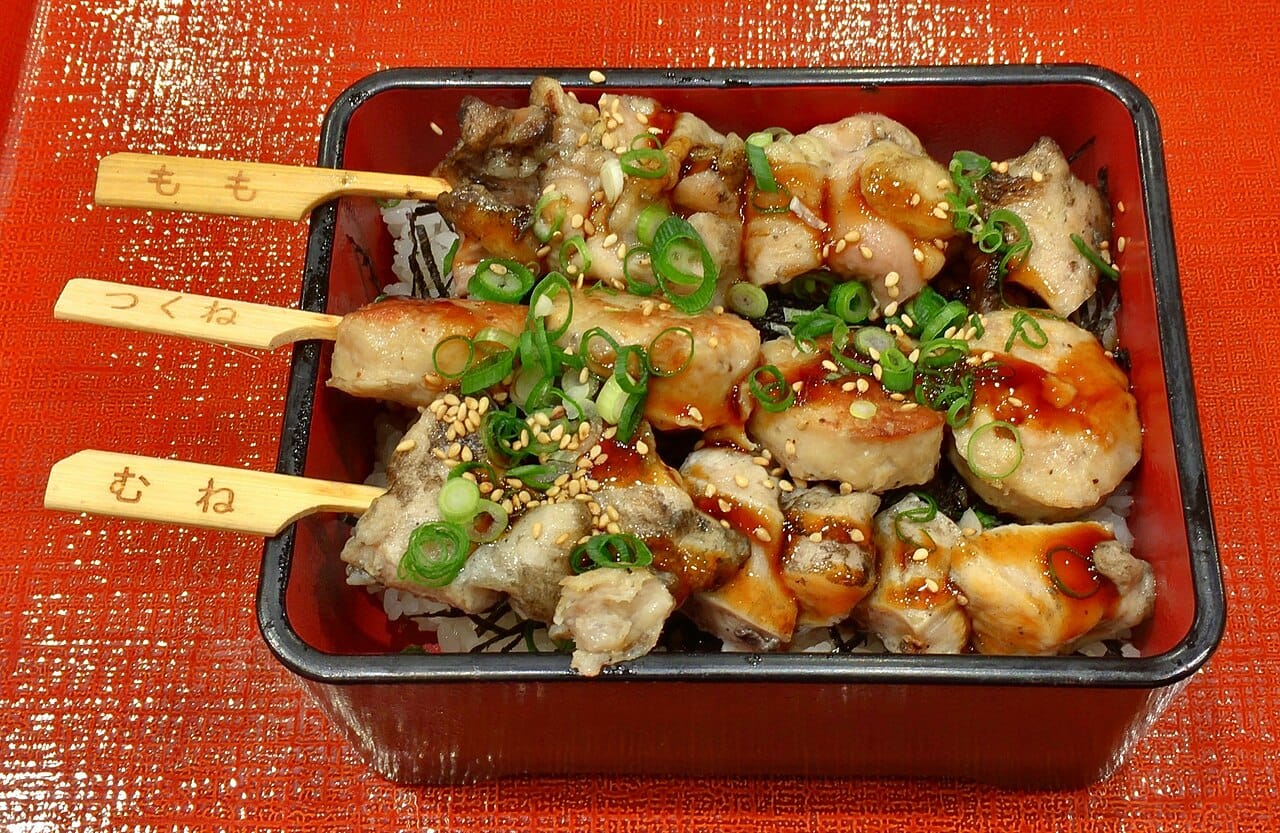
- Street Food Stalls: Beyond raw ingredients, Kuromon is a fantastic place for street food. You can find takoyaki, kushikatsu (again, be mindful of vegetarian concerns regarding shared fryers), and various grilled items. Look out for stalls selling freshly grilled unagi (eel), a Japanese delicacy, often served on a stick or over rice.
- Fruits and Vegetables: The produce stalls are a visual treat. Expect perfectly arranged displays of seasonal fruits, including incredibly sweet Japanese melons (which can be very expensive, sometimes ¥5000+ or ₹2800 for a single melon) and giant strawberries. While these might seem pricey compared to your local sabzi mandi, the quality is often exceptional.
- Japanese Snacks and Sweets: Explore mochi, senbei (rice crackers), and various traditional sweets. Many shops offer free samples, allowing you to taste before you buy.
- Cafes and Restaurants: Interspersed among the stalls are small cafes and restaurants serving ramen, sushi, and other Japanese dishes. These can be good spots for a sit-down meal.
Vegetarian & Halal Navigation at Kuromon:
- Vegetarian: Finding strictly vegetarian street food can be a challenge. While you'll see plenty of fresh vegetables, most prepared items involve meat or fish stock. Your best bet is to purchase fresh fruits or look for specific stalls selling items like grilled corn on the cob (confirm no butter or sauces with animal products). Some vendors might offer a simple grilled potato or sweet potato. Packaged snacks like senbei (rice crackers, check ingredients for fish/meat extracts) or dango (sweet rice dumplings) are safer options.
- Halal: Kuromon market is predominantly a fresh food market, not a place with certified halal eateries. The seafood is generally acceptable, but cross-contamination in prepared foods is a major issue. It's advisable to stick to fresh, uncooked fruits and packaged snacks where ingredients can be verified.
Tips for Visiting:
- Best Time: Morning to early afternoon (9 AM to 2 PM) is ideal when the market is bustling with activity and all stalls are open.
- Location: Kuromon Market is conveniently located in the Minami area, a short walk from Nippombashi Station (Sennichimae Line, Sakaisuji Line) or Namba Station.
- Budget: You can easily spend ¥1,500-3,000 (approx. ₹840-1,680) per person sampling various street foods and snacks.
Kuromon offers a different facet of Osaka's food culture – one rooted in tradition and fresh ingredients. It's a fantastic place to observe local life, try unique Japanese produce, and perhaps grab a memorable (if carefully selected) snack.
Why Osaka People Feel Familiar: Connecting Across Cultures
One of the most surprising and delightful aspects of visiting Osaka, especially for travelers from India and Bangladesh, is the unexpected sense of familiarity with its people and culture. While the language and immediate customs are different, there's an underlying spirit in Osaka that often resonates deeply, creating a comforting bridge between worlds. It's not the solemn reverence of Kyoto or the futuristic anonymity of Tokyo; Osaka has a distinct personality, one that feels more approachable, more grounded, and dare we say, more "South Asian" in its warmth and directness.
Firstly, Osakans are known for their straightforwardness and humor. Unlike the often more reserved demeanor found in other parts of Japan, Osakans are typically more outgoing, boisterous, and quick to laugh. They appreciate a good joke and don't shy away from playful banter. This can feel remarkably similar to the lively, conversational nature common in many parts of India and Bangladesh, where interaction is often direct, expressive, and laced with humor. You might find shopkeepers or restaurant staff engaging in lighthearted exchanges, a refreshing change that helps break down cultural barriers. This directness, sometimes perceived as bluntness by other Japanese, can feel like a breath of fresh air for those used to clear, unambiguous communication.
Secondly, the love for food and hospitality runs deep in Osaka, much like in South Asian cultures. Food isn't just sustenance; it's a celebration, a social ritual, and a point of immense pride. Osakans are passionate about their local cuisine, and they love to share it. When you dine at a local eatery, you'll often find a genuine warmth from the owners and staff, eager to ensure you enjoy your meal. This echoes the strong tradition of hospitality (atithi devo bhava) found throughout India and Bangladesh, where feeding guests and ensuring their comfort is paramount. The joy derived from a shared meal, the animated discussions about flavors and techniques – these are universal threads that bind Osaka with South Asia.
Furthermore, Osaka's urban landscape and pace of life, while modern, often feels less hurried and more human-scaled than Tokyo. While it’s a bustling metropolis, there are pockets of everyday life that feel relatable. The presence of small, family-run businesses, the importance of local communities, and a general sense of pragmatism over ostentation can remind one of similar urban dynamics back home. The public transportation, while incredibly efficient, is also a place where you observe daily life unfolding, much like on a local train in Mumbai or a bus in Dhaka, albeit with a different level of order.
Finally, the resilience and entrepreneurial spirit of Osaka people are noteworthy. Historically a merchant city, Osaka has a strong commercial ethos and a "can-do" attitude. This drive to innovate, to rebuild, and to thrive, often against odds, is a characteristic that resonates with the hardworking and ambitious populations of India and Bangladesh. There's a certain grit and determination that feels familiar, a refusal to be intimidated by challenges.
This confluence of humor, directness, food passion, hospitality, and an underlying resilience creates an atmosphere where South Asian travelers often feel a genuine connection. It's a place where the cultural differences are exciting, but the human spirit feels wonderfully familiar, making Osaka not just a destination, but a genuinely welcoming experience.
Getting Around Osaka: A South Asian Traveler's Guide
Navigating Osaka's public transportation system is remarkably efficient and user-friendly, a testament to Japan's excellent infrastructure. For those accustomed to the extensive networks of the Delhi Metro or Mumbai's local trains, Osaka's system will feel familiar in its scope but perhaps more orderly and punctual. The key is understanding the different lines and payment methods.
Osaka's Core Transportation:
- Osaka Metro: This is the city's subway system, covering most of the major tourist attractions and neighborhoods. It's clean, frequent, and easy to use. The Midosuji Line is particularly useful, connecting major hubs like Shin-Osaka (for Shinkansen), Umeda, Shinsaibashi, Namba, and Tennoji.
- JR Lines (Japan Railways): The JR Osaka Loop Line circles the city, connecting key stations like Osaka (Umeda), Tennoji, and Shin-Imamiya. If you have a Japan Rail Pass, you can use JR lines extensively without additional cost.
- Private Railways: Several private lines, like Hankyu, Hanshin, and Kintetsu, connect Osaka to neighboring cities like Kyoto, Kobe, and Nara. These are often faster and sometimes cheaper than JR for specific routes if you don't have a JR Pass.
Payment Methods:
- IC Cards (Icoca, Suica, Pasmo): These rechargeable smart cards are your best friend. Purchase an Icoca card at any JR station ticket machine in Osaka for a ¥500 deposit (approx. ₹280) plus your desired top-up amount. They work on virtually all trains, subways, and even buses across Japan, including the Osaka Metro and JR lines. Simply tap in and tap out. It's incredibly convenient, eliminating the need to buy individual tickets for each ride. Think of it like a universal Metro card.
- Individual Tickets: You can buy single-journey tickets from vending machines at each station. Machines have English options. Simply select your destination or the fare amount (displayed on a map above the machine). A typical subway ride within central Osaka costs ¥180-300 (approx. ₹100-168).
- Day Passes:
- Osaka Amazing Pass: This pass offers unlimited rides on Osaka Metro and city buses, plus free entry to over 40 attractions (Osaka Castle, Umeda Sky Building, Dotonbori River Cruise, etc.). A 1-day pass is around ¥3,300 (approx. ₹1,848), and a 2-day pass is ¥4,000 (approx. ₹2,240). This is highly recommended if you plan to visit multiple paid attractions and use public transport extensively.
- Enjoy Eco Card (Osaka Metro Pass): This pass offers unlimited rides on Osaka Metro and city buses for one day. Weekday price is ¥820 (approx. ₹459), weekend/holiday price is ¥620 (approx. ₹347). Good if you're only using public transport and not many attractions.
Sample Journey from Shin-Osaka (Shinkansen arrival) to Namba (Dotonbori area):
- From Shin-Osaka Station, take the Osaka Metro Midosuji Line (red line) south towards Tennoji or Nakamozu.
- Get off at Namba Station. This is a direct, easy ride.
- Duration: Approximately 15-20 minutes.
- Cost: Around ¥280 (approx. ₹157).
- Using an IC Card: Simply tap your Icoca card at the gate at Shin-Osaka and tap out at Namba. The fare is automatically deducted.
Mistakes to Avoid:
- Confusing Station Names: Many stations have similar names (e.g., Osaka Station is Umeda on the subway). Always double-check which line and station you need. Use Google Maps for precise directions.
- Not Having an IC Card: While not essential, an IC card saves immense time and hassle, especially during peak hours when ticket machines can have queues.
- Underestimating Walk Times: While transit is efficient, exits from large stations like Umeda or Namba can be sprawling. Allow extra time for walking through underground malls and passages.
Osaka's public transport is a model of efficiency. With a little planning and an IC card in hand, you'll find getting around this sprawling city as easy as navigating your hometown metro, but perhaps with a calming lack of honking horns.
Accommodation & Budgeting for South Asian Travelers
Choosing the right accommodation and managing your budget effectively are paramount for a comfortable and enjoyable trip to Osaka, especially for first-time visitors from India and Bangladesh where cost-consciousness is often a key factor. Osaka offers a wide range of options, from budget-friendly hostels to mid-range hotels and luxurious stays, ensuring there's something for every budget.
Accommodation Zones:
- Namba/Dotonbori (Minami Area): This is the heart of Osaka's entertainment and culinary scene. If you want to be amidst the neon glow, street food, and bustling nightlife, Namba is your best bet. It’s well-connected by multiple train lines. Expect slightly higher prices due to the prime location.
- Budget: Capsule hotels (
¥3,000-5,000 or ₹1,680-2,800), hostels (¥2,500-4,500 or ₹1,400-2,520 for a dorm bed). - Mid-range: Business hotels (~¥8,000-15,000 or ₹4,480-8,400).
- Budget: Capsule hotels (
- Umeda (Kita Area): Located around Osaka Station, Umeda is a major transportation hub and a sophisticated shopping district. It's convenient for day trips to Kyoto or Kobe and offers a more polished, corporate feel.
- Budget: Limited hostels, some budget business hotels.
- Mid-range: Numerous business hotels (~¥9,000-18,000 or ₹5,040-10,080).
- Tennoji: A rapidly developing area south of Namba, offering good transport links, shopping (Abeno Harukas), and a slightly more local vibe. Often offers better value than Namba or Umeda.
- Budget: Hostels, budget hotels (~¥4,000-8,000 or ₹2,240-4,480).