Osaka, Kyoto and Nara in One Day by Bus
See Kyoto’s highlights, meet Nara’s famous deer and return to Osaka by evening with a private full-size coach.
Aug 21, 2026·✍️ olablog·⏱ 9 min read
See Kyoto’s highlights, meet Nara’s famous deer and return to Osaka by evening with a private full-size coach.
Tap a region to browse articles
Can You See Osaka, Kyoto and Nara in One Day?
Yes—but only with a sensible route and realistic expectations.
Osaka, Kyoto and Nara form one of Japan’s most popular travel combinations, yet they are not close enough to visit casually without planning. Trains can work for couples or small groups, but a private charter bus is often more practical for families, school groups, corporate teams and large tour parties. Everyone travels together, there is no need to navigate several stations, and your Japanese driver can manage the road while your group focuses on the day.
The smartest plan is usually:
- Pick up your group in Osaka early.
- Visit one carefully selected area of Kyoto in the morning.
- Continue to Nara after lunch.
- Return to Osaka in the evening.
This order creates a natural loop instead of repeatedly crossing the same roads. It also keeps the final return to Osaka straightforward, especially when your accommodation or dinner reservation is there.
A full-size 45–50-seat coach is particularly useful for larger groups. It provides a single vehicle for everyone, space for day bags and a comfortable place to rest between sightseeing stops.
The Best One-Day Route
Morning: Kyoto
Leave Osaka early and head to Kyoto. The exact departure time depends on your hotel location, season and traffic, but an early start is essential if you want meaningful time at both Kyoto and Nara.
Avoid trying to cover the whole of Kyoto in a few hours. Instead, choose one sightseeing zone that matches your group’s interests.
Good options include:
- Fushimi Inari: Famous for its rows of vermilion torii gates and memorable hillside paths.
- Kiyomizu-dera and Higashiyama: A classic Kyoto combination with temple views, traditional streets and small shops.
- Arashiyama: Bamboo scenery, riverside views and temples, although this area can become very busy.
- Gion and central Kyoto: Useful for traditional architecture, cafés and a more urban walking route.
For a one-day triangle, Fushimi Inari or Higashiyama is often easier than combining several distant Kyoto districts. Your group will enjoy the visit more if it has time to walk, take photos and pause rather than rushing from one landmark to another.
Large coaches may not be able to stop directly beside every attraction. Your driver will use a suitable drop-off or parking point, and the group may need to walk the final stretch. This is normal in historic Kyoto, where narrow streets and traffic restrictions limit access for large vehicles.
Afternoon: Nara
After Kyoto, continue to Nara. The journey time changes with road conditions, so allow flexibility rather than planning every minute. A private bus makes the transition easier because your group does not need to regroup at a station or carry belongings through crowded platforms.
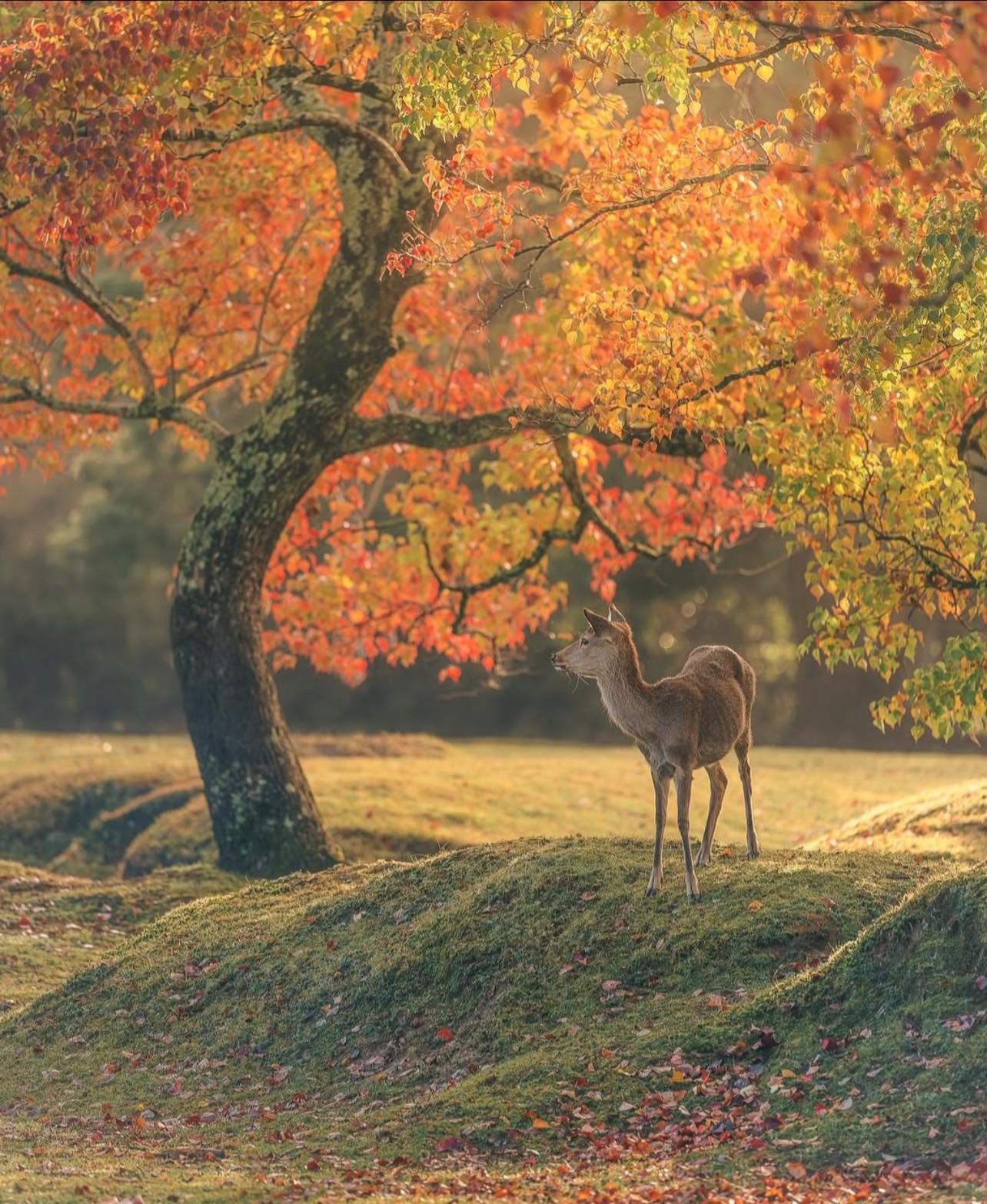
Nara is best known for its free-roaming deer, but the city offers more than animal encounters. Depending on your available time, your group can explore:
- Nara Park: The main area for seeing deer among temples and open green spaces.
- Todai-ji: Home to one of Japan’s most impressive Buddhist temple halls.
- Kasuga Taisha: A forested shrine known for its stone and bronze lanterns.
- Naramachi: A traditional neighborhood with preserved townhouses, cafés and local shops.
The most efficient plan is to focus on Nara Park and one major temple or shrine. Trying to include every attraction can turn the afternoon into a long march, especially for children, older travelers or guests with limited mobility.
Meeting the Deer Respectfully
Nara’s deer are accustomed to visitors, but they are still wild animals and should be treated with care.
Keep these points in mind:
- Feed deer only with approved deer crackers.
- Offer food with an open, empty hand.
- Stop showing the cracker once it is gone.
- Keep maps, snacks and loose paper away from curious deer.
- Do not chase, corner or touch an animal that moves away.
- Follow local signs and staff instructions.
The deer may bow in response to repeated feeding, but visitors should not assume every animal is calm. Young children should stay close to an adult, and everyone should give the deer room when they appear agitated.
Evening: Return to Osaka
After Nara, return to Osaka for dinner, hotel drop-off or an evening activity. Depending on your group’s plans, the driver may drop you at:
- Your hotel
- A restaurant area
- Osaka Station or another central meeting point
- A nearby cruise, event or entertainment venue
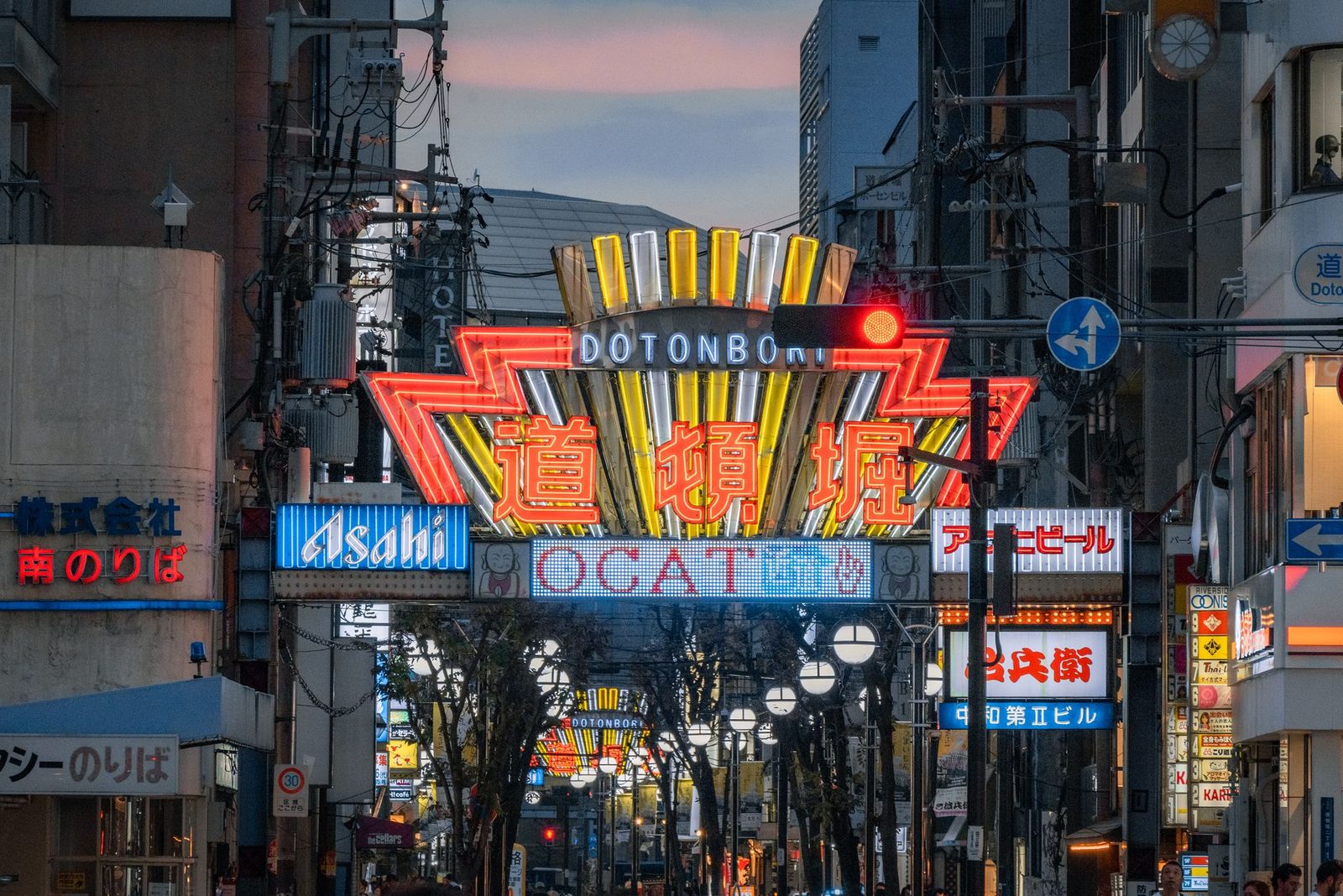
Returning to Osaka last is convenient for travelers staying there and avoids ending the day in a different city with luggage and tired passengers. It also gives your group the option of enjoying Osaka’s evening atmosphere in Dotonbori, Namba or another chosen district.
The final schedule should include a buffer for traffic. Roads around Kyoto, Nara and Osaka can become especially slow during weekends, public holidays, spring blossom season and autumn foliage season. A good itinerary leaves room for delays instead of treating every stop as fixed to the minute.
Suggested Route Options
| Route plan | Best for | Main advantage | Important consideration |
|---|---|---|---|
| Osaka → Kyoto → Nara → Osaka | Most groups staying in Osaka | Logical loop with a convenient evening return | Requires an early start |
| Osaka → Nara → Kyoto → Osaka | Groups prioritizing Nara | Deer and temple visit before the busiest part of the day | Kyoto sightseeing may finish later |
| Kyoto → Nara → Osaka | Groups staying in Kyoto | Avoids an unnecessary morning transfer from Osaka | Evening drop-off planning is essential |
| Osaka → Kyoto → Osaka | Groups wanting more Kyoto time | Allows a deeper Kyoto itinerary | Nara must be removed from the plan |
For the classic three-city day, Osaka → Kyoto → Nara → Osaka is usually the cleanest choice. However, the best order depends on your hotel, preferred attractions, restaurant booking and the time of year.
Why Use a 45–50-Seat Coach?
A full-size coach is more than a way to move people from one city to another. For a large group, it becomes the practical foundation of the itinerary.
Everyone stays together
There is no need to divide the group across multiple taxis or train carriages. This makes headcounts, meal times and sightseeing transitions easier to manage.
The schedule is simpler
A private coach collects the group at an agreed location and waits while you visit each area. Your itinerary can be built around your group rather than around public transport timetables.
It is more comfortable between stops
Kyoto, Nara and Osaka involve plenty of walking. Having a reserved seat and a place to rest during transfers can make a major difference, especially for families and older travelers.
It works well for organized travel
Tour leaders, school coordinators and company planners can communicate one meeting point and one departure time. Your Japanese driver handles the driving, while the group leader manages the day’s activities.
Remember that coach access varies by attraction. Historic districts may require a short walk from the parking area, and some streets have restrictions for large vehicles. Share your preferred destinations in advance so the route can be checked realistically.
Budget and Booking Considerations
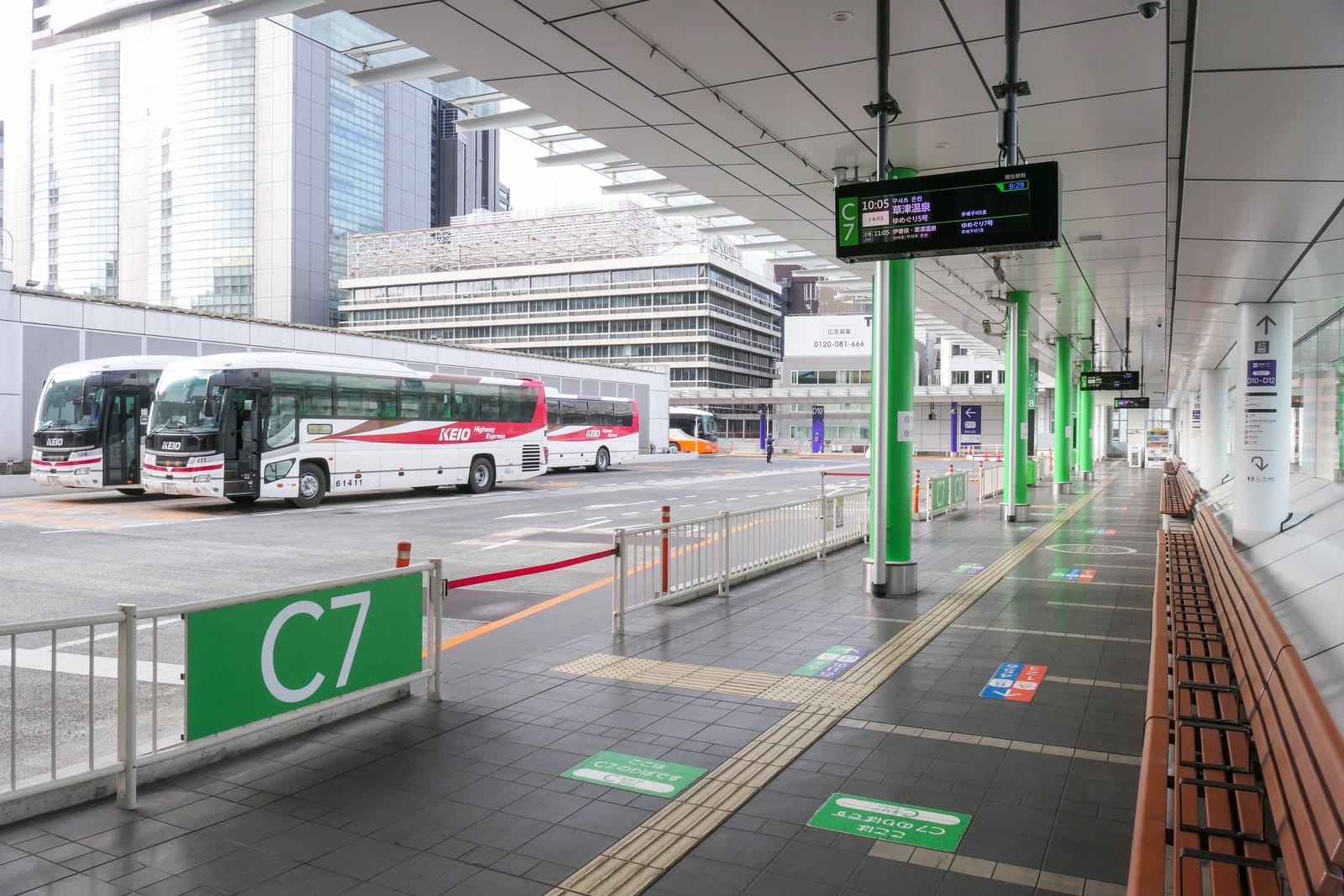
A private full-size coach day is priced according to the season, route, operating hours, pickup location, vehicle availability, parking, tolls and any overtime. A 45-seat coach is ¥99,000 for the 10-hour day (60 seats ¥129,000), plus expressway tolls and parking.
The exact quote comes from the booking form. Provide your group size, pickup and drop-off locations, travel date, preferred attractions and approximate schedule so the operating team can review the route properly. It is also wise to mention luggage, accessibility needs, child seats or a bilingual escort request when applicable.
Request a free quote from OlaChill and receive a reply within 24 hours.
Tips for a Smoother Day
- Choose one main Kyoto area instead of attempting the entire city.
- Wear comfortable shoes and prepare for substantial walking.
- Bring water, particularly in warmer months.
- Keep the itinerary flexible around traffic and parking.
- Confirm restaurant capacity before the trip.
- Set a clear group meeting point at every stop.
- Tell travelers that the coach may park a short walk from major attractions.
- Keep the evening plan simple after a full day of sightseeing.
With the right order, Osaka, Kyoto and Nara can form an enjoyable one-day experience rather than a stressful checklist. The key is to prioritize a few memorable places, use the coach time wisely and leave Osaka as the comfortable finish to the day.
FAQ
Is Osaka, Kyoto and Nara in one day too rushed?
It can be busy, but it is manageable when you choose one Kyoto area and a focused Nara route. A private coach helps reduce transfers and keeps the group together.
Which city should we visit first?
For groups staying in Osaka, Kyoto first and Nara second is usually the most practical order. Your exact route may change depending on hotel location, traffic and the attractions you want to see.
Can a 45–50-seat coach park near the attractions?
Not always. Historic areas often have restricted roads or designated coach parking. Your driver will use suitable access points, and the group may walk part of the way.
Will we see the deer in Nara?
Nara Park is well known for its free-roaming deer, and visitors commonly see them there. Treat the animals respectfully and follow local feeding and safety guidance.
Can we return to Osaka for dinner?
Yes. Returning to Osaka in the evening is one of the main advantages of this route. Allow extra time for traffic when booking a restaurant or evening activity.