Osaka to Koyasan: A Group Pilgrimage by Charter Minibus
Plan a smooth Osaka to Koyasan group pilgrimage, with mountain-road advice, shukubo stays, and the right charter minibus for your party.
Aug 21, 2026·✍️ olablog·⏱ 8 min read
Plan a smooth Osaka to Koyasan group pilgrimage, with mountain-road advice, shukubo stays, and the right charter minibus for your party.
Tap a region to browse articles
Why Koyasan works so well for a group pilgrimage
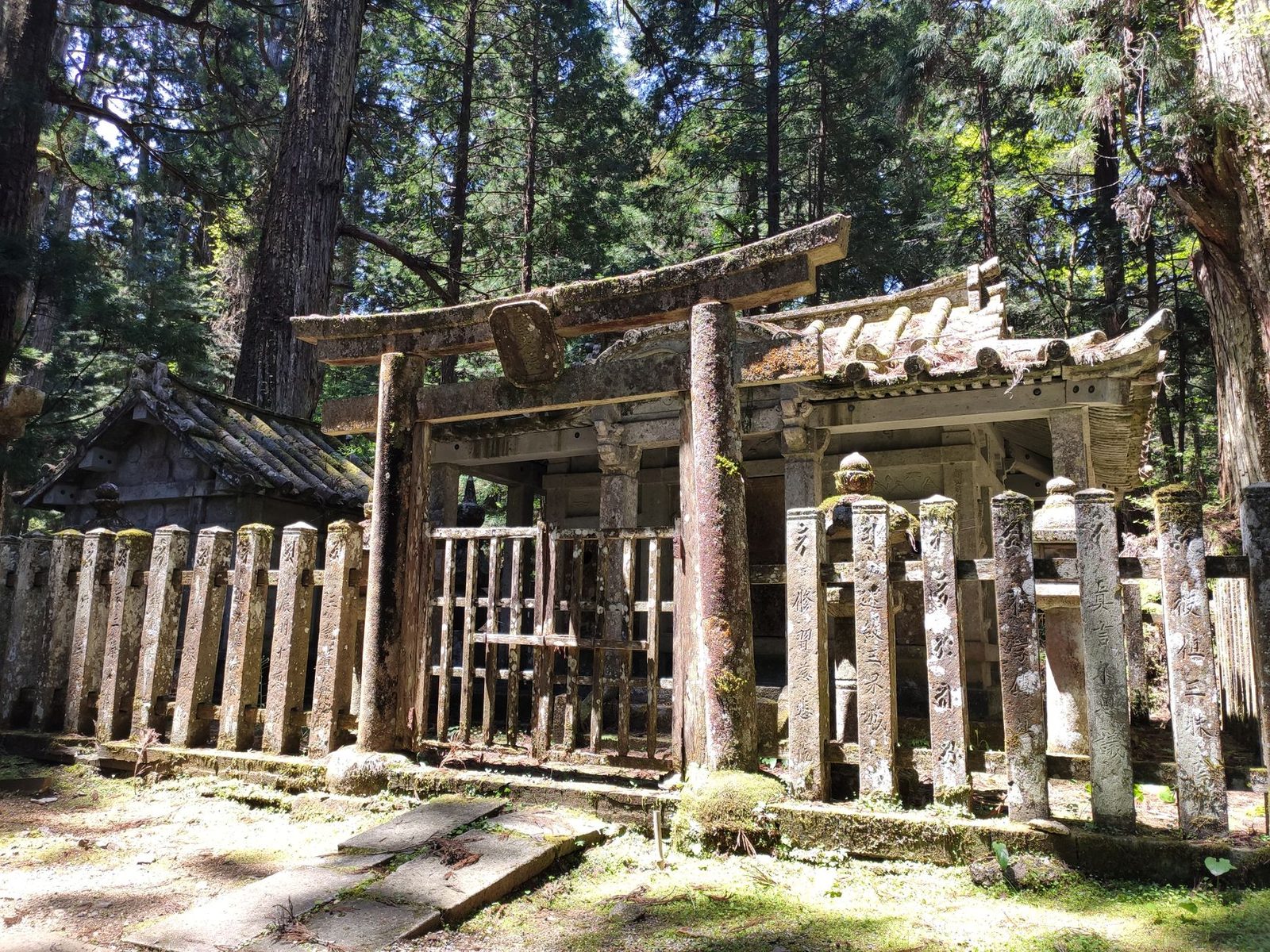
High in the forested mountains of Wakayama Prefecture, Koyasan offers a very different experience from the bright streets of Osaka. The sacred settlement is home to temple complexes, ancient cedar paths, lantern-lit graveyards, and shukubo—Buddhist temple lodgings that welcome visitors overnight.
For an international group, the journey from Osaka is part of the experience. You leave the city behind, climb through increasingly winding mountain roads, and arrive in a quiet world shaped by religious tradition. However, Koyasan is not a simple coach-tour destination. The roads become narrow, temple entrances can be tight, and accommodation is often spread across the mountain settlement.
A charter minibus in the Toyota Coaster class, seating approximately 26–29 passengers, can be a practical solution for many group itineraries. The key is planning the route, luggage, and temple drop-off points together with a licensed Japanese operator.
The mountain road from Osaka to Koyasan
A typical road journey begins in Osaka and heads south toward the Koyasan area. Depending on your starting point, traffic conditions, and the day’s itinerary, the route may use major expressways before continuing onto mountain roads near Hashimoto and Koya.
The final approach is scenic but demanding:
- Expect bends, steep sections, and occasional narrow stretches.
- Some roads have limited visibility around corners.
- Oncoming vehicles may need to pass carefully.
- Temple roads and access lanes can be tighter than the main mountain route.
- Winter weather, rain, fallen leaves, or road maintenance can affect travel conditions.
- A large vehicle may be able to reach Koyasan but still be unable to pull directly up to a particular temple entrance.
This is why vehicle size matters. A full-size highway coach may be uncomfortable or unsuitable for certain sections, while a standard passenger van may not provide enough capacity for a larger pilgrimage group and its luggage. The 26–29-seat Toyota Coaster class sits between these options: spacious enough for a medium-sized group, but more manoeuvrable than a full-size tour bus.
The final decision should always be made by the licensed operator after checking the exact accommodation, road conditions, and group requirements. A route that works for one shukubo may not work for another.
Is a 26–29-seat Coaster-class minibus suitable?
For many Osaka-to-Koyasan groups, this minibus class is a strong match. It offers a more personal atmosphere than a large coach and can make mountain navigation easier. It is especially suitable when the group wants to travel together rather than divide between several cars or taxis.
Even so, the number of passengers is only part of the calculation. Luggage takes up meaningful space, particularly when travellers are carrying large suitcases for a longer Japan itinerary. If every passenger brings a full-size suitcase, the interior and luggage capacity may feel tight.
Before confirming the vehicle, share:
- Your final passenger count
- The number and size of suitcases
- Whether anyone uses a wheelchair or needs step-free access
- Your Osaka pickup location
- The exact shukubo name and address
- Any stops planned before or after Koyasan
- Whether you need a return transfer or a multi-day charter
If the group is close to the vehicle’s maximum seating capacity, consider sending larger luggage separately or reducing the number of onboard bags. Travelling with soft bags and compact cases can also make loading and unloading easier.
Vehicle planning at a glance
| Group situation | 26–29-seat Coaster-class minibus | Planning note |
|---|---|---|
| Medium-sized pilgrimage group with light luggage | Well suited | Comfortable shared travel with easier mountain manoeuvring |
| Group near full capacity with large suitcases | Possible, subject to confirmation | Luggage volume may be more important than seat count |
| Group staying at several temple lodgings | Useful | Confirm each property’s vehicle access separately |
| Travellers needing step-free boarding | Must be checked in advance | Ask about accessibility and vehicle configuration |
| Large tour group requiring extensive luggage space | May not be ideal | A different vehicle plan or luggage arrangement may be needed |
Staying overnight in a Koyasan shukubo
A shukubo is more than a place to sleep. Many are active temples where guests experience elements of Buddhist culture in a respectful, visitor-friendly setting. Rooms commonly use Japanese-style tatami flooring and futons, and facilities may include shared bathing areas rather than private Western-style bathrooms.
The atmosphere is peaceful and structured. Depending on the temple, guests may be invited to attend morning prayers, evening services, meditation, or other cultural activities. Participation is often optional, but schedules can begin early, so guests should check arrangements before arrival.
Meals are another highlight. Shukubo commonly serve shojin ryori, traditional Buddhist vegetarian cuisine featuring seasonal vegetables, tofu, sesame, mountain plants, and carefully prepared accompaniments. Menus vary by temple, and travellers with allergies or dietary restrictions should communicate them as early as possible.
For a group booking, ask the temple about:
- Room layouts and maximum occupancy
- Whether rooms are private, shared, or divided by gender
- Bedding arrangements and futon preparation
- Bathroom and bathing facilities
- Meal times and whether dinner is included
- Morning prayer or meditation schedules
- Luggage storage and check-in procedures
- Accessibility for older travellers or guests with limited mobility
- The nearest practical coach or minibus drop-off point
A shukubo stay may not provide the same flexibility as a hotel. Late arrivals, noisy gatherings, and last-minute meal changes can be difficult to accommodate. Build the day around the temple’s schedule rather than treating the lodging as a conventional city hotel.
How to organise the Osaka departure
A smooth pilgrimage usually starts with a realistic Osaka pickup plan. Choose a location where the minibus can stop safely without blocking traffic. A hotel entrance, designated bus bay, or agreed roadside meeting point is generally easier than a narrow shopping street or busy station frontage.
Allow time to load luggage and confirm that every guest is present before departure. The mountain section is not the place to discover that a suitcase has been left behind or that a passenger is waiting at a different entrance.
A practical itinerary may include:
- Pickup at a central Osaka hotel
- Direct travel toward Koyasan
- A scenic or cultural stop only if road access and timing permit
- Lunch before entering the most remote mountain section
- Arrival at the agreed temple drop-off point
- Check-in and participation in temple activities
- Overnight shukubo stay
- Morning visit to Okunoin or another nearby site
- Return transfer to Osaka or onward travel
Okunoin, Kongobuji, Danjo Garan, and the surrounding temple streets can be explored on foot or with local transport after arrival. Your charter vehicle does not necessarily need to move between every sightseeing point. In many areas, walking is the most atmospheric and practical option.
Budgeting for a private group transfer
Charter pricing depends on the vehicle, travel dates, pickup area, driving hours, route, waiting time, toll roads, and whether the service is one-way, round-trip, or multi-day. A 26–29-seat minibus is ¥69,000 for the 10-hour day, plus expressway tolls and parking.
Temple accommodation, meals, admission fees, tolls, and any separate luggage service may be charged independently. Ask for a complete itinerary-based quotation so your group can compare the total cost fairly.
For a route involving narrow mountain roads, experienced local operation is particularly valuable. A licensed Japanese driver understands the road environment, local stopping rules, and the practical limitations of temple access better than a generic transfer arrangement.
Request a free Osaka-to-Koyasan charter bus quote from OlaChill — submit your itinerary and receive a reply within 24 hours.
Final planning checklist
Before travelling, confirm these details with both the charter operator and the shukubo:
- Exact passenger and luggage count
- Vehicle size and seating configuration
- Osaka pickup point and departure time
- Mountain-road route and planned rest stops
- Temple access and safe unloading location
- Check-in, dinner, and morning service times
- Dietary, medical, or mobility requirements
- Weather and seasonal road conditions
- Return destination and required departure time
With these details settled, the journey becomes much more relaxed. Your group can focus on Koyasan’s forests, temples, cuisine, and spiritual heritage instead of worrying about whether the vehicle can navigate the final approach.
FAQ
Can a 29-seat minibus reach Koyasan?
A Toyota Coaster-class minibus can reach many parts of Koyasan, but access depends on the exact road, weather, traffic restrictions, and temple location. The licensed operator should confirm the route and drop-off point before booking.
Can the minibus drive directly to our shukubo?
Not always. Some temple entrances are reached by narrow lanes or have limited turning space. Your driver may arrange a safe nearby unloading point, followed by a short walk with luggage.
Is a shukubo suitable for first-time visitors to Japan?
Yes, provided guests understand that it is a temple lodging rather than a standard hotel. Rooms, baths, meals, quiet hours, and religious activities may follow traditional routines.
Should we bring large suitcases to Koyasan?
Compact luggage is preferable, especially when the group is travelling near the minibus’s seating capacity. Ask about luggage space in advance and consider forwarding larger cases if your wider Japan itinerary allows it.