Kyushu Travel Guide: The Land of Onsen, Volcanoes, and Famous Ramen
Ultimate Kyushu travel guide: Fukuoka yatai ramen, Beppu and Yufuin onsen, Mount Aso volcano, Nagasaki, Kumamoto, JR Pass tips, and a 4–5 day itinerary.
Aug 8, 2026·✍️ olablog·⏱ 9 min read
Ultimate Kyushu travel guide: Fukuoka yatai ramen, Beppu and Yufuin onsen, Mount Aso volcano, Nagasaki, Kumamoto, JR Pass tips, and a 4–5 day itinerary.
Tap a region to browse articles
Kyushu is Japan’s third-largest island, yet it is often overlooked by mainstream international travelers—making it the ideal destination to visit before the crowds catch on. Situated on the southwestern edge of the Japanese archipelago, Kyushu is a land where the earth actively "breathes": Mount Aso (阿蘇山 / Mount Aso) boasts one of the world's largest ancient volcanic calderas, Sakurajima (桜島 / Sakurajima) spews plumes of smoke almost daily, and this intense geothermal activity feeds Japan’s highest density of hot springs (onsen). Combined with a rich, comforting culinary scene crowned by world-famous tonkotsu ramen, Kyushu offers an authentic, crowd-free Japanese experience. Let’s dive into planning your trip to this extraordinary land of fire and water with OlaChill.
Quick Regional Map of Kyushu
- Fukuoka (福岡 / Fukuoka): The largest city on the island, serving as Kyushu's main entry point via Fukuoka Airport (福岡空港) and the Shinkansen. Renowned for its lively late-night open-air food stalls known as yatai (屋台) along the Nakasu (中洲) and Tenjin (天神) riverbanks, Dazaifu Tenmangu Shrine (太宰府天満宮) dedicated to the deity of learning, and a pleasantly relaxed, youthful urban vibe.
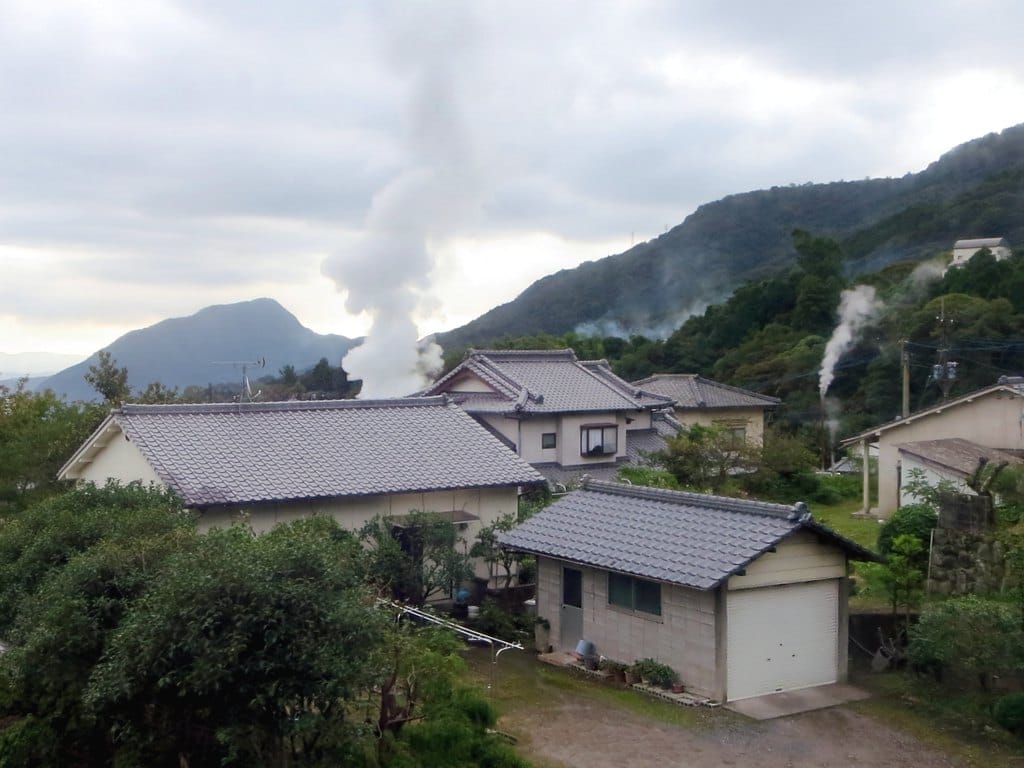
- Beppu (別府 / Beppu, Oita Prefecture / 大分県): Japan’s undisputed "onsen capital," featuring over 2,000 hot spring sources with steam billowing across the skyline. Its premier attraction is the "Hells of Beppu" (地獄巡り / Jigoku Meguri) tour—seven otherworldly thermal pools ranging from cobalt blue to blood red (for viewing only)—alongside unique naturally heated sand bath experiences.
- Yufuin (由布院 / Yufuin, Oita): A serene hot spring town nestled at the base of Mount Yufu (由布岳), lined with artisan craft shops and cozy cafes along its main street. The misty waters of Kinrin Lake (金鱗湖) in early morning offer a romantic, photogenic retreat, making it perfect for an overnight stay at a traditional ryokan (旅館).
- Mount Aso (阿蘇山 / Mount Aso, Kumamoto): A massive volcanic caldera spanning over 20 kilometers in diameter, featuring the vibrant green Kusasenri (草千里) grasslands where horses graze freely, and the active Nakadake Crater (中岳) still emitting steam (access depends on real-time volcanic alert levels).
- Kumamoto (熊本 / Kumamoto): A historic city anchored by the imposing Kumamoto Castle (熊本城)—celebrated as one of Japan's top three castles—and home to the beloved regional ambassador mascot, Kumamon (くまモン).
- Nagasaki (長崎 / Nagasaki): A unique historic port city reflecting a blend of Japanese, Chinese, and Western influences. Key sights include Nagasaki Peace Park (平和公園), Japan’s oldest Shinchi Chinatown (新地中華街), Oura Church (大浦天主堂), the historic Dejima (出島) trading post, and world-renowned night views from Mount Inasa (稲佐山).
- Kagoshima (鹿児島 / Kagoshima): Located at the southern tip of the island, facing the towering Sakurajima volcano across the bay—a quick 15-minute ferry ride brings you directly to the foot of this "Vesuvius of the East."
Best Time to Visit
- Spring (March – April): Cherry blossoms bloom brilliantly around Kumamoto Castle, while Dazaifu Tenmangu Shrine showcases plum blossoms starting in late February. Temperatures warm up earlier than in Tokyo, making it exceptionally pleasant for active sightseeing.
- Autumn (October – November): Clear, dry skies predominate as the Aso grasslands turn golden yellow and vivid fall foliage paints the streets of Yufuin—making this the most photogenic season in Kyushu and the ideal time to soak in outdoor onsen.
- Winter (December – February): Moderately cold with minimal snowfall; soaking in outdoor thermal baths amid crisp winter air is a bucket-list experience, complemented by lower accommodation rates and fewer tourists.
- Summer Considerations: June through July brings heavy seasonal rainfall (tsuyu), while August and September are hot, humid, and subject to potential typhoons. If traveling in summer, maintain a flexible schedule for outdoor activities like Mount Aso.
Additionally, the active Nakadake Crater may close to visitors at short notice based on volcanic alert levels—always check official local advisories prior to your visit.
Signature Local Cuisine
Kyushu is the culinary birthplace of several iconic dishes that have captivated food lovers across Japan and the world:
- Tonkotsu Ramen (Fukuoka/Hakata / 博多ラーメン): A rich, creamy pork bone broth paired with thin, firm noodles—this is the home turf of international ramen giants like Ichiran (一蘭) and Ippudo (一風堂). A local bowl costs around ¥700 to ¥1,000 ($4.70 to $6.70 USD; $1 USD ≈ 150 JPY), and be sure to request a noodle refill known as "kaedama" (替玉).
- Yatai (屋台): The quintessential late-night experience of taking a stool at an open-air street stall in Fukuoka, enjoying fresh ramen, yakitori (grilled skewers), and oden while chatting with local chefs and residents—a street-food culture preserved almost exclusively in this city.
- Mizutaki Chicken Pot (水炊き / Mizutaki): A flavorful, clean chicken hot pot simmered to a rich white broth and served with tangy ponzu sauce—a cherished Hakata comfort dish for cooler evenings.
- Motsunabe (もつ鍋): A savory hot pot featuring beef offal cooked with garlic chives and cabbage, offering a deeply rich flavor profile that is surprisingly addictive.
- Basashi (馬刺し): Thinly sliced raw horse meat served as sashimi—a traditional and flavorful Kumamoto delicacy for adventurous foodies.
- Nagasaki Specialties: Chinese-influenced Champon (ちゃんぽん / rich noodle soup) and Sara Udon (皿うどん / crispy noodles with seafood topping), alongside classic Portuguese-derived Castella sponge cake (カステラ).
- Sweets and Tea: Fresh dango rice dumplings in Yufuin, roasted sweet potatoes in Kagoshima, and Yame green tea (八女茶)—widely regarded as some of the finest green tea in Japan.
Getting Around and JR Kyushu Rail Pass
- Arriving in Kyushu: Fly directly into Fukuoka Airport (FUK / 福岡空港), which sits just two subway stops from central Hakata Station (博多駅)—making it one of the most convenient urban airports in Japan. Alternatively, ride the Shinkansen bullet train from Osaka (Shin-Osaka Station / 新大阪駅) to Hakata in approximately 2.5 hours. Regional airports also service Nagasaki, Kumamoto, Kagoshima, and Oita.
- JR Kyushu Rail Pass: Exclusively available to foreign tourists, this pass comes in three variations—Northern Kyushu, Southern Kyushu, and All Kyushu (available in 3-day or 5-day options, costing roughly ¥12,000 to ¥20,000 / $80 to $135 USD). The pass covers bullet trains within Kyushu (Hakata – Kumamoto – Kagoshima) as well as famous scenic tourist trains like the Yufuin no Mori (ゆふいんの森 / a classic vintage green train running through mountain forests to Yufuin), which requires advance seat reservations. Local transit in cities can easily be paid using standard IC cards like SUICA, PASMO, or the local SUGOCA.
- Sample Transit Times: Hakata to Kumamoto takes approximately 40 minutes via Shinkansen; Hakata to Yufuin takes about 2 hours 10 minutes on the Yufuin no Mori; Yufuin to Beppu takes roughly 1 hour; Hakata to Nagasaki takes about 1.5 hours using the Nishi-Kyushu Shinkansen Kamome (かもめ) connecting train.
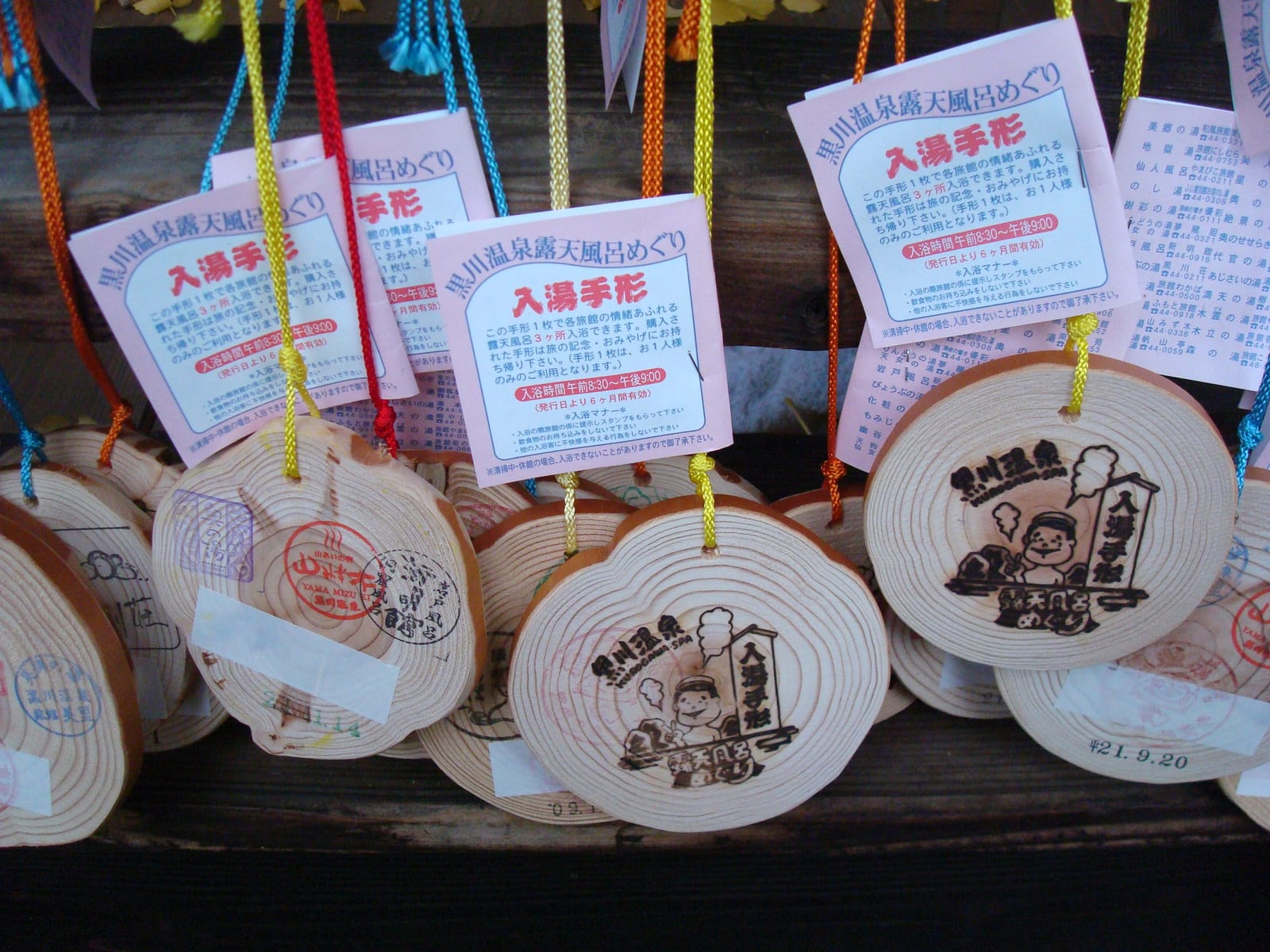
- Car Rental: Highly recommended for exploring the Mount Aso region and Kurokawa Onsen (黒川温泉), where public bus service is limited; daily rental rates range between ¥6,000 and ¥9,000 ($40 to $60 USD).
- City Transit: Fukuoka is compact and easy to navigate via subway, IC cards, and flat-rate central buses; Nagasaki and Kumamoto feature charming, easy-to-use vintage streetcars (trams).
Suggested 4–5 Day Itinerary
Balanced 5-Day Option (North–Central Kyushu Loop):
- Day 1 – Fukuoka: Arrive, spend the afternoon visiting Dazaifu Tenmangu Shrine (太宰府天満宮), and spend the evening enjoying yatai (屋台) food stalls along the Nakasu River.
- Day 2 – Yufuin: Board the morning Yufuin no Mori train, stroll down Yunotsubo Street (湯の坪街道) to Kinrin Lake (金鱗湖), check into your ryokan (旅館) by late afternoon, and indulge in a multi-course kaiseki (懐石) dinner followed by a private onsen bath.
- Day 3 – Beppu: Head to Beppu in the morning to tour the "Hells of Beppu" (Jigoku Meguri / 地獄巡り), try a geothermal sand bath, take an afternoon train to Kumamoto, and stay overnight in Kumamoto.
- Day 4 – Aso: Spend a full day exploring the Aso Caldera—the Kusasenri (草千里) grasslands and Nakadake Crater (中岳) (if open)—return to Kumamoto in the afternoon to visit Kumamoto Castle (熊本城), then take an evening Shinkansen back to Hakata.
- Day 5 – Fukuoka: Morning shopping in Tenjin (天神) or Canal City Hakata (キャナルシティ博多), enjoy one final bowl of tonkotsu ramen, and head to Fukuoka Airport.
Compact 4-Day Option: Omit the Mount Aso day, or substitute Kumamoto/Aso with a day in Nagasaki if your interests lean toward history and culture. Have 7 days available? Extend your route south to Kagoshima to watch Sakurajima (桜島) puff smoke across the bay and soak in the natural steam-heated sand baths of Ibusuki Onsen (指宿温泉)—completing a full North-to-South traversal of the island. If you prefer to explore Kyushu on a fully arranged guided package covering rail reservations and ryokan stays, explore our Japan tour options here.
Essential Tips Before You Go
- Traditional ryokans in Yufuin and Kurokawa Onsen (黒川温泉) often feature a limited number of guest rooms; book 2 to 3 months in advance, particularly for the peak autumn foliage season.
- Travelers with visible tattoos should check individual public bath policies beforehand or reserve accommodation featuring private bath facilities (kashikiri / 貸切風呂).
- JR Kyushu’s specialty tourist trains (Yufuin no Mori, SL Hitoyoshi, etc.) require mandatory seat reservations even when holding a JR Pass—secure your seat bookings as soon as your reservation window opens.
- Brush up on essential onsen etiquette for first-time bathers and explore detailed destination articles on the OlaChill blog for a seamless journey.
Kyushu is a unique realm where you can stand before a smoking volcanic crater in the morning and soak in thermal waters heated by that very same volcano by late afternoon. It is a harmonious display of nature's power—and one of the most memorable Japanese travel experiences you can treat yourself to.