What to Eat in Miyazaki: Chicken Nanban, Jitokko Chicken and More
Aug 25, 2026 · ✍️ olablog · ⏱ 9 min read
Discover Miyazaki’s signature foods, from chicken nanban and charcoal-grilled jitokko chicken to mangoes, lettuce maki and wagyu.
Tap a region to browse articles
Why Miyazaki belongs on your food itinerary
Miyazaki is one of Kyushu’s most rewarding destinations for travelers who plan their journeys around local food. The prefecture has a warm climate, fertile farmland, a long Pacific coastline and a strong livestock industry. That combination gives its cuisine a distinct character: sunny, generous and often served in portions designed for sharing.
The best-known dish is chicken nanban, a crispy chicken specialty born in Nobeoka. But it is only the beginning. Around Miyazaki City, you can also try smoky charcoal-grilled jitokko chicken, richly marbled Miyazaki beef, sweet local mangoes and lettuce maki, a colorful sushi roll that feels especially at home here.
Most first-time visitors can explore the central food scene in two or three days. Add a little longer if you want to visit Nobeoka, sample countryside produce or combine the trip with scenic stops along the coast.
The essential dish: chicken nanban
Chicken nanban is Miyazaki’s signature comfort food. Chicken is fried until crisp, then coated or soaked in a sweet-and-sour sauce made with vinegar, soy sauce and sugar. It is usually finished with a generous spoonful of creamy tartar sauce.
The contrast is the appeal: crisp chicken, bright acidity and a rich, slightly tangy topping. It is commonly served with shredded cabbage, rice and miso soup, making it a satisfying set meal rather than a small snack.
The dish originated in Nobeoka, in northern Miyazaki Prefecture. Local restaurants continue to debate which preparation is the most authentic, so you may encounter small differences. Some versions use battered chicken, while others are closer to karaage. The tartar sauce may be chunky with boiled egg or smoother and more mayonnaise-forward.
For the most meaningful tasting, try chicken nanban in both Nobeoka and Miyazaki City. Nobeoka connects the dish with its birthplace, while Miyazaki City offers more choice for travelers staying near the main station or downtown.
Five Miyazaki foods to put on your list
1. Jitokko chicken grilled over charcoal
Miyazaki Jitokko is a local chicken breed known for firm texture and deep flavor. One of the classic ways to eat it is charcoal grilling, often over a very hot flame that leaves the surface dark and smoky.
The meat can look almost black at the edges because of the charcoal and rendered fat. That appearance is part of the experience, not a sign that the dish has been overcooked. The flavor is savory, concentrated and more substantial than ordinary grilled chicken.
Restaurants may serve it as bite-sized pieces on a hot plate or as a simple charcoal-grilled dish with salt, citrus or dipping condiments. It pairs naturally with shochu, the distilled spirit strongly associated with southern Kyushu.
2. Miyazaki mangoes
Miyazaki’s premium mangoes are famous throughout Japan for their fragrance, vibrant color and exceptionally soft flesh. They are treated as a luxury fruit, not merely an everyday dessert.
The main season generally runs from spring into summer, with the most abundant selection often appearing from late spring through midsummer. Availability varies by harvest and shop, so check locally if mangoes are a priority for your trip.
You can find them in department-store food halls, fruit shops, cafés and dessert counters. A whole premium mango can be expensive, while mango parfaits, slices or smaller desserts offer a more accessible way to try the flavor. Expect prices to range widely; ask the shop about the current selection rather than assuming every mango carries the same price.
3. Lettuce maki
Lettuce maki is a Miyazaki-style sushi roll made with lettuce and other fillings, often including tuna, mayonnaise and vegetables. It is fresh, creamy and mildly crunchy, with a flavor profile that feels lighter than many traditional sushi rolls.
It makes an easy introduction to local food because the ingredients are familiar, but the combination is distinctly regional. Look for it at sushi restaurants, casual dining spots and food halls around Miyazaki City.
4. Miyazaki beef
Miyazaki beef is one of Japan’s most celebrated wagyu brands. Its fine marbling gives it a buttery texture, and restaurants may serve it as yakiniku, steak, sukiyaki or a smaller grilled portion.
You do not need to commit to a large steak to enjoy it. A tasting plate or a few slices at a yakiniku restaurant can be a practical choice for independent travelers. As with premium mangoes, prices vary considerably depending on cut and grading, so treat it as a special meal and confirm the menu details before ordering.
5. Local shochu and regional produce
Miyazaki is also known for sweet-potato shochu, along with shochu made from other local ingredients. Bars and izakaya often serve it neat, with water, on the rocks or mixed with hot water.
If you prefer non-alcoholic drinks, look for local citrus, grilled vegetables and seasonal fruit. The prefecture’s food culture is not limited to its headline dishes: everyday set meals can be one of the best ways to see how local ingredients are used.
Where to eat in Miyazaki City
Miyazaki Station is the easiest starting point for visitors arriving by train or airport transfer. Around the station, you will find department-store food floors, casual restaurants and places suitable for a quick lunch between sightseeing stops. This is a convenient area for trying chicken nanban, lettuce maki or a simple wagyu dish without committing to a long journey across the city.
For a livelier evening, head toward Nishitachi, Miyazaki’s central entertainment and dining district. The streets are packed with izakaya, yakitori restaurants, sushi counters, grilled-chicken specialists and bars serving local shochu. Nishitachi is particularly well suited to a relaxed evening of ordering several small dishes.
A useful approach is to eat lunch near Miyazaki Station, then spend the evening in Nishitachi. That gives you two different atmospheres and keeps the food-focused itinerary easy to navigate on foot or by a short local ride.
| Area | Best for | Typical time to allow | Practical note |
|---|---|---|---|
| Around Miyazaki Station | Quick meals, department-store food halls, first taste of local specialties | Around 1–2 hours | Convenient after arrival or before a train |
| Nishitachi | Izakaya, charcoal-grilled chicken, shochu and evening dining | Around 2–3 hours | Best explored at night; reservations can help for popular restaurants |
| Nobeoka | The birthplace story of chicken nanban and a more local dining atmosphere | Half a day or longer | Combine with nearby northern Miyazaki sightseeing |
Getting to Miyazaki
For international travelers, Fukuoka is the nearest major hub city with extensive domestic and international connections. From Fukuoka, you can reach Miyazaki by domestic flight, highway bus or a rail journey using the Kyushu Shinkansen and Nippo Main Line. The bus and rail options take several hours, while flying is generally the quickest choice. Travel times and departures change, so check the official transport operators before booking.
Miyazaki Airport is close to Miyazaki City and is connected to the city by local rail and bus services. From the airport, reaching Miyazaki Station usually takes roughly 15 minutes by train, depending on the service.
Travelers coming from Kagoshima can use the Kyushu Shinkansen and local connections, or travel by bus or car. A rental car becomes useful if you plan to visit coastal viewpoints, rural farms or several towns beyond Miyazaki City.
How long to stay and when to go
A food-focused weekend works well:
- Day 1: Explore Miyazaki Station, try chicken nanban for lunch and dine in Nishitachi.
- Day 2: Visit Aoshima or the Phoenix Seagaia area, then enjoy charcoal-grilled Jitokko chicken or Miyazaki beef.
- Day 3: Take a longer excursion toward Nobeoka, or use the day for mango desserts, markets and coastal scenery.
Spring and autumn are especially comfortable for combining food with outdoor sightseeing. Summer is a good time to look for Miyazaki mangoes, although the heat can be intense. Winter is pleasant for city dining and warm grilled dishes, with fewer crowds in some areas.
Nearby stops to combine with your food trip
Aoshima
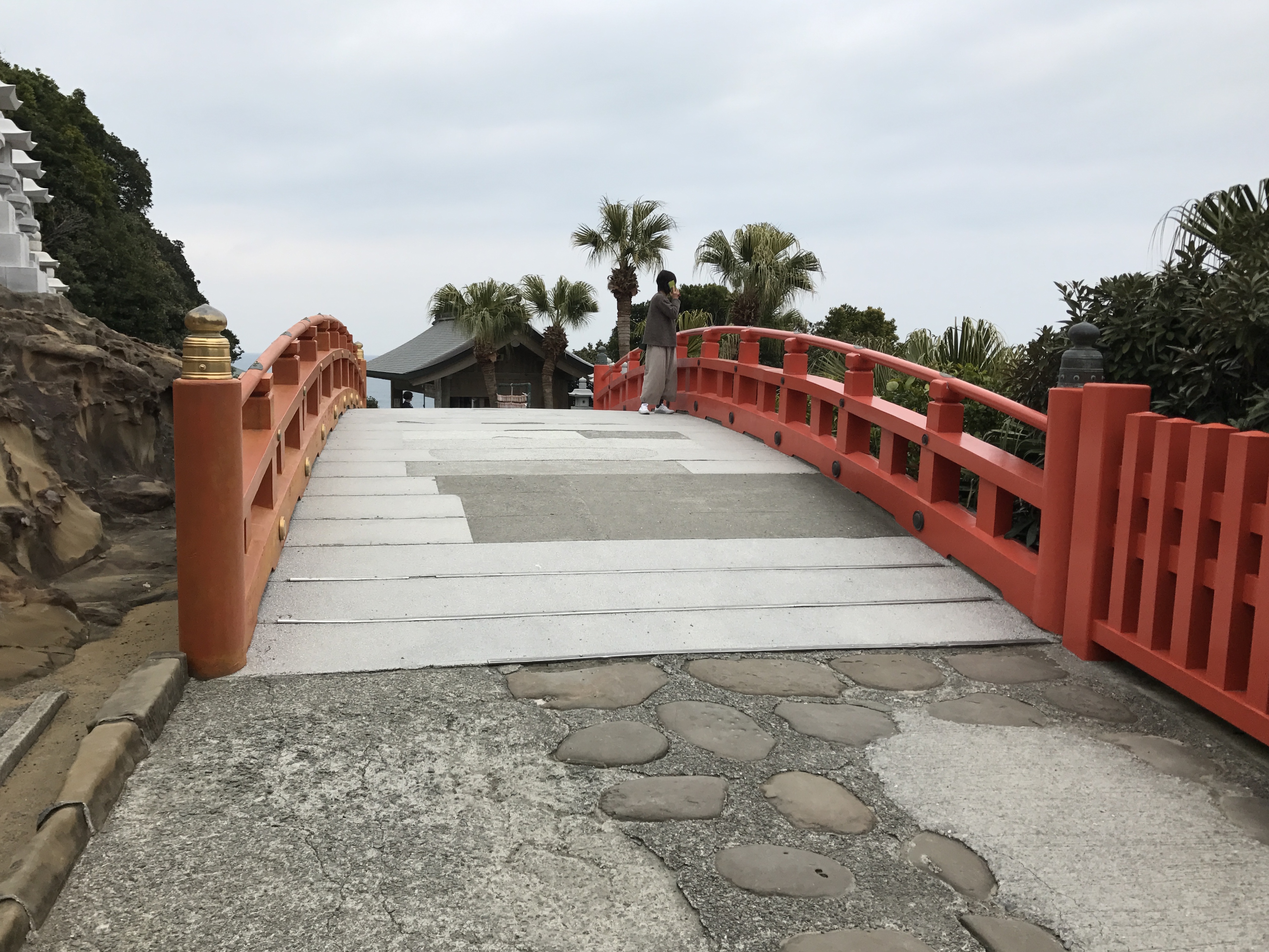
Aoshima is a small island surrounded by subtropical scenery and known for Aoshima Shrine. It is an easy pairing with Miyazaki City, especially if you want a short coastal escape after lunch.
Udo Shrine
Built into a seaside cliff in southern Miyazaki, Udo Shrine is one of the prefecture’s most memorable cultural and landscape stops. Allow extra travel time, particularly without a car.
Takachiho
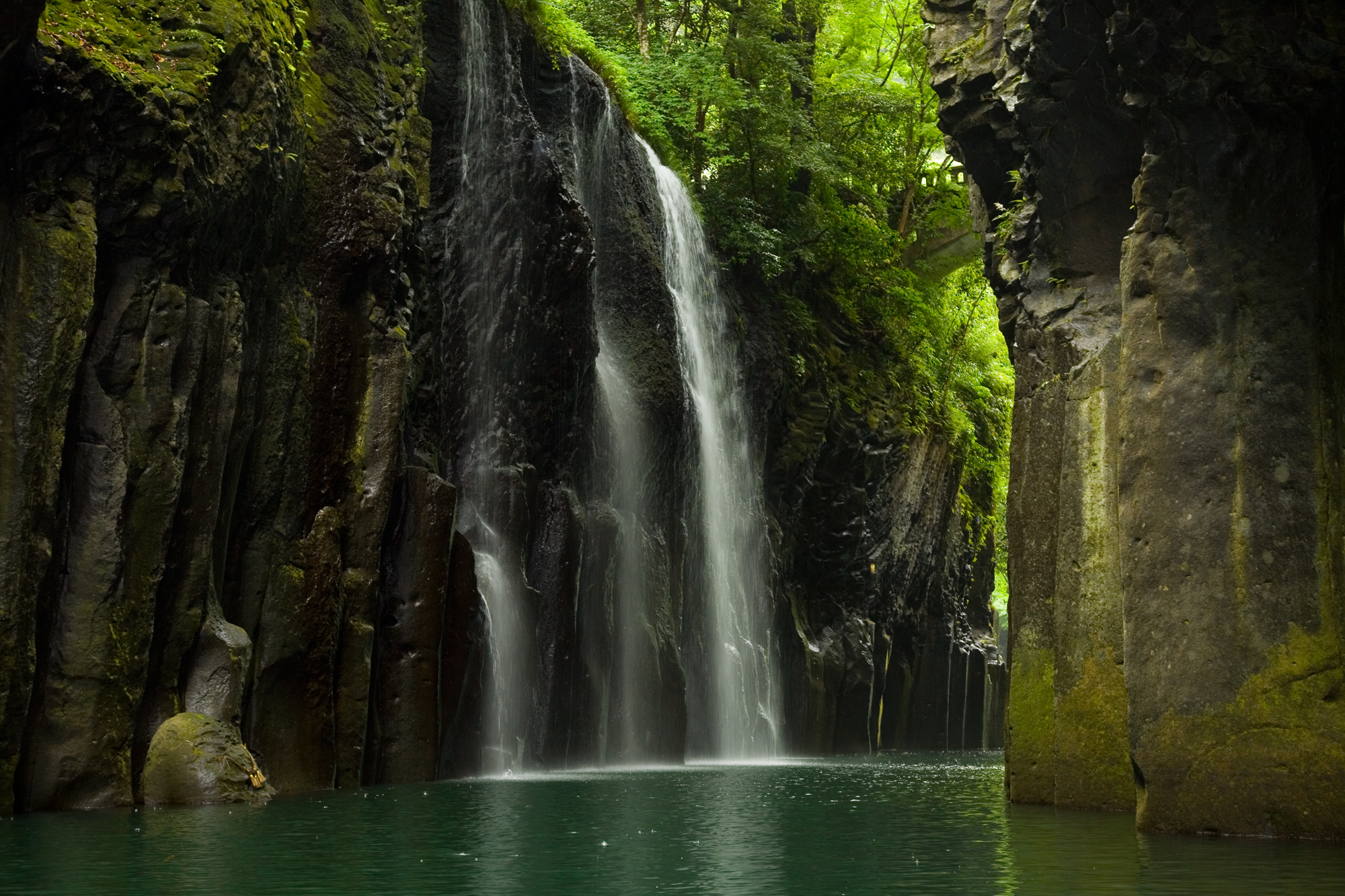
Takachiho is farther north and best treated as a full-day or overnight addition. Its gorge, shrine and dramatic mountain scenery provide a strong contrast to Miyazaki City’s relaxed food-and-coast itinerary.
For help planning a Miyazaki trip with local experiences, browse OlaChill’s Japan destination hub for tickets and tours.
FAQ
Is chicken nanban the same as fried chicken with tartar sauce?
Not exactly. Chicken nanban is defined by the combination of fried chicken, a sweet-and-sour sauce and tartar sauce. Restaurants differ in batter, cut of chicken and sauce balance.
Should I eat chicken nanban in Nobeoka or Miyazaki City?
Nobeoka is the best choice for the dish’s origin story. Miyazaki City is more convenient for visitors and offers a broader range of restaurants, especially around the station and Nishitachi.
When can I try Miyazaki mangoes?
Mangoes are generally available from spring into summer, with strong selection often found from late spring to midsummer. Seasonal stock and prices vary, so check with individual shops.
Is Miyazaki beef only available as steak?
No. You can often find it as yakiniku, sukiyaki, grilled slices or smaller tasting portions. Ask about the cut and serving style before ordering.
Do I need a car to enjoy Miyazaki food?
No. Miyazaki Station and Nishitachi are easy bases for a food-focused stay. A car is more useful for reaching rural areas, distant shrines and coastal destinations outside the city.