
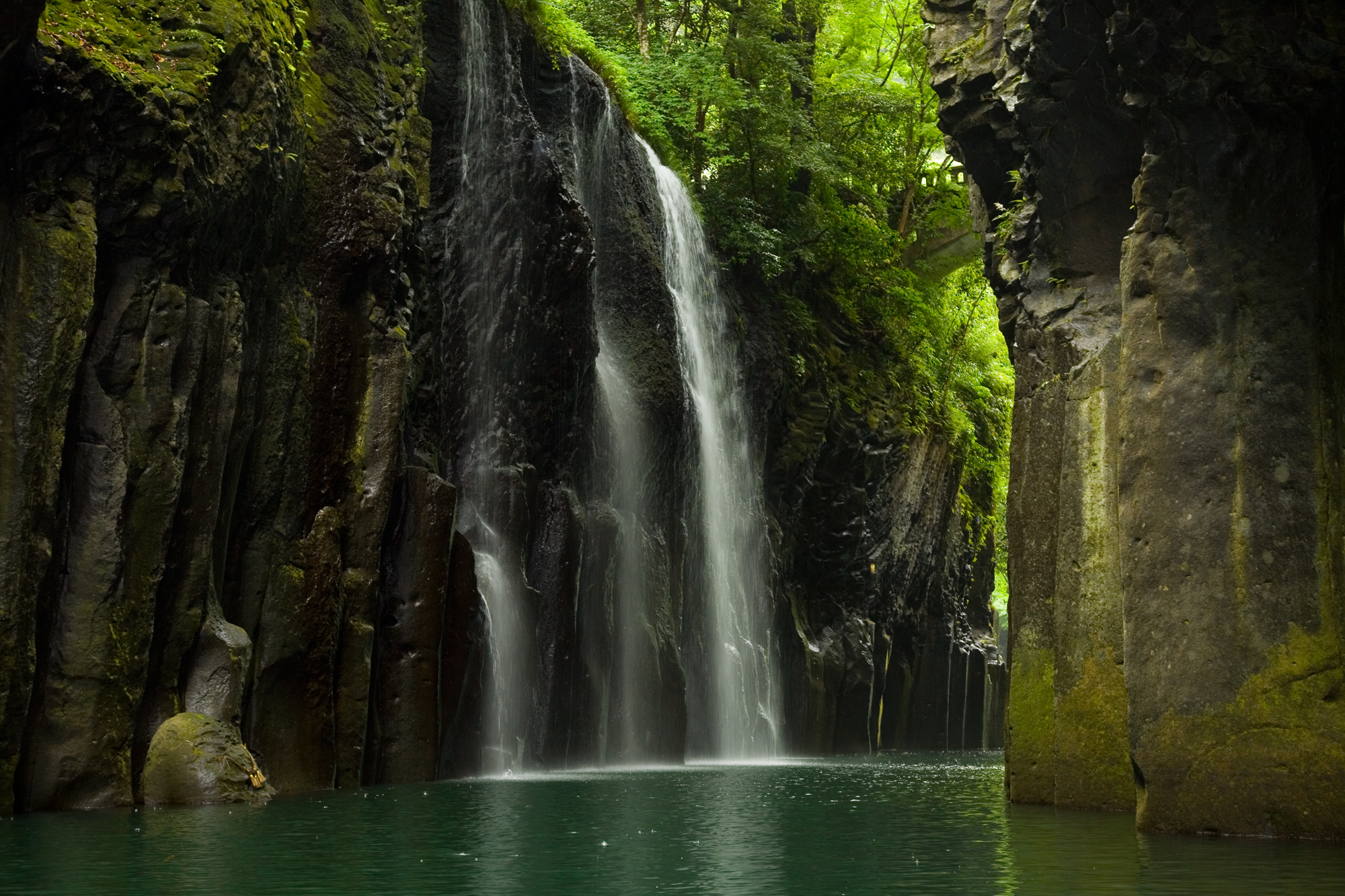
Takachiho Gorge: Waterfalls, Boats and Japan’s Mythic Heartland
Discover Takachiho Gorge, where basalt cliffs, Manai Falls, river boats and ancient Japanese myths meet in southern Kyushu.
Aug 25, 2026·✍️ olablog·⏱ 8 min read
Discover Takachiho Gorge, where basalt cliffs, Manai Falls, river boats and ancient Japanese myths meet in southern Kyushu.
Tap a region to browse articles
Takachiho Gorge: Waterfalls, Boats and Japan’s Mythic Heartland
In northern Miyazaki, Takachiho Gorge cuts through a landscape that feels almost otherworldly. Sheer walls of columnar basalt rise above the Gokase River, while Manai Falls drops in a silver ribbon into the water below. Rent a rowboat and paddle beneath the waterfall, follow the clifftop walking path, then stay into the evening for stories and ritual performances rooted in Japan’s oldest myths.
Takachiho is more than a scenic gorge. It is one of the country’s great mythological landscapes, associated with the sun goddess Amaterasu and the divine ancestors of Japan. The combination of dramatic nature, quiet mountain roads and living traditions makes it a rewarding stop for independent travelers exploring Kyushu.
What makes Takachiho Gorge special?
The gorge was shaped by ancient volcanic activity. As lava cooled, it formed distinctive vertical basalt columns, giving the cliffs a ribbed, almost architectural appearance. The Gokase River runs between them in deep blue-green pools, shaded by maple, cedar and other woodland trees.
The most recognizable sight is Manai Falls, which plunges from the cliff into the river. From the riverside path, you can see the falls framed by the dark rock walls. From a boat, the perspective changes completely: you look upward from the water, with spray drifting across the bow and the cliffs enclosing the scene on both sides.
The gorge is compact enough to explore on foot, but the scenery changes around every bend. A paved promenade runs along the rim and connects several viewpoints, while stairs lead down toward the river in places. Comfortable shoes are useful, particularly after rain, when paths can be damp.
Rowing beneath Manai Falls
The classic Takachiho experience is hiring a small rowboat and paddling along the gorge. You do not need advanced boating skills, but steering in the narrow channel can be surprisingly entertaining, especially when several boats are sharing the same stretch of water.
Demand is highest on weekends, holidays and during autumn color season. Arrive early if boating is a priority, and check the official Takachiho tourism information before setting out: boat operations can change with river conditions, weather and maintenance. Same-day availability may be limited, and a long wait is possible even when the gorge itself is easy to visit.
If boats are unavailable, the walking trail still delivers excellent views. The overlook above Manai Falls is particularly worthwhile, and the changing height of the path lets you appreciate the gorge from several angles.
How to get to Takachiho
Takachiho does not have a railway station, so most visitors arrive by bus or rental car. The two practical gateways are Nobeoka on the Miyazaki side and Kumamoto in central Kyushu.
From Nobeoka, use the JR Nippo Main Line to reach the rail gateway, then connect with a bus for Takachiho. Highway and local services run through the mountain area, but departures are limited compared with a major urban route. From Kumamoto, the Takachiho-go highway bus is a popular direct option. Travel times vary by service and road conditions, so check current timetables and reservation requirements before your trip.
| Starting point | Main connection | Approximate travel feel | Best for |
|---|---|---|---|
| Nobeoka | JR Nippo Main Line, then a Takachiho-bound bus | Roughly 1.5 hours by bus from Nobeoka | Travelers approaching from Miyazaki or eastern Kyushu |
| Kumamoto | Takachiho-go highway bus | Roughly 3 hours, depending on stops and traffic | Travelers combining Takachiho with Kumamoto or Aso |
| Around Kyushu | Rental car | Flexible, but mountain roads require care | Visitors combining several rural destinations |
Public transport is possible, but Takachiho is not a place to approach casually without checking connections. A late arrival can leave you with few alternatives, particularly outside peak travel periods. For this reason, staying at least one night is usually more comfortable than attempting a rushed day trip.
How long should you stay?
Allow one full day for the gorge and central Takachiho, then add a second morning if you want to visit the surrounding sacred sites without hurrying.
A practical overnight plan looks like this:
- Day 1: Arrive, walk the gorge, try for a rowboat, and explore Takachiho Shrine.
- Evening: Watch a traditional kagura performance or enjoy a quiet dinner in town.
- Day 2: Visit Amano Iwato Shrine and Amano Yasugawara before continuing toward Kumamoto, Nobeoka or another Kyushu destination.
The gorge itself can be seen in a few hours, but the wider area rewards a slower pace. An overnight stay also gives you a better chance of boating early, before queues build.
Myths, shrines and night-time kagura
Takachiho is closely connected with the story of Amaterasu, the sun goddess. According to Japanese mythology, Amaterasu hid inside a cave after a conflict with her brother, plunging the world into darkness. The other gods eventually coaxed her out with music, dance and laughter.
At Amano Iwato Shrine, the sacred cave associated with this story lies across the river. The area is approached with respect, as it remains an important religious site rather than simply a sightseeing attraction. Access arrangements and viewing conditions can vary, so follow local guidance when you visit.
Nearby Amano Yasugawara is a peaceful riverside grotto lined with stacked stones. The natural setting is atmospheric, with water, moss and forest surrounding the cave-like space. It is one of the most memorable places to combine with the gorge.
Back in town, Takachiho Shrine is known for its large cedar trees and deep connection to local mythology. On many evenings, visitors can watch a Yokagura performance, a night-time form of sacred kagura dance. The performance commonly presents scenes from the Amaterasu legend through masks, movement and traditional music. Treat the event as a religious and cultural tradition, not simply a theatrical show, and confirm the current schedule before visiting.
When is the best time to visit?
Takachiho is beautiful throughout the year, but each season changes the character of the gorge.
- Spring: Fresh greenery and comfortable walking conditions make this a pleasant season for exploring.
- Summer: The gorge is lush and vivid, and the cool river corridor offers relief from warmer weather elsewhere. Rain can affect boat operations and paths.
- Autumn: Maples and other trees add rich color, especially from mid-November to early December. This is one of the busiest periods, so arrive early and book accommodation ahead.
- Winter: Bare branches reveal more of the rock formations, and visitor numbers may be lower. Cold weather and occasional mountain conditions require more careful planning.
Weekday mornings are generally the most relaxed time to visit. Regardless of season, check the river and weather status before committing to the boat ride.
Nearby stops worth combining
Takachiho works particularly well as part of a small northern Miyazaki or central Kyushu route.
Amano Iwato Shrine
This is the essential mythological companion to the gorge. Allow extra time for the shrine area and the walk toward Amano Yasugawara, and dress respectfully for the sacred setting.
Takachiho Shrine
Located close to the town center, the shrine is easy to visit before or after the gorge. Its towering trees and quiet grounds offer a calmer contrast to the busier river viewpoints.
Kunimigaoka Observatory
For a wider view of the surrounding valleys and mountains, visit Kunimigaoka Observatory. The high viewpoint is especially atmospheric in the early morning, when mist may settle over the landscape. Check transport options carefully if you are not driving.
Planning a Kyushu route? Explore OlaChill’s Japan destination hub for tickets and tours to build Takachiho into a wider independent trip.
Takachiho Gorge FAQ
Can I visit Takachiho Gorge without a car?
Yes. Buses connect Takachiho with Nobeoka and Kumamoto, but services are limited and should be checked in advance. Staying overnight makes public transport much easier to manage.
Do I need to reserve a rowboat?
Boat availability and booking procedures can change. Check the official Takachiho information before traveling, and arrive early because queues are common during weekends, holidays and autumn foliage season.
Is Takachiho suitable for a day trip?
It is possible, especially from nearby Nobeoka, but a day trip can feel rushed. An overnight stay gives you time for the gorge, shrines, evening kagura and nearby viewpoints.
What should I wear?
Wear comfortable shoes with good grip. The riverside path includes steps and can be slippery after rain. Bring a light rain layer, and dress modestly when visiting shrines and sacred sites.
Is the gorge open year-round?
The landscape can generally be enjoyed across the seasons, but boat operations, paths and local attractions may be affected by weather, river conditions or maintenance. Always confirm current conditions before traveling.
More from this region — Kyushu
View all →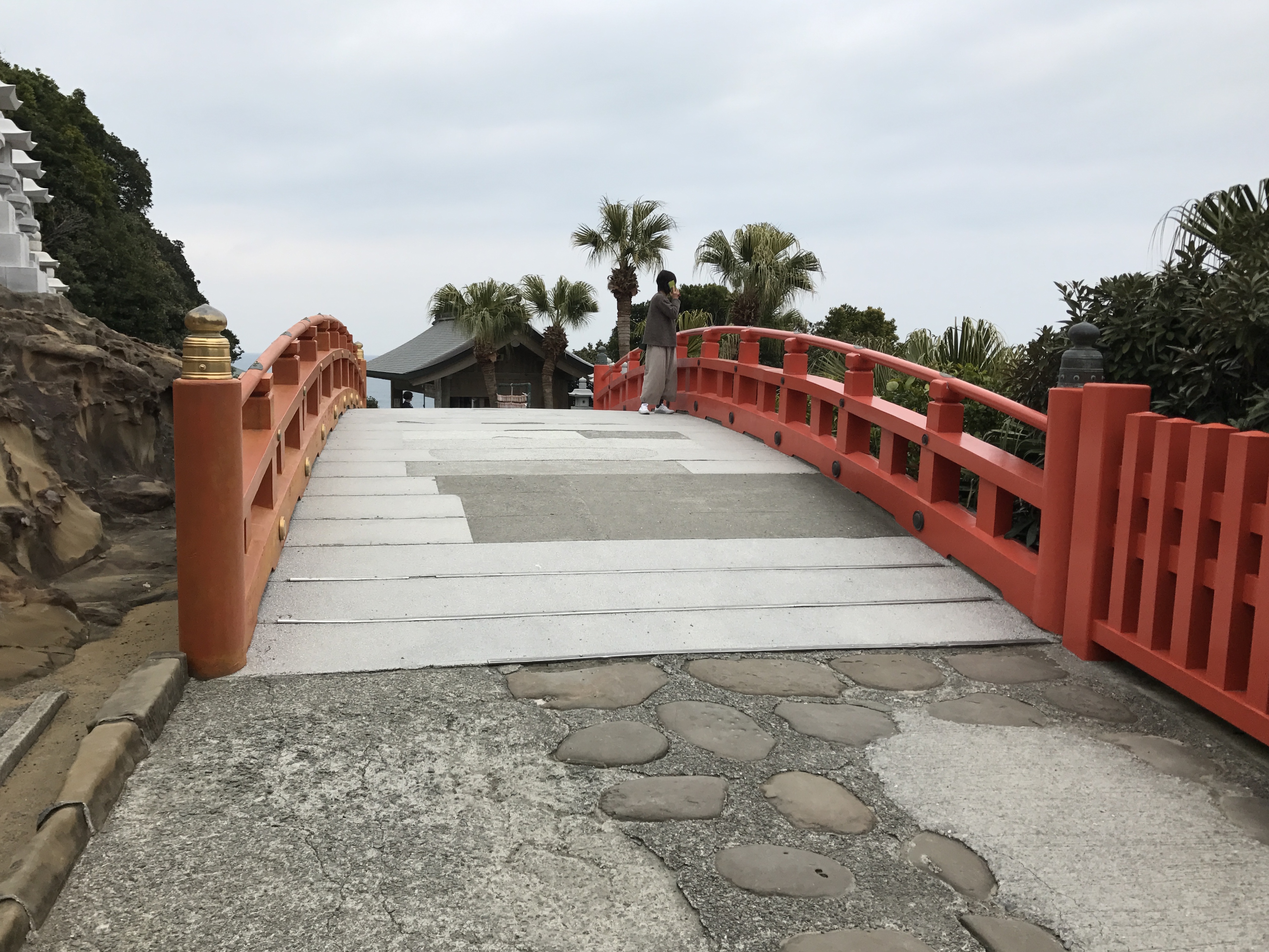
Udo Shrine: A Sacred Cave on the Miyazaki Coast
8 min · destinations
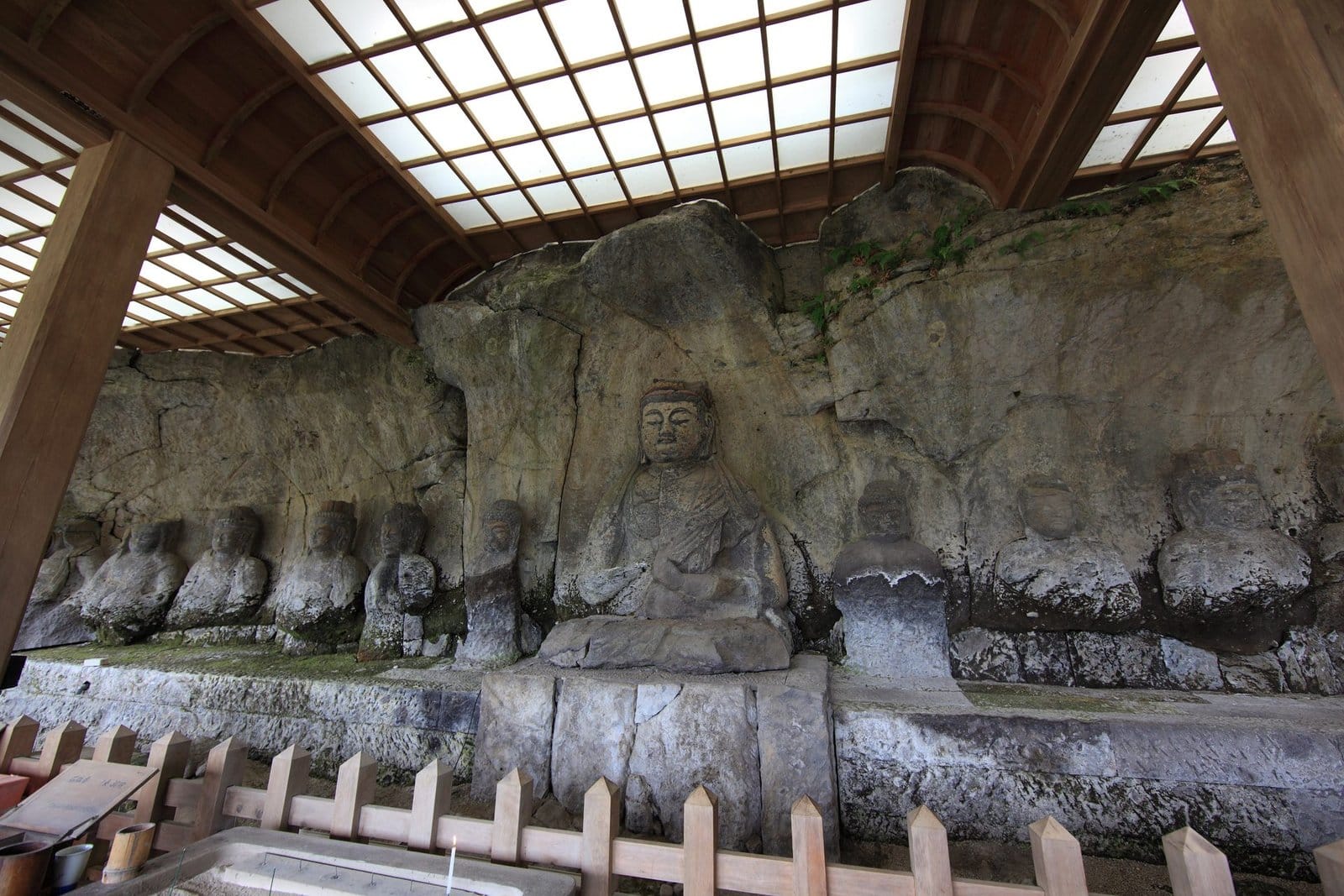
Driving Oita – A Coast-and-Mountain Drive Through Kyushu's Quietest Villages
5 min · tips

Yakushima – Japan's Ancient UNESCO Forest of Thousand-Year-Old Trees
5 min · tips
Yakushima Jomon Sugi Trekking Complete Guide: Arakawa Trailhead, 10 Hours Required, What to Wear
15 min · ハイキング