
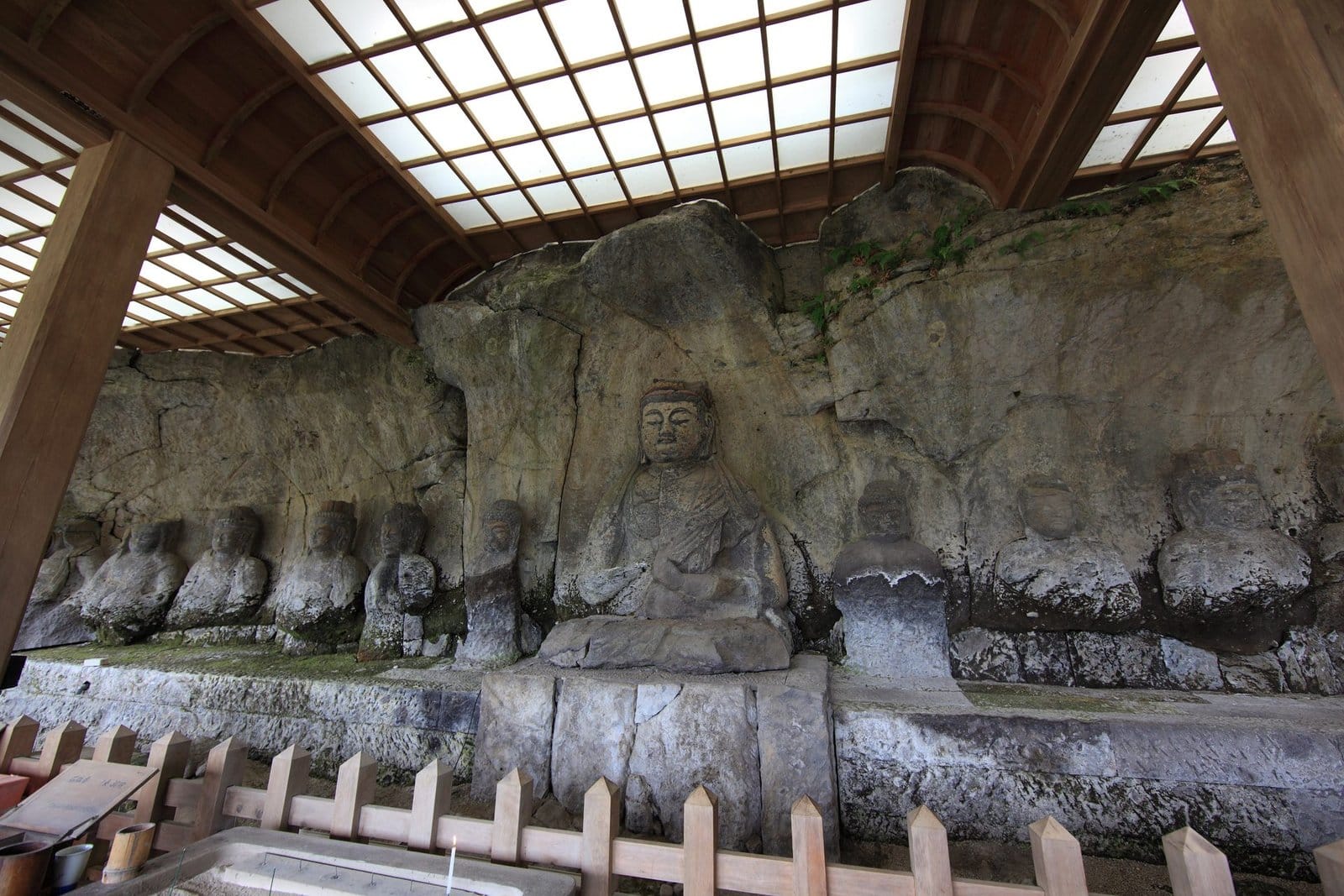
Driving Oita – A Coast-and-Mountain Drive Through Kyushu's Quietest Villages
Your complete guide to a scenic road trip through Oita Prefecture in Kyushu, Japan – the best time to visit, how to get there, unmissable viewpoints, and practical road-trip tips.
Jan 29, 2026·✍️ olablog·⏱ 5 min read
Your complete guide to a scenic road trip through Oita Prefecture in Kyushu, Japan – the best time to visit, how to get there, unmissable viewpoints, and practical road-trip tips.
Tap a region to browse articles
Japan has no shortage of jaw-dropping scenery, but the coast-and-mountain roads of Oita Prefecture belong in a category of its own. This isn't just a drive — it's the kind of road trip where you'll find yourself pulling over every few miles simply because the view demands it. Coastal cliffs, terraced hillsides, mirror-calm rivers, and villages that feel like they haven't changed in centuries: Oita delivers the Japan that travel magazines promise but rarely pinpoint.
1. What Makes a Drive Through Oita Special
A drive through Oita unfolds like a slow-burn nature documentary. Light shifts constantly here — a golden dawn over the mountains gives way to a bruised pink sunset over the sea, and no two hours look the same. It's the kind of place that makes even veteran Japan travelers reach for their cameras.
The roads themselves are part of the appeal. Switchbacks climb wooded ridges, long straights run beside rice paddies, and coastal sections hug cliffs above the Seto Inland Sea. Travelers who've done the Pacific Coast Highway or Scotland's North Coast 500 will feel a familiar thrill, but with distinctly Japanese flavors: onsen steam rising from valleys, roadside jizō statues draped in red bibs, and convenience stores that somehow appear exactly when you need them.
2. Unmissable Stops Along the Route
The Oita region hides viewpoints that don't make the guidebooks — here are the ones worth seeking out:
Main Observation Deck: A sweeping 180-degree panorama of the surrounding coast and hills. Sunrise and sunset here are consistently ranked the best in the region — arrive 20 minutes early to claim your spot.
The Ancient Tree Tunnel: Centuries-old trees arch overhead to form a natural green canopy. It's beautiful year-round but extraordinary in spring (cherry blossom season) and fall (fiery maple foliage).
The Reflection Pool: A lake or river bend near the route acts as a near-perfect mirror of the surrounding landscape — ideal for that symmetrical shot that'll break Instagram.
Summit Viewpoint: The highest accessible point in the area. On a clear day, the panorama stretches across the full width of Oita Prefecture — bring a layer; it gets breezy up top.
3. Best Time to Visit
Every season has something to offer here, but the sweet spots are April and October. Here's why:
- Weather is stable and dry — perfect for long days behind the wheel
- Seasonal scenery peaks: spring cherry blossoms in April, crimson and gold maples in October
- Golden-hour light is exceptional between 6–9 AM and 4–6 PM
- Crowds are manageable — busy enough to feel lively, quiet enough to enjoy the viewpoints
A winter visit rewards you with snow-dusted mountain roads and near-empty stops, though mountain passes can be icy — check conditions before heading up. Spring and fall remain the most photogenic seasons overall.
4. How to Explore It — Hit the Road
The honest answer: rent a car. Public transit in rural Oita is infrequent and won't drop you at the viewpoints that matter. Driving gives you the freedom to pull over the moment a gap in the treeline reveals something extraordinary, linger over lunch at a roadside restaurant, and detour down unmarked lanes that don't exist on any itinerary.
Roads through rural Oita are well-maintained, signage is clear (with romaji on most major routes), and rest areas (michi-no-eki) appear at sensible intervals — great for a coffee stop or to grab local produce.
✨ Pro tip: Book a private car through OlaChill and explore Oita entirely on your own schedule — self-drive and chauffeured options both available.
5. Sample 1–2 Day Itinerary
Day 1
- 6:00 AM – Arrive at the main observation deck for sunrise; the route glows in early morning light
- 8:00 AM – Breakfast at a local restaurant — try Oita's famous toriten (tempura chicken) or pick up rice balls from a Family Mart if you're an early starter
- 9:30 AM – Drive the main scenic corridor, stopping at viewpoints along the way
- 12:00 PM – Lunch at a michi-no-eki rest stop or roadside restaurant
- 2:00 PM – Explore secondary stops: a historic village, a waterfall, or a lakeside trail
- 5:00 PM – Check in to your hotel or ryokan
- 6:30 PM – Soak in an onsen bath, then a multi-course kaiseki dinner
Day 2
- 7:00 AM – Early breakfast and an early start to beat any day-tripper traffic
- 8:30 AM – Take a lesser-known side road or a viewpoint the crowds haven't found yet
- 11:00 AM – Head to the reflection pool for the best mirror-calm light of the day
- 1:00 PM – Leisurely lunch and a breather
- 3:00 PM – Continue to your next destination or loop back toward Oita City
6. Practical Tips for the Drive
- 📷 Golden hour is non-negotiable: The 30 minutes before and after sunrise/sunset is when the light is genuinely magical — set an alarm
- 🚗 Book your car early: During peak season (April, October) rental cars in rural Kyushu sell out fast — reserve at least 1–2 weeks ahead
- ⛽ Fill up whenever you can: Gas stations are spread out in rural Oita; don't assume there's one around the next bend
- 📱 Download offline maps: Save Google Maps for the Oita region before you leave the city — cell coverage gets patchy in the mountains
- 🍙 Stock up at convenience stores: 7-Eleven and Family Mart are your best friends on this route — surprisingly great sandwiches, hot coffee, and onigiri at every stop
- ☁️ Check the forecast: Especially important in winter or the June rainy season — mountain roads can close with little warning
More from this region — Kyushu
View all →
Yakushima – Japan's Ancient UNESCO Forest of Thousand-Year-Old Trees
5 min · tips
Yakushima Jomon Sugi Trekking Complete Guide: Arakawa Trailhead, 10 Hours Required, What to Wear
15 min · ハイキング
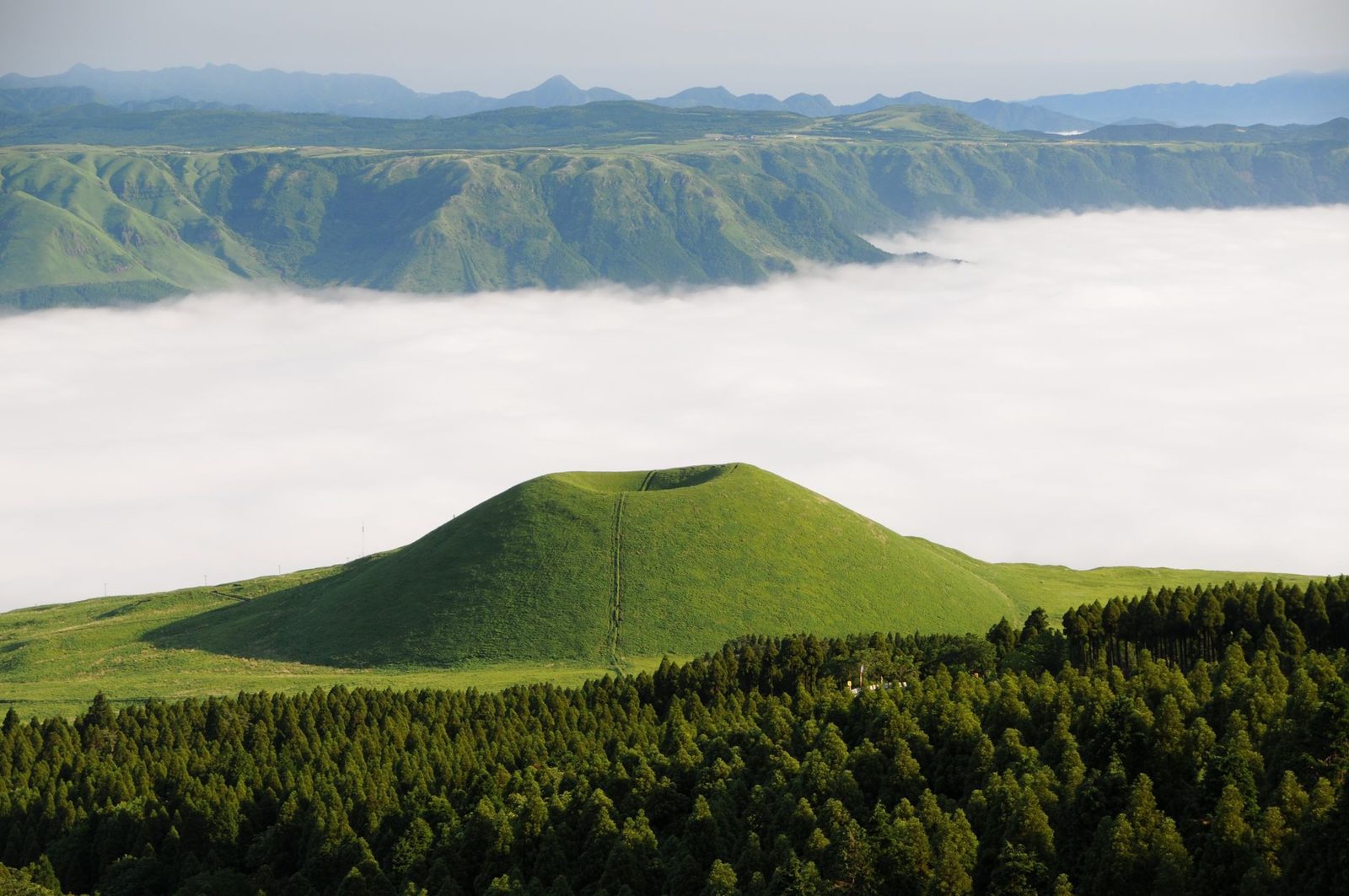
Yamanami Highway – A Jaw-Dropping Drive Through Kyushu's Volcanic Highlands
5 min · tips
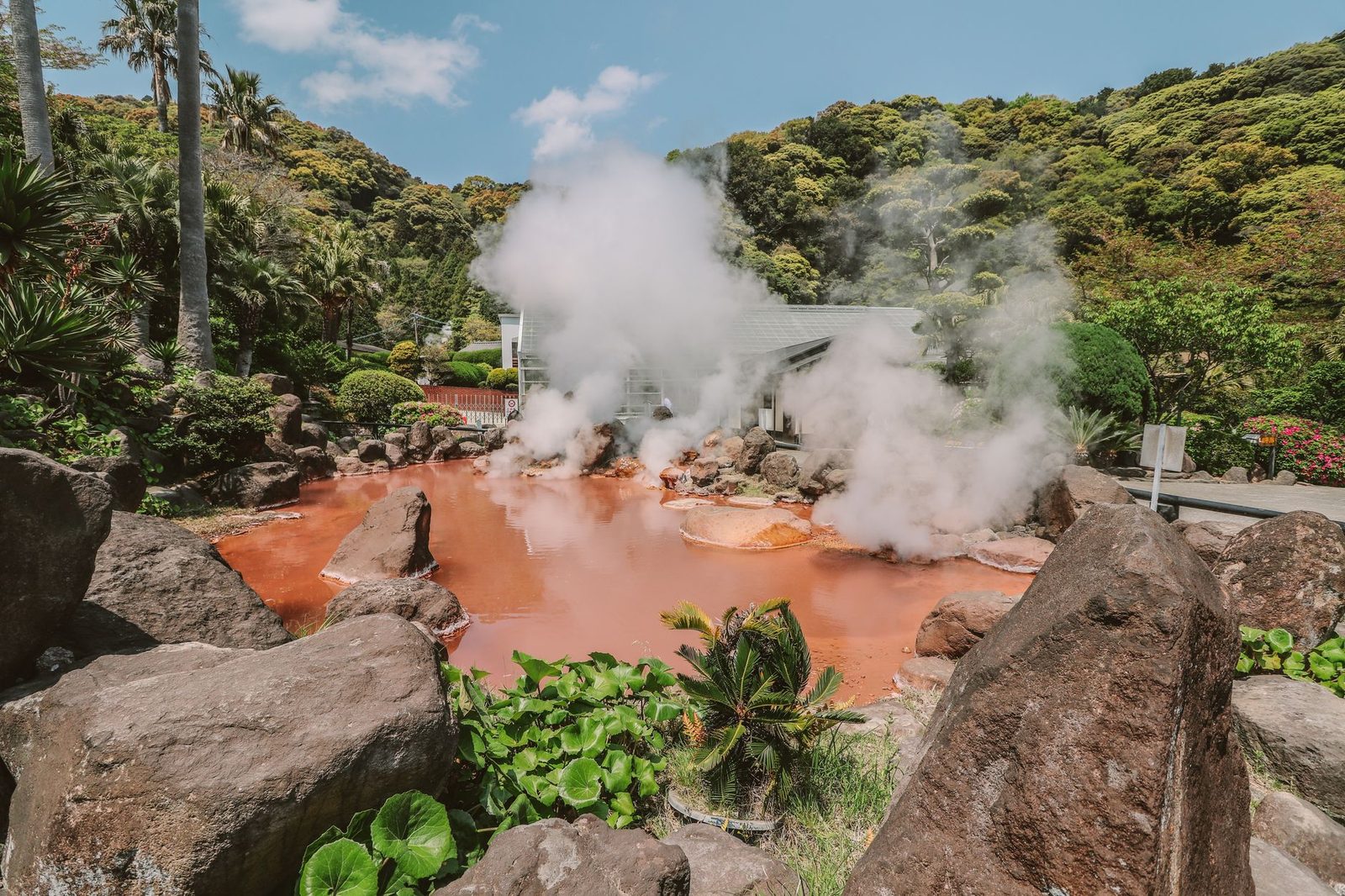
7-Day Kyushu Itinerary — Fukuoka Ramen, Beppu Hells, Yufuin Onsen, Aso Volcano
9 min · itineraries