
Amakusa Islands, Kumamoto: Dolphins, Sakitsu and the Five Bridges
Amakusa Islands guide: wild dolphin watching, UNESCO-listed Sakitsu, the Five Bridges drive, sunset viewpoints and seafood, with fees, hours and drive times.
Apr 5, 2026·✍️ olablog·⏱ 12 min read
Amakusa Islands guide: wild dolphin watching, UNESCO-listed Sakitsu, the Five Bridges drive, sunset viewpoints and seafood, with fees, hours and drive times.
Tap a region to browse articles
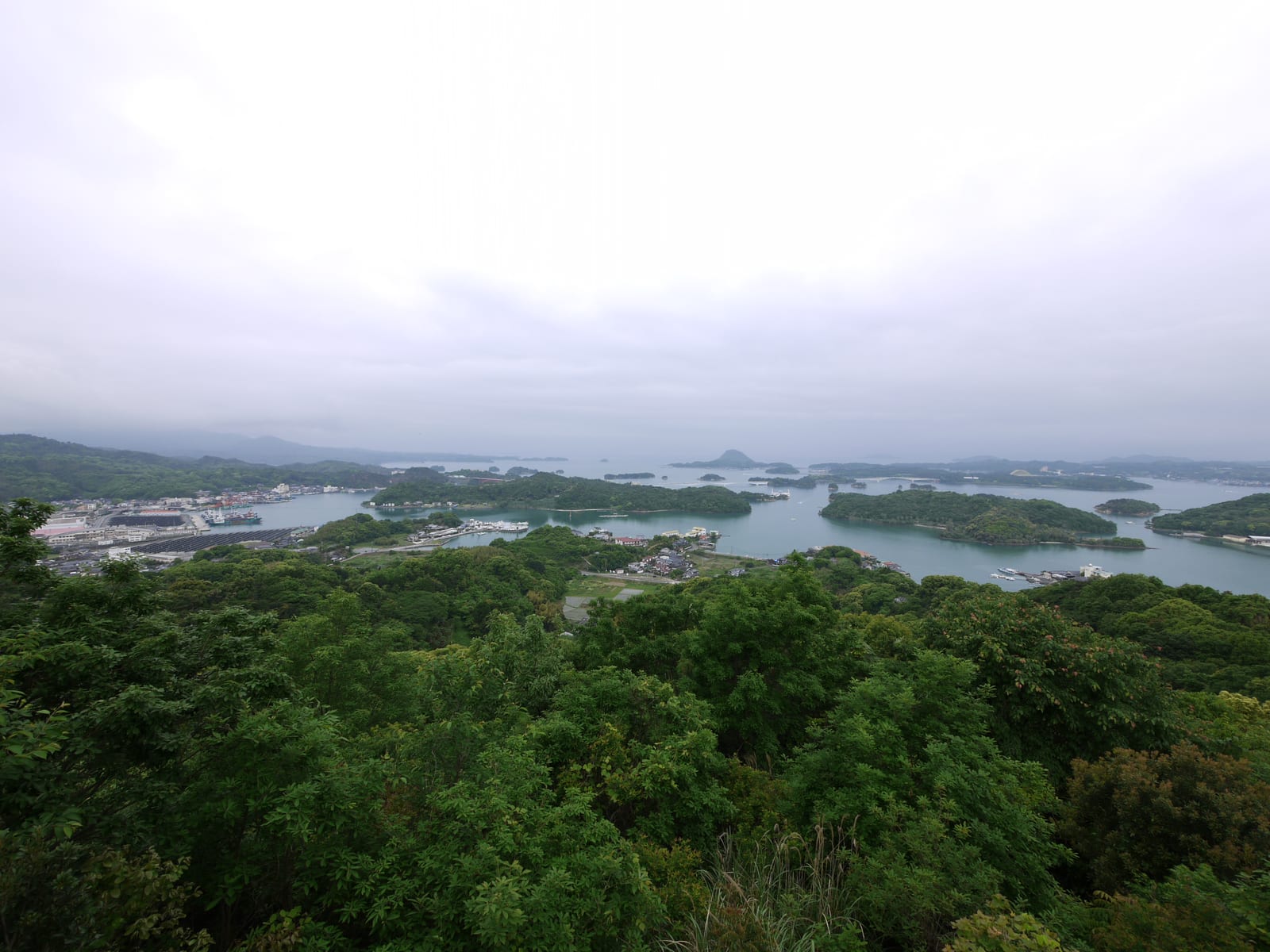
The Amakusa Islands, in the southwest of Kumamoto Prefecture, are a scenic archipelago where more than 120 islands, large and small, meet a deep-rooted history of Japan's early Christians. They are linked to the Kyushu mainland by the Amakusa Five Bridges, so you can drive straight in, and in recent years they have been drawing attention as a hidden-gem resort that is easy to reach. Emerald-green sea, unspoilt nature, fresh seafood and hot springs: Amakusa has plenty to win over its visitors.
This guide covers everything you need to enjoy a stay in the islands in depth: their history and geography, the activities worth building a trip around, the best viewpoints, the local seafood, how to get there and get around, and which season suits what you want to do.
1. What are the Amakusa Islands? History and geography
The Amakusa Islands straddle Kumamoto and Kagoshima prefectures. They are bordered by the Ariake Sea to the north, the Yatsushiro Sea (also called the Shiranui Sea) to the east and southeast, and the Amakusa-nada, part of the East China Sea, to the west and southwest. The islands are also known by the alternative name Reishu. The two main islands are Shimoshima, which at 574.01 square kilometres is the eighth-largest island in Japan outside the four main islands, and Kamishima. Other islands include Nagashima, Oyanojima, Shishijima and Goshourajima.
People have lived here since the Jomon period, and in the medieval era the islands were divided among local lords known as the Amakusa Goninshu, the "Five Lords of Amakusa". The most famous chapter of local history is the Shimabara–Amakusa Uprising of the early Edo period. Christianity had spread widely in this region, and farmers crushed by harsh taxes and the persecution of Christians rose up with Amakusa Shiro as their commander. Because of this history, Amakusa is also known as the "islands of the Christians", and many churches and related sites are still scattered across the islands today.
Since the Great Heisei municipal mergers, the Kumamoto side of the archipelago has been organised into two cities and one town: Amakusa City, Kami-Amakusa City and Reihoku Town in Amakusa District. Amakusa City alone is vast: driving from the Hondo district, where the city hall stands, to the Ushibuka district in the south takes more than an hour, and each area has its own culture and scenery.
2. Things to do in the Amakusa Islands
The islands offer a wide range of activities that make the most of their natural setting.
2-1. Wild dolphin watching, with a sighting rate of over 99%
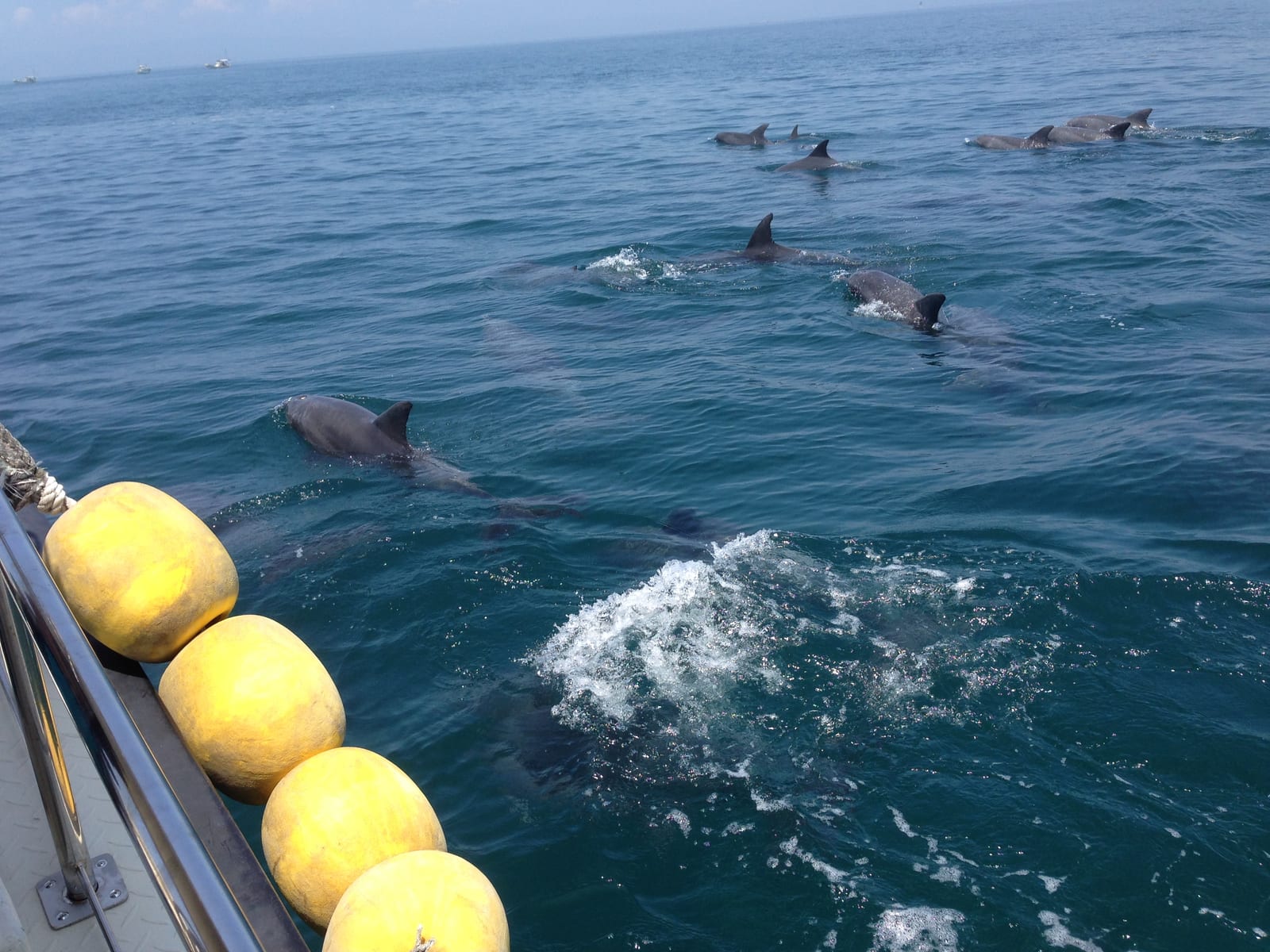
If there is one thing you should not miss in Amakusa, it is wild dolphin watching. Around 200 wild Indo-Pacific bottlenose dolphins live off Itsuwa-machi in Amakusa City, and the chance of meeting them is said to be over 99% all year round. Watching dolphins swim and leap right beside the boat is a moving experience for adults and children alike.
- Main departure point: around Futae fishing port, Itsuwa-machi, Amakusa City
- Duration: about 1 hour to 1 hour 30 minutes
- Typical price: adults about ¥3,000–4,000, children about ¥2,000 (varies by tour operator)
- Booking: reserving in advance is recommended.
2-2. History and culture at the World Heritage "Sakitsu Village"
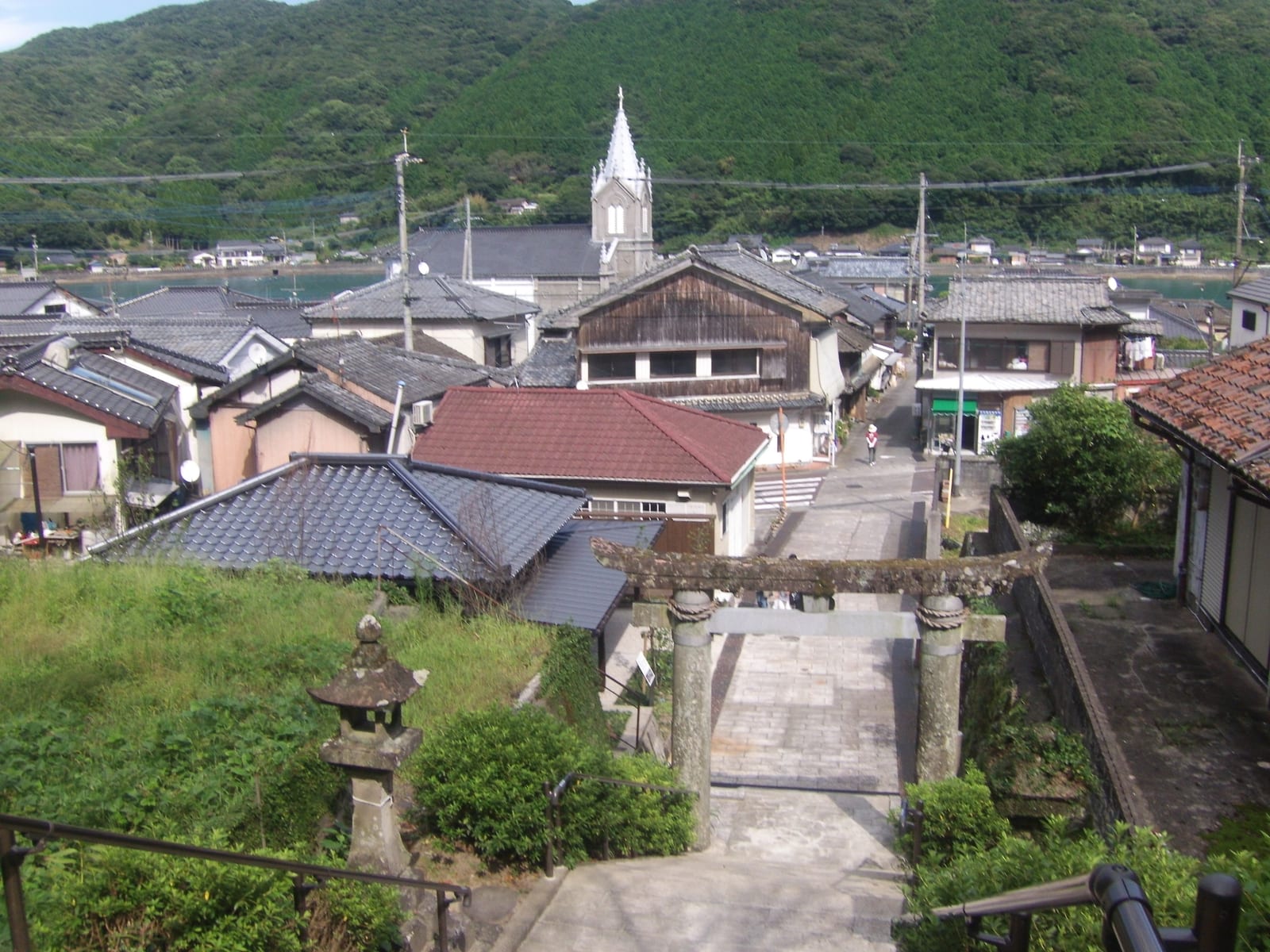
Sakitsu Village, a small fishing settlement in the south of the islands, is inscribed on the UNESCO World Heritage list as one of the Hidden Christian Sites in the Nagasaki and Amakusa region. It is a precious place that tells the story of the Hidden Christians, who kept their faith alive through the years when it was banned. Sakitsu Church, at the heart of the village, is known for its tatami-matted interior, a space where Japanese and Western styles blend in a way you rarely see.
- Address: Sakitsu, Kawaura-machi, Amakusa City, Kumamoto (熊本県天草市河浦町崎津)
- Access: about 1 hour by car from Amakusa Airport, or about 1 hour 15 minutes by bus from Amakusa Hondo Bus Center.
- Visiting: you may need to contact the church in advance to see the interior.
- Fee: free (donations towards the church's upkeep are welcome but optional).
2-3. Learn the history at the Amakusa Christian Museum
If you want to understand Amakusa's Christian history properly, head to the Amakusa Christian Museum (Amakusa Kirishitan-kan). Its collection of around 200 items is led by the battle banner of Amakusa Shiro, the central figure of the Shimabara–Amakusa Uprising; the banner is a nationally designated Important Cultural Property. You will also see fumie (religious images suspected Christians were forced to step on) and Maria Kannon statues. The exhibition is divided into four zones and explains, in an easy-to-follow way, the story from the arrival of Nanban (European) culture through the uprising to the history of faith that followed.
- Address: 19-52 Funenoo-machi, Amakusa City, Kumamoto (熊本県天草市船之尾町19-52)
- Opening hours: 9:00–17:00 (last admission 16:30)
- Closed: Tuesdays (the following weekday if Tuesday is a public holiday), and 30 December–1 January
- Admission: general ¥300, high school students ¥200, elementary and junior high school students ¥150 (group discounts available)
- Access: about 15 minutes by car from Amakusa Airport, or about 1 hour 40 minutes by car from Matsubase IC on the Kyushu Expressway.
- Time to allow: 30 to 60 minutes
3. Amakusa's most spectacular viewpoints
The islands are full of places with breathtaking views. These three are the highlights.
3-1. Driving the Amakusa Pearl Line (Amakusa Five Bridges)
The Amakusa Five Bridges connect the Kyushu mainland with the Amakusa islands. Also known as the Amakusa Pearl Line, the route is a superb scenic drive past the islands of Amakusa Matsushima, one of Japan's "three great Matsushima" island landscapes. Each of the five bridges has its own structure and design, and together they sit beautifully in the scenery. At dusk the sun sinks towards the horizon and turns the sea gold, a sight that stays with you.
- Route: along National Route 266, from Oyano-machi to Matsushima-machi, Kami-Amakusa City
- Total length: about 17.4 km
- Highlight: from the Takabutoyama Observatory you can see the whole of Amakusa Matsushima and all five bridges at once.
3-2. Rock formations and sunsets at the Onigaura Observatory
The Onigaura Observatory is one of the most scenic spots on Amakusa's west coast. From here you can see, up close, the dramatic rock formations sculpted by the rough waves of the Amakusa-nada. It has been selected as one of "Japan's 100 Best Sunsets", and the romantic view of the sun dropping below the horizon is not to be missed. A walking path leads down from the observatory to the shore, so you can feel the power of the rocks for yourself.
- Address: Shimoda-kita, Amakusa-machi, Amakusa City, Kumamoto (熊本県天草市天草町下田北)
- Access: about 50 minutes by car from Amakusa Airport, or about 2 hours 40 minutes by car from Kumamoto City.
- Parking: available (about 15 cars)
3-3. Kuratake Shrine, the "torii in the sky"
Kuratake Shrine stands on the summit of Mount Kuratake, which at 682 metres is the highest peak in the Amakusa Islands. It has become popular on social media as the "torii in the sky": seen through the gate, the sea, the sky and the islands floating on the calm water make the torii look as if it is suspended in mid-air, which makes for a genuinely magical photo. The road to the top is narrow and steep, but there is a car park just below the summit, and a short climb up the steps brings you to the view.
- Address: Miyata, Kuratake-machi, Amakusa City, Kumamoto (熊本県天草市倉岳町宮田)
- Access: about 1 hour 15 minutes by car from Amakusa Airport; about 20 minutes by car from the foot of the mountain.
- Parking: available, just below the summit.
4. Amakusa's seafood
Surrounded by rich seas, the Amakusa Islands are known as a treasure house of seafood, and dishes made with the freshest local catch are one of the great pleasures of a visit.
- Ise-ebi (spiny lobster): in season from about September to May; treat yourself to it as sashimi or onigawara-yaki (grilled in its shell).
- Sea urchin (uni): several kinds are caught around Amakusa through the year, but the red sea urchin landed from about July to September is especially popular for its rich flavour.
- Kuruma prawns: Amakusa is the birthplace of kuruma prawn farming, and its output ranks among the highest in Japan. Wild prawns are at their best in summer, farmed ones from autumn to winter.
- Octopus: raised in fast currents, Amakusa octopus has a firm, springy bite; try it in tako-meshi (octopus rice) or as sashimi.
Restaurants serving this seafood are scattered all over the islands. Two popular places for fresh local fish and shellfish are Kaisenya Fukushin (海鮮家 福伸) in Matsushima-machi, Kami-Amakusa City, and Ikesu Ryori Toraya (いけす料理 とらや) in Amakusa City. Whether you choose a seafood rice bowl (kaisen-don) or sushi, make time to taste Amakusa at its best.
5. Getting to the Amakusa Islands and getting around
Depending on where you start, the journey to Amakusa can involve a flight, JR trains, a highway bus or a ferry. Once you are on the islands, a rental car is by far the most convenient way to get around.
5-1. Travel times from key starting points
Approximate journey times to the main sights, to help you plan your days:
| From | To | How | Time |
|---|---|---|---|
| Kyushu Expressway, Matsubase IC | Amakusa Christian Museum | Car | About 1 hour 40 minutes |
| Kumamoto City | Onigaura Observatory | Car | About 2 hours 40 minutes |
| Amakusa Airport | Amakusa Christian Museum | Car | About 15 minutes |
| Amakusa Airport | Onigaura Observatory | Car | About 50 minutes |
| Amakusa Airport | Sakitsu Village | Car | About 1 hour |
| Amakusa Airport | Kuratake Shrine | Car | About 1 hour 15 minutes |
| Amakusa Hondo Bus Center | Sakitsu Village | Bus | About 1 hour 15 minutes |
| Hondo district | Ushibuka district | Car | More than 1 hour |
5-2. Why a car makes sense on the islands
- Distances are longer than they look. Amakusa City alone takes more than an hour to cross from Hondo to Ushibuka, and the main sights sit in different corners of the islands.
- Some viewpoints are hard to reach without one. The road up Mount Kuratake is narrow and steep, and the car park just below the summit is what makes the "torii in the sky" easy to visit.
- The drive is part of the trip. The Amakusa Pearl Line is a destination in its own right, and both the Onigaura Observatory and Kuratake Shrine have their own parking.
- By bus, allow plenty of time. Sakitsu Village can be reached by bus from Amakusa Hondo Bus Center, but the ride takes about 1 hour 15 minutes each way.
If you want to explore at your own pace, you can book a rental car with OlaChill. Timetables, opening hours and fees can change, so check the latest information with each operator before you travel.
6. When to visit
Amakusa has no single "right" season. Choose by what you want to see and eat:
| Season | Highlights |
|---|---|
| Spring | Ise-ebi still in season (until about May) |
| Summer | Wild kuruma prawns; red sea urchin from about July to September |
| Autumn | Ise-ebi season returns from about September; farmed kuruma prawns come into season |
| Winter | Ise-ebi and farmed kuruma prawns in season |
| All year | Wild dolphins (sighting rate said to be over 99%), sunsets over the Amakusa-nada and the Pearl Line drive |
Whatever the season, try to keep an evening free for the sunset: the Onigaura Observatory and the Pearl Line are both at their most beautiful as the sun goes down.
Final thoughts
Amakusa rewards travellers who take their time. In a few days you can meet wild dolphins off Itsuwa, walk through the Hidden Christian village of Sakitsu, stand among the rocks at Onigaura as the sun sets, photograph the "torii in the sky" on Mount Kuratake and finish each day with Ise-ebi, sea urchin or kuruma prawns fresh from the surrounding seas. Cross the Five Bridges, slow down, and let the islands show you a side of Kyushu that most visitors never see.
Planning a wider trip? Pair Amakusa with the vast landscapes of Aso Caldera, also in Kumamoto, or build it into a 7-day Kyushu itinerary.
More from this region — Kyushu
View all →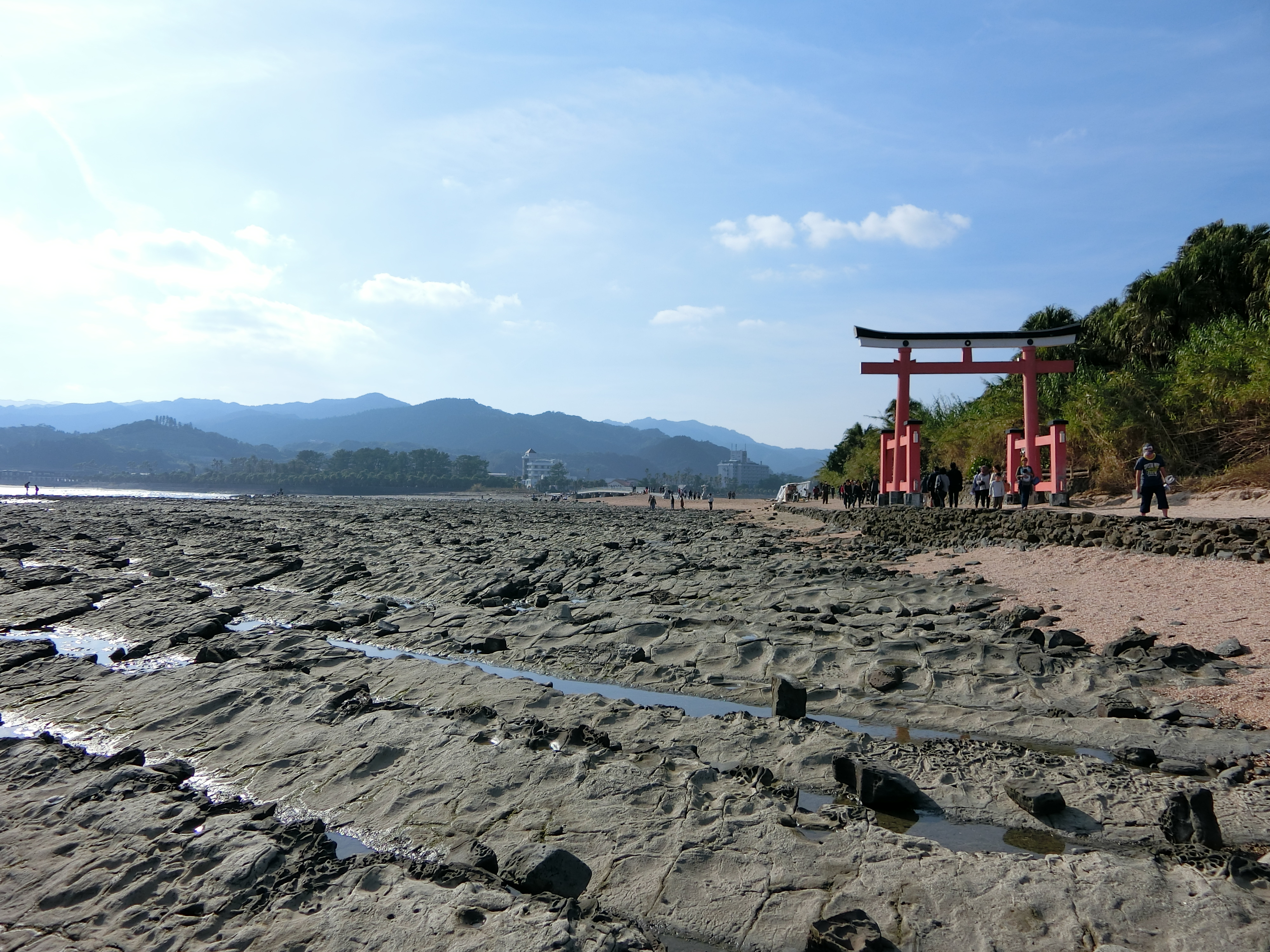
Aoshima Island and Miyazaki’s Devil’s Washboard Coast
8 min · destinations
Aso Caldera, Kumamoto: Crater, Kusasenri, Daikanbo and Onsen
16 min · tips
Aso Milk Road Drive Guide: Outer-Rim Lookouts, Food Stops and Onsen
12 min · tips
Beppu's Eight Hot Springs and Hell Tour: The Complete One-Day Course Featuring Umi Jigoku and Chinoike Jigoku
16 min · destinations