
Aoshima Island and Miyazaki’s Devil’s Washboard Coast
Explore Aoshima Shrine, wave-shaped coastal rocks, tropical scenery and sunset views on Miyazaki’s laid-back Nichinan Coast.
Aug 25, 2026·✍️ olablog·⏱ 8 min read
Explore Aoshima Shrine, wave-shaped coastal rocks, tropical scenery and sunset views on Miyazaki’s laid-back Nichinan Coast.
Tap a region to browse articles
A tropical island at the edge of Miyazaki
Aoshima is one of Miyazaki’s easiest coastal escapes: a small, green island joined to the mainland by a pedestrian bridge, with a shrine hidden among subtropical trees and a broad sweep of unusual rock formations around its shore.
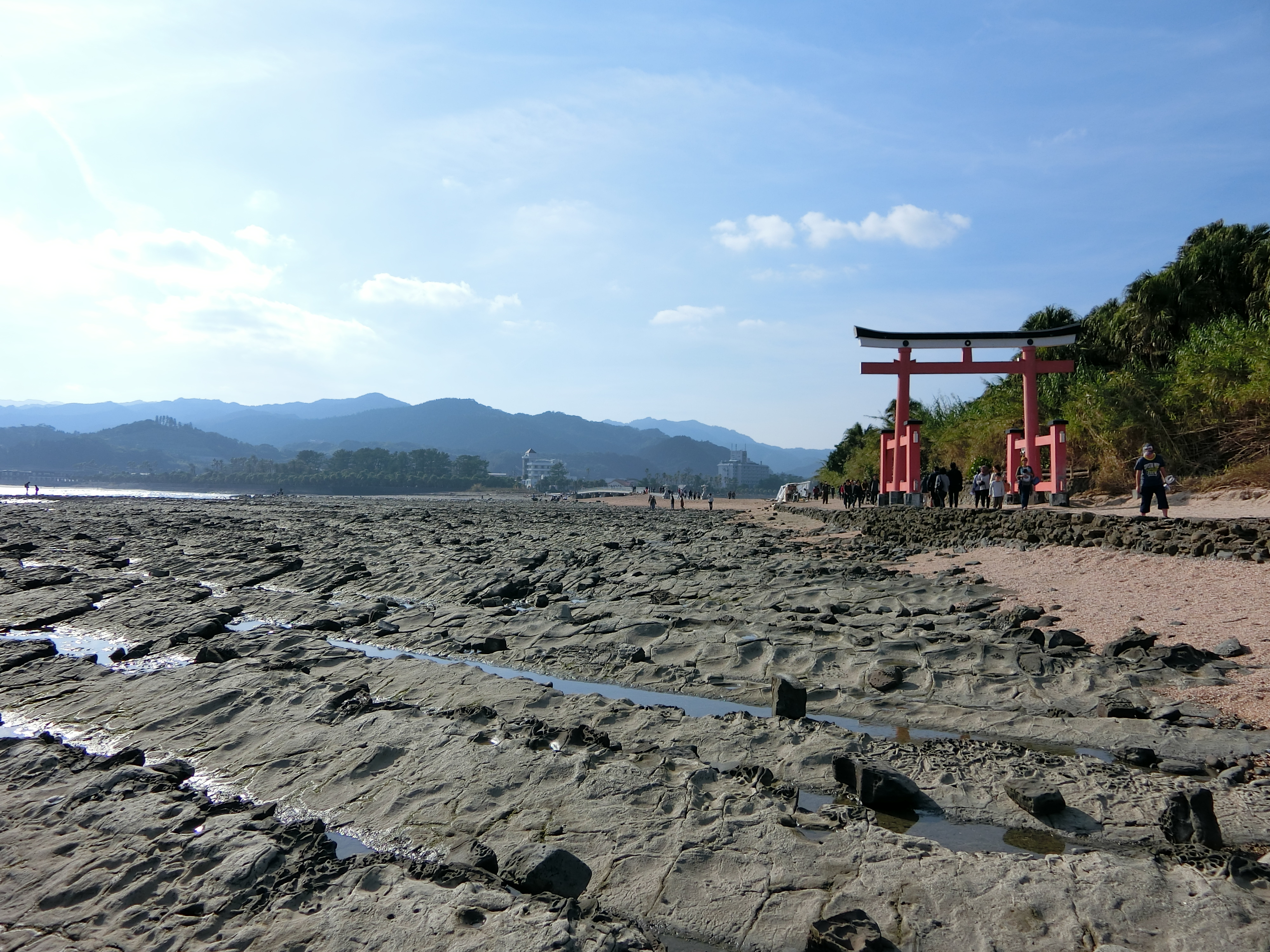
The rocks are known in Japanese as Oni no Sentakuita, usually translated as the “Devil’s Washboard”. Their ridged surface looks like a giant stone washboard running along the coast. The layers were formed from alternating sandstone and mudstone, then shaped over time by waves and weather. At low tide, the patterned rocks emerge clearly from the water; at high tide, much of the formation is covered.
Aoshima has a distinctly Miyazaki atmosphere. Palm-like plants and dense greenery surround the shrine, while the sea, open skies and warm light give the island a relaxed, almost subtropical character. It is a rewarding stop for travelers who want scenery and local culture without committing to a difficult hike.
What to see on Aoshima Island
Cross the bridge and walk through the island forest
The approach to Aoshima is part of the experience. From the mainland, follow the pedestrian bridge over the water and look back towards the coast as the island grows closer. The walk is straightforward, but strong sun and sea wind can make it feel more exposed than expected, so bring water and sun protection.
A path leads through the island’s greenery towards Aoshima Shrine. The shrine is associated with good fortune, relationships and safe connections, and its bright vermilion buildings stand out against the deep green of the surrounding forest. The route is peaceful even when the beach and bridge are busy.
Take time to notice the vegetation. Aoshima’s mild coastal climate supports plants that feel different from the forests found inland, adding to the island’s tropical impression. The combination of shrine architecture, palms, sea air and filtered light makes this one of Miyazaki’s most atmospheric short walks.
See the Devil’s Washboard at low tide
The Devil’s Washboard surrounds much of Aoshima and continues along sections of the nearby coast. The regular ridges are particularly striking when viewed from slightly above or from the bridge approach. At low tide, you can see the formations stretching out in long, uneven bands, with pools of seawater caught between the ridges.
Check the tide before setting out if the rock formations are a priority. Visibility changes considerably throughout the day, and the best conditions are not necessarily at the most convenient travel time. The rocks can also be slippery, especially after rain or when covered with algae. Stay on safe, accessible surfaces, keep away from breaking waves and avoid climbing onto unstable edges.
The coast is beautiful in changing weather. Bright sunshine brings out the blue-green water, while a cloudy afternoon can make the rock patterns look more dramatic. Sunset is especially appealing, as the low light emphasizes the ridges and gives the surrounding sea a warm glow.
How to get to Aoshima from Miyazaki
Miyazaki City is the nearest major hub. From Miyazaki Station, the most scenic and straightforward option is the JR Nichinan Line to Aoshima Station. The journey is roughly 30–40 minutes on services that stop there, followed by a walk through the town and across the bridge. Check the current timetable before travelling, as services can be less frequent than city trains.
Buses are useful if you are already exploring the southern side of Miyazaki or travelling from areas not well served by rail. Miyazaki Kotsu operates services along the coast, including routes serving the Aoshima area. Depending on your starting point, the bus may take you closer to the bridge or allow you to continue towards other Nichinan Coast sights.
| Travel option | Best for | What to expect |
|---|---|---|
| JR Nichinan Line | Visitors starting at Miyazaki Station | Roughly 30–40 minutes to Aoshima Station, followed by a walk |
| Miyazaki Kotsu buses | Flexible coastal sightseeing | Useful for combining Aoshima with stops farther south; check the current route and timetable |
| Rental car | Travelers covering the Nichinan Coast | More freedom for scenic viewpoints and shrines, with parking conditions varying by stop |
Travel times are approximate. Confirm current train and bus schedules with the official transport operators before departure, particularly on weekends, holidays and during severe weather.
How long should you spend?
Allow half a day for a comfortable visit to Aoshima. This gives you time to cross the bridge, walk to Aoshima Shrine, explore the shoreline and pause for photographs without rushing.
A shorter visit of around two hours works if you are mainly interested in the shrine and Devil’s Washboard. If you are travelling by car and continuing south, Aoshima can also be a natural morning or late-afternoon stop.
For the best experience, arrive with enough flexibility to wait for a more favourable tide or stay until the light changes. The island is compact, but the surrounding coast rewards a slower pace.
When to visit
Spring and autumn are usually the most comfortable seasons for walking outdoors. Every spring, warm weather and fresh greenery make the shrine approach especially pleasant, while autumn brings clear days and softer light along the coast.
Summer has the strongest tropical feel, but the sun can be intense and humidity high. Start early or visit later in the afternoon, and carry water. Swimming conditions and beach access can vary, so follow local signs and safety guidance.
Winter is cooler but often offers crisp views and quieter paths. It can be an excellent season for photography, particularly on clear days. Whenever you visit, check the tide forecast and the weather before walking near the rocks. Opening arrangements, transport times and any local access rules can change, so confirm details through official sources.
What to eat around Aoshima
Aoshima’s seaside cafés and casual restaurants are a good place to try Miyazaki-style food between walks. Look for cold noodles or other chilled noodle dishes on warm days, along with local specialities such as chicken dishes and refreshing citrus-based drinks.
A simple lunch followed by a slow coastal walk suits the area better than a tightly scheduled meal stop. In the evening, consider returning to Aoshima or nearby Miyazaki City for a wider choice of restaurants. If you plan to eat at a particular small establishment, check its latest opening information in advance, as local schedules can vary.
Nearby places to combine with Aoshima
Aoshima Onsen
Just inland from the island, Aoshima Onsen is an easy addition to a relaxed day. A bath or stay in the area pairs naturally with the sea air and short walks, making it a good choice after spending time around the Devil’s Washboard.
Horikiri Pass
Continue south along the coast to Horikiri Pass, where the road opens onto broad views of the Pacific and the Nichinan shoreline. It is a worthwhile scenic stop when driving, especially in clear weather.
Udo Shrine
Further down the Nichinan Coast, Udo Shrine is built into a dramatic seaside cave. The setting is very different from Aoshima’s low island and forested shrine approach, making the two sites a satisfying combination for travelers following the coast south.
If you have more time, continue towards Sun Messe Nichinan, known for its coastal setting and distinctive statues. Check current access information before adding it to your route.
Plan your Miyazaki coast day
A practical itinerary is to take the JR Nichinan Line from Miyazaki in the morning, visit Aoshima Shrine and the Devil’s Washboard around a favourable tide, enjoy a chilled noodle lunch, then continue south by bus or car. Return to Aoshima for sunset if your schedule allows, or stay overnight near the coast for a quieter evening.
For more ideas and bookable experiences, visit OlaChill’s Miyazaki destination hub.
FAQ
Is Aoshima Island suitable for an independent trip?
Yes. The island is connected to the mainland by a pedestrian bridge, and the main sights are close together. The JR Nichinan Line makes it accessible from Miyazaki City without a car.
When can I see the Devil’s Washboard?
The rock formations are most visible around low tide. Check a current tide forecast before travelling, and remember that the surface can be slippery and exposed to waves.
How much time do I need at Aoshima?
Two hours is enough for a quick visit to the shrine and coast. Half a day is better if you want to explore slowly, take photographs, eat nearby and wait for sunset or a better tide.
Can I visit Aoshima and Udo Shrine in one day?
Yes, especially with a rental car or a carefully planned bus itinerary. The two sites are along the Nichinan Coast, but transport services may be infrequent, so check the latest schedules before setting out.
More from this region — Kyushu
View all →
Aso Caldera, Kumamoto: Crater, Kusasenri, Daikanbo and Onsen
16 min · tips
Aso Milk Road Drive Guide: Outer-Rim Lookouts, Food Stops and Onsen
12 min · tips
Beppu's Eight Hot Springs and Hell Tour: The Complete One-Day Course Featuring Umi Jigoku and Chinoike Jigoku
16 min · destinations
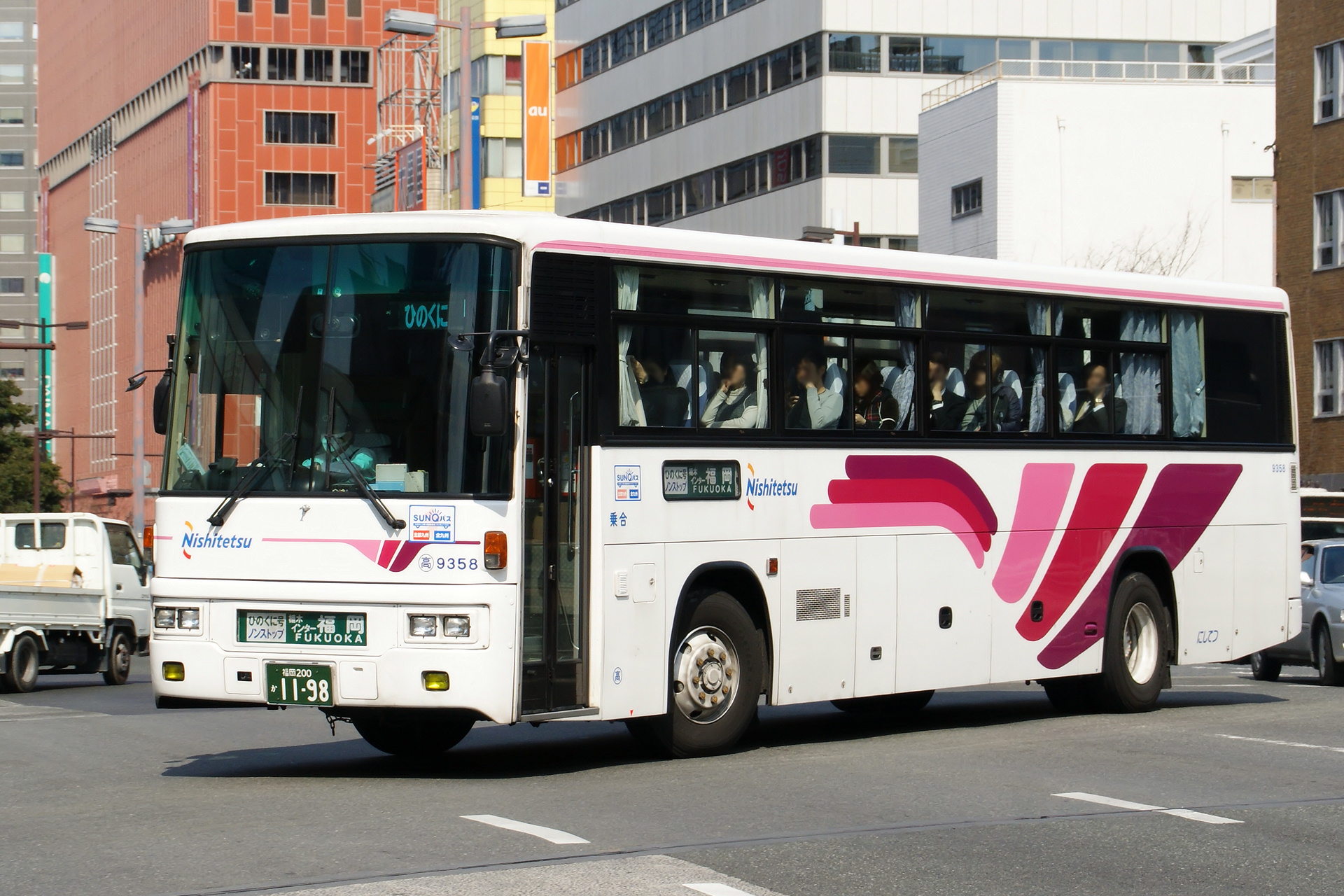
Chartering a 45-Seat Bus in Fukuoka: A Complete Group Travel Guide
8 min · tips