Beppu's Eight Hot Springs and Hell Tour: The Complete One-Day Course Featuring Umi Jigoku and Chinoike Jigoku
The complete guide to enjoying Beppu's iconic “Hell Tour” in one day. Focusing on the cobalt-blue Umi Jigoku and the vivid-red Chinoike Jigoku, this guide covers transportation, nearby food, and tips for avoiding common mistakes.
Apr 1, 2026·✍️ olablog·⏱ 16 min read
The complete guide to enjoying Beppu's iconic “Hell Tour” in one day. Focusing on the cobalt-blue Umi Jigoku and the vivid-red Chinoike Jigoku, this guide covers transportation, nearby food, and tips for avoiding common mistakes.
Tap a region to browse articles
One of Beppu's must-see attractions is the “Beppu Hell Tour.” As of 2026, its dramatic power and mysterious atmosphere continue to fascinate visitors. In particular, the beautiful cobalt-blue waters of Umi Jigoku and the striking red hot mud bubbling up from underground at Chinoike Jigoku are the highlights of the tour. This guide introduces a complete one-day itinerary centered on these two hells, allowing you to fully experience Beppu's charms. Whether you are visiting for the first time or returning for another trip, use this guide to plan a memorable journey through Beppu.
An Overview of Beppu's Eight Hot Springs and the Hell Tour: The Diverse Hot-Spring Culture of the “Onsen Capital”
Beppu City is known as an onsen capital, or “Sento,” boasting Japan's highest total volume of spring water and largest number of hot-spring sources. Among its hot springs, eight major areas with distinct temperatures, water qualities, and scenery are collectively known as Beppu Hatto, or Beppu's Eight Hot Springs. The Kamegawa, Shibaseki, Kannawa, Myoban, Kankaiji, Horita, Hamawaki, and Beppu hot-spring areas each have their own character and offer a wide range of bathing experiences.
The Hell Tour is a sightseeing course that visits places where steam, hot mud, and boiling water forcefully burst from the ground in the Kannawa and Shibaseki districts, which are part of Beppu's Eight Hot Springs. These springs have continued to erupt for more than approximately 1000 years, and their violent appearance led people to call them “hells.” Today, seven hells are open to visitors: Umi Jigoku, Oniishibozu Jigoku, Kamado Jigoku, Oniyama Jigoku, Shiraike Jigoku, Chinoike Jigoku, and Tatsumaki Jigoku. Each has its own water quality, colors, and scenery, ensuring that every stop offers something different.
A combination ticket for the Hell Tour costs 2,400円(大人1名、2025年2月1日より) and allows admission to all seven hells. Individual admission to each hell costs 450円. If you plan to visit all seven, the combination ticket is the better value. All of the hells generally share opening hours of 8:00〜17:00 and are open year-round. It is recommended that you check the official website for the latest details.
Start Here! An In-Depth Look at the Cobalt-Blue Spectacle of Umi Jigoku
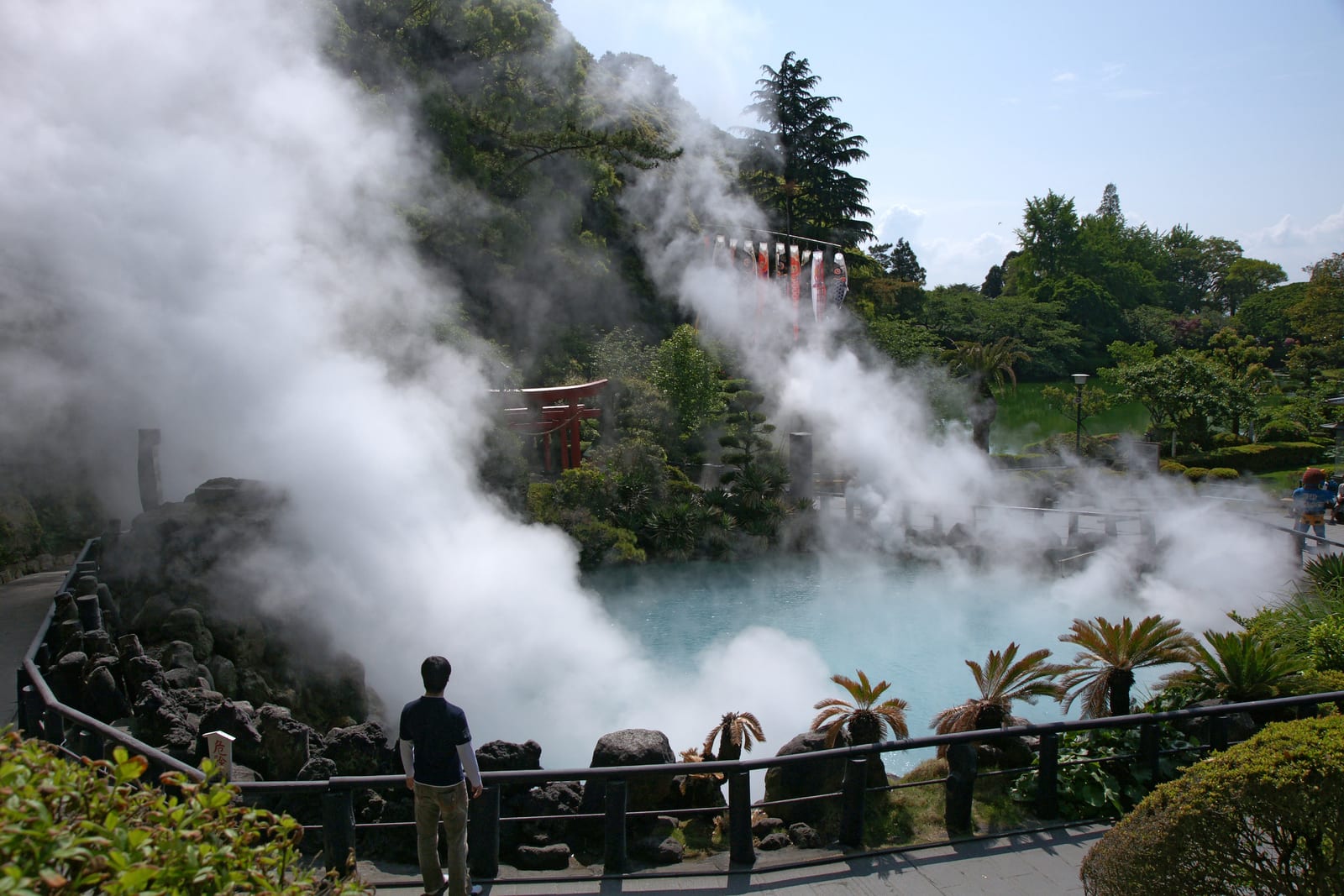
Umi Jigoku, one of the symbols of the Hell Tour, is a hell featuring a beautiful cobalt-blue pond, just as its name suggests. Although it looks refreshingly cool at first glance, the water temperature is approximately 98℃, and white steam constantly rises from the pond. This mysterious scene continues to captivate visitors. Umi Jigoku is said to have been formed approximately 1200 years ago by an eruption of Mount Tsurumi, and its color comes from the iron sulfate contained in the hot-spring water. Umi Jigoku is also designated as a Place of Scenic Beauty by the Japanese government.
Hours / Admission / Access
- Hours: 8:00~17:00(年中無休)
- Admission: Adults 450円(個別入場), combination ticket 2,400円(他の地獄と共通、2025年2月1日より)
- Access:
- Bus: From the west exit of JR Beppu Station, take Kamenoi Bus routes 2・5・41・43 for approximately 20 minutes and get off at “Umi Jigoku-mae.” The entrance is immediately nearby.
- By car: Approximately 5 minutes by car from Beppu IC. Free parking is available(220台).
Seasonal Highlights / Best Time to Visit
Umi Jigoku is beautiful throughout the year, but winter mornings are especially atmospheric. The greater difference between the outside temperature and the hot water causes even more steam to rise, creating a dreamlike scene. The garden also cultivates giant water lilies, which are at their best from summer through fall. Their enormous leaves, large enough for a child weighing up to 20kg to sit on, are a must-see.
Recommended Food and Accommodation Nearby
A shop within the Umi Jigoku grounds sells treats made using the heat of the hell's hot springs, including “hell-steamed pudding” and hot-spring eggs. The hell-steamed pudding is particularly worth trying, with a smooth texture and a subtle bitterness that blend beautifully. There are many ryokan inns and hotels around Kannawa Onsen, including plenty of accommodations that serve hell-steamed dishes. For example, Hyotan Onsen can also be used as a day-use hot spring, making it a convenient place to stop after touring the hells.
Tips, Precautions, and Etiquette
- Footwear: The grounds are paved, but comfortable walking shoes are recommended.
- Photography: There is a lot of steam, which can easily fog your lens, so bringing a lens cleaner is a good idea. In areas where the steam is especially strong, take care not to drop your smartphone or camera.
- Plants and animals: Many plants grow throughout the grounds, including tropical water lilies. Do not touch them or take them home.
Japan's Oldest Natural Hell: Chinoike Jigoku and Its Appeal
Chinoike Jigoku, referred to as “Akayuizumi” in the Bungo Province Fudoki, a book compiled during the Nara period, is Japan's oldest natural hell and has existed for more than 1300 years. It is characterized by bright-red hot mud, creating a powerful scene that looks as though blood is boiling. The red color is believed to result from a chemical reaction between underground hot water and clay, producing mud rich in iron oxide. Chinoike Jigoku is also designated as a Place of Scenic Beauty by the Japanese government.
Hours / Admission / Access
- Hours: 8:00~17:00(年中無休)
- Admission: Adults 450円(個別入場), combination ticket 2,400円(他の地獄と共通、2025年2月1日より)
- Access:
- Bus: From in front of JR Beppu Station, take Kamenoi Bus route 26(鉄輪行き) for approximately 40 minutes and get off at “Chinoike Jigoku-mae.” The entrance is immediately nearby.
- By car: Approximately 10 minutes by car from Beppu IC. Free parking is available(150台).
Seasonal Highlights / Best Time to Visit
Because the shade of Chinoike Jigoku's red changes with the sunlight, visiting during the day on a clear day is particularly recommended. The contrast between the blue sky and the red hell is spectacular. In fall, the surrounding trees change color, creating beautiful scenery alongside the red waters.
Recommended Food and Accommodation Nearby
The shop at Chinoike Jigoku sells “Chinoike ointment,” made with the site's red mud and said to be effective for skin conditions. Gokurakutei, located within the grounds of Chinoike Jigoku, serves dishes such as toriten and hell-steamed set meals. Several restaurants in the surrounding area offer hell-steamed cuisine, and Jigoku Mushi Kobo Kannawa is especially popular because visitors can bring their own ingredients and experience hell steaming for themselves. Around Shibaseki Onsen and Kamegawa Onsen, you will find many peaceful accommodations with a relaxed atmosphere.
Tips, Precautions, and Etiquette
- Clothing: The red mud does not splash, but wearing clothes that can get dirty will give you peace of mind.
- Underfoot: The grounds are relatively flat, but there are also stairs, so choose comfortable walking shoes.
- Tatsumaki Jigoku: Tatsumaki Jigoku is next to Chinoike Jigoku. It is a geyser that shoots out boiling water approximately every 30〜40 minutes, so check the timing before visiting. Both attractions can be visited with the combination ticket.
How to Tour Efficiently and Get Around: Making the Most of Buses and Rental Cars
Beppu's Hell Tour is spread across two main areas: Kannawa(海地獄、鬼石坊主地獄、かまど地獄、鬼山地獄、白池地獄の5つ) and Shibaseki(血の池地獄、龍巻地獄の2つ). Choosing the right mode of transportation is important for seeing them efficiently.
Touring by Bus
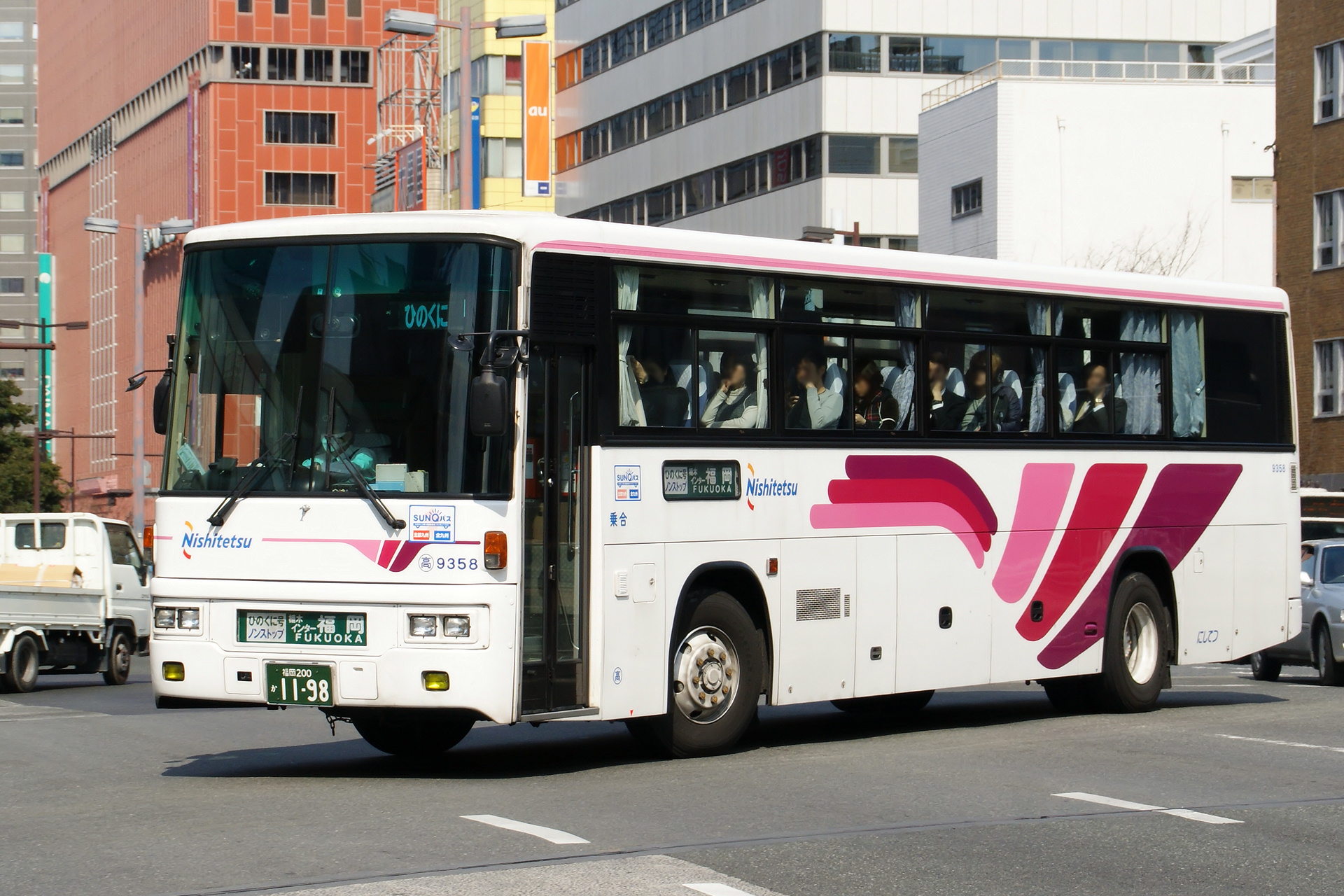
Kamenoi Bus operates frequent services between the main hells. In particular, the local bus route connecting Beppu Station to Chinoike Jigoku-mae via Umi Jigoku-mae is convenient.
- Main bus stops:
- Kannawa area: Umi Jigoku-mae(海地獄、鬼石坊主地獄、かまど地獄、鬼山地獄、白池地獄の最寄り)
- Shibaseki area: Chinoike Jigoku-mae(血の池地獄、龍巻地獄の最寄り)
- Bus fares: Fares vary by section, but a one-way trip from Beppu Station costs approximately 200円〜410円.
- My Beppu Free Ride Pass: This pass allows unlimited rides on Kamenoi Bus local routes. 1-day and 2-day passes are available, and the pass also offers a discount on the combined admission fee for the Beppu Hell Tour. It offers good value if you plan to use the bus frequently.
- Travel time: Approximately 20 minutes from Beppu Station to Umi Jigoku-mae, and approximately 6 minutes from Umi Jigoku-mae to Chinoike Jigoku-mae on local bus route 16. Allow plenty of time for transfers.
Touring by Rental Car
A rental car is convenient if you are short on time, traveling with small children, or carrying a lot of luggage. Each hell has a free parking lot.
- Advantages: You can travel freely at your own pace and easily stop at other sightseeing spots besides the hells.
- Disadvantages: Entering and leaving parking lots and traffic conditions can sometimes add to your travel time. The Umi Jigoku parking lot may also be crowded during the GW period.
- Travel time: Access from Beppu IC to each hell is good, and driving can shorten travel time compared with taking the bus.
Tips for Avoiding Problems
- Plan your route: The hells are broadly divided into two areas, so plan an efficient route in advance. The usual smoothest option is to visit the hells in the Kannawa area first, then travel by bus or car to Chinoike Jigoku and Tatsumaki Jigoku in the Shibaseki area.
- Combination ticket: If you plan to visit all seven hells, the combination ticket is by far the better deal.
- Take breaks: The Hell Tour involves a fair amount of walking, so take regular breaks. Some of the hells have rest areas and foot baths.
More Than Just the Hell Tour! Sightseeing and Food Around Beppu
The Hell Tour alone is enough to make for a memorable visit, but Beppu is also packed with other appealing sights and delicious food. Be sure to add a few stops that fit your itinerary.
Nearby Attractions
- Beppu Tower: A beloved symbol of Beppu, this tower is known for its nostalgic Showa-era atmosphere. From the observation deck, you can look out over Beppu City and Beppu Bay. Its hours are 9:30〜21:30(最終入館21:00).
- Beppu Ropeway: This ropeway reaches the summit of Mount Tsurumi in approximately 10 minutes. It offers beautiful seasonal scenery, with fall foliage and winter frost-covered trees being especially spectacular. From the summit, you can see not only Beppu's urban area but also Mount Yufu and the Kuju Mountains.
- Yukemuri Observatory: This observatory offers a panoramic view of steam rising from Kannawa Onsen. At night, the illuminated steam creates a fantastical scene, and the view has been selected as one of Japan's 100 Best Night Views.
The Temptations of Beppu Cuisine
- Hell-steamed cuisine: This uniquely Beppu cooking method uses steam from the hells to cook ingredients. The healthy dishes concentrate the natural flavors of vegetables, seafood, meat, and other ingredients. At the hands-on Jigoku Mushi Kobo Kannawa, you can choose your own ingredients and steam them yourself.
- Toriten: One of Oita Prefecture's signature soul foods. Chicken is fried in a light batter and served with a dipping sauce such as ponzu. It is easy to enjoy at set-meal restaurants and izakaya throughout Beppu.
- Cold noodles: Beppu cold noodles are made with a mixture of buckwheat and wheat flour, and are served with a beef-bone-based broth, kimchi, and chashu pork. Their distinctive texture and flavor make them different from typical cold noodles.
Beppu Accommodation Guide: Hot-Spring Lodgings to Soothe Travel Fatigue
After touring the hells, relax and recover in one of Beppu's hot springs. The city offers a wide range of hot-spring accommodations, each with its own character.
- Kannawa Onsen: As the base for the Hell Tour, Kannawa Onsen offers everything from long-established ryokan with a history as hot-spring therapy retreats to modern design hotels. Many lodgings serve hell-steamed dishes, and you can also enjoy strolling through the hot-spring district.
- Recommendations: Hyotan Onsen, which is also popular for day trips, and Furoya Ryokan, where you can experience hell steaming.
- Beppu Onsen: This hot-spring area spreads through the city around JR Beppu Station. It offers excellent access and a broad selection of accommodations, ranging from business hotels and city hotels to traditional hot-spring inns. It is recommended for travelers who want to enjoy a lively hot-spring district.
- Recommendations: Suginoi Hotel, a large hotel overlooking Beppu Bay, and Takegawara Onsen, which has an appealing retro atmosphere and allows day bathing.
- Myoban Onsen: This hot-spring area has a traditional therapeutic-bath atmosphere and the scent of sulfur in the air. Many accommodations offer beautiful tiered baths and mud baths, making it ideal for travelers who want to relax in a quiet setting slightly away from central Beppu.
- Recommendations: Ryokan inns next to Myoban Yunosato, where traditional yunohana huts are scattered throughout the area.
Choose the accommodation that best suits your travel style and budget. Many lodgings may sell discounted Hell Tour tickets, so it is worth asking when you make your reservation.
Sample Itinerary: The Ultimate One-Day Hell Tour Plan
Here is a sample itinerary for enjoying Beppu in one day, centered on Umi Jigoku and Chinoike Jigoku.
【Morning】Tour the hells in the Kannawa area(約3時間)
- 8:30 Depart from the west exit of JR Beppu Station → Take Kamenoi Bus to “Umi Jigoku-mae”(約20分)
- 9:00 Visit Umi Jigoku(約1時間)
- Take in the cobalt-blue scenery and enjoy hell-steamed pudding and hot-spring eggs.
- 10:00 Walk to “Oniishibozu Jigoku”(約5分)
- 10:15 Visit Oniishibozu Jigoku(約30分)
- This hell was named for the way gray hot mud boils and bubbles, resembling the shaved heads of Buddhist monks.
- 10:45 Walk to “Kamado Jigoku”(約5分)
- 11:00 Visit Kamado Jigoku(約45分)
- It has six different hot-spring sources, along with hands-on features such as drinkable hot-spring water and foot baths.
【Lunch】Hell-steamed lunch in the Kannawa hot-spring district(約1時間)
- 12:00 Have lunch at “Jigoku Mushi Kobo Kannawa” or a nearby hell-steamed restaurant.
- Making a lunch reservation in advance will make things go more smoothly. Jigoku Mushi Kobo Kannawa does not accept reservations.
【Afternoon】The hells of the Shibaseki area and nearby sightseeing(約4時間)
- 13:00 From the “Kamado Jigoku-mae” bus stop, take Kamenoi Bus to “Chinoike Jigoku-mae”(約10分)
- 13:30 Visit Chinoike Jigoku(約45分)
- Experience the power of Japan's oldest red hell.
- 14:15 Visit Tatsumaki Jigoku(約30分)
- Watch the geyser erupt approximately every 30〜40 minutes. Checking the eruption schedule in advance will help you make the most of your time.
- 15:00 From the “Chinoike Jigoku-mae” bus stop, take Kamenoi Bus to “Beppu Ropeway”(約15分)
- 15:30 Take the Beppu Ropeway to the summit of Mount Tsurumi(往復約1時間)
- Enjoy spectacular views of Beppu Bay and Mount Yufu.
- 16:30 After taking the ropeway back down, travel to “Yukemuri Observatory”(バスまたはタクシーで約10分)
- 16:45 Take in the steam-filled scenery of Beppu from Yukemuri Observatory.
- 17:15 From the “Yukemuri Observatory-mae” bus stop, take Kamenoi Bus to JR Beppu Station(約20分)
【Evening】Dinner and souvenir shopping around Beppu Station
- 17:45 Arrive at Beppu Station. Enjoy local specialties such as toriten and cold noodles around the station, and shop for souvenirs.
- 20:00 Travel to your accommodation or begin your journey home.
This itinerary is only one example. Adjust the number of hells and nearby attractions according to your available time and energy. If you want to take your time visiting all seven hells, allow a little more time or consider a route that prioritizes efficiency.
Summary: Key Points to Remember
- Make use of the combination ticket: If you plan to visit all seven hells, purchasing the value-for-money combination ticket(2,400円、2025年2月1日より)is recommended.
- Travel efficiently: Since the hells are divided between the Kannawa and Shibaseki areas, check the bus route map and plan an efficient itinerary. A rental car is another option.
- Allow enough time: The average stay at each hell is approximately 30 minutes〜1 hour. Build a comfortable schedule that includes travel time.
- Hell-themed food and experiences: Enjoy specialties and experiences unique to each hell, such as Umi Jigoku's hell-steamed pudding and hot-spring eggs, and Kamado Jigoku's drinkable hot-spring water.
- Seasonal highlights: Enjoy the Hell Tour's changing scenery, from winter steam and summer giant water lilies to fall foliage.
Frequently Asked Questions (FAQ)
Q. Can I complete the Hell Tour in half a day?
A. Visiting all seven hells at a leisurely pace takes approximately 2.5〜3 hours. Once travel time is included, the schedule may feel somewhat tight within half a day. However, you can still enjoy the tour in half a day by limiting your visit to Umi Jigoku and Chinoike Jigoku or focusing only on the hells in the Kannawa area.
Q. Can I get around with a stroller or wheelchair?
A. Many of the main hells have paved paths and are increasingly equipped with barrier-free facilities. However, some locations include stairs or slopes, so checking each facility's official website in advance is recommended. On Kamenoi Bus's regularly scheduled sightseeing buses, people using wheelchairs or with difficulty walking are encouraged to participate with a caregiver. Umi Jigoku and Chinoike Jigoku are relatively easy to navigate.
Q. Can I bring my pet on the Hell Tour?
A. Unfortunately, pets are generally not permitted inside the individual Hell Tour facilities. Guide dogs and service dogs are allowed. Chinoike Jigoku also has an attached dog run, allowing visitors to enter with their dogs. If you are traveling with a pet, you will need to make arrangements such as finding a place to leave the pet in advance or having it wait in the car.
Q. Are there facilities near the Hell Tour that children can enjoy?
A. Children can enjoy the Hell Tour itself, with its otherworldly scenery and activities such as making hot-spring eggs. Giant water lilies can also be seen at Umi Jigoku from summer through fall, and crocodiles are kept at Oniyama Jigoku, making it popular with children. Nearby attractions popular with children include Beppu Rakutenchi and Umitamago Aquarium.
Q. What is the best season for the Hell Tour?
A. The Hell Tour can be enjoyed year-round, with each season offering something different. In winter, the contrast with the outside temperature creates especially abundant, atmospheric steam. Spring and fall have comfortable weather ideal for walking, while giant water lilies are at their best in summer. Choose the season that best matches your interests and travel goals.