Fukuoka: City Guide to Yatai Stalls, Tonkotsu Ramen, and the Gateway to Kyushu
Fukuoka city guide: Nakasu night yatai stalls, authentic tonkotsu ramen, Dazaifu Shrine, Momochi Beach, and smooth transit into the gateway of Kyushu Island.
Aug 8, 2026·✍️ olablog·⏱ 9 min read
Fukuoka city guide: Nakasu night yatai stalls, authentic tonkotsu ramen, Dazaifu Shrine, Momochi Beach, and smooth transit into the gateway of Kyushu Island.
Tap a region to browse articles
Among Japan's major metropolises, 福岡(Fukuoka) stands out as exceptionally welcoming to international travelers. Its international airport is located a mere two subway stops from the city center, overall expenses are noticeably more gentle on the wallet than Tokyo, and it boasts a vibrant street food culture rarely seen elsewhere in Japan. Fukuoka is also the natural launching pad for 九州(Kyushu) — an island defined by dramatic volcanoes, soothing hot spring towns, and distinctive regional character. This guide will help you experience the very best of Fukuoka over 2–3 days, ranging from riverside street stalls to the sacred shrine of the god of learning.
屋台(Yatai) — The Night Soul of Fukuoka
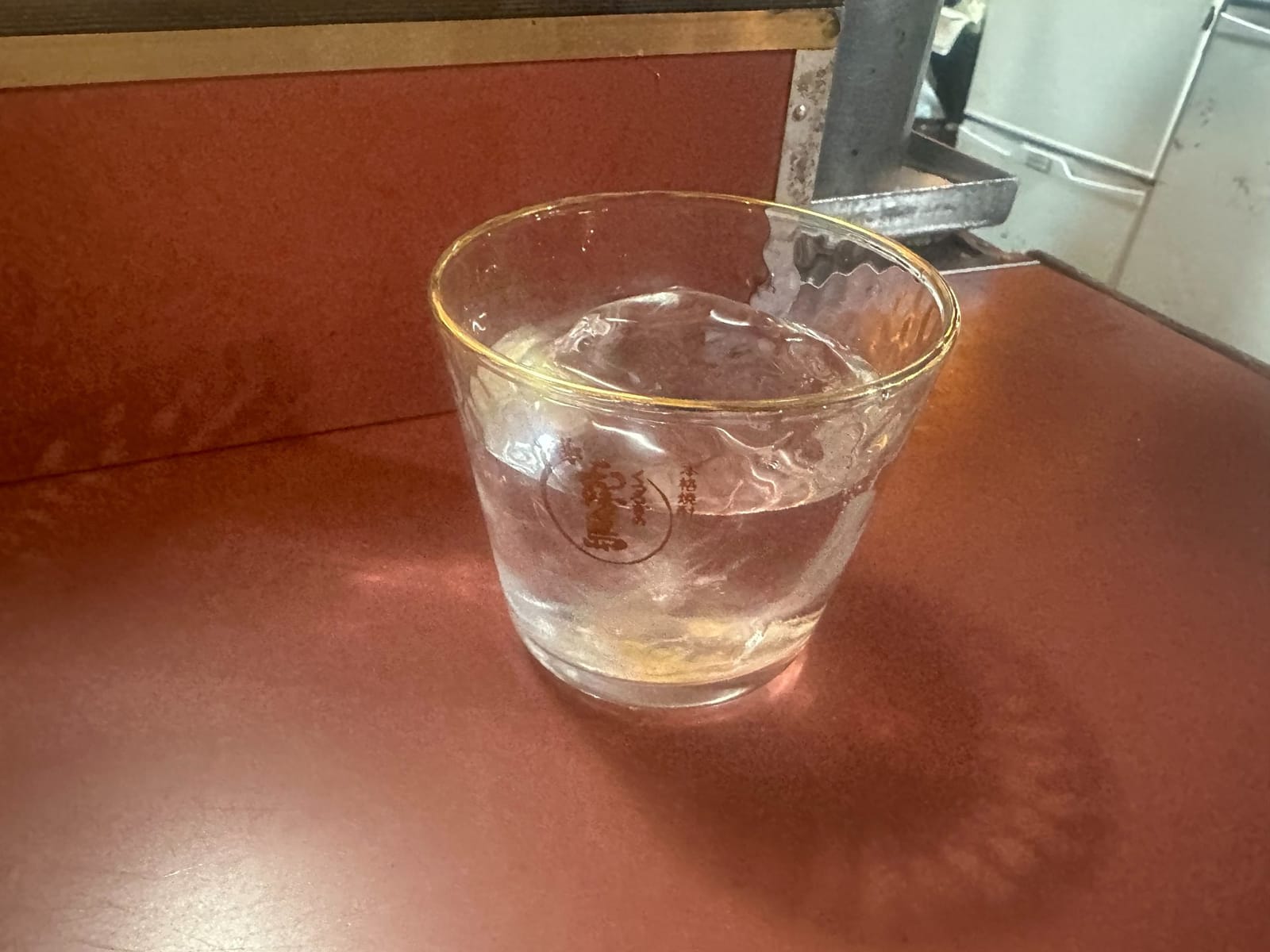
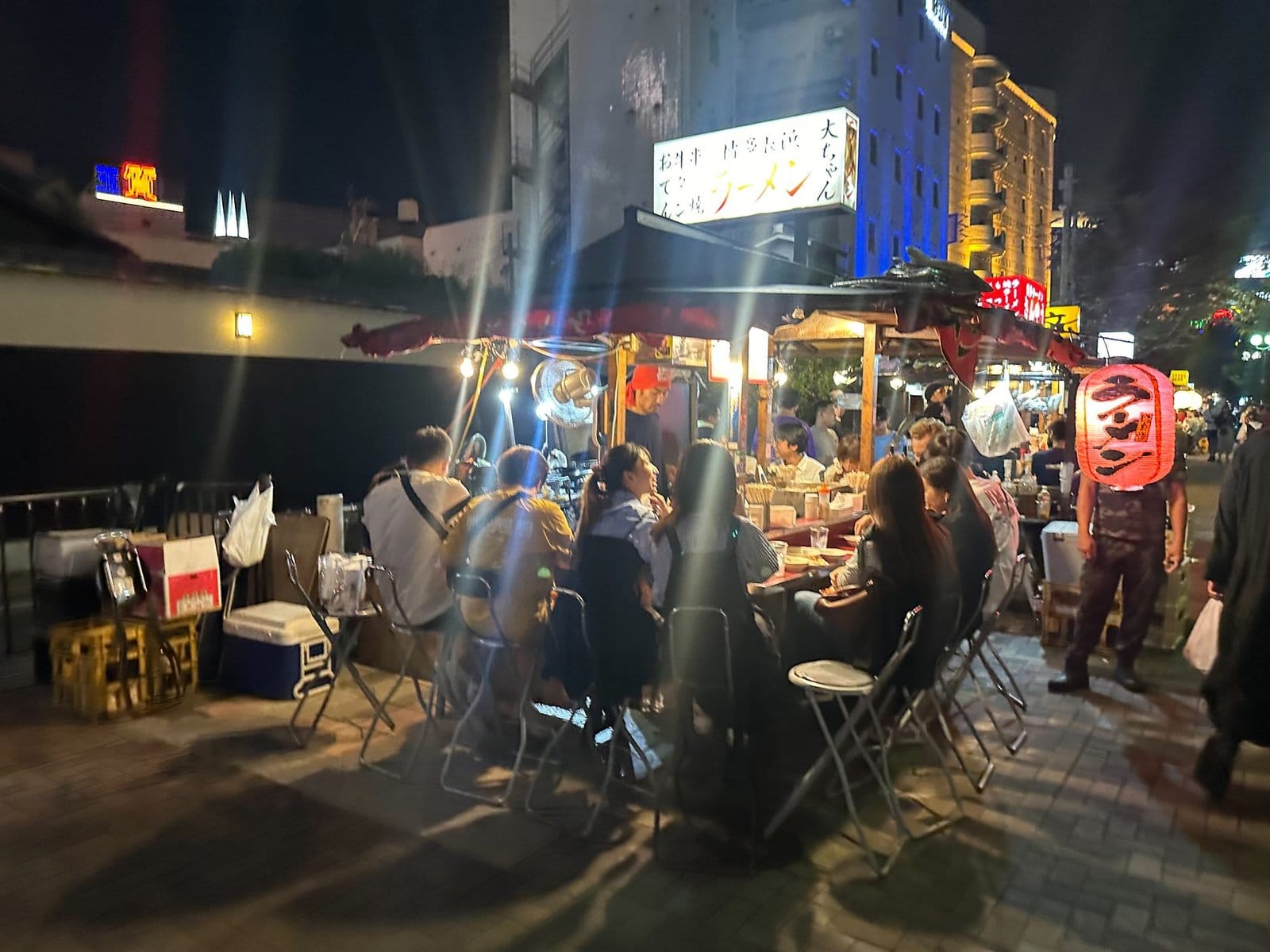
屋台(Yatai) are open-air food carts that pop up at dusk and vanish before dawn — a historic street food tradition preserved better in Fukuoka than anywhere else in Japan, with roughly one hundred stalls still in active operation. The largest clusters gather on 中洲(Nakasu Island) — where illuminated food stalls reflected in the 那珂川(Naka River) form the city's iconic nightscape — as well as in 天神(Tenjin) and 長浜(Nagahama). Each cart seats only about 8 to 10 guests elbow-to-elbow around steam-filled counters, creating the perfect setting to strike up a friendly chat with local residents.
Signature yatai offerings include steaming ramen, grilled 天神(yakitori) skewers, rich beef tendon hotpots, rolled omelets, and even craft cocktails at specialized bar stalls. Practical tips: individual dishes typically cost between 600 and 1,200 JPY ($4–$8 USD), with a full, satisfying meal averaging 2,000 to 3,500 JPY ($13–$23 USD; exchange rate roughly 1 USD ≈ 150 JPY). It is wise to confirm prices before ordering fresh seafood. Most stalls observe a designated weekly day off and close during heavy rain, and local etiquette dictates making room for waiting guests once you have finished your meal rather than lingering indefinitely.
豚骨ラーメン(Tonkotsu Ramen) — Returning to Its Roots in Hakata
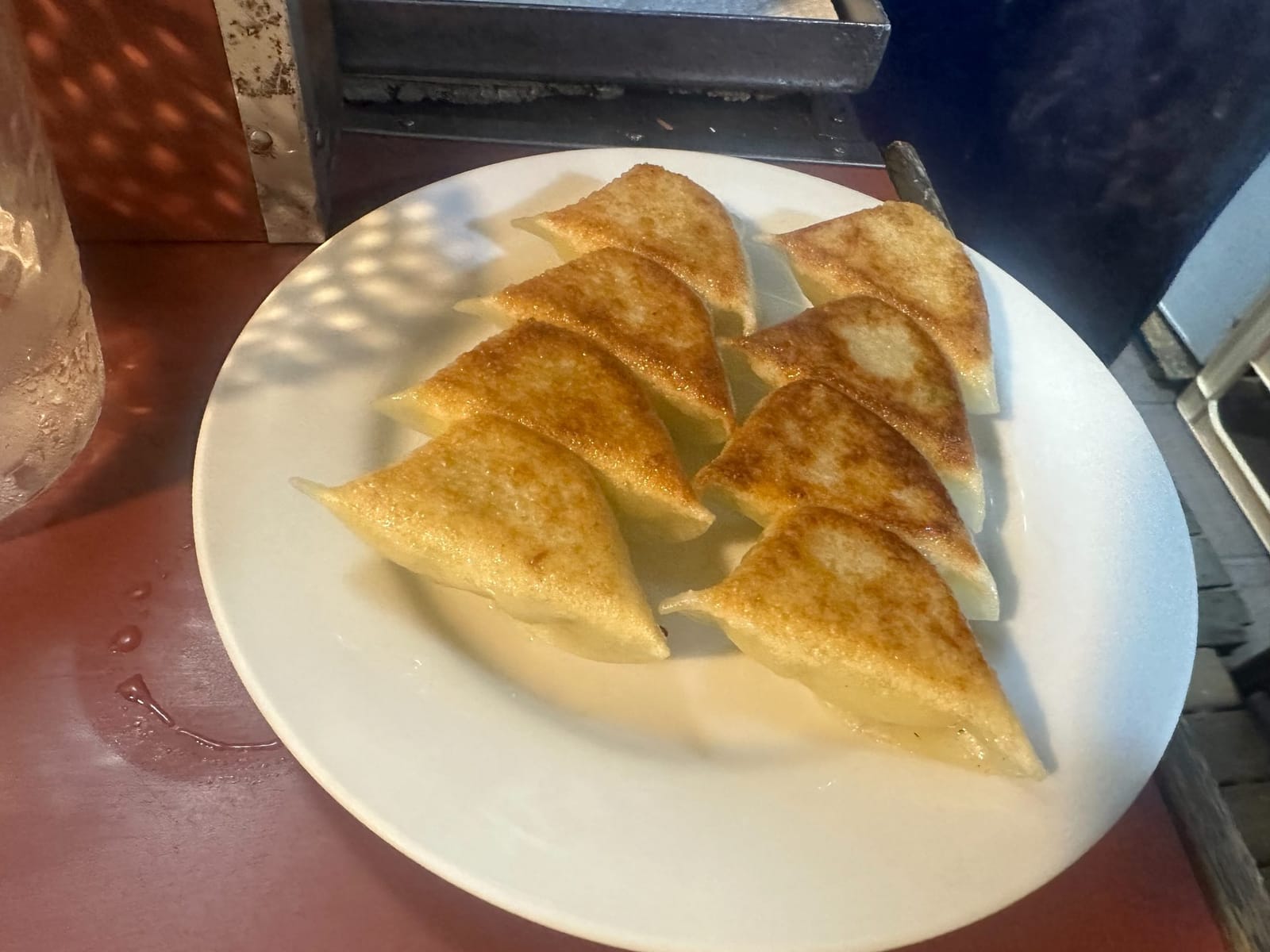
豚骨ラーメン(Tonkotsu Ramen) — distinguished by its milky, rich pork bone broth simmered for dozens of hours until savory without being overly greasy — was born in the 博多(Hakata) district of Fukuoka before captivating food lovers worldwide. Tasting it in its birthplace is a completely distinct experience: the ultra-thin noodles are flash-boiled to your personal preference (locals heavily favor "barikata" or extra-firm), and diners can take advantage of "kaedama" — paying an additional 100 to 200 JPY ($0.65–$1.30 USD) to drop a fresh serving of noodles directly into their remaining hot broth. A standard basic bowl costs only around 700 to 1,000 JPY ($4.50–$6.70 USD).
Fukuoka is the original home of globally recognized powerhouses such as 一蘭(Ichiran) — whose original shop in Nakasu features individual counter booths designed for ultimate focus on your noodles — and 一風堂(Ippudo), which opened its very first shop in 大名(Daimyo) in 1985. However, do not stop at the famous chains: historic shops around Nagahama, where kaedama was originally invented to quickly feed busy fish market workers, offer true local depth. Beyond ramen, Hakata boasts two must-try culinary specialties: もつ鍋(Motsunabe - rich beef or pork offal hotpot) and 明太子(Mentaiko - spicy cured pollack roe), which appears in everything from simple rice balls to gourmet pasta.
太宰府天満宮(Dazaifu Tenmangu Shrine) — Praying for Academic Success and Toasted Sweet Cakes
Located roughly 30 to 40 minutes from central Fukuoka via the private 西鉄(Nishitetsu Railway), 太宰府天満宮(Dazaifu Tenmangu Shrine) is dedicated to 菅原道真(Sugawara no Michizane), a 9th-century scholar revered across Japan as Tenjin, the deity of academic achievement. As one of Japan's most important shrines for exam-bound students, it welcomes millions of worshippers each year. The spacious shrine grounds feature more than 6,000 plum trees bursting into delicate white and pink blossoms in February and March, a three-stage arched red bridge representing the past, present, and future over a serene pond, and polished bronze ox statues whose heads visitors rub for good fortune.
The bustling approach path to the shrine is lined with traditional shops selling umegae mochi — warm, toasted rice cakes stuffed with sweet red bean paste and stamped with a plum blossom crest (about 150–250 JPY / $1.00–$1.65 USD each). Itinerary tip: visit Dazaifu in the morning, and on your return journey in the afternoon, consider taking a detour to 柳川(Yanagawa) for a relaxing canal boat cruise to complete a full day out in the scenic countryside. The Nishitetsu line offers discounted combo passes covering both train transport and canal boat entry.
百道(Momochi) — Beachside Relaxing, Fukuoka Tower, and Hakata Bay Sunsets
Few major metropolis areas in Japan feature a scenic public beach right within urban city limits quite like Fukuoka. The 百道(Momochi) area to the west features a sprawling artificial coastline lined with white sand, palm trees, and the striking 234-meter-tall 福岡タワー(Fukuoka Tower) clad in mirror glass. The tower's observation deck provides sweeping sunset views across 博多湾(Hakata Bay), while at night the glass exterior transforms into a seasonal light show display. Directly at the base of the tower lies Marizon, a charming waterfront complex constructed right over the ocean water featuring restaurants and a small yacht marina.
Momochi is perfect for an easy afternoon unwind after a few heavy days of city sightseeing and dining. Nearby stands the landmark PayPay Dome, home stadium of the 福岡ソフトバンクホークス(Fukuoka SoftBank Hawks) baseball team. If your travel dates align with a home game, experiencing a Japanese professional baseball game with its passionate crowd chants and high-energy atmosphere offers a fantastic cultural experience akin to a local festival.
What Else to Eat and Buy in Fukuoka
Beyond ramen and yatai food stalls, Fukuoka harbors a vast culinary universe. Udon noodles are widely believed to have been first introduced to Japan through this very region; traditional Hakata udon features delightfully soft, tender noodles quite distinct from the chewy Sanuki style. Other regional staples include 皮(Kawa - addictively crispy, multi-roasted chicken skin skewers), fresh seafood sushi sourced from the cold waters of the 玄界(Genkai Sea), and 水炊き(Mizutaki - a rich, clear chicken hotpot). The historic 柳橋連合市場(Yanagibashi Market) is fondly called "Hakata's Kitchen" and makes a great spot for a fresh local breakfast, while the depachika food halls in Tenjin department stores offer heavily discounted gourmet meal boxes every evening.
For souvenirs, popular local gifts include travel-packed mentaiko, 博多通りもん(Hakata Torimon - sweet pastry filled with rich white bean paste), 名頭ひよ子(Meito Hiyoko - chick-shaped biscuits), fine green teas, and traditional woven Hakata-ori textiles. Shopping centers around Tenjin and 博多駅(Hakata Station) inside the sprawling JR Hakata City complex gather all major regional brands under one roof, making shopping effortless without long commutes.
Gateway to Kyushu — Fukuoka as a Launchpad Across the Island
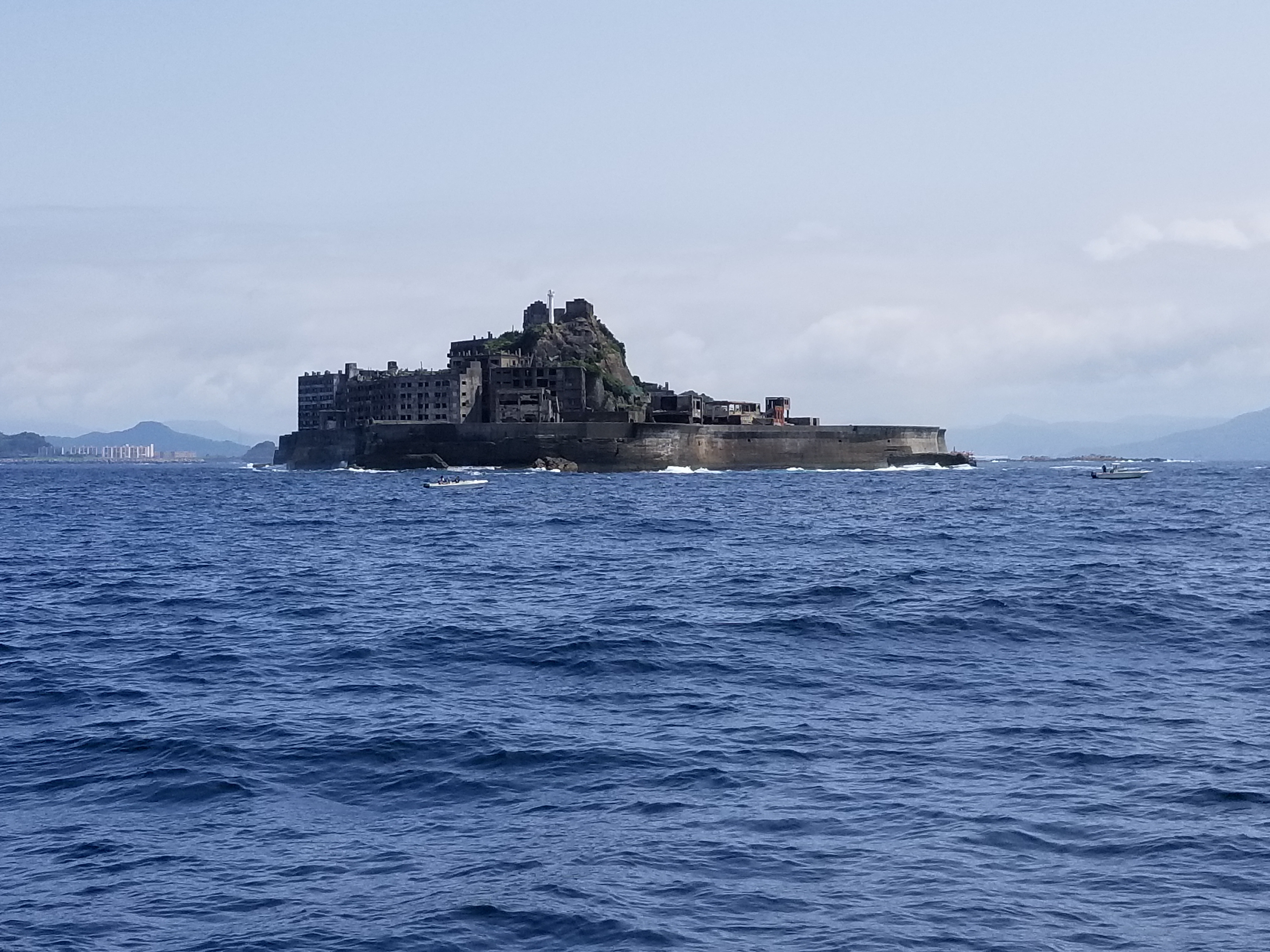
Fukuoka's geographical position makes it the ultimate basecamp for exploring the entire island of Kyushu. Via Shinkansen bullet train from Hakata Station, you can reach 熊本(Kumamoto - home to historic castles and the famous Kumamon mascot) in just 40 minutes, or head down to 鹿児島(Kagoshima) facing the active Sakurajima volcano in about 1.5 hours. Limited express trains to historic 長崎(Nagasaki) take roughly 1.5 hours, while highway express buses connect to 別府(Beppu) and 由布院(Yufuin) — two of Japan's premiere hot spring resorts — within 2 to 3 hours. Utilizing a JR Kyushu Rail Pass (the Northern Kyushu version costs around 12,000 JPY / $80 USD for 3 days; the All Kyushu version is about 20,000 JPY / $133 USD for 5 days) keeps regional transit exceptionally cost-effective.
A battle-tested routing formula for travelers landing in Fukuoka is to spend 2 days exploring the city center and Dazaifu, then select a regional branch route — historic Nagasaki, an onsen retreat in Beppu/Yufuin, or the volcanic natural wonders around Kumamoto and 阿蘇(Aso) — before looping back to Fukuoka for departure. Many regional tour routes departing from Fukuoka follow this exact well-planned structure.
Practical Tips: Transport, IC Cards, and Best Seasons
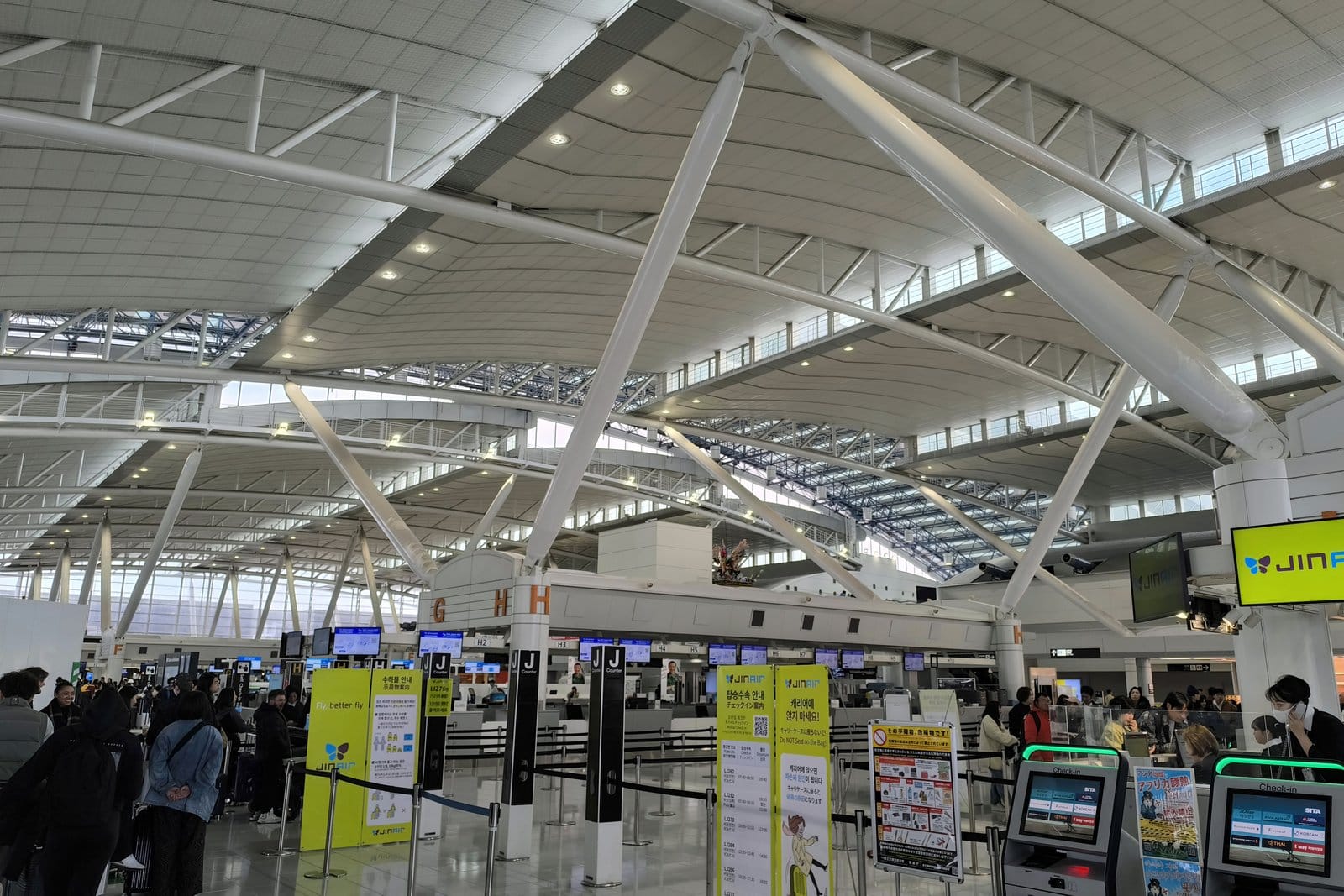
The single greatest convenience factor for visiting Fukuoka is transport accessibility: 福岡空港(Fukuoka Airport) sits a mere 2 subway stops (5 minutes, 260 JPY / $1.70 USD) away from main Hakata Station. Navigating the city is simple using the three main subway lines alongside convenient 100-yen flat-fare loop buses running through the central district. Standard contactless IC cards such as Suica, Pasmo, Sugoca, or Nimoca work seamlessly across all local subways, buses, and convenience stores. Mid-range hotels clustered around Hakata and Tenjin typically range from 8,000 to 15,000 JPY ($53–$100 USD) per night, offering noticeably better value than comparable accommodations in Tokyo.
Best seasons to visit: March to April brings stunning cherry blossoms to 舞鶴公園(Maizuru Park) surrounding the historic 福岡城(Fukuoka Castle) ruins; July hosts the thrilling 博多祇園山笠(Hakata Gion Yamakasa) festival featuring early-morning float-carrying races; while October and November deliver crisp autumn weather and brilliant foliage. June experiences heavy rainy-season downpours, while August and September can occasionally bring typhoons. Be sure to check entry requirements and travel prep essentials before embarking on your trip.
Fukuoka proves that a destination does not need gold-plated temples or bustling mega-crossings to be truly unforgettable. A simple row of riverside yatai seats, a steaming bowl of rich ramen, and some of the warmest, friendliest locals in all of Japan are more than enough to make you plan your return trip to explore even deeper into Kyushu.