
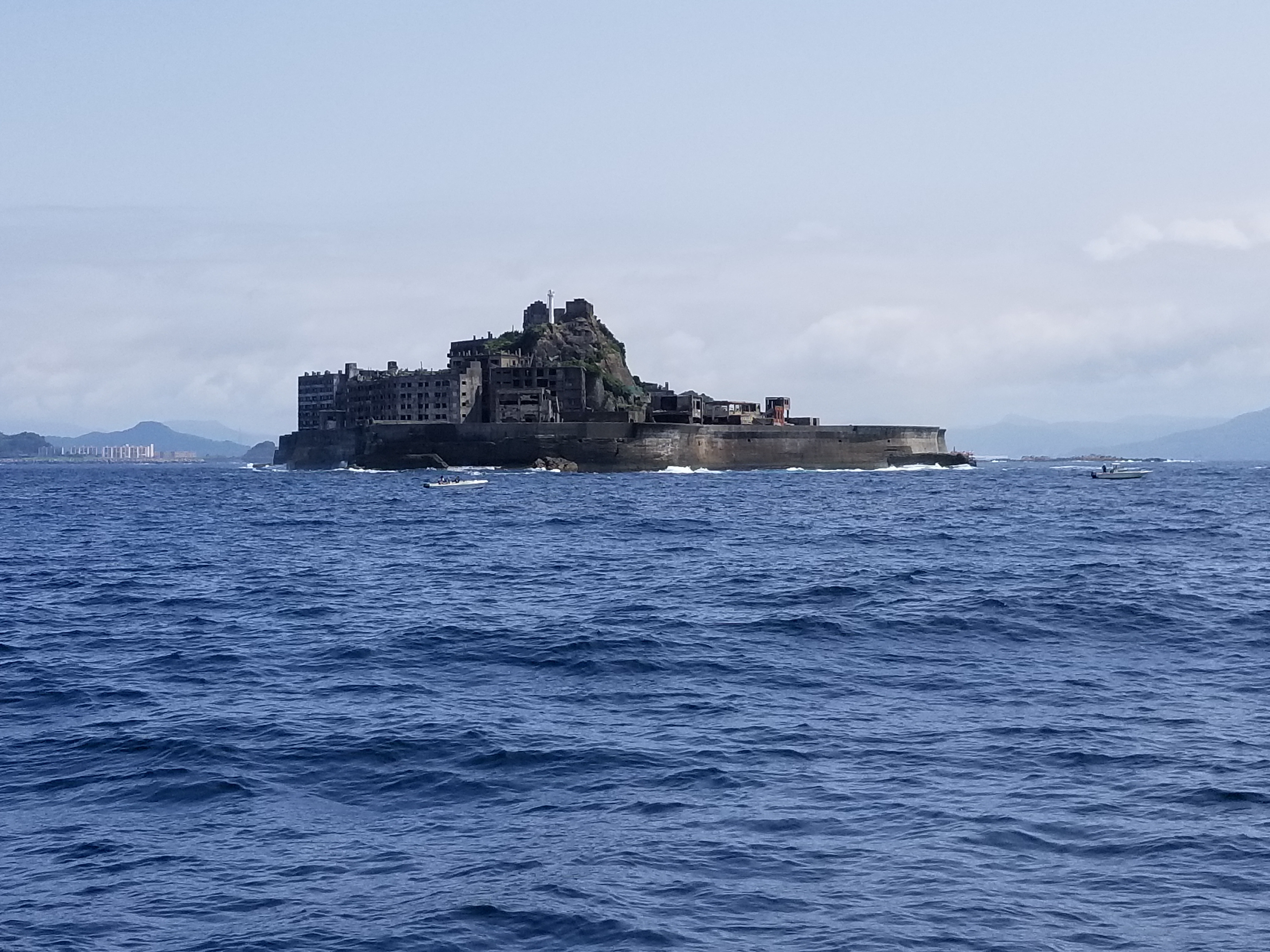
Gunkanjima: Visiting Nagasaki’s Abandoned Battleship Island
Plan a visit to Gunkanjima, Nagasaki’s abandoned coal-mining island, with practical advice on tours, weather, access and nearby sights.
Aug 25, 2026·✍️ olablog·⏱ 9 min read
Plan a visit to Gunkanjima, Nagasaki’s abandoned coal-mining island, with practical advice on tours, weather, access and nearby sights.
Tap a region to browse articles
Why Gunkanjima is worth visiting
Off the coast of Nagasaki, Hashima Island looks like a battleship resting on the sea. Its more familiar nickname, Gunkanjima, means “Battleship Island” in Japanese. The island’s silhouette comes from its dense concrete apartment blocks, seawalls and industrial structures, built around an undersea coal mine.
Today, Gunkanjima is uninhabited. Windows are empty, walls have collapsed and vegetation is gradually reclaiming the site. Yet the island was once a complete mining community, with homes, schools, shops, a cinema and other facilities packed into a very small area. At its peak, it was considered one of the most densely populated places in the world.
The contrast is what makes Gunkanjima so striking: a place that once depended on constant human activity now stands silent in the sea. It is also part of the UNESCO World Heritage Site “Sites of Japan’s Meiji Industrial Revolution”, recognising its role in Japan’s industrial development.
A visit is not simply an abandoned-building photo opportunity. Gunkanjima also raises difficult questions about working conditions, Japan’s rapid industrialisation and the experiences of Korean and Chinese labourers during wartime. The best tours give historical context as well as dramatic views.
How to visit Gunkanjima
Independent visitors cannot travel to Hashima by public ferry or explore the island alone. Access is controlled, and you must join an authorised sightseeing boat tour departing from Nagasaki.
Most tours include:
- A boat journey from Nagasaki harbour to Hashima
- Commentary about the island’s history and mining industry
- A short landing visit, when conditions allow
- Time on a designated viewing route rather than free exploration
- A cruise around the island for views of the sea-facing ruins
The boat trip commonly takes roughly 40 minutes each way, although the exact route and schedule depend on the operator and sea conditions. Tours usually take a substantial part of the morning or afternoon, so allow at least half a day rather than trying to fit Gunkanjima into a tight itinerary.
Landing is never guaranteed
This is the most important thing to know before booking. Being able to see Gunkanjima is not the same as being able to land on it.
Strong wind, high waves, heavy rain or rough water can prevent boats from using the landing area. Even when a boat reaches the island, conditions may make a shore visit unsafe. Departure can also be cancelled or changed at short notice.
If landing is not possible, the boat will generally circle or pass close to Gunkanjima so passengers can see the island from the water. The view is still memorable, but visitors hoping to walk along the observation route should keep their expectations flexible. Check the official tour terms carefully, including cancellation policies and what happens when landing is not possible.
Getting to the departure port from Nagasaki
Nagasaki is the practical base for visiting Gunkanjima. The city’s main transport hub is Nagasaki Station, and boat operators use ports in the central waterfront area. Your booking confirmation should state the exact meeting point; do not assume every tour leaves from the same pier.
From Nagasaki Station, you can usually reach the harbour area by:
- Nagasaki Electric Tramway, with convenient routes toward the city centre and waterfront
- Nagasaki Bus, using services heading toward central Nagasaki
- A short taxi ride, useful if you have luggage or an early meeting time
If arriving from Fukuoka, the Nishi Kyushu Shinkansen and Relay Kamome connect the cities via the current rail route. Check the latest timetable when planning, as connections and ticket arrangements can change.
Arrive early enough to locate the meeting point and complete check-in. Some ports are only a short distance apart on a map, but walking with luggage or navigating an unfamiliar waterfront can take longer than expected.
Booking advice and what to bring
Gunkanjima tours are popular, especially during weekends, holidays and comfortable travel seasons. Booking ahead is strongly recommended. Reserve as soon as your Nagasaki dates are fixed, and keep a backup plan for the day in case weather prevents landing.
Before paying, check:
- Whether the tour is offered in English or has multilingual guidance
- The departure port and check-in instructions
- The expected tour duration
- The operator’s weather and cancellation policy
- Whether children, pregnant travellers or visitors with mobility concerns can join
- What happens if the boat sails but cannot land
Bring practical clothing rather than anything delicate. The boat can be windy, and the island’s designated route may be exposed to sun and rain.
Useful items include:
- A light waterproof jacket
- Sun protection and a hat
- Comfortable, secure shoes
- Water and any personal medication
- Motion-sickness medicine if you are sensitive to boat travel
- A camera or phone with enough battery
- A small towel or handkerchief for humid weather
Large luggage is inconvenient on a boat and may not be accepted, so leave suitcases at your accommodation or in a station locker.
Best seasons for Gunkanjima
The most comfortable time is generally during the milder months of spring and autumn, when the sea and weather may be more pleasant for sightseeing. Summer offers longer daylight but can be hot and humid, while winter can bring colder wind and less comfortable conditions on deck.
No season guarantees a landing. Sea conditions can change quickly, and even a clear day in Nagasaki may not mean calm water offshore.
| Travel period | What to expect | Planning note |
|---|---|---|
| Spring | Mild temperatures and good conditions for combining the cruise with city sightseeing | Book ahead around school holidays and popular travel periods |
| Summer | Hot, humid weather and strong sun on the boat | Bring water, sun protection and light layers |
| Autumn | Comfortable walking weather and attractive conditions for a Nagasaki itinerary | Autumn weekends can be busy |
| Winter | Colder wind and a greater need for warm, wind-resistant clothing | Keep indoor alternatives available |
Always check the official tour website and marine-weather information close to departure. Tour times, fees and policies vary, so confirm the latest details before you travel.
Visit the Gunkanjima museum first
A useful way to understand the island is to visit the Gunkanjima Digital Museum in Nagasaki before taking the boat. Its exhibitions use models, video and digital recreations to show how people lived and worked on Hashima.
The museum is particularly helpful because access on the island is limited. You cannot wander through every building, enter the ruins freely or see the former residential areas from inside. Learning about the community beforehand makes the short landing route much more meaningful.
It is also a sensible alternative if your boat trip is cancelled. You can still explore the island’s layout, mining history and daily life without relying on sea conditions.
Nearby places to combine with Gunkanjima
Gunkanjima works well as a half-day activity within a broader Nagasaki itinerary. Depending on your boat time, consider adding two or three of these nearby stops:
Glover Garden and Oura Church
On Nagasaki’s hillside above the harbour, Glover Garden combines Western-style residences, gardens and views over the port. Nearby Oura Church is one of the city’s best-known historic landmarks. Together, they offer a different perspective on Nagasaki’s international trading history.
Dejima
Dejima was once a small artificial island and trading post. The restored buildings and exhibitions explain Nagasaki’s role in Japan’s early international exchange. It is easy to combine with central waterfront sightseeing on the same day as your museum visit.
Nagasaki Peace Park
For a more reflective part of your trip, visit Nagasaki Peace Park and the nearby Atomic Bomb Museum. These sites are not close in theme to Gunkanjima, but together they help explain the many layers of Nagasaki’s modern history.
A realistic itinerary
Plan on spending around half a day for the boat excursion, including check-in and travel to and from the port. Add another hour or two for the Gunkanjima Digital Museum, depending on your interest in the exhibits.
A comfortable two-day Nagasaki plan could include:
- Day one: Gunkanjima tour, waterfront walk and Dejima
- Day two: Glover Garden, Oura Church, Peace Park and the Atomic Bomb Museum
If your schedule is tight, prioritise the boat tour and keep the museum or nearby sights as flexible options. If the landing is cancelled, switch to the museum and city attractions rather than treating the day as lost.
For tickets, tours and more Japan destination planning, visit OlaChill’s destination hub.
FAQ
Can I visit Gunkanjima without joining a tour?
No. Visitors must use an authorised boat tour from Nagasaki, and independent access is not permitted.
Is landing on Gunkanjima guaranteed?
No. Landing depends on waves, wind, rain and conditions at the island’s landing facility. You may be able to cruise around the island without going ashore.
How much time should I allow?
Allow at least half a day for the boat excursion, including check-in and travel to the port. Add extra time if you also want to visit the Gunkanjima Digital Museum.
What should I do if my tour cannot land?
Enjoy the boat approach and views from the water, then visit the Gunkanjima Digital Museum or continue with Nagasaki’s indoor and historical attractions. Keep your schedule flexible.
Is Gunkanjima suitable for everyone?
The boat may be uncomfortable for people prone to motion sickness, and the shore route can be exposed and uneven. Check the tour’s current health, age and mobility requirements before booking.
More from this region — Kyushu
View all →
Jomon Sugi Trek on Yakushima: Route, Timing and Gear
6 min · experiences
Kimono in Fukuoka: Where to Wear It, Best Photo Spots and How to Plan the Day
8 min · culture
Kimono in Kagoshima: Where to Wear It, Best Photo Spots and How to Plan the Day
8 min · culture
Kimono in Kumamoto: Where to Wear It, Best Photo Spots and How to Plan the Day
8 min · culture