
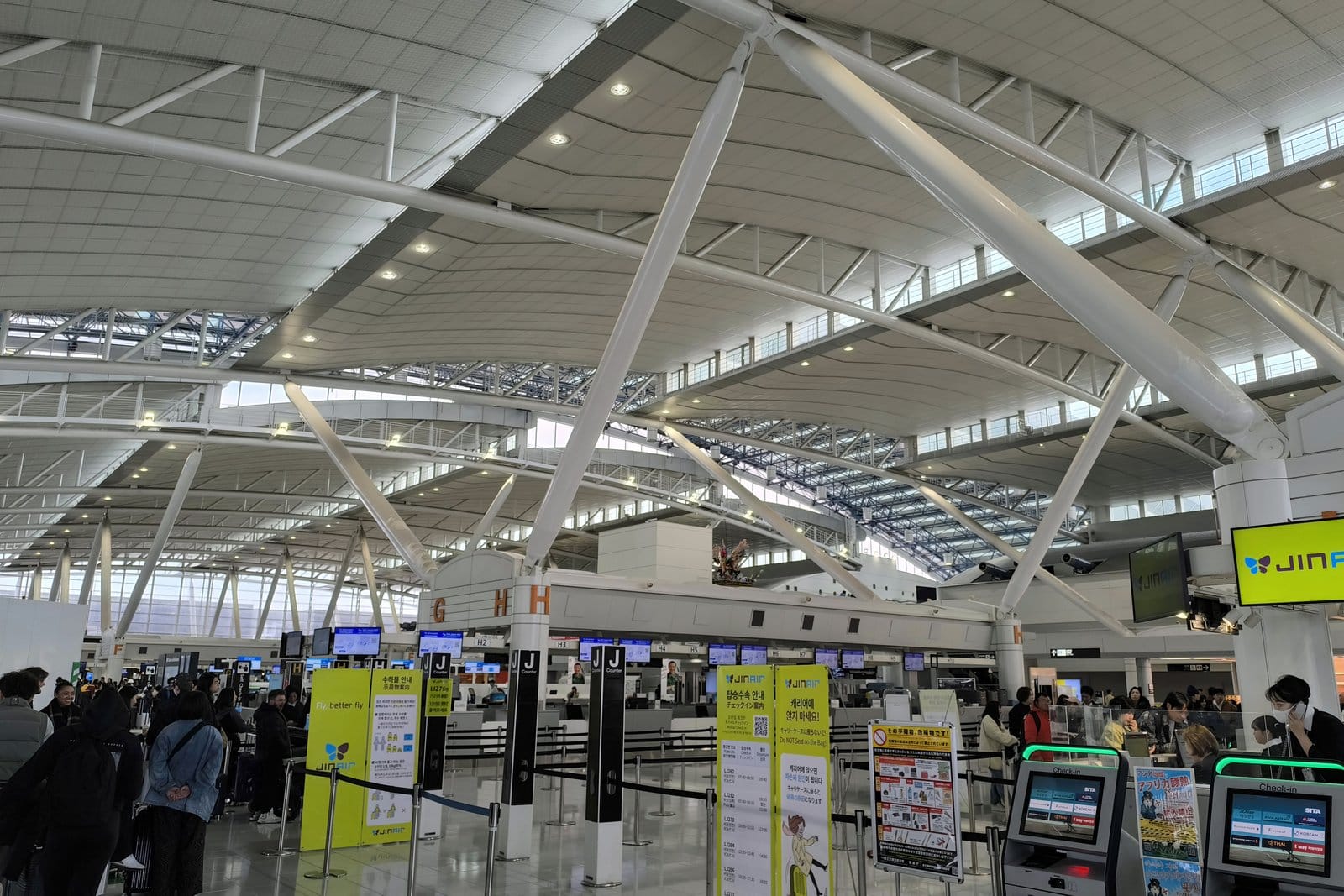
Fukuoka and Kyushu
Explore Fukuoka and Kyushu, Japan's welcoming south. Discover yatai culture, Dazaifu, onsen towns like Beppu/Yufuin, and budget travel tips for Indian and Bangladeshi visitors.
Jul 10, 2026·✍️ olablog·⏱ 22 min read
Explore Fukuoka and Kyushu, Japan's welcoming south. Discover yatai culture, Dazaifu, onsen towns like Beppu/Yufuin, and budget travel tips for Indian and Bangladeshi visitors.
Tap a region to browse articles
Japan holds a magnetic allure, and while the Golden Route cities of Tokyo, Kyoto, and Osaka often captivate first-time visitors, the southern island of Kyushu offers a fresh, equally captivating, and often more budget-friendly experience, particularly for those planning a second Japanese adventure. With direct flight options from Asia making it easily accessible, Fukuoka serves as a fantastic entry point to a region known for its warm hospitality, diverse landscapes, and delicious cuisine, all while being mindful of your travel budget. Expect to find accommodation, for example, often starting from ¥5,000 (approx. ₹2,800) per night, offering significant savings compared to the larger metropolises.
Fukuoka: Your Gateway to Kyushu's Charms
Fukuoka, Kyushu's largest city, is a dynamic urban centre that strikes a perfect balance between modern convenience and rich history, making it an ideal base for exploring the island. Unlike the sometimes overwhelming scale of Tokyo, Fukuoka feels manageable and welcoming, offering excellent public transport and a relaxed pace. For Indian and Bangladeshi travellers, its direct connectivity is a major draw. Airlines like AirAsia, Scoot, and Jeju Air often offer competitive fares from Southeast Asian hubs, which can be reached affordably from major Indian and Bangladeshi cities. This multi-leg journey often proves more economical than direct flights to Tokyo or Osaka, allowing you to allocate more of your budget to experiences.
The city itself boasts several distinct areas. Hakata, centred around Hakata Station, is the transport hub and a major commercial district, offering countless shopping and dining opportunities. Tenjin, a short subway ride away, is Fukuoka's premier shopping and entertainment area, with department stores and trendy boutiques. The Nakasu area, nestled between these two, truly comes alive after dark with its famous yatai food stalls. Getting around Fukuoka is straightforward, primarily via its efficient subway system. A one-day subway pass costs around ¥640 (approx. ₹360), providing unlimited rides and making it easy to hop between attractions. Consider purchasing a SUICA or PASMO card (which can be used across most of Japan, similar to Delhi Metro's smart card) at Hakata Station for seamless travel on public transport and even for small purchases at convenience stores.
Beyond the immediate city, Fukuoka Prefecture offers a diverse array of attractions. From the historical significance of Dazaifu to the scenic coastal beauty of Itoshima, there's ample opportunity for day trips. The city’s compact nature means you can explore many highlights on foot or with short public transport rides, saving on taxi fares. This accessibility, combined with the generally lower cost of living and travel compared to Honshu's major cities, positions Fukuoka as an excellent choice for budget-conscious travellers looking for a fulfilling Japanese experience without breaking the bank.
Yatai Culture: A Culinary Adventure with a Vegetarian Strategy
Fukuoka is synonymous with its vibrant yatai (food stall) culture, particularly along the Nakasu island. These open-air stalls, typically seating around 10-15 people, offer a unique, intimate dining experience that's a cornerstone of Fukuoka's nightlife. While traditionally known for ramen, yakitori (grilled skewers), and oden (hot pot), navigating yatai as a vegetarian or with halal dietary needs requires a bit of strategy, but it's entirely doable and rewarding.
Most yatai open around 6 PM and operate until late, often past midnight. The atmosphere is convivial, with locals and tourists alike rubbing shoulders, sharing stories, and enjoying hearty, freshly prepared food. The prices are generally very reasonable, with dishes typically ranging from ¥300 to ¥1,000 (approx. ₹170 to ₹560). Remember to carry cash, as many yatai may not accept card payments. The experience isn't just about the food; it's about the interaction with the chef and fellow diners, offering a genuine glimpse into local life.
For vegetarians, the key is communication. While many yatai dishes contain meat or dashi (fish stock), some stalls are increasingly accommodating or offer naturally vegetarian options. Look for items like yaki onigiri (grilled rice balls, confirm if sauce is vegetarian), edamame (boiled soybeans), nasu dengaku (miso-glazed eggplant – confirm miso ingredients), or simple vegetable skewers. A helpful phrase to learn is "Watashi wa bejitarian desu. Niku to sakana nuki de onegai shimasu" (I am vegetarian. Please exclude meat and fish). Even better, having a small note written in Japanese explaining your dietary restrictions can be very effective. Some stalls might be able to prepare a simple vegetable stir-fry or offer a vegetarian version of ramen if you ask politely. Don't be shy; the Japanese appreciate efforts to communicate.
For those seeking halal options, while dedicated halal yatai are rare, the same communication strategy applies. Focus on vegetable-based dishes and inquire about cooking oils and sauces. It's advisable to carry some pre-packaged snacks or have a small meal beforehand, and then enjoy the atmosphere with a drink and any suitable vegetarian options you find. Alternatively, look for nearby convenience stores (konbini) like 7-Eleven or FamilyMart, which often stock a range of packaged vegetarian and sometimes even labelled halal snacks and meals. The adventure of finding suitable food is part of the experience, and Fukuoka's yatai culture is too rich to miss.
Dazaifu Tenmangu Shrine: History, Culture, and Serenity
Just a short, scenic journey from central Fukuoka lies Dazaifu Tenmangu Shrine, one of Japan's most important Tenmangu shrines, dedicated to Sugawara no Michizane, a scholar, poet, and politician of the Heian Period who was deified as the god of learning. This makes it a popular destination for students praying for academic success, but its serene beauty and cultural significance attract visitors of all ages.
Getting to Dazaifu is straightforward and affordable. From Nishitetsu Fukuoka (Tenjin) Station, take the Nishitetsu Tenjin Omuta Line to Nishitetsu Futsukaichi Station, then transfer to the Dazaifu Line for a short ride to Dazaifu Station. The total journey takes about 30-40 minutes and costs around ¥410 (approx. ₹230) one-way. The walk from Dazaifu Station to the shrine is a delightful experience in itself, passing through a charming approach street lined with souvenir shops, traditional sweets vendors (don't miss the umegae mochi, a grilled rice cake with sweet red bean paste – confirm ingredients for dietary needs), and even a Starbucks with a unique architectural design.
The shrine grounds are expansive and beautifully maintained, featuring lush gardens, picturesque ponds, and several important buildings. The main shrine hall is a designated Important Cultural Property, showcasing intricate traditional Japanese architecture. Beyond the main hall, explore the various sub-shrines, bridges, and the tranquil pond garden. The shrine is particularly stunning during plum blossom season (late February to mid-March) when its thousands of plum trees bloom, and during autumn for its vibrant foliage. Admission to the shrine grounds is free, though some specific exhibition halls or gardens may have a small entry fee.
A common mistake is to only visit the main shrine. Take time to wander through the adjacent Kyushu National Museum, known for its impressive collection of cultural artifacts reflecting Japan's interactions with other Asian countries. The museum's striking modern architecture contrasts beautifully with the traditional shrine, and its permanent exhibition offers a fascinating journey through Kyushu's history. The entry fee for the permanent exhibition is ¥700 (approx. ₹390). Dazaifu offers a peaceful escape from the city bustle and a deep dive into Japanese history and culture, making it an essential day trip from Fukuoka.
Beyond Fukuoka: The Onsen Retreats of Beppu and Yufuin
For a truly immersive Kyushu experience, venturing beyond Fukuoka to the renowned onsen (hot spring) towns of Beppu and Yufuin is highly recommended. Both offer distinct onsen experiences, catering to different preferences.
Beppu, located on the east coast of Kyushu, is one of Japan's most famous hot spring resorts, boasting the highest volume of hot spring water in the world. It’s a larger, more bustling town known for its dramatic "Hells of Beppu" (Jigoku Meguri), a series of spectacular hot springs that are too hot for bathing but offer vivid displays of steam, bubbling mud, and colourful waters. These include the vibrant cobalt-blue Umi Jigoku (Sea Hell) and the boiling mud pools of Oniishi Bozu Jigoku (Monk's Head Hell). A common ticket for all seven Hells costs ¥2,000 (approx. ₹1,120), and it takes about 2-3 hours to see them all. Beyond the Hells, Beppu offers numerous public baths (some starting from as low as ¥100-200, approx. ₹56-112), sand baths, and even steam baths. It has a more traditional, working-class onsen town feel.
Yufuin, nestled in a picturesque valley surrounded by mountains, offers a more tranquil and upscale onsen experience. It's often described as a charming, artistic town with boutique shops, art galleries, and cafes lining its main street leading to the beautiful Lake Kinrinko. Yufuin is perfect for those seeking relaxation amidst stunning natural scenery. While it lacks the dramatic Hells of Beppu, its ryokan (traditional inns) often feature exquisite private onsen baths with scenic views. Public baths are also available, though generally slightly pricier than Beppu's, often ranging from ¥500-1,000 (approx. ₹280-560).
Getting There: Both towns are accessible from Fukuoka via JR trains.
- To Beppu: Take the Limited Express Sonic train from Hakata Station directly to Beppu Station. The journey takes approximately 2 hours and costs around ¥5,500 (approx. ₹3,080) for a non-reserved seat.
- To Yufuin: Take the Limited Express Yufu or Yufu no Mori train from Hakata Station directly to Yufuin Station. This scenic journey takes about 2 hours 15 minutes and costs around ¥4,500 (approx. ₹2,520) for a non-reserved seat.
Onsen Etiquette: Before entering any onsen, it's crucial to wash thoroughly at the designated showering stations. Nudity is mandatory in most traditional public onsen, and tattoos are sometimes restricted, though many establishments are becoming more lenient with foreign visitors or offer private baths. Always check the rules beforehand. Remember to relax and enjoy this quintessential Japanese experience.
Navigating Kyushu: JR Pass and Budget-Friendly Transport
Efficient transportation is key to exploring Kyushu, and Japan's excellent rail network, primarily operated by Japan Railways (JR), makes it incredibly convenient. For visitors from India and Bangladesh, understanding the JR Pass system and other budget-friendly options is crucial for cost-effective travel.
The JR Kyushu Rail Pass is an excellent investment for those planning to cover significant ground across the island. Unlike the nationwide JR Pass, the Kyushu Pass is region-specific, making it more affordable and perfectly suited for a Kyushu-focused itinerary. There are several versions:
- Northern Kyushu Pass: Covers Fukuoka, Saga, Nagasaki, Oita, and Kumamoto. Available for 3 or 5 consecutive days.
- All Kyushu Pass: Covers the entire island. Available for 3, 5, or 7 consecutive days.
- Southern Kyushu Pass: Covers Kumamoto, Miyazaki, and Kagoshima. Available for 3 consecutive days.
As of early 2026, a 3-day Northern Kyushu Pass might cost around ¥10,000 (approx. ₹5,600), while a 5-day All Kyushu Pass could be around ¥18,000 (approx. ₹10,080). These passes offer unlimited travel on JR trains within their designated areas, including the Shinkansen (bullet train) for Kyushu routes and limited express trains. They offer significant savings compared to individual ticket purchases, especially if you plan multiple long-distance journeys. You can purchase these passes online before your trip or upon arrival at major JR stations like Hakata. Booking seats in advance at JR ticket offices (Midori no Madoguchi) is recommended, especially for popular limited express trains like the Yufu no Mori.
For shorter distances or when the JR Pass isn't economical, local buses and subways are excellent alternatives. Fukuoka's subway system is efficient, and local buses connect areas not covered by trains. Consider purchasing an IC card (like SUICA, PASMO, or SUGOCA specific to Kyushu) for seamless travel on most public transport systems across Japan. These cards are rechargeable and eliminate the need to buy individual tickets, much like a metro card in Delhi or Dhaka.
Budget Flights from Asia: For Indian and Bangladeshi travellers, leveraging budget airlines from Southeast Asian hubs is a smart strategy. Instead of flying directly to expensive Tokyo or Osaka, consider flying from Delhi, Mumbai, or Dhaka to Kuala Lumpur, Bangkok, or Singapore, and then connecting to Fukuoka (FUK) or other Kyushu airports like Kagoshima (KOJ) or Kumamoto (KMJ) via budget carriers such as AirAsia, Scoot, or Jeju Air. These multi-leg flights can often reduce your overall airfare significantly, allowing you to save hundreds of dollars (or thousands of rupees/taka) that can be reallocated to experiences within Japan. Always compare total travel time and layover durations when opting for this route.
Budgeting Your Kyushu Adventure: Costs and Smart Savings
Travelling Japan on a budget is entirely feasible, especially in Kyushu. Here’s a breakdown of typical costs and strategies for saving money, with conversions to Indian Rupees (approx. ₹0.56 per ¥1).
Accommodation:
- Hostels/Guesthouses: Expect to pay ¥3,000-5,000 (approx. ₹1,680-2,800) per night for a dorm bed.
- Budget Hotels (Business Hotels): Single rooms often start from ¥6,000-9,000 (approx. ₹3,360-5,040) per night.
- Mid-range Hotels/Ryokan: ¥10,000-20,000 (approx. ₹5,600-11,200) per night, sometimes including breakfast. Savings Tip: Book well in advance, especially for popular seasons. Consider staying in capsule hotels for a unique and very affordable experience (¥2,500-4,000, approx. ₹1,400-2,240). Look for places slightly outside the immediate city centre, near subway stations, for better value.
Food:
- Casual Meals (Ramen, Udon, Donburi): ¥800-1,500 (approx. ₹450-840) per meal.
- Yatai Stalls: Individual dishes ¥300-1,000 (approx. ₹170-560).
- Convenience Stores (Konbini): Excellent for quick, cheap, and often surprisingly good meals. Bento boxes, onigiri, sandwiches, and salads range from ¥200-700 (approx. ₹112-390).
- Supermarkets: Buy groceries for self-catering or ready-made meals, especially after 7 PM when many items are discounted. Savings Tip: Embrace konbini and supermarkets. Look for lunch specials (lunch sets) at restaurants, which are often significantly cheaper than dinner. Drink tap water, which is safe and delicious.
Transportation:
- JR Kyushu Rail Pass: As mentioned, this is the most significant saving for inter-city travel.
- Local Transport (Subway/Bus): Individual rides ¥200-300 (approx. ₹112-170). Day passes can be economical for extensive exploration within a city (Fukuoka Subway 1-day pass: ¥640, approx. ₹360). Savings Tip: Walk whenever possible. Plan your itinerary logically to minimise backtracking and unnecessary travel.
Activities/Attractions:
- Many shrines and temples are free to enter (e.g., Dazaifu Tenmangu grounds).
- Museums and specific attractions: ¥500-2,000 (approx. ₹280-1,120).
- Onsen entry: Public baths ¥100-1,000 (approx. ₹56-560). Savings Tip: Prioritise free attractions. Look for combined tickets if visiting multiple sites in one area (e.g., Hells of Beppu).
Sample Daily Budget (Mid-Range, per person):
- Accommodation: ¥7,000 (approx. ₹3,920)
- Food: ¥3,000 (approx. ₹1,680) (mix of konbini, casual restaurant, yatai)
- Local Transport: ¥1,000 (approx. ₹560) (e.g., day pass)
- Activities: ¥1,500 (approx. ₹840)
- Miscellaneous (snacks, souvenirs): ¥1,000 (approx. ₹560) Total: ~¥13,500 (approx. ₹7,560) per day. This excludes the JR Pass, which is a one-time purchase for its duration. With careful planning, you can certainly reduce this further.
Vegetarian and Halal Dining in Kyushu: A Practical Guide
Navigating dietary restrictions in Japan, especially outside major tourist hubs, can be challenging but is becoming increasingly manageable. Kyushu, with its growing international tourism, offers more options than ever before.
Vegetarian Strategy:
- Learn Key Phrases: "Watashi wa bejitarian desu" (I am vegetarian), "Niku nuki de onegai shimasu" (No meat, please), "Sakana nuki de onegai shimasu" (No fish, please), "Dashi nuki de onegai shimasu" (No dashi/fish stock, please – this is crucial as dashi is in many broths).
- Use Apps: HappyCow and VegOut are invaluable resources for finding vegetarian-friendly restaurants. Google Maps reviews often highlight options.
- Search for Specific Dishes:
- Tempura: Many restaurants offer vegetable tempura sets. Confirm that the oil used is not shared with meat/fish and that the dipping sauce (tentsuyu) is dashi-free.
- Soba/Udon: Order kake soba/udon (plain noodles in broth) and specifically ask for dashi nuki. They might be able to offer a soy sauce-based broth.
- Tofu Dishes: Tofu is widely available. Look for agedashi tofu (fried tofu) or yudofu (boiled tofu).
- Onigiri/Inarizushi: Rice balls (onigiri) with umeboshi (pickled plum) or kombu (seaweed) fillings are often safe. Inarizushi (rice in fried tofu pouches) is usually vegetarian.
- Vegetable Curry: Japanese curry often contains meat, but some restaurants offer vegetable-only versions. Confirm no meat products.
- Konbini (Convenience Stores): Your best friend for quick, clearly labelled snacks, salads, and sometimes even vegetarian bento boxes. Look for the "veggie mark" or ingredients lists.
- Supermarkets: Buy fresh produce, bread, instant noodles (check ingredients carefully), and other staples to prepare simple meals at your accommodation.
- Indian/Nepalese Restaurants: Major cities like Fukuoka will have a good selection of Indian or Nepalese restaurants, which are generally very accommodating to vegetarians. These can be a reliable and delicious option.
Halal Strategy:
- Dedicated Halal Restaurants: Fukuoka, being a larger city, has a growing number of certified halal restaurants, particularly around Hakata Station. Use online search engines, apps, and local Muslim community resources to find them.
- Halal-Friendly Options: Some restaurants may offer "halal-friendly" menus, meaning they use halal ingredients but might not be fully certified or have separate cooking utensils. Always inquire about their specific practices.
- Seafood: While generally permissible, cross-contamination is a concern. Focus on simple grilled fish dishes or sashimi where preparation is minimal.
- Vegetarian Options: Many vegetarian dishes can be halal, provided they don't contain alcohol (mirin, sake) or animal-derived ingredients (like certain gelatines or oils). Always confirm.
- Supermarkets: Look for halal-certified products, though these are less common than in other Muslim-majority countries. Packaged snacks and drinks are usually safe.
- Self-Catering: If staying in accommodation with kitchen facilities, purchasing ingredients from supermarkets and cooking your meals offers the most control.
Mistakes to Avoid:
- Assuming "vegetable" means entirely vegetarian – dashi (fish stock) is a common hidden ingredient.
- Not carrying a written note in Japanese explaining your dietary needs.
- Not researching in advance; options are limited in smaller towns.
- Being afraid to ask – most Japanese people are very polite and will try to help.
Sample Itinerary: A 7-Day Kyushu Explorer
This sample itinerary focuses on Fukuoka and northern Kyushu, ideal for first or second-time visitors from India/Bangladesh, balancing cultural exploration, relaxation, and delicious food.
Day 1: Arrival in Fukuoka & Hakata Exploration
- Morning/Afternoon: Arrive at Fukuoka Airport (FUK). Take the subway to Hakata Station. Check into your hotel.
- Afternoon: Explore the Hakata area. Visit Canal City Hakata, a large shopping and entertainment complex. Walk around Kushida Shrine, Fukuoka's oldest shrine.
- Evening: Experience the yatai stalls along the Nakasu island. Be prepared with your vegetarian/halal phrases. Enjoy the lively atmosphere.
- Approximate Cost: Subway ¥260 (approx. ₹145), Dinner ¥1,500-2,500 (approx. ₹840-1,400)
Day 2: Dazaifu & Tenjin Shopping
- Morning: Day trip to Dazaifu Tenmangu Shrine. Take the Nishitetsu train from Nishitetsu Fukuoka (Tenjin) Station. Explore the shrine grounds and the Kyushu National Museum.
- Afternoon: Return to Fukuoka. Explore the Tenjin area for shopping (department stores like Daimaru, Mitsukoshi) or relax at Ohori Park.
- Evening: Dinner in Tenjin. Look for Indian/Nepalese restaurants or a vegetarian-friendly Japanese eatery.
- Approximate Cost: Train to Dazaifu ¥820 (approx. ₹460) return, Museum entry ¥700 (approx. ₹390), Dinner ¥1,500-2,500 (approx. ₹840-1,400)
Day 3: Beppu Onsen Experience
- Morning: Check out from your Fukuoka hotel. Activate your JR Northern Kyushu Pass (if applicable). Take the Limited Express Sonic from Hakata Station to Beppu.
- Afternoon: Check into your Beppu accommodation. Explore the Hells of Beppu (Jigoku Meguri).
- Evening: Enjoy a traditional public onsen bath. Dinner at a local restaurant, focusing on seafood or vegetarian options after careful inquiry.
- Approximate Cost: JR Pass (if not using, train fare ¥5,500 approx. ₹3,080), Hells of Beppu ticket ¥2,000 (approx. ₹1,120), Onsen entry ¥100-500 (approx. ₹56-280), Dinner ¥1,500-2,500 (approx. ₹840-1,400)
Day 4: Yufuin's Tranquil Charm
- Morning: From Beppu, take a local train or bus to Oita, then transfer to the Limited Express Yufu or Yufu no Mori to Yufuin.
- Afternoon: Check into your Yufuin ryokan (if staying overnight) or explore the town. Walk along the main street, visit Lake Kinrinko, and browse the art galleries and unique shops.
- Evening: Indulge in a relaxing onsen bath at your ryokan or a public bath. Enjoy dinner, perhaps trying local tofu dishes or confirming vegetarian options.
- Approximate Cost: JR Pass (if not using, train fare ~¥2,500 approx. ₹1,400), Onsen entry ¥500-1,000 (approx. ₹280-560), Dinner ¥2,000-3,500 (approx. ₹1,120-1,960)
Day 5: Return to Fukuoka & Coastal Exploration
- Morning: Enjoy a final onsen soak or a leisurely breakfast in Yufuin.
- Afternoon: Take the Limited Express Yufu/Yufu no Mori back to Hakata Station. Check into a new hotel or return to your previous one.
- Late Afternoon: Consider a short trip to Itoshima, a scenic coastal area easily accessible by JR Chikuhi Line from Hakata. Enjoy the beach, explore the Meoto Iwa (husband and wife rocks), or visit a local cafe.
- Evening: Farewell dinner in Fukuoka, perhaps trying a different cuisine or revisiting a favourite spot.
- Approximate Cost: JR Pass (if not using, train fare ~¥4,500 approx. ₹2,520), Itoshima train fare ¥1,000 (approx. ₹560) return, Dinner ¥2,000-3,000 (approx. ₹1,120-1,680)
Day 6: Fukuoka's Artistic & Green Side
- Morning: Visit the Fukuoka Art Museum in Ohori Park or explore the traditional Kawagishi area with its temples and the Hakata Machiya Folk Museum.
- Afternoon: Take a ferry to Nokonoshima Island Park for beautiful seasonal flower fields and panoramic views of the city (check ferry schedules and opening times).
- Evening: Enjoy a relaxed evening, perhaps picking up souvenirs, or exploring local markets.
- Approximate Cost: Ferry to Nokonoshima ¥230 (approx. ₹130) one-way, Park entry ¥1,200 (approx. ₹670), Dinner ¥1,500-2,500 (approx. ₹840-1,400)
Day 7: Departure
- Morning: Enjoy a final Japanese breakfast. Do some last-minute souvenir shopping.
- Late Morning/Afternoon: Head to Fukuoka Airport (FUK) via subway for your departure.
- Approximate Cost: Subway ¥260 (approx. ₹145)
This itinerary is flexible; you can spend more time in one area, or swap days depending on your interests and flight timings.
Key Takeaways
- Fukuoka and Kyushu offer a more relaxed, budget-friendly, and authentic Japanese experience compared to the Golden Route, ideal for repeat visitors from India and Bangladesh.
- Direct flights to Fukuoka from various Asian hubs, easily reachable from India and Bangladesh, provide a cost-effective entry point.
- Embrace Fukuoka's unique yatai food stall culture, using key Japanese phrases or written notes to navigate vegetarian and halal dietary needs.
- The JR Kyushu Rail Pass is an invaluable tool for economical and efficient inter-city travel across the island, offering significant savings.
- Beppu and Yufuin provide contrasting yet equally rewarding onsen experiences, from the dramatic Hells to tranquil ryokan retreats.
- Budgeting is key: leverage convenience stores, supermarkets, lunch specials, and public transport to keep costs down, with typical daily expenses around ¥13,500 (approx. ₹7,560) excluding long-distance travel.
- Always communicate dietary restrictions clearly and patiently; apps like HappyCow and a pre-written note in Japanese can be extremely helpful for vegetarian and halal dining.
FAQ
Q. Is Fukuoka suitable for first-time visitors to Japan, or strictly for repeat travellers? A. While the article is tailored for repeat visitors, Fukuoka is also an excellent choice for first-timers. Its manageable size, friendly atmosphere, delicious food, and good transport links make it less overwhelming than Tokyo or Osaka, offering a wonderful introduction to Japanese culture without the intense crowds.
Q. How do I pre-book the JR Kyushu Rail Pass, and can I reserve seats online? A. You can purchase the JR Kyushu Rail Pass online via the official JR Kyushu website or authorised travel agencies before your trip. You will receive an exchange order that you then redeem for the actual pass at major JR stations in Kyushu. While you cannot reserve specific seats online before exchanging your pass, you can make seat reservations free of charge at any JR ticket office (Midori no Madoguchi) once you have your physical pass. It is highly recommended to reserve seats for popular limited express trains.
Q. What's the best way to handle money in Japan? Should I carry cash or rely on cards? A. Japan is still a cash-heavy society, especially for smaller businesses, local eateries, and yatai. It's advisable to carry a good amount of Japanese Yen. ATMs are widely available at post offices and convenience stores (7-Eleven, FamilyMart, Lawson) that accept international cards. For larger purchases, hotels, and department stores, credit cards are generally accepted. Exchange rates offered by ATMs are usually competitive.
Q. Are there any specific cultural etiquettes Indian and Bangladeshi visitors should be aware of in Kyushu? A. General Japanese etiquette applies: bowing slightly as a greeting, removing shoes before entering homes or some traditional establishments, not tipping, and being mindful of noise levels in public transport. When dining, it's polite to finish your meal, and slurping noodles is considered a compliment. For onsen, strict hygiene rules apply, including thorough washing before entering the baths and usually no swimwear.
Q. How reliable is Wi-Fi connectivity for staying connected and using translation apps? A. Wi-Fi is generally very reliable in Japan. You can rent a portable Wi-Fi device (pocket Wi-Fi) at the airport or have it delivered to your hotel, which offers excellent connectivity on the go. Alternatively, purchasing a local SIM card for data is another good option. Many hotels, cafes, and major train stations also offer free Wi-Fi, though public free Wi-Fi can sometimes be less consistent. Having a reliable connection is crucial for navigation and translation apps.
More from this region — Kyushu
View all →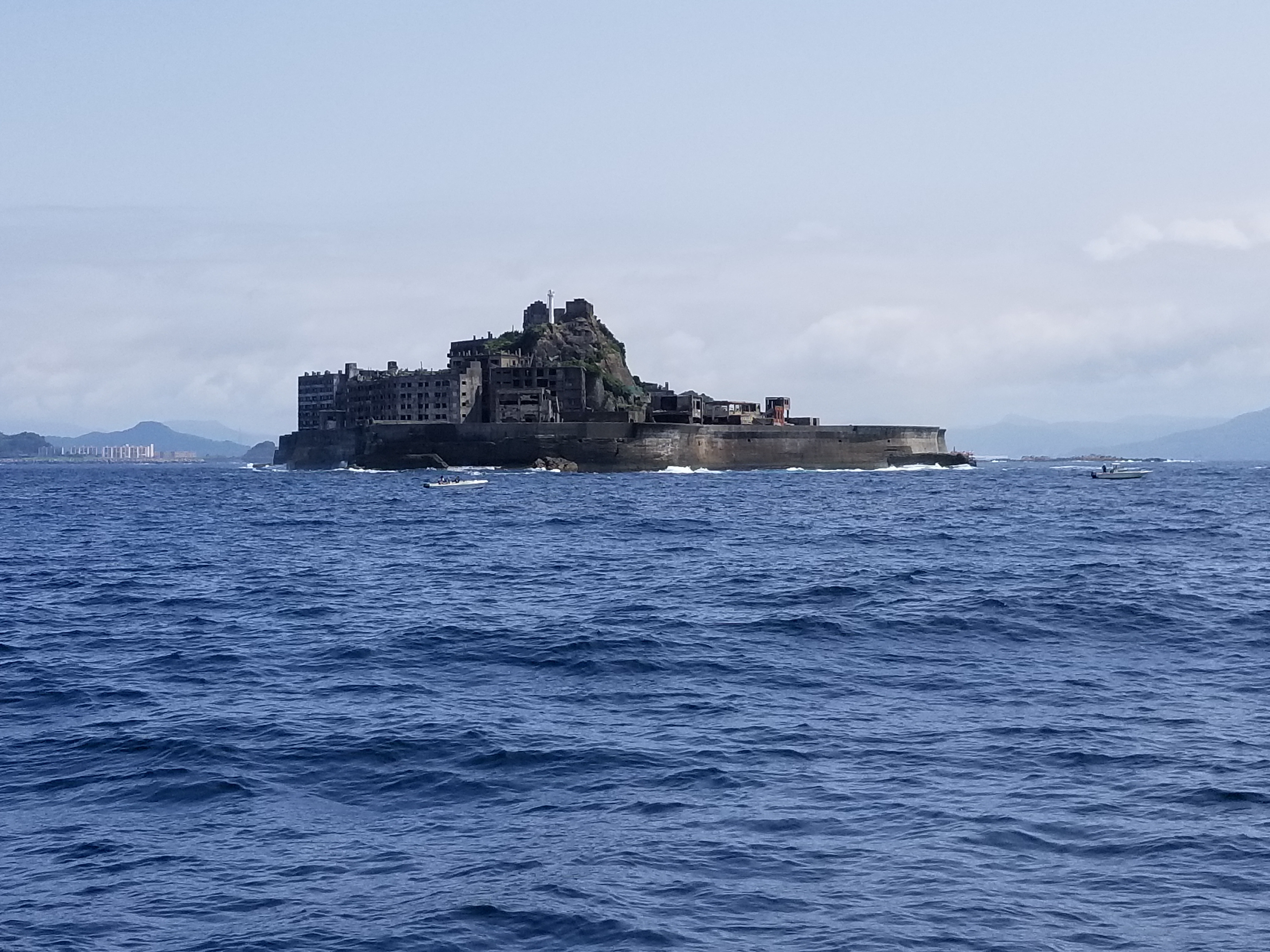
Gunkanjima: Visiting Nagasaki’s Abandoned Battleship Island
9 min · destinations

Jomon Sugi Trek on Yakushima: Route, Timing and Gear
6 min · experiences
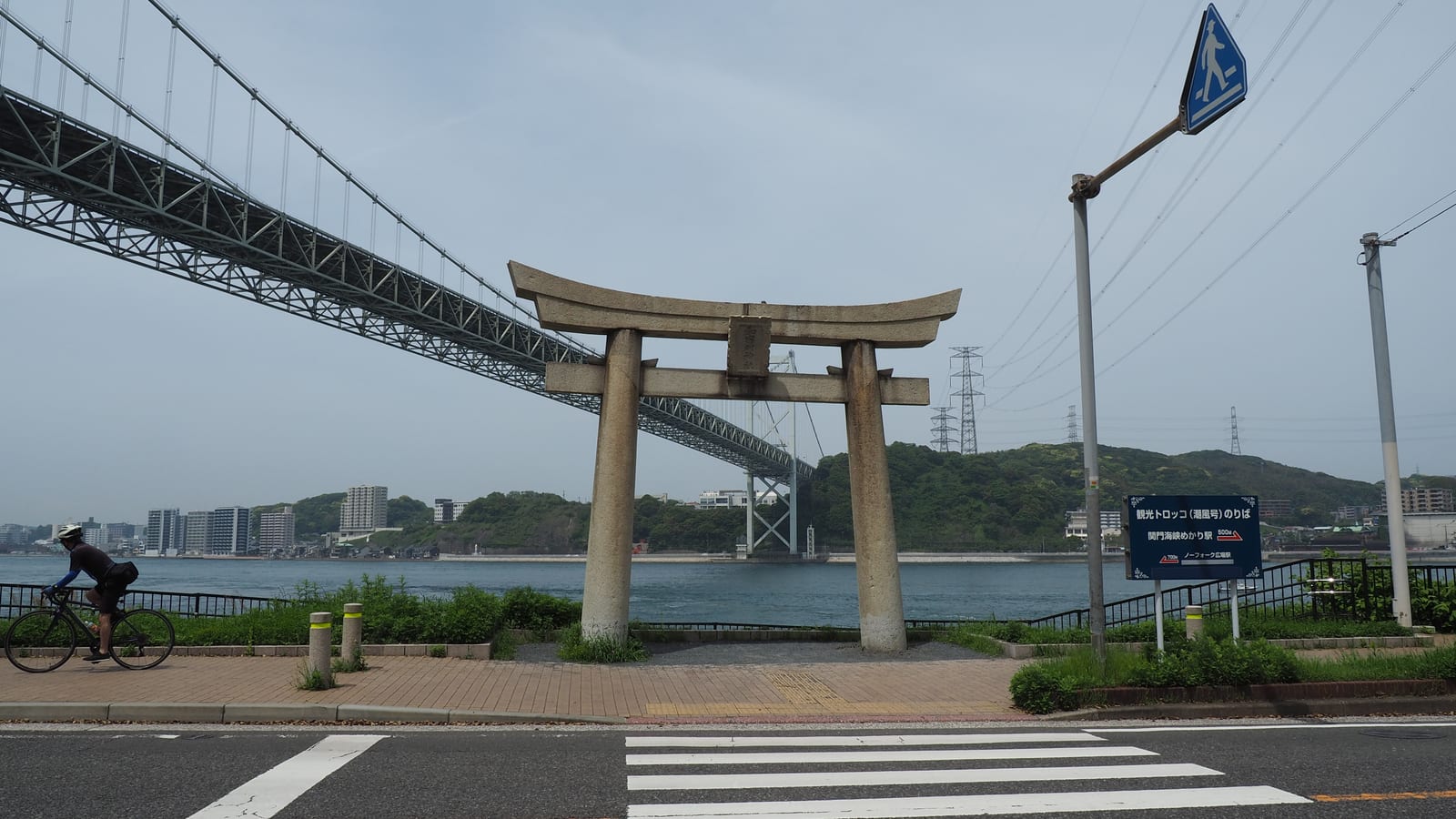
Kimono in Fukuoka: Where to Wear It, Best Photo Spots and How to Plan the Day
8 min · culture
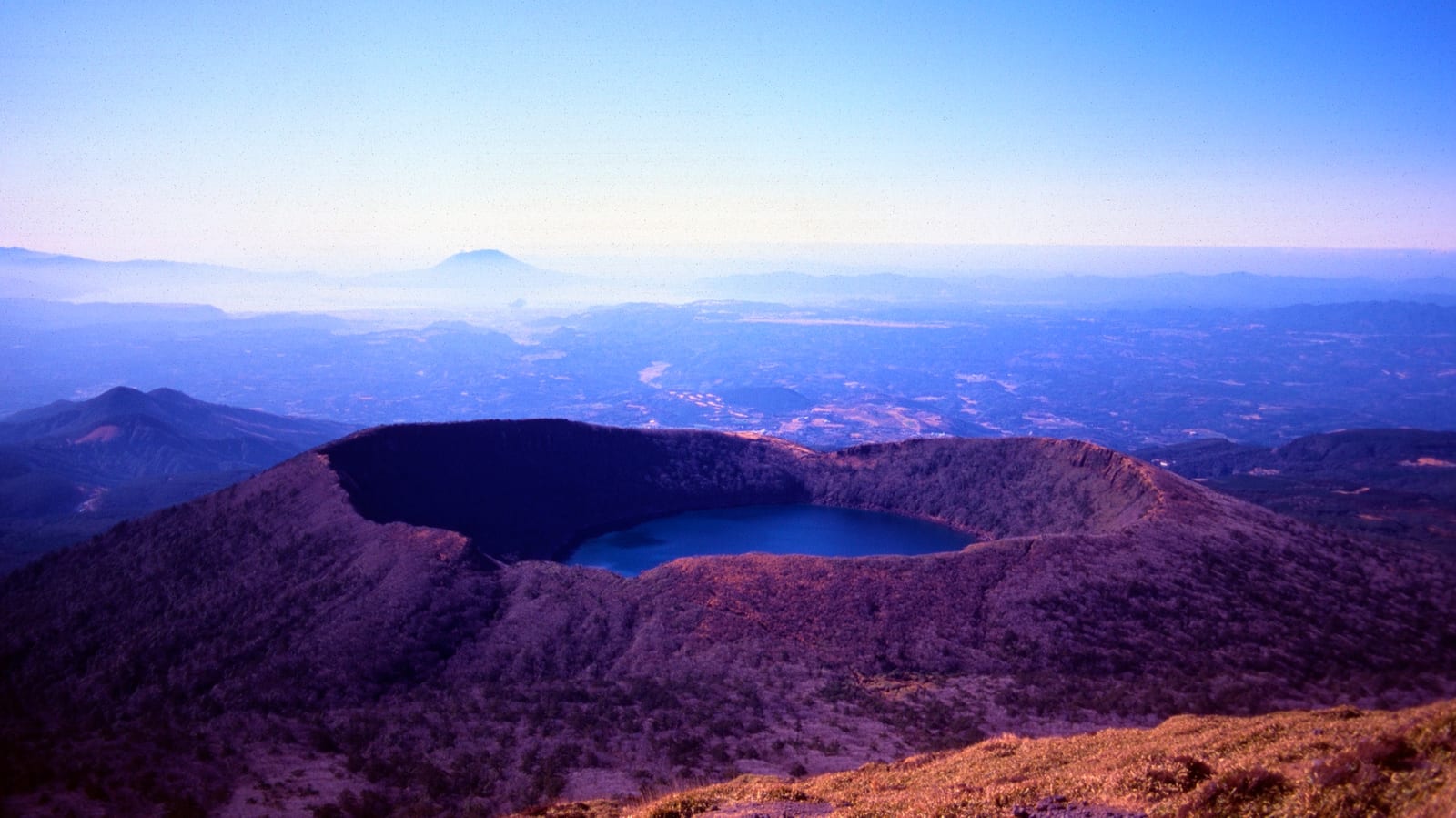
Kimono in Kagoshima: Where to Wear It, Best Photo Spots and How to Plan the Day
8 min · culture