
Udo Shrine: A Sacred Cave on the Miyazaki Coast
Visit Udo Shrine, a vermilion Shinto shrine set inside a sea cave on Miyazaki’s dramatic Nichinan Coast.
Aug 25, 2026·✍️ olablog·⏱ 8 min read
Visit Udo Shrine, a vermilion Shinto shrine set inside a sea cave on Miyazaki’s dramatic Nichinan Coast.
Tap a region to browse articles
A shrine carved into the Pacific coastline
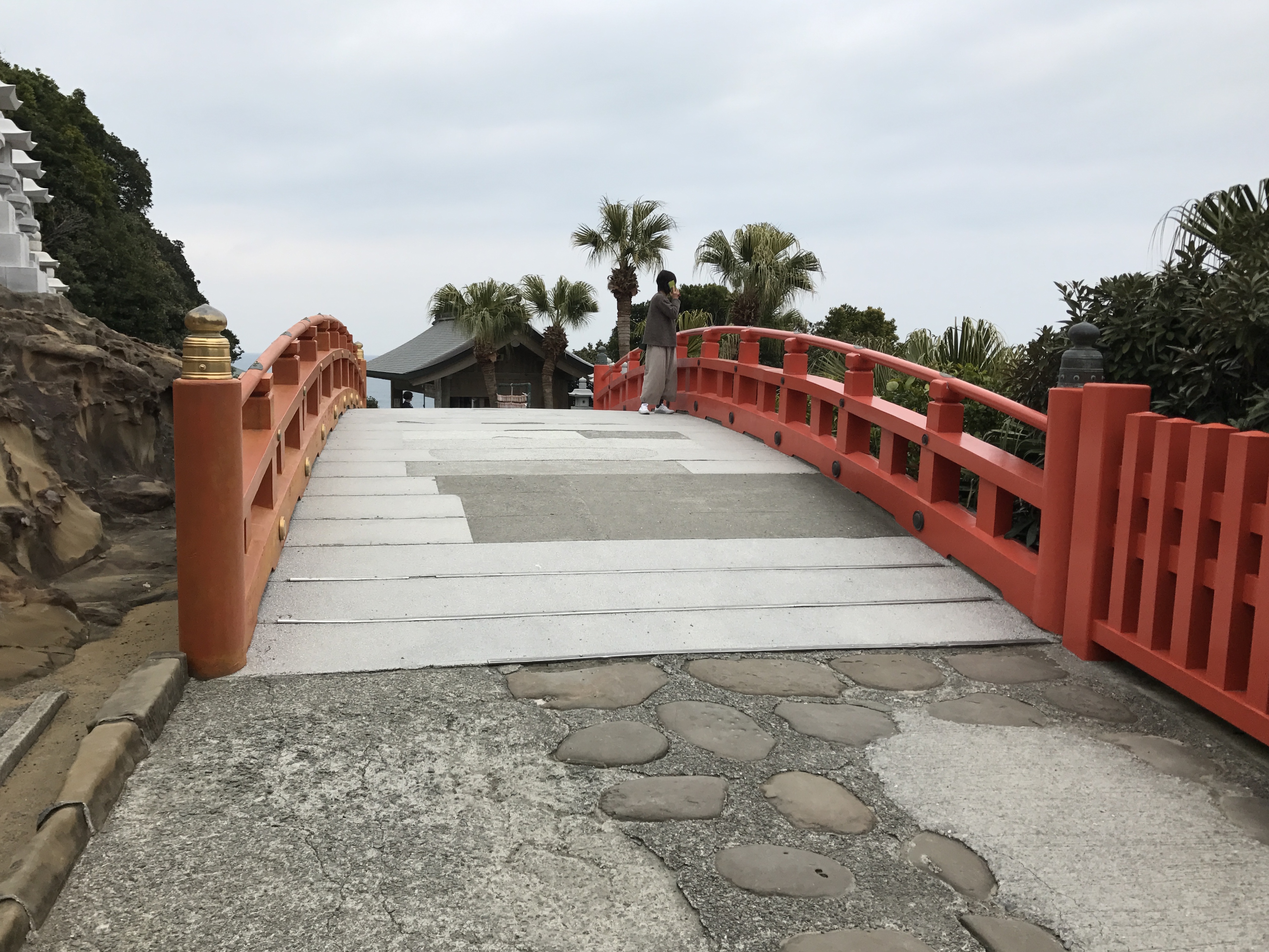
Udo Shrine, or Udo Jingu, is one of Miyazaki’s most memorable places of worship: a bright vermilion Shinto shrine tucked inside a cave on a cliff above the Pacific Ocean. Waves break against the rocky coast below, while the shrine’s colourful buildings stand out against dark stone, green vegetation and open blue water.
The setting alone makes Udo Shrine worth the journey. Unlike many Japanese shrines approached through a quiet forest or a long avenue of torii gates, this one sits at the end of a coastal path, with the sea always in view. You cross the grounds, descend towards the cliff and enter the natural cave where the main sanctuary is located.
Udo Shrine is also strongly connected with wishes for marriage, pregnancy, childbirth and the wellbeing of children. That combination of dramatic scenery and personal prayers makes it a distinctive stop on any Kyushu itinerary.
What to see at Udo Shrine
The approach begins near the shrine entrance, where a path leads past traditional structures and along the cliffside. Take your time here: the views towards the Pacific are part of the experience, not just a backdrop for the shrine.
Inside the cave, the main sanctuary is surrounded by rugged rock. The contrast between the red shrine architecture and the shadowy cavern is especially striking on a bright day. The cave is associated with the birth story of Ugayafukiaezu-no-Mikoto, a figure in Japanese mythology and the father of Emperor Jimmu, traditionally regarded as Japan’s first emperor.
One of the best-known rituals at the shrine involves small lucky stones called undama. From the cliff area, visitors can try to throw them into a small natural pool below, often aiming towards a turtle-shaped rock. Traditionally, men throw with the left hand and women with the right. A successful throw is considered a favourable sign, but the ritual is best approached as a light-hearted way to make a wish rather than a test of skill.
You may also notice references to ochichi iwa, or “breast rocks”, within the cave. These natural formations are linked to the shrine’s traditions surrounding fertility, safe childbirth and raising children. Visitors come to pray for a partner, a family or protection during important stages of life.
How to get there from Miyazaki
Miyazaki City is the most practical hub for visiting Udo Shrine. The shrine lies along the Nichinan Coast, south of Aoshima, and public transport follows the scenic coastal road.
The simplest option for many independent travellers is the Miyazaki Kotsu bus service along the Nichinan Coast. Buses depart from the Miyazaki area and travel via Aoshima towards Nichinan, with a stop for Udo Shrine. From Miyazaki Station, the journey is roughly 1.5 to 2 hours depending on the service and traffic. From Aoshima, allow roughly 1 hour, though schedules and route patterns vary.
It is important to check the latest timetable before setting out. Coastal buses are not as frequent as urban services, and missing a connection can significantly change the timing of your day.
A rental car is often the most flexible choice, particularly if you want to combine Udo Shrine with several stops along the coast. Route 220 follows the Nichinan Coast and offers viewpoints, beaches and roadside attractions along the way. Parking is available in the shrine area, although the final approach still involves walking and some steps.
| Starting point | Recommended transport | Approximate planning note |
|---|---|---|
| Miyazaki Station | Miyazaki Kotsu Nichinan Coast bus service | Roughly 1.5–2 hours; check the current timetable |
| Aoshima | Miyazaki Kotsu coastal bus or rental car | Roughly 1 hour by bus, depending on the service |
| Nichinan or Obi | Coastal bus or rental car | Convenient to combine with a wider Nichinan Coast itinerary |
There is no need to plan a complicated train journey directly to the shrine. The JR Nichinan Line serves the wider region, but you will need a bus or taxi for the final section. For a public-transport day trip, check the full return schedule before leaving Miyazaki.
How much time should you allow?
Allow at least 60–90 minutes at Udo Shrine itself. This gives you time to walk from the entrance to the cave, explore the grounds, enjoy the ocean views and try the undama ritual without rushing.
If you are travelling by bus, build your visit around the timetable rather than assuming you can leave whenever you are ready. With a rental car, two hours is more comfortable, especially if you want to stop at viewpoints along the approach.
A full day works well for combining Udo Shrine with Aoshima or other Nichinan Coast attractions. The drive is scenic, and the journey feels much more rewarding when treated as a coastal route rather than a simple transfer between two points.
Best seasons to visit
Udo Shrine is open-air for much of the experience, so weather has a noticeable effect. Spring brings comfortable temperatures and fresh greenery, making it one of the easiest seasons for walking along the coast. Early summer can be bright and lush, although humidity rises.
Summer offers strong colours and long daylight hours, but the exposed cliffside can feel hot. Start earlier in the day if you are visiting during a warm spell. Autumn is another excellent period, with milder weather and clearer walking conditions. Winter is cooler but often brings crisp views across the Pacific and fewer visitors.
Rain and strong coastal winds can make the path and rock surfaces slippery. Wear shoes with a good grip, and take extra care near the cliffside. The sea may also be rough during unsettled weather, which can make the undama area less comfortable to use.
Nearby places to combine with Udo Shrine
Aoshima
Aoshima is the easiest major stop to pair with Udo Shrine when travelling from Miyazaki. The small island is home to Aoshima Shrine and is surrounded by the unusual “Devil’s Washboard” rock formations. Its compact scale makes it a good contrast to Udo’s cliffside cave: relaxed, tropical and easy to explore on foot.
You can visit Aoshima first and continue south, or make it your final stop before returning to Miyazaki. Check transport times carefully if relying on buses.
Sun Messe Nichinan
Sun Messe Nichinan is known for its row of Moai-style statues overlooking the coast. The statues are a playful landmark rather than an ancient Japanese site, but the elevated setting provides broad sea views and makes a useful stop by car.
The grounds are open and spacious, so allow extra time if you want photographs or a leisurely look around. Confirm current admission and operating details through the official source before visiting.
Obi Castle Town
Obi, sometimes called the “Little Kyoto of Kyushu”, offers a completely different atmosphere. Its historic streets, former samurai residences and castle-town layout provide a glimpse of Nichinan’s past. The town is best explored slowly, with time for local food and small museums.
Obi is easier to include on a driving itinerary or a carefully planned bus-and-train route. It is farther inland than Udo Shrine, so avoid squeezing both into a rushed half-day.
For more ideas and bookable travel experiences around Japan, visit OlaChill’s destination hub.
Practical etiquette and preparation
Udo Shrine is an active place of worship, not simply a scenic attraction. At the entrance, follow the usual shrine etiquette: bow before passing through a torii, purify your hands at the water basin if available, and keep voices low near the sanctuary. If you choose to pray, follow the standard two bows, two claps and one bow unless local instructions indicate otherwise.
The route includes stairs, uneven ground and exposed coastal sections. Comfortable walking shoes are essential. Bring water in warm weather, and keep loose belongings secure when near the cliff. The ocean breeze can be strong even when the city feels calm.
Most importantly, leave enough time for the return journey. The beauty of Udo Shrine comes partly from its remote coastal setting, and public transport in this area is planned rather than frequent.
FAQ
Is Udo Shrine inside a real cave?
Yes. The main sanctuary is built within a natural seaside cave in the cliff. The cave is open to visitors as part of the shrine grounds, although access conditions may change during bad weather.
Can I visit Udo Shrine without a car?
Yes. Miyazaki Kotsu coastal bus services connect the shrine area with Miyazaki, Aoshima and parts of the Nichinan Coast. Services are limited, so check the latest timetable and plan your return in advance.
What is the lucky stone ritual at Udo Shrine?
Visitors can buy or receive small undama stones and try to throw them into a natural pool below the cliff, aiming towards a turtle-shaped rock. A successful throw is traditionally associated with good luck.
What should I wear?
Wear comfortable shoes with good grip. The approach includes stairs, uneven surfaces and cliffside paths, which can become slippery after rain.
Can Udo Shrine be visited as a day trip from Miyazaki?
Yes. A day trip is practical by car or bus, though the journey takes time. Combining the shrine with Aoshima, Sun Messe Nichinan or Obi makes the coastal excursion more worthwhile.
More from this region — Kyushu
View all →
Driving Oita – A Coast-and-Mountain Drive Through Kyushu's Quietest Villages
5 min · tips

Yakushima – Japan's Ancient UNESCO Forest of Thousand-Year-Old Trees
5 min · tips
Yakushima Jomon Sugi Trekking Complete Guide: Arakawa Trailhead, 10 Hours Required, What to Wear
15 min · ハイキング
Yamanami Highway – A Jaw-Dropping Drive Through Kyushu's Volcanic Highlands
5 min · tips