Kyoto's Temples and Shrines
Explore Kyoto's spiritual heart with this guide for Indian and Bangladeshi visitors, focusing on Buddhist roots, practical tips, and avoiding temple fatigue.
Jul 10, 2026·✍️ olablog·⏱ 22 min read
Explore Kyoto's spiritual heart with this guide for Indian and Bangladeshi visitors, focusing on Buddhist roots, practical tips, and avoiding temple fatigue.
Tap a region to browse articles
Kyoto, Japan's ancient capital, is a city steeped in spiritual history, boasting over 2,000 temples and shrines. For visitors from India and Bangladesh, these sacred sites offer more than just picturesque scenery; they provide a profound connection to shared Buddhist heritage and a glimpse into centuries of devotion. Navigating this spiritual landscape meaningfully, rather than just sight-seeing, is key to a truly enriching experience, especially when balancing costs and cultural nuances.
The Enduring Echoes: India's Buddhist Lineage in Kyoto
For many Indian and Bangladeshi travelers, the journey to Kyoto's temples is a pilgrimage of sorts, a return to the roots of a philosophy born on the subcontinent. Buddhism, originating in ancient India with Siddhartha Gautama, traveled along the Silk Road through China and Korea before flourishing in Japan. This historical lineage means that while the aesthetics of Japanese temples might differ from those found in Bodh Gaya or Sarnath, the core tenets of compassion, mindfulness, and the pursuit of enlightenment remain strikingly familiar.
When you stand before a statue of Buddha in a Kyoto temple, or observe the intricate mandalas, you are witnessing a direct continuation of traditions that began in your own ancestral lands. This connection can transform a mere visit into a deeper, more resonant experience. Understanding this shared heritage helps to appreciate the subtle differences and unique evolutions of Japanese Buddhism, which integrated with indigenous Shinto beliefs to create a distinctive spiritual landscape. For instance, the practice of venerating Bodhisattvas, deeply rooted in Mahayana Buddhism, is prevalent across many Kyoto temples, mirroring similar devotions found in Indian Buddhist traditions.
Many of Kyoto’s most significant temples belong to various schools of Buddhism, such as Zen, Tendai, and Shingon, all of which trace their doctrines back to Indian origins. Rather than just admiring the architecture, take a moment to reflect on this journey of ideas and faith. This 'meaning-first' approach allows for a richer engagement, moving beyond surface-level observation to a genuine appreciation of the spiritual continuity. It’s not just about seeing a temple; it’s about experiencing a living tradition that connects continents and centuries.
Fushimi Inari Taisha: A Strategic Ascent for Serenity
Fushimi Inari Taisha, with its iconic thousands of vermilion torii gates winding up Mount Inari, is undoubtedly one of Kyoto’s most visually striking and popular attractions. Its captivating beauty draws crowds from morning till evening, making a serene experience challenging for many. However, for those willing to embrace an early start, Fushimi Inari offers a truly magical and uncrowded encounter, which is our top recommendation for Indian and Bangladeshi visitors seeking both beauty and tranquility.
The key to experiencing Fushimi Inari without the throngs is to arrive at dawn, ideally between 6:00 AM and 7:00 AM. Unlike many temples with strict opening hours and entrance fees, Fushimi Inari Taisha is a Shinto shrine, and its main grounds and the torii gate trails are open 24 hours a day, seven days a week, and entry is completely free. This flexibility is a significant advantage for budget-conscious travelers, as there are no entrance fees to factor into your costs.
Early Morning Strategy:
- Arrive by 6:00 AM - 6:30 AM: Take an early train (JR Nara Line from Kyoto Station to Inari Station, a 5-minute ride, costs ¥150 or approx. ₹84) or a taxi. The short walk from Inari Station leads directly to the shrine’s main entrance.
- Begin the Ascent: Start walking through the Senbon Torii (thousands of gates). In the early morning light, with mist often hanging in the air, the gates glow, and the atmosphere is profoundly spiritual and quiet. You'll largely have the path to yourself for at least the first hour.
- Go Beyond the Initial Stretch: Many tourists only walk the first section of gates. To truly escape the crowds and experience the mountain's serene beauty, continue past Yotsutsuji intersection (about 30-45 minutes uphill). From here, the crowds thin out dramatically, and you can enjoy the tranquil forest paths and smaller shrines. The entire loop to the summit and back takes about 2-3 hours at a comfortable pace.
- Photography and Reflection: This early window provides unparalleled opportunities for photography without people in every shot. More importantly, it allows for quiet contemplation and appreciation of the shrine's spiritual essence, dedicated to Inari Okami, the Shinto god of rice and sake, and patron of business.
Food and Facilities: While there are no dedicated vegetarian or halal food stalls within the immediate shrine area that cater specifically to these dietary needs, the area around the main entrance has several small eateries. It’s best to have a light breakfast at your accommodation or carry some safe snacks. After your descent, you might find some tea houses opening up, but for a substantial meal, it's advisable to head back towards Kyoto Station or a larger commercial area where more diverse options are available. Look for restaurants displaying "Vegetarian" or "Halal" signs, or use translation apps to communicate your dietary restrictions.
Kinkaku-ji and Kiyomizu-dera: Beyond the Postcard Perfect View
Kyoto's Golden Pavilion (Kinkaku-ji) and the "Pure Water Temple" (Kiyomizu-dera) are undeniably iconic, gracing countless guidebooks and postcards. While their visual appeal is immense, understanding their historical and spiritual context elevates the experience beyond just a photo opportunity. For Indian and Bangladeshi visitors, delving into their stories provides a richer appreciation of Japanese aesthetics and spiritual endurance.
Kinkaku-ji (Golden Pavilion): A Glimpse into Aristocratic Zen Kinkaku-ji, officially named Rokuon-ji, is a Zen Buddhist temple. Its most famous structure, the Golden Pavilion, is literally covered in gold leaf, shimmering beautifully over its reflecting pond. While its current incarnation dates back to 1955 after an arson incident, its history stretches back to the late 14th century when it was built as a retirement villa for Shogun Ashikaga Yoshimitsu. After his death, it was converted into a Zen temple, as per his will. The layering of gold leaf symbolizes purification from negative thoughts and associations with death.
The architectural style is distinct, blending three different styles: Shinden-zukuri (palace style), Buke-zukuri (samurai house style), and Zenshu-butsuden-zukuri (Zen temple style). Each floor of the pavilion represents a different architectural period and spiritual philosophy. The first floor, in Shinden style, evokes the Heian aristocracy; the second, in Buke style, represents the samurai class; and the third, in Zen style, houses a Buddha relic and symbolizes spiritual enlightenment.
- Entrance Fee: ¥500 (approx. ₹280) for adults.
- Opening Hours: 9:00 AM - 5:00 PM.
- Context for Visitors: Appreciate not just the gold, but its role as a power center during a politically tumultuous era, and its later transformation into a place of Zen contemplation. The surrounding gardens, carefully designed, are integral to the Zen aesthetic, promoting tranquility and introspection.
Kiyomizu-dera (Pure Water Temple): A Place of Pilgrimage and Prayer Kiyomizu-dera, a UNESCO World Heritage site, is renowned for its magnificent wooden stage that juts out from the main hall, offering panoramic views of Kyoto. However, its significance extends far beyond the vista. It is a temple of the Hosso sect of Buddhism, one of Japan's oldest Buddhist schools, which also has roots in Indian Buddhist philosophy. The temple's name, meaning "Pure Water Temple," comes from the Otowa Waterfall within its grounds, whose waters are believed to have wish-granting powers.
Historically, Kiyomizu-dera has been a popular pilgrimage site for centuries, drawing people seeking blessings for various aspects of life, from safe childbirth to success in studies. The main deity enshrined here is a statue of the eleven-faced, thousand-armed Kannon Bodhisattva, a compassionate figure revered in Mahayana Buddhism. The temple's construction without a single nail for its famous wooden stage is a testament to ancient Japanese carpentry skills and engineering.
- Entrance Fee: ¥400 (approx. ₹224) for adults.
- Opening Hours: Generally 6:00 AM - 6:00 PM (may extend during special viewings).
- Context for Visitors: When visiting, observe the pilgrims collecting water from the waterfall – each stream representing a different blessing (longevity, success, love). This ritual connects visitors directly to centuries of devotion. The temple's location on the hillside also offers a sense of remove from the city's bustle, promoting a meditative atmosphere. The approach to Kiyomizu-dera, through the charming Sannenzaka and Ninenzaka slopes, lined with traditional shops, is also part of the experience, though these can be crowded.
For both Kinkaku-ji and Kiyomizu-dera, try to visit earlier in the morning to avoid the peak crowds, especially at Kiyomizu-dera where the wooden stage can become very congested. While these sites are visually spectacular, taking a moment to read about their history and spiritual significance before your visit will profoundly deepen your appreciation.
Avoiding Temple Fatigue: Pacing Your Spiritual Journey
Kyoto's abundance of temples and shrines, while a treasure, can quickly lead to "temple fatigue" – a sense of overwhelm and diminished appreciation after visiting too many similar-looking sites. For visitors from India and Bangladesh, where religious sites are also numerous, this feeling can be particularly acute if not managed properly. The key is thoughtful planning and prioritizing meaning over sheer numbers.
Strategies to Prevent Temple Fatigue:
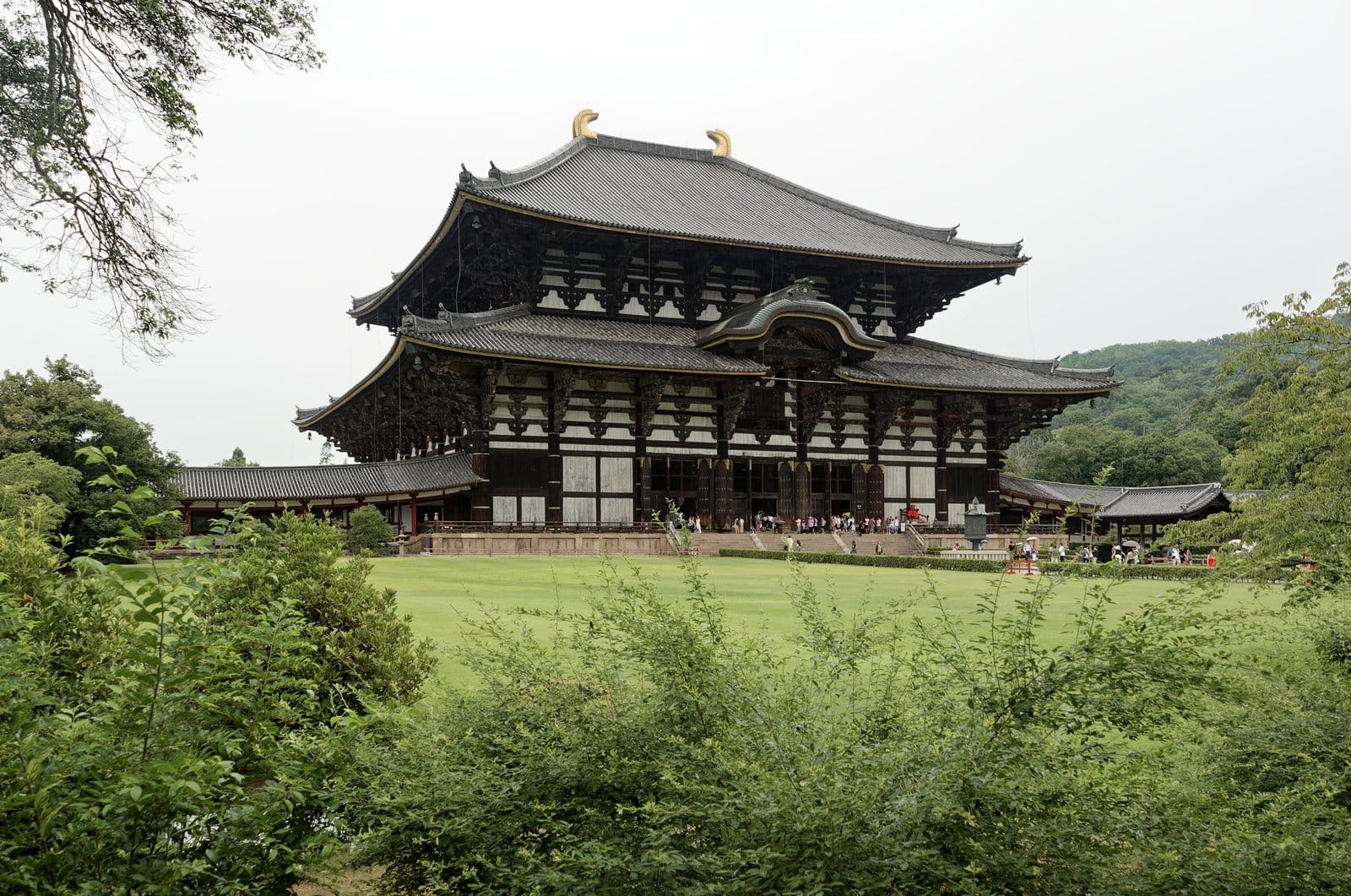
- Quality Over Quantity: Instead of rushing to see every temple on a list, select a few that genuinely interest you. Research their specific history, architectural style, or associated Buddhist/Shinto school. For example, if Zen Buddhism fascinates you, prioritize Ryoan-ji with its famous rock garden or Daitoku-ji with its numerous sub-temples. If you're interested in grand architecture, then Kiyomizu-dera and Todai-ji (a bit further out in Nara, but often combined) are excellent choices.
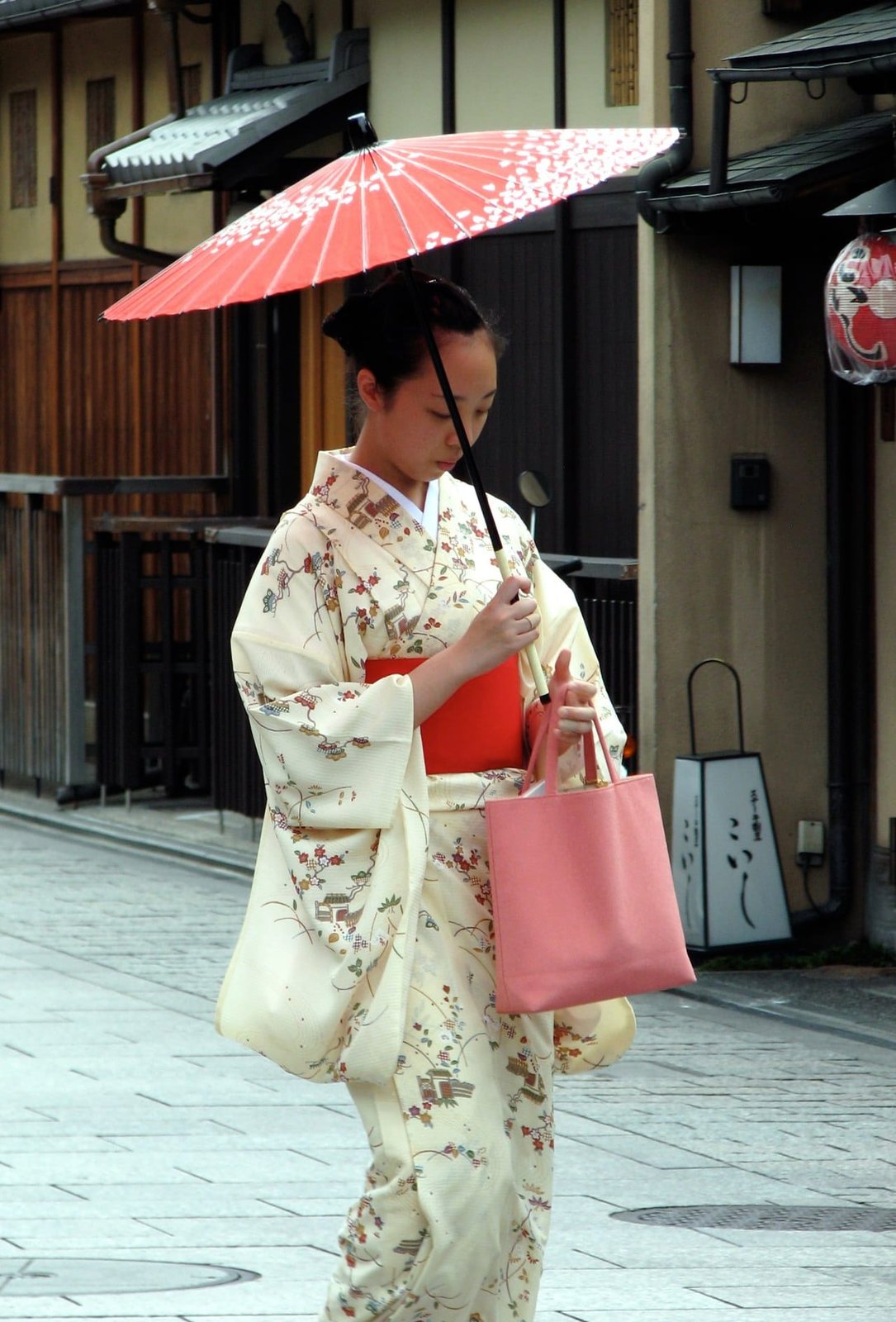
- Mix and Match: Don't dedicate entire days solely to temples. Intersperse temple visits with other cultural experiences. Spend an afternoon exploring a traditional market like Nishiki Market (where you can find many vegetarian-friendly snacks and ingredients), or stroll through the Arashiyama Bamboo Grove (best visited early morning or late afternoon). A walk through the Gion district to spot geiko (Kyoto geisha) can offer a different cultural flavor.
- Understand the "Why": Before entering a temple, take a few minutes to read up on its significance. What makes this particular temple unique? What is its main deity? What historical events is it associated with? Understanding the 'why' helps you connect on a deeper level and prevents the sites from blurring into one another. For instance, knowing that Sanjusangen-do houses 1,001 statues of Kannon, each slightly different, makes the experience of walking its length far more impactful than just seeing a hall full of statues.
- Embrace the Gardens: Many temples feature exquisitely designed gardens that are integral to their spiritual practice. Spend time in these gardens, practicing mindfulness and quiet contemplation. They are often less crowded than the main temple halls and offer a serene escape.
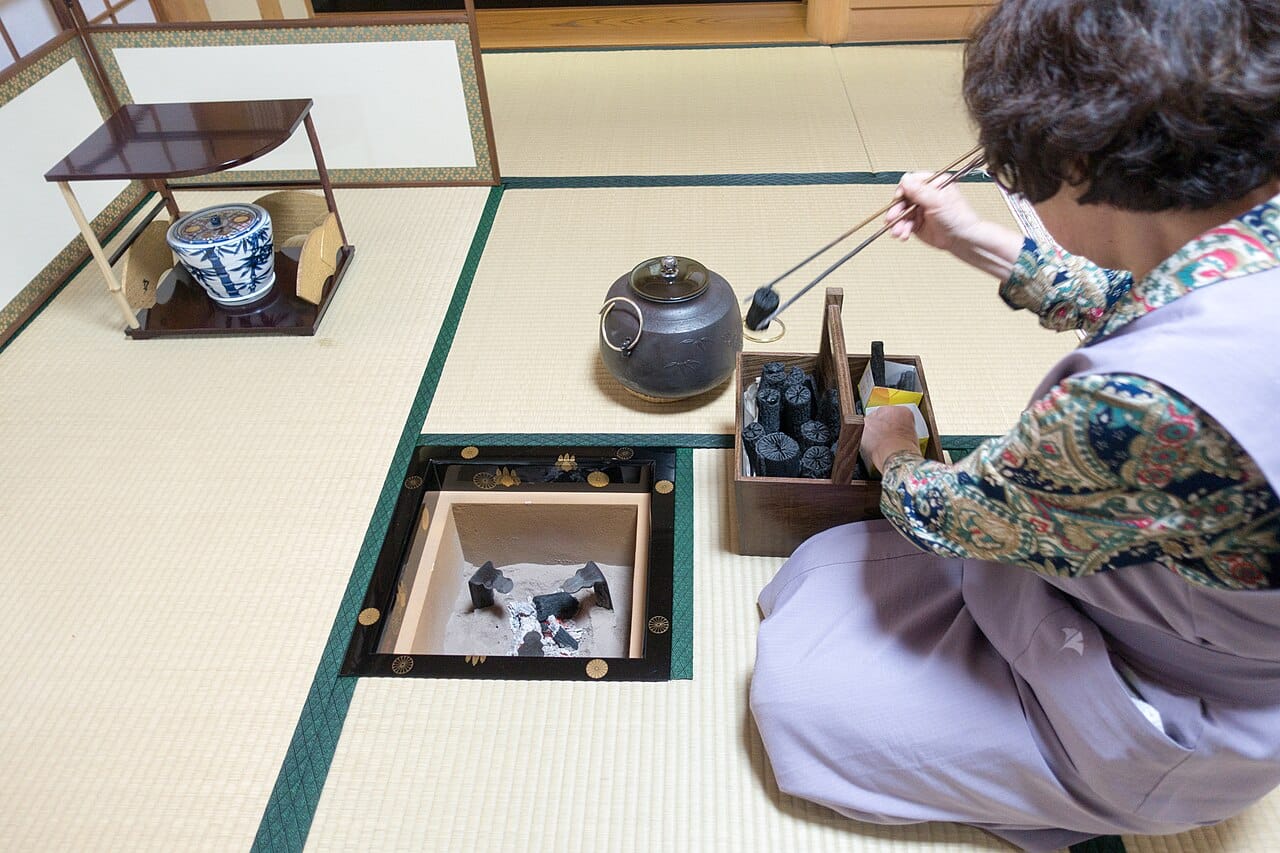
- Pace Yourself: Allow ample time for each visit, including travel between sites. Don't schedule more than 2-3 significant temples or shrines in a single day. Over-scheduling leads to rushing, which detracts from the reflective experience. Break up your day with a leisurely lunch or a traditional tea ceremony.
- Consider a Theme: Focus your visits around a specific theme. Perhaps all temples related to a certain school of Buddhism, or those known for their autumn foliage, or those with unique architectural features. This provides a narrative thread to your exploration.
- Take a Break: When you feel yourself becoming overwhelmed, simply take a break. Find a quiet cafe, sit by a river, or return to your accommodation for some rest. Japan's excellent public transport (like the Tokyo Metro or Kyoto's buses, which are as efficient as the Delhi Metro, though requiring different ticketing) makes it easy to move around and take breaks as needed.
By consciously adopting these strategies, you can ensure that each temple visit remains a meaningful and enriching part of your Japan journey, rather than just another item checked off a list.
Respectful Dress and Manner: Bridging Cultural Etiquette
When visiting temples and shrines in Kyoto, observing local customs and etiquette is not just a matter of politeness but a way to show respect for sacred spaces and the culture. For Indian and Bangladeshi visitors, many of these customs will feel familiar, echoing practices in mosques, gurudwaras, or Hindu temples, making the transition easier.
Dress Code:
- Modesty is Key: While there isn't a strict, universally enforced dress code like in some religious sites in South Asia, modest attire is always appreciated. Avoid overly revealing clothing. Shoulders and knees should ideally be covered. This means opting for trousers, longer skirts, or dresses, and shirts with sleeves.
- Comfort and Practicality: You will be doing a fair amount of walking, often on uneven stone paths or up many steps (especially at Kiyomizu-dera or Fushimi Inari). Comfortable walking shoes are essential.
- Footwear: At many temples, particularly in their inner halls, you will be required to remove your shoes. Wear shoes that are easy to slip on and off. Carry socks, as walking barefoot on cold wooden floors can be uncomfortable. There will usually be designated shoe lockers or shelves.
Manner and Behavior:
- Quiet and Respectful Demeanor: Maintain a quiet voice and respectful demeanor. Avoid loud conversations, boisterous laughter, or any behavior that might disturb the peace and sanctity of the place.
- Photography: Most outdoor areas of temples and shrines allow photography. However, always be mindful of signage. Photography is often prohibited inside main temple halls, where sacred images are enshrined. If in doubt, look for "No Photography" signs (usually a camera with a cross through it) or simply refrain. Never use flash inside.
- Entering Temple Buildings: If you enter an inner hall where shoes are removed, step over the threshold rather than on it. This is a common sign of respect.
- Bowing at Shrines: At Shinto shrines like Fushimi Inari Taisha, there's a specific ritual for prayer:
- Approach the offering box, throw in a coin (a ¥5 coin is considered lucky).
- Bow twice deeply.
- Clap your hands twice.
- Offer a silent prayer or wish.
- Bow once deeply again. This ritual is for Shinto shrines, not Buddhist temples. At Buddhist temples, a simple silent prayer or a respectful bow is sufficient.
- Purification at Shrines: Before entering a Shinto shrine, you'll often find a temizuya (water pavilion) with ladles and a water basin.
- Take a ladle, scoop water, and pour it over your left hand.
- Then pour water over your right hand.
- Pour a small amount into your cupped left hand to rinse your mouth (do not drink directly from the ladle, and spit water outside the basin, not back into it).
- Finally, rinse the ladle by holding it vertically so remaining water runs down the handle. This is a symbolic purification.
- Monks and Priests: If you encounter monks or priests, a respectful nod or slight bow is appropriate. Do not interrupt them if they appear to be performing rituals or in contemplation.
- Eating and Drinking: Generally, refrain from eating or drinking within the temple or shrine grounds, especially near altars or in main halls. Designated rest areas or cafes are usually available nearby.
- Smoking: Smoking is strictly prohibited within almost all temple and shrine grounds.
- Littering: Japan is incredibly clean. Carry a small bag for your trash and dispose of it responsibly in designated bins, or carry it with you until you find one.
By being mindful of these simple guidelines, you not only demonstrate respect for Japanese culture but also enhance your own experience by engaging more deeply with the spiritual atmosphere of these ancient sites.
Navigating Kyoto: Transport, Food, and Practicalities
Kyoto is a city that blends ancient charm with modern efficiency. For Indian and Bangladeshi visitors, understanding the practicalities of transport and food is crucial for a smooth and enjoyable trip, especially when managing costs and dietary preferences.
Getting Around Kyoto:
- Public Transport is King: Kyoto's public transport system is excellent and reliable, primarily relying on buses and, to a lesser extent, a subway system.
- Buses: Kyoto's bus network is extensive and often the best way to reach many temples and shrines. A one-day bus pass costs ¥700 (approx. ₹392) for unlimited rides, which quickly pays for itself if you plan to take more than two or three bus rides in a day. You buy it directly from the bus driver when you exit, or at subway stations/convenience stores.
- Subway: Kyoto has two subway lines (Karasuma and Tozai lines) which are efficient but don't cover as many tourist spots directly as the buses. A one-day subway pass or a combined bus/subway pass (¥900, approx. ₹504) is available.
- JR Lines: For destinations like Fushimi Inari Taisha or Arashiyama, the JR (Japan Railways) lines are often the fastest. If you have a Japan Rail Pass, these rides are covered. Otherwise, individual tickets (e.g., Kyoto to Inari is ¥150) are purchased from vending machines at stations. Similar to booking train tickets in India via IRCTC, JR tickets can be purchased at stations, but it’s simpler and faster, with English options available on vending machines.
- IC Cards (ICOCA/Suica/Pasmo): For ultimate convenience, purchase an IC card like ICOCA (Kyoto's local version, but Suica/Pasmo from Tokyo also work). Load money onto it and simply tap to enter/exit trains and buses. This avoids fumbling for exact change or buying individual tickets. You can purchase an ICOCA card at any JR station's ticket machine or counter for a ¥500 (approx. ₹280) deposit plus your desired loaded amount.
- Taxis: Taxis are readily available but significantly more expensive than public transport. Use them sparingly for late-night returns or when traveling in a group to split the cost. A short 15-minute ride could easily cost ¥1,500-¥2,000 (approx. ₹840-₹1,120).
Food: Addressing Vegetarian and Halal Concerns:
This is a common concern for Indian and Bangladeshi travelers, but Kyoto offers more options than one might initially expect.
- Vegetarian (Shōjin Ryōri): Kyoto is famous for shōjin ryōri, traditional Buddhist temple cuisine. This is strictly vegetarian (often vegan) and uses seasonal vegetables, tofu, and wild plants. It's an authentic cultural and culinary experience, though it can be pricier. Many temples, like Tenryu-ji in Arashiyama, have restaurants serving shōjin ryōri. Reservations are often recommended.
- Example Cost: A shōjin ryōri set meal can range from ¥3,000 to ¥6,000 (approx. ₹1,680 to ₹3,360) per person.
- General Vegetarian Options:
- Tofu: Kyoto is renowned for its tofu. Many restaurants specialize in tofu dishes, from yudofu (boiled tofu) to creative preparations. Always ask if dashi (fish broth) is used, as it's common in Japanese cooking.
- Tempura: Vegetable tempura is a good option, but again, confirm if the oil is shared with meat/fish or if dashi is in the dipping sauce.
- Soba/Udon: Noodle dishes can be vegetarian if ordered with vegetable broth and toppings. Specify "dashi-nuki" (without dashi).
- Indian/Nepali Restaurants: Kyoto has a growing number of Indian and Nepali restaurants, particularly around Kyoto Station and central areas, offering reliable vegetarian and sometimes halal choices. These are often excellent value.
- Supermarkets/Convenience Stores: Look for fresh fruits, salads, rice balls (onigiri – check ingredients carefully for fish flakes/meat), bread, and instant noodles (again, check ingredients). "FamilyMart," "Lawson," and "7-Eleven" are your go-to.
- Halal Options:
- Halal Restaurants: The number of halal-certified restaurants is increasing in Kyoto, especially catering to Muslim tourists. Use apps like "Halal Navi" or "Japan Halal TV" to find certified eateries.
- Specific Dishes: Some ramen shops offer halal ramen (usually chicken or beef-based). Look for dedicated "Halal Ramen" signs.
- Communication: Always carry a translation card or use a translation app to clearly convey "no pork," "no alcohol," and "halal meat only" if you are unsure.
- Self-Catering: Consider self-catering from supermarkets for some meals if you have kitchen access in your accommodation.
Money Matters:
- Cash is Still King: While credit cards are accepted in many larger establishments, cash is essential for smaller shops, bus fares, and some temple entrance fees. Always carry enough Japanese Yen.
- ATMs: International ATMs are readily available at post offices, 7-Eleven convenience stores, and some major bank branches.
- Currency Conversion: As a reminder, use approx. ₹0.56 per ¥1 for Indian Rupees. For Bangladeshi Taka, expect roughly BDT 0.73 per ¥1 (check current rates before travel). Mentioning BDT where natural helps Bangladeshi visitors gauge costs.
By being informed about transport and proactively addressing food concerns, your Kyoto trip can be both spiritually enriching and gastronomically satisfying, without unnecessary stress.
A Sample Day: Kyoto's Spiritual Journey from Dawn to Dusk
To help visualize a 'meaning-first' approach, here's a sample day itinerary designed for Indian and Bangladeshi visitors, balancing spiritual depth, practicalities, and avoiding fatigue, with costs converted to approximate Indian Rupees.
Morning: Fushimi Inari Taisha (Early Ascent & Spiritual Connection)
- 6:00 AM: Depart from Kyoto Station. Take the JR Nara Line to Inari Station (5 min ride, ¥150 / ~₹84).
- 6:15 AM - 8:30 AM: Explore Fushimi Inari Taisha. Begin your ascent through the Senbon Torii. Take your time, walk past the initial crowded sections, and enjoy the serene forest paths further up the mountain. Reflect on the dedication of those who donated the gates and the connection to the deity Inari. Take photos in the soft morning light.
- 8:30 AM - 9:00 AM: Descend and head back towards Inari Station.
- 9:00 AM - 9:45 AM: Light breakfast. Grab some fruit or a safe snack you carried, or find a convenience store for a quick bite. Alternatively, head back towards Kyoto Station for more breakfast options.
Late Morning: Sanjusangen-do (A Thousand Kannon & Historical Reflection)
- 9:45 AM - 10:15 AM: Travel from Inari Station (or Kyoto Station after breakfast) to Sanjusangen-do. A short train ride or bus ride (e.g., Kyoto City Bus #206 from Kyoto Station to Hakubutsukan-Sanjusangendo-mae, ~10-15 min, ¥230 / ~₹129 per ride, or covered by a bus pass).
- 10:15 AM - 11:45 AM: Visit Sanjusangen-do. This Buddhist temple houses 1,001 statues of the Kannon Bodhisattva, lined up in impressive rows, flanked by 28 guardian deities. Spend time walking the length of the hall, observing the intricate details of each statue and contemplating the devotion required to create such a monumental collection. The quiet, solemn atmosphere is conducive to reflection. Photography is usually prohibited inside, encouraging present-moment appreciation.
- Entrance Fee: ¥600 (approx. ₹336).
Lunch: Exploring Nishiki Market (Vegetarian/Halal Options)
- 11:45 AM - 12:30 PM: Travel from Sanjusangen-do to Nishiki Market. Take a bus or a combination of bus/subway (e.g., Bus #206 to Shijo Kawaramachi, then walk).
- 12:30 PM - 1:30 PM: Explore Nishiki Market, known as "Kyoto's Kitchen." While it can be bustling, it's an excellent place to find fresh produce, pickles, and vegetarian-friendly snacks. Look for vendors selling tsukemono (Japanese pickles), yuba (tofu skin), mochi, or senbei (rice crackers). Many stalls offer samples. You might find small eateries offering vegetable tempura or soba/udon (ask for dashi-nuki). This is a good opportunity to find diverse options.
- Cost: Varies greatly depending on what you buy, but expect ¥500 - ¥1,500 (approx. ₹280 - ₹840) for a light meal or snacks.
Afternoon: Ryoan-ji (Zen Garden & Contemplation)
- 1:30 PM - 2:30 PM: Travel from Nishiki Market to Ryoan-ji. This might involve a bus ride (e.g., Bus #59 or #50) or a subway and bus combination.
- 2:30 PM - 4:00 PM: Visit Ryoan-ji. This Zen temple is famous for its kare-sansui (dry landscape) rock garden, considered one of Japan's most sublime masterpieces. Sit on the veranda, observe the 15 rocks arranged in moss, and ponder its minimalist design. The garden is designed so that from any vantage point, at least one rock is always hidden from view, prompting contemplation on completeness and perception. This is a perfect antidote to potential temple fatigue, offering a different kind of spiritual experience focused on quiet observation.
- Entrance Fee: ¥600 (approx. ₹336).
Late Afternoon/Evening: Arashiyama Bamboo Grove (Serene Stroll) & Dinner
- 4:00 PM - 4:30 PM: Travel from Ryoan-ji to Arashiyama. A short bus ride or walk to a local train station, then a train to Arashiyama (e.g., Randen line).
- 4:30 PM - 6:00 PM: Stroll through the Arashiyama Bamboo Grove. While popular, the late afternoon light can be magical, and it's less crowded than midday. Take your time walking through the towering bamboo stalks, listening to the rustling leaves. Consider a visit to Tenryu-ji Temple (UNESCO site, entrance fee ¥500 / ~₹280), which has beautiful gardens and offers shōjin ryōri if you made an early reservation.
- 6:00 PM onwards: Dinner in Arashiyama or return to central Kyoto. Arashiyama has several restaurants, some offering vegetarian options. You could also take the train back to Kyoto Station area where a wider range of Indian, Nepali, and other international restaurants (with clearer vegetarian/halal labeling) are available.
- Dinner Cost: ¥1,500 - ¥3,000 (approx. ₹840 - ₹1,680) per person, depending on the restaurant type.
This sample day totals approximately ¥3,450 - ¥5,550 (approx. ₹1,932 - ₹3,108) per person for entrance fees and basic transport, excluding food. It demonstrates how to combine different types of spiritual sites with cultural experiences, providing a well-rounded and deeply engaging day in Kyoto.
Key Takeaways
- Embrace the Buddhist Lineage: Approach Kyoto's temples with an awareness of their origins in India, fostering a deeper, more personal connection to the sites.
- Strategic Planning for Popular Sites: Visit Fushimi Inari Taisha at dawn (6:00 AM - 7:00 AM) for an unparalleled, serene experience without crowds, and no entrance fee.
- Understand Context, Not Just Aesthetics: For sites like Kinkaku-ji and Kiyomizu-dera, delve into their historical and spiritual significance to appreciate them beyond their visual splendor.
- Combat Temple Fatigue: Prioritize quality over quantity, mix temple visits with other cultural activities, understand the 'why' behind each site, and allow for ample contemplation time.
- Respectful Conduct is Paramount: Dress modestly, maintain a quiet demeanor, and observe local customs like removing shoes indoors and performing the purification ritual at Shinto shrines.