Planning a Trip to Japan from A–Z: Choosing the Season, Region, and Experiences
A guide to planning your own trip to Japan: choosing when to go, where to visit, how to get around, what itinerary to follow, and which experiences are best for first-time travelers.
Aug 9, 2026·✍️ olablog·⏱ 17 min read
A guide to planning your own trip to Japan: choosing when to go, where to visit, how to get around, what itinerary to follow, and which experiences are best for first-time travelers.
Tap a region to browse articles
Quick answer: For your first trip to Japan, choose one season, one cluster of 2–3 nearby cities, and no more than one main activity per day. The easiest itineraries usually last 7–10 days, combining Tokyo with Kyoto–Osaka or focusing in depth on a single region. Don’t try to squeeze in too many prefectures: travel time, train changes, and luggage transfers can make the trip more exhausting than expected.
Japan has modern cities, old villages, mountains, beaches, hot springs, and a food culture that changes with the seasons. With so many choices, the hardest part isn’t finding places to visit—it’s choosing the right ones for your timeframe and travel style.
This article will help you build a practical Japan itinerary, from choosing a season and region to arranging transportation, experiences, sample itineraries, and a pre-trip checklist.
Table of Contents
- 1. Identify your travel style
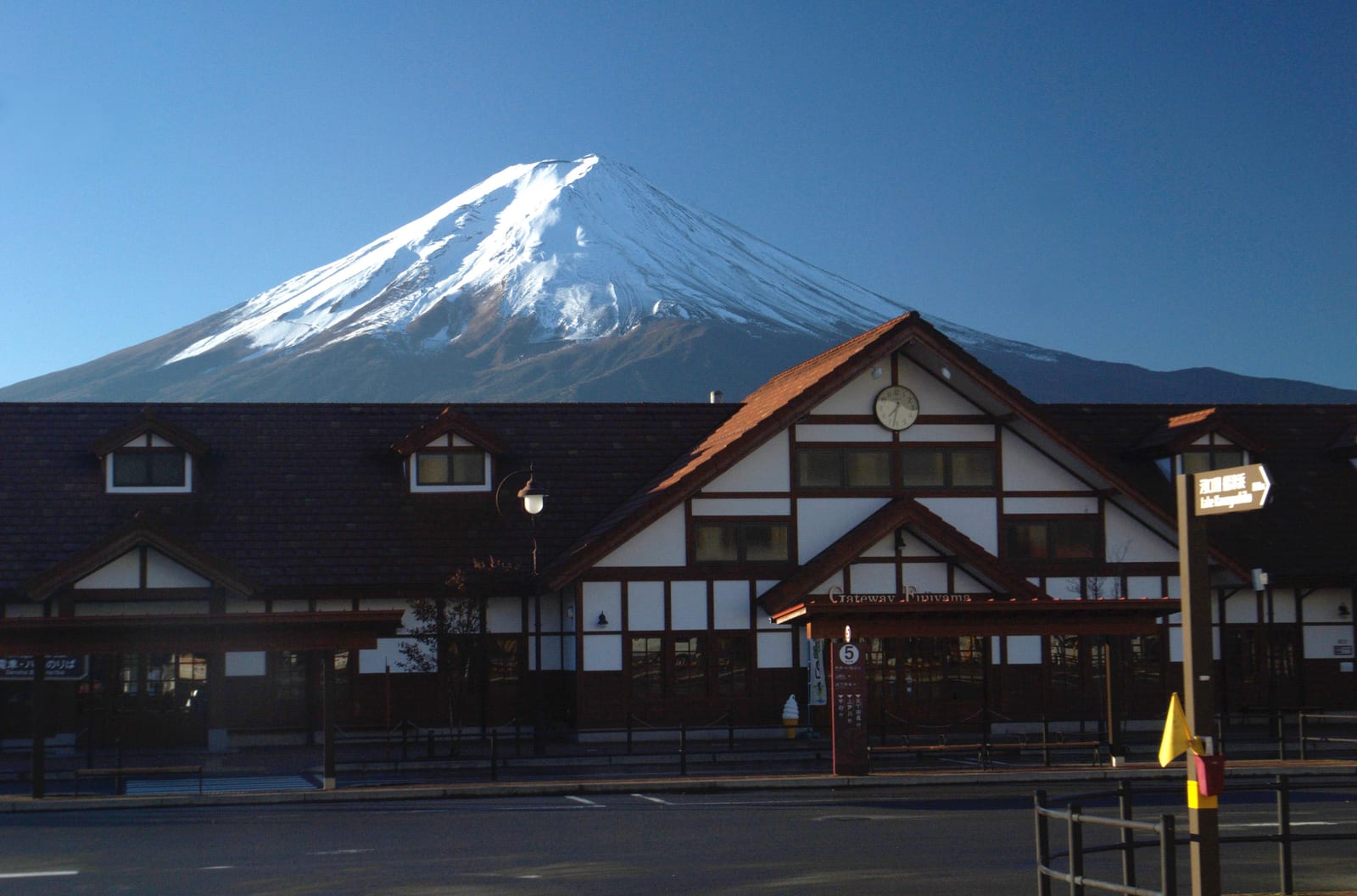
- 2. Choose the right season
- 3. Choose a region and destinations
- 4. Choose your experiences
- 5. Build your itinerary
- 6. Choose your transportation
- 7. Sample 7-day Japan itinerary
- 8. Pre-departure checklist
- 9. Frequently asked questions
1. Identify your travel style
Before choosing a city, answer these four questions:
- How many full days will you have in Japan?
- Is this your first visit, or have you been to Japan before?
- Do you prioritize scenery, food, shopping, culture, or relaxation?
- Are you traveling solo, with family, with friends, or combining the trip with business?
First-time visitors to Japan
Choose a route with easy transportation, plenty of accommodation options, and minimal transfers. Two popular options are:
- Tokyo and the surrounding area: Tokyo, Yokohama, Kamakura, Hakone, or the Mount Fuji area.
- The classic Kansai route: Osaka, Kyoto, and Nara; you can also add Kobe or Himeji.
With 9–12 days, you can combine Tokyo with Kyoto–Osaka. For a shorter trip, choose just one cluster to avoid spending too much time on trains.
Traveling with family
Prioritize hotels near stations, itineraries with few train changes, and a break in the middle of the day. Each day should include one main attraction, one secondary stop, and an indoor alternative in case of bad weather. If you are traveling with young children or older adults, check for elevators at stations, stroller policies, and the actual walking distances.
Traveling solo
Solo travel in Japan is quite convenient if you prepare mobile connectivity, a map app, and your accommodation address in Japanese. Choose an area near a major station, avoid returning too late after public transportation stops running, and always save a route back to your hotel.
Traveling in a group
Larger groups should agree in advance on three things: the budget, the pace of travel, and the must-see places. For trips to the outskirts, renting a car may be more convenient, but the driver needs valid documents and must be comfortable driving on the left.
Combining business and leisure
Avoid changing hotels constantly. Book one place near your work location, then add day trips. Tokyo, Osaka, Nagoya, and Fukuoka all have convenient rail networks for combining business with sightseeing.
2. Choose the right season
There is no “best season” for everyone. The right season depends on the scenery you want to see, your budget, your tolerance for heat and cold, and your holiday schedule.
| Season | Highlights | Best for | Things to note |
|---|---|---|---|
| Spring | Blossoms, pleasant weather, seasonal food | First-time visitors, couples, families | Some periods are extremely crowded; bloom dates vary by year and region |
| Summer | Festivals, fireworks, beaches, mountains, and outdoor activities | Those who enjoy a lively atmosphere | Many cities are hot and humid; monitor heavy rain and typhoons |
| Autumn | Fall foliage, cool weather, autumn cuisine | Nature lovers, walkers, photographers | Peak foliage periods can be crowded and room prices may rise |
| Winter | Snow, skiing, onsen, and illuminations | Those seeking relaxation and snowy scenery | Days are shorter, and transportation can be disrupted in areas with heavy snow |
Spring: blossoms and a relaxed trip
Spring is ideal for parks, riverside walking paths, old castle towns, and Japanese gardens. Besides cherry blossoms, you can look for plum gardens, canola flowers, wisteria, and mountain scenery with lingering snow. Consider booking rooms with flexible cancellation policies, since blossom timing depends on the weather.
Summer: festivals, beaches, and the highlands
If you dislike hot weather, consider Hokkaido, Tohoku, or mountainous areas. Okinawa and the islands are great for beaches, snorkeling, and water sports, but be sure to monitor typhoon forecasts. In cities, schedule outdoor activities for early morning or late afternoon.
Autumn: fall foliage and seasonal cuisine
This is a good time for trails, Japanese gardens, temples, shrines, and onsen. Foliage gradually changes from the colder northern and higher-altitude areas down toward the south, so check the foliage forecast close to your departure date instead of relying entirely on the previous year’s calendar.
Winter: snow and hot springs
Hokkaido, Tohoku, Nagano, and Niigata are famous for snowy scenery and ski resorts. A ryokan with an onsen is a sensible choice if your main goal is relaxation. When visiting snowy areas, prepare slip-resistant shoes, thermal layers, and extra buffer time for transportation.
3. Choose a region and destinations
Instead of scattering famous destinations across the country, group nearby places into one travel cluster.
Hokkaido: wide-open nature, flowers, and snow
Hokkaido suits travelers who enjoy driving, expansive landscapes, seafood, skiing, and cooler summer weather. Sapporo can serve as a transportation hub, while Otaru, Furano, Biei, Niseko, and Lake Akan suit different travel goals.
Tohoku: mountains, festivals, and peaceful onsen
Tohoku is ideal for slower travel, nature, and discovering local culture. Mountain routes, temples on the hills, lakes, snowy areas, and onsen towns offer an experience very different from that of the major cities.
Kanto: Tokyo and numerous day trips
Tokyo is great for shopping, food, museums, and distinctive neighborhoods. From here, you can visit Kamakura, Yokohama, Nikko, Hakone, or the Mount Fuji area without necessarily changing hotels.
Chubu: Mount Fuji, old villages, and the Japanese Alps
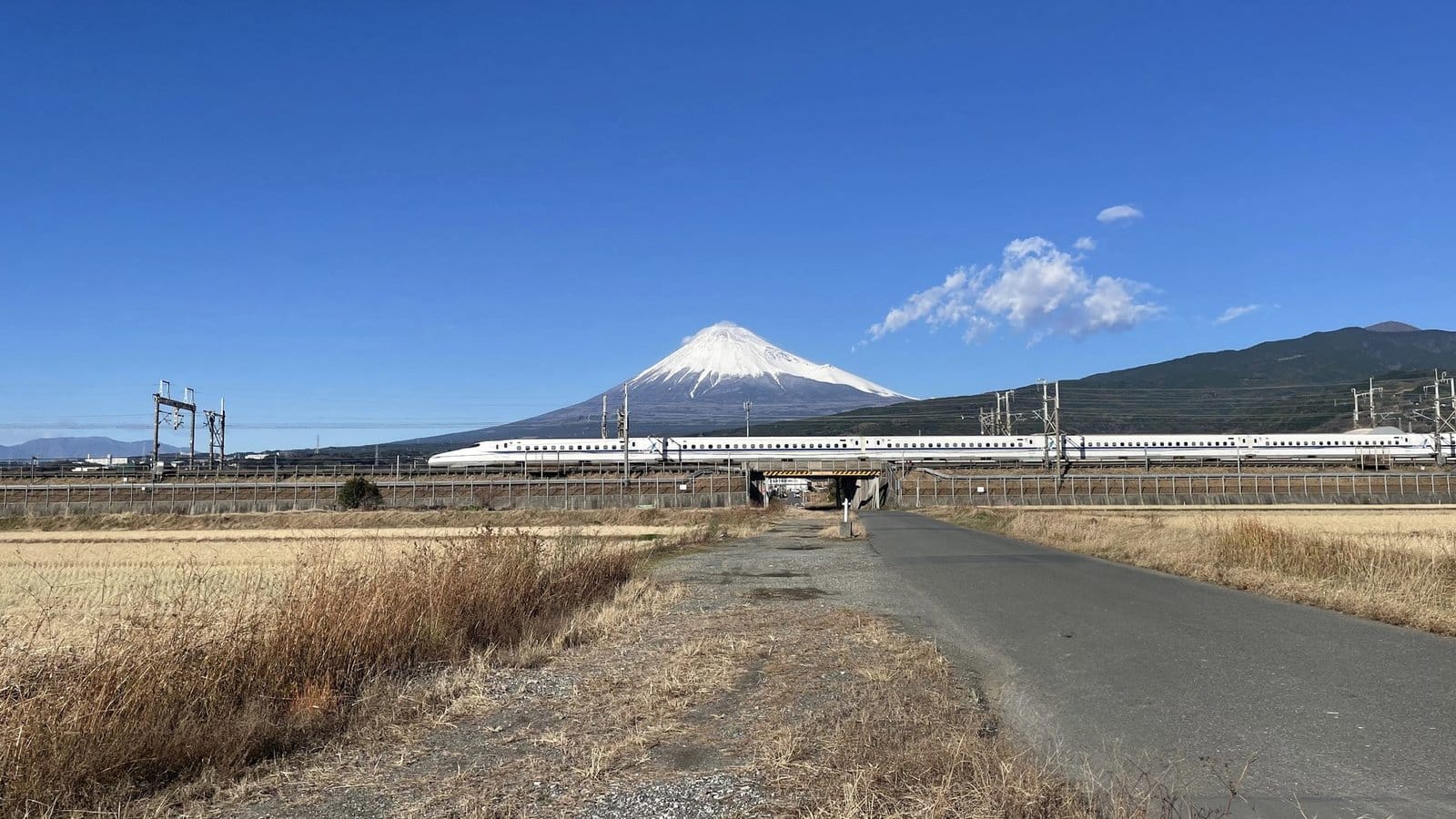
This region suits travelers who enjoy mountain scenery, trekking, onsen, and traditional towns. Nagoya, Kanazawa, Takayama, Matsumoto, and destinations around Mount Fuji can be combined into several different routes, but be sure to calculate bus travel times carefully.
Kansai: heritage, food, and easily combined cities
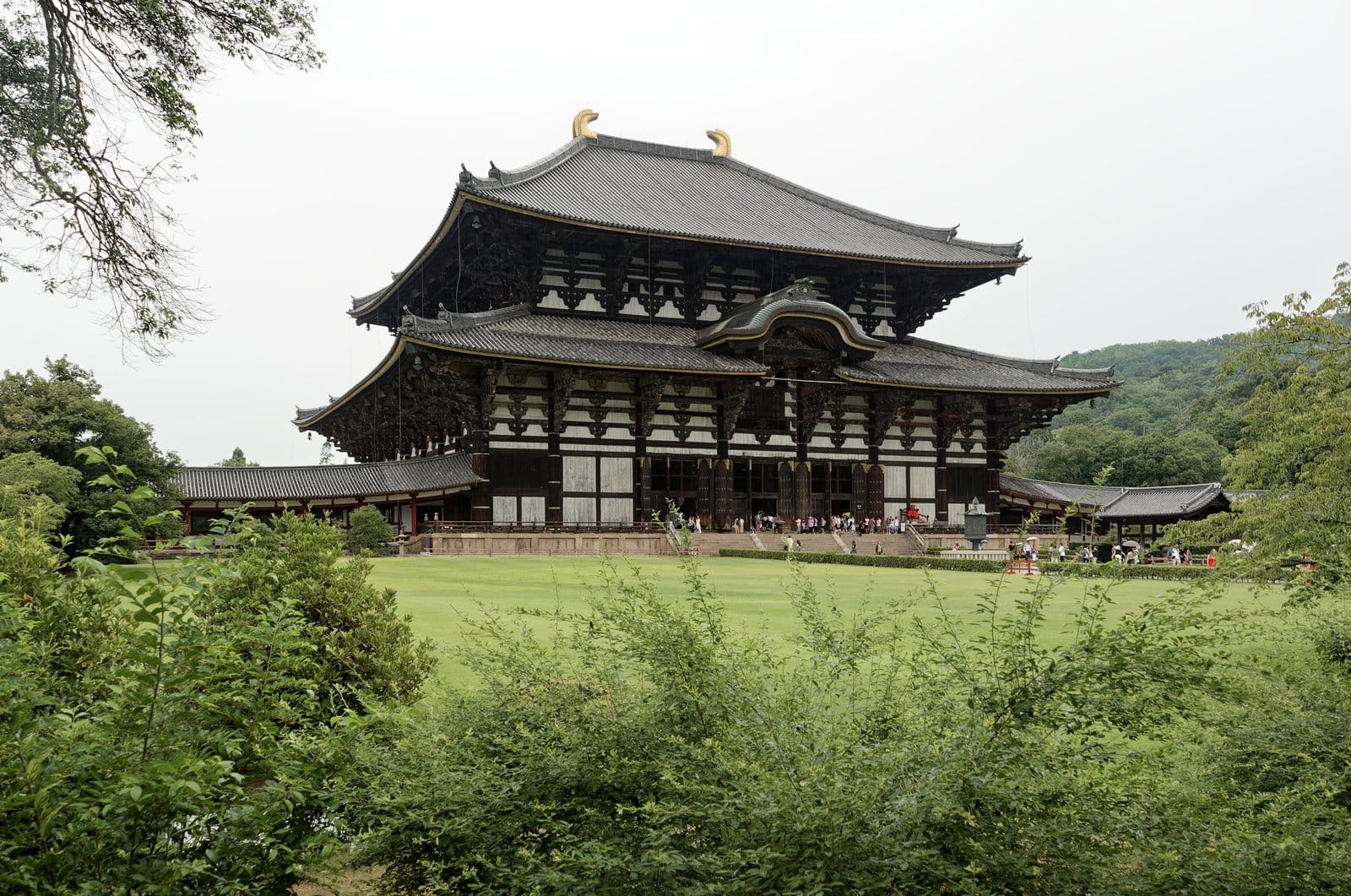
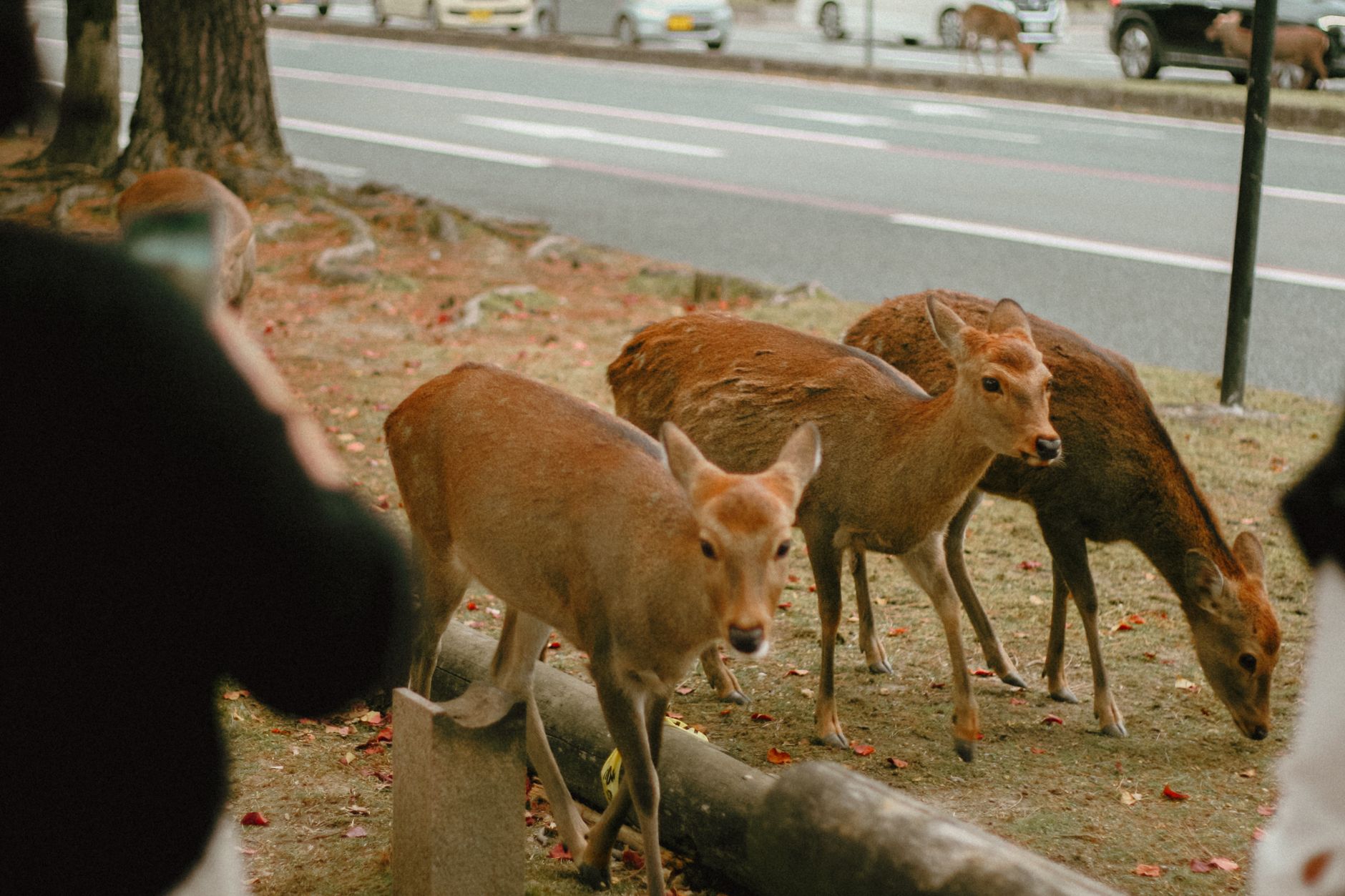
Kyoto stands out for its temples, shrines, and old neighborhoods; Osaka is known for food and entertainment; Nara is ideal for a day trip; and Kobe and Himeji add waterfront scenery, night views, and historic castles. This is the best cluster for travelers who want to experience several different sides of Japan in a short time.
Chugoku: Hiroshima, Miyajima, and the coast
Hiroshima is an important place to learn about peace and history; Miyajima offers temples, mountains, and sea views. If you have more time, explore Okayama, Kurashiki, Tottori, Shimane, or the art islands of the Seto Inland Sea.
Shikoku: pilgrimage, mountains, and a slower pace
Shikoku is well suited to repeat visitors who love nature and want to get off the usual tourist route. Pilgrimage trails, valleys, suspension bridges, small towns, and contemporary art create a more immersive journey, but transportation requires careful planning.
Kyushu: volcanoes, onsen, and local cuisine
Fukuoka is a convenient gateway. Beppu, Yufuin, Kumamoto, Aso, Nagasaki, Kagoshima, and Miyazaki each have distinct identities. Trains work well along the main routes; a rental car is useful for exploring mountainous and rural areas.
Okinawa: beaches, islands, and Ryukyuan culture
Okinawa is about more than beaches. Along with diving and water sports, you can explore Ryukyuan culture, local cuisine, and the history of the islands. The distances between islands make choosing flights, ferries, and travel dates particularly important.
4. Choose your experiences
A good itinerary is more than a list of destinations. Choose experiences based on your interests so that each day has a clear theme.
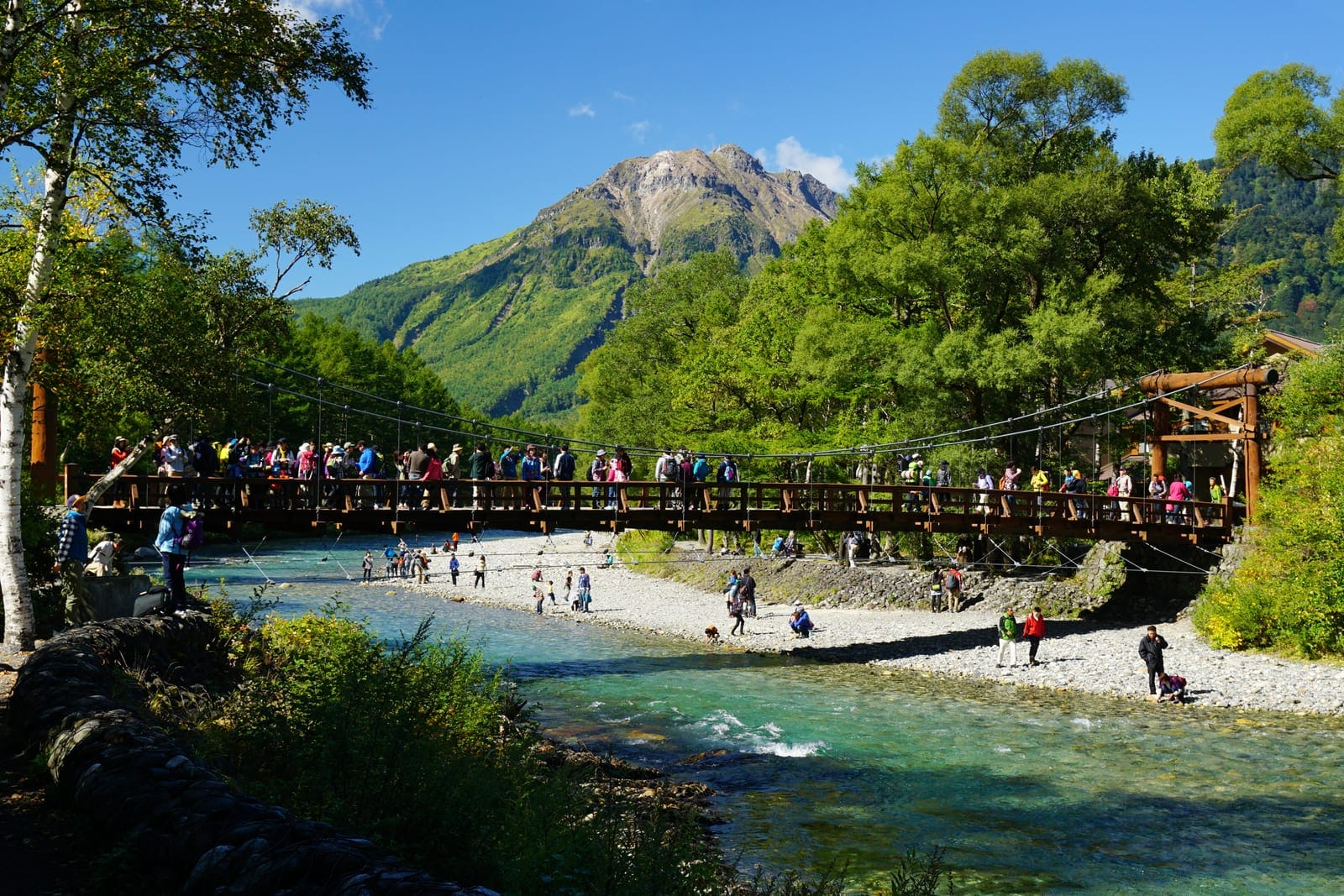
Nature and outdoor activities
- Walk through forests to relax and observe local ecosystems.
- Go trekking in the mountains, around lakes, or along the coast.
- See fall foliage, seasonal flowers, or snowy landscapes.
- Try marine sports in Okinawa and the islands.
- Pick seasonal fruit at a farm.
Always check the difficulty level, closing times, weather conditions, and transportation options for getting back. A place may look close on the map but take several hours to reach if buses run infrequently.
Culture and history
- Visit Japanese castles, Shinto shrines, Buddhist temples, and Japanese gardens.
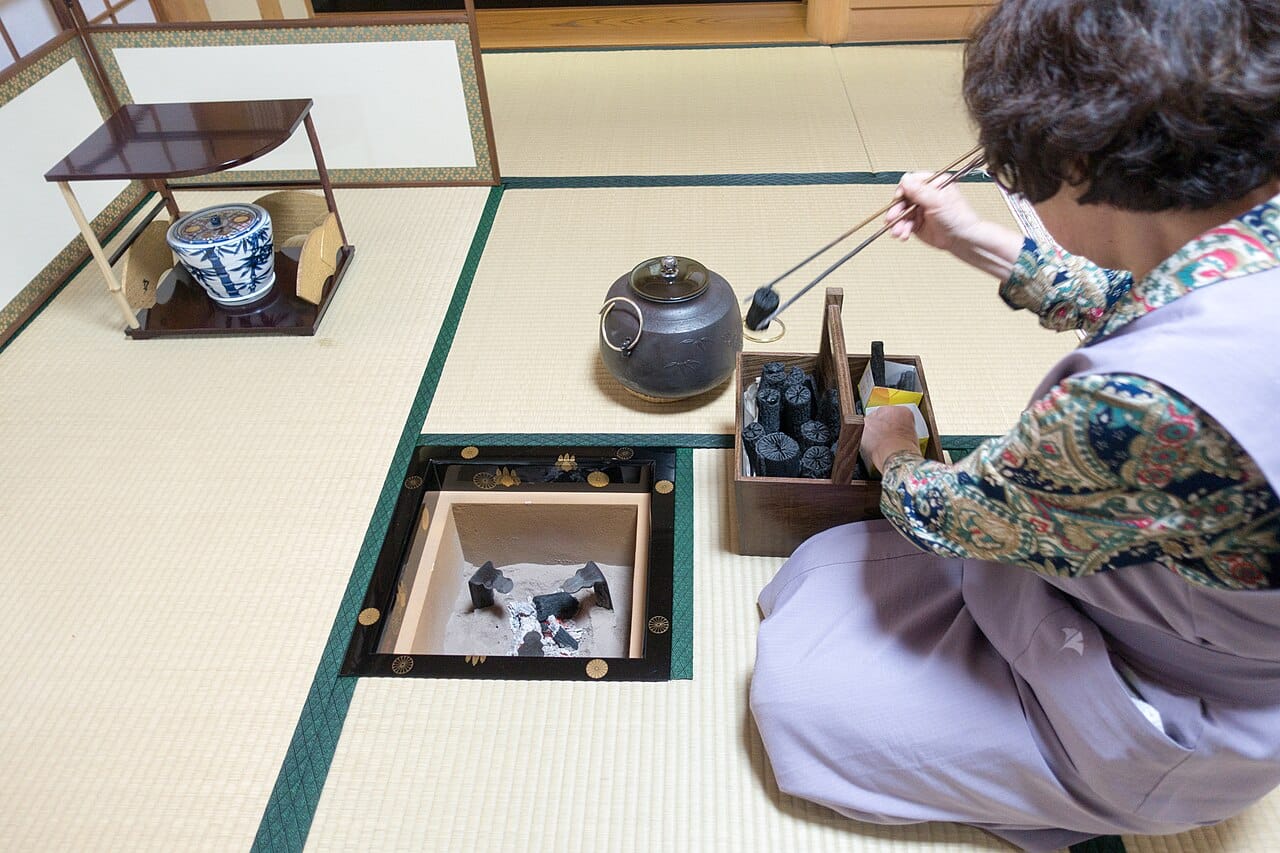
- Stay at a temple shukubo if you want a taste of quiet monastic life.
- Try indigo dyeing, traditional crafts, or a cultural workshop.
- Learn about local festivals and traditional autumn moon-viewing rituals.
- Explore pilgrimage routes in Shikoku.
When visiting a place of worship, remain quiet, follow no-photography rules, and do not touch artifacts. For workshops, book in advance if you need instruction in English or Vietnamese.
Food
Japanese cuisine changes with the seasons and regions. In addition to sushi, ramen, and yakiniku, make room for local specialties, food markets, wagashi, tea, fruit, and meals at a ryokan. Travelers with allergies should prepare a card in Japanese clearly listing the ingredients they need to avoid.
An easy way to plan is to choose one main food experience each day: a morning market, a specialty lunch, a traditional cooking class, or a kaiseki dinner. You do not need to book every famous meal; a small restaurant near your accommodation may create your best memories.
Onsen and relaxation
Check each facility’s rules regarding tattoos, private baths, operating hours, and children. Before entering the bath, wash thoroughly; the small towel must not be dipped into the water. If you are uncomfortable with communal bathing, choose a room with a private bath or rent a family bath.
5. Build your itinerary
The one-main-attraction-per-day rule
Each day should include:
- One main attraction: a place that requires reservations, a long journey, or several hours.
- One secondary stop: located near the main attraction or along the route back.
- Some free time: for meals, rest, shopping, or unexpected changes.
Don’t look only at train travel times. Add time for walking through the station, finding the correct exit, storing luggage, queuing, and waiting for transportation. At major stations, transfers can take longer than you expect.
Number of destinations by trip length
| Trip length | Recommended scope | Suggestions |
|---|---|---|
| 4–5 days | One city and 1 day trip | Tokyo + Kamakura/Hakone or Osaka + Kyoto |
| 7 days | One cluster of 2–3 cities | Tokyo and the surrounding area or Osaka–Kyoto–Nara |
| 9–12 days | Two well-connected clusters | Tokyo + Kansai; Fukuoka + Northern Kyushu |
| 14 days or more | Two or three regions | Combine major cities with a rural/onsen area |
Where should you stay?
Prioritize a place about 5–10 minutes on foot from a station you will use regularly, but it does not necessarily need to be beside the largest station. A smaller station on a convenient line may be quieter and more affordable. Check check-in hours, luggage storage policies, room size, and the route from the airport.
If you are changing cities, a luggage-forwarding service can make it easier to travel light. However, luggage usually does not arrive the same day, so carry essential clothing and items in your hand luggage.
6. Choose your transportation
Trains and bullet trains
Trains are ideal for major cities and key intercity routes. An IC card can be used on many urban lines and at convenience stores, but it does not replace every type of ticket. For express trains or reserved seats, you may need to purchase a separate ticket.
Do not assume that a rail pass is always cheaper. Add up the fares for your planned segments and compare them with the pass price at the time of purchase, while also checking whether the pass covers the exact routes you plan to use.
Buses
Buses are useful in Kyoto, mountainous areas, old villages, and places not served by trains. Some routes require reservations, run only a few times per day, or change seasonally. Save the time of the last departure and prepare a backup plan.
Renting a car
A rental car is suitable for Hokkaido, Tohoku, Kyushu, Shikoku, and rural areas. Before booking, check which driver’s licenses are accepted, highway tolls, parking availability, winter tires, and one-way drop-off policies.
Domestic flights
For long distances such as Tokyo–Hokkaido, Tokyo–Kyushu, or trips to Okinawa, flying can save time. Before comparing flights with trains, factor in the time needed to reach the airport, complete check-in, and travel from the airport to the city center.
7. Sample 7-day Japan itinerary
This Tokyo–Kyoto–Osaka itinerary is designed for first-time visitors. You can reverse the order depending on your arrival and departure airports.
Day 1: Arrive in Tokyo
- Go to your hotel, check in, or leave your luggage.
- Get familiar with the train lines around your accommodation.
- Take a gentle walk through a neighborhood near the hotel.
- Have an early dinner and rest.
Day 2: Modern Tokyo
- Morning: Shibuya or Harajuku.
- Afternoon: a museum, observation deck, or shopping area suited to your interests.
- Evening: choose one dining district instead of crossing to the other side of the city.
Day 3: Traditional Tokyo or a day trip
- Option A: Asakusa, Ueno, and an old neighborhood.
- Option B: Kamakura or Yokohama.
- Option C: Hakone/the Mount Fuji area if the weather forecast is favorable.
Day 4: Tokyo to Kyoto
- Travel in the morning or early afternoon.
- Drop off your luggage and explore the neighborhood around your accommodation.
- In the evening, take a walk through Gion or along the river; avoid packing in too many temples and shrines on a travel day.
Day 5: Kyoto
- Choose one cluster: the eastern area, Arashiyama, or northern Kyoto.
- Start early to avoid the crowds.
- Spend the afternoon in a garden, at a tea experience, or at a cultural workshop.
Day 6: Nara or Osaka
- If you enjoy history and green spaces: take a day trip to Nara.
- If you prefer food, shopping, and city life: visit Osaka.
- Stay in Kyoto or move to Osaka depending on your flight the next day.
Day 7: Osaka and departure
- Do some light sightseeing near your hotel.
- Allow plenty of time to collect your luggage and reach the airport.
- Do not book an activity that ends too close to your flight time.
Tip: If your trip has only 7 days including flight days, skip one day trip or choose only Tokyo or Kansai. The quality of the trip matters more than the number of prefectures you visit.
8. Pre-departure checklist
1–3 months before
- Check your passport, entry requirements, and any documents required based on your nationality.
- Confirm your flight dates, arrival city, and departure city in Japan.
- Book accommodation with policies suited to your plans.
- Reserve experiences with limited capacity in advance.
- Purchase travel insurance appropriate for your planned activities.
1–2 weeks before
- Check the weather forecast and adjust your clothing.
- Confirm tickets, hotels, transportation, and check-in times.
- Prepare an eSIM/SIM or Wi-Fi router.
- Save your hotel address in Japanese.
- Download offline maps and save the last train/bus services.
- Prepare a backup payment method and some cash.
The day before your flight
- Check for flight-time changes and baggage rules.
- Charge your devices, power bank, and connectivity equipment.
- Photograph/save copies of important documents in a safe place.
- Pack medication, essentials, and one change of clothes in your carry-on.
- Leave room in your luggage for things you buy in Japan.
9. Frequently asked questions
How many days should I spend in Japan on my first trip?
Around 7–10 days is the easiest length for building an itinerary. Seven days is enough for one main cluster; 9–10 days allows you to combine two clusters or add a relaxing getaway without rushing between destinations.
Should I choose Tokyo or Osaka–Kyoto?
Choose Tokyo if you prioritize a major city, shopping, museums, and numerous day trips. Choose Osaka–Kyoto if you want a combination of food, heritage, temples, shrines, and nearby cities. There is no universally better choice—choose based on your interests.
Should I buy a JR Pass?
Only buy one if the total cost of the covered segments and the convenience it provides suit your itinerary. Calculate each segment before deciding; a pass is not automatically the most economical option for every trip.
Do I need to rent a car?
Not if you will mainly be in Tokyo, Osaka, Kyoto, or other major cities. A rental car is more useful in Hokkaido, Tohoku, Kyushu, Shikoku, and rural areas where buses run infrequently.
Do I need to carry a lot of cash in Japan?
Cards and electronic payments are increasingly common, but some small restaurants, temples, ticket machines, and rural areas may still require cash. Carry a reasonable amount and have at least two payment methods.
How can I avoid an overloaded itinerary?
Schedule only one main activity per day, group destinations by area, and leave at least 20–30% of your time free. Avoid changing hotels every one or two nights, especially when traveling with children or older adults.
When is the best time to book accommodation?
Book early when traveling during blossom season, fall foliage season, festivals, long holidays, or ski season. During ordinary periods, rooms with flexible cancellation policies allow you to adjust your plans if the weather or flight schedule changes.
Start planning your trip
Begin with three choices: the season you want to visit, the actual number of days you have, and the one experience that matters most to you. From there, choose one city cluster, check travel times, and only then book your flights and accommodation.
A good plan is not the one with the most destinations. It is the journey that gives you enough time to enjoy a delicious meal, stroll slowly through a neighborhood, soak in an onsen, or admire the scenery without constantly checking the clock.
Choose your travel dates, region, budget, and interests to receive itinerary suggestions.
🤖 Plan with AI View tours & experiences →
Editorial note: This article was newly written by the OlaChill team based on common travel themes in the Japan Travel Planner materials; it does not copy ANA’s advertising content or images. Information about prices, operating schedules, transportation, and entry regulations may change, so readers should check official sources before booking services.