
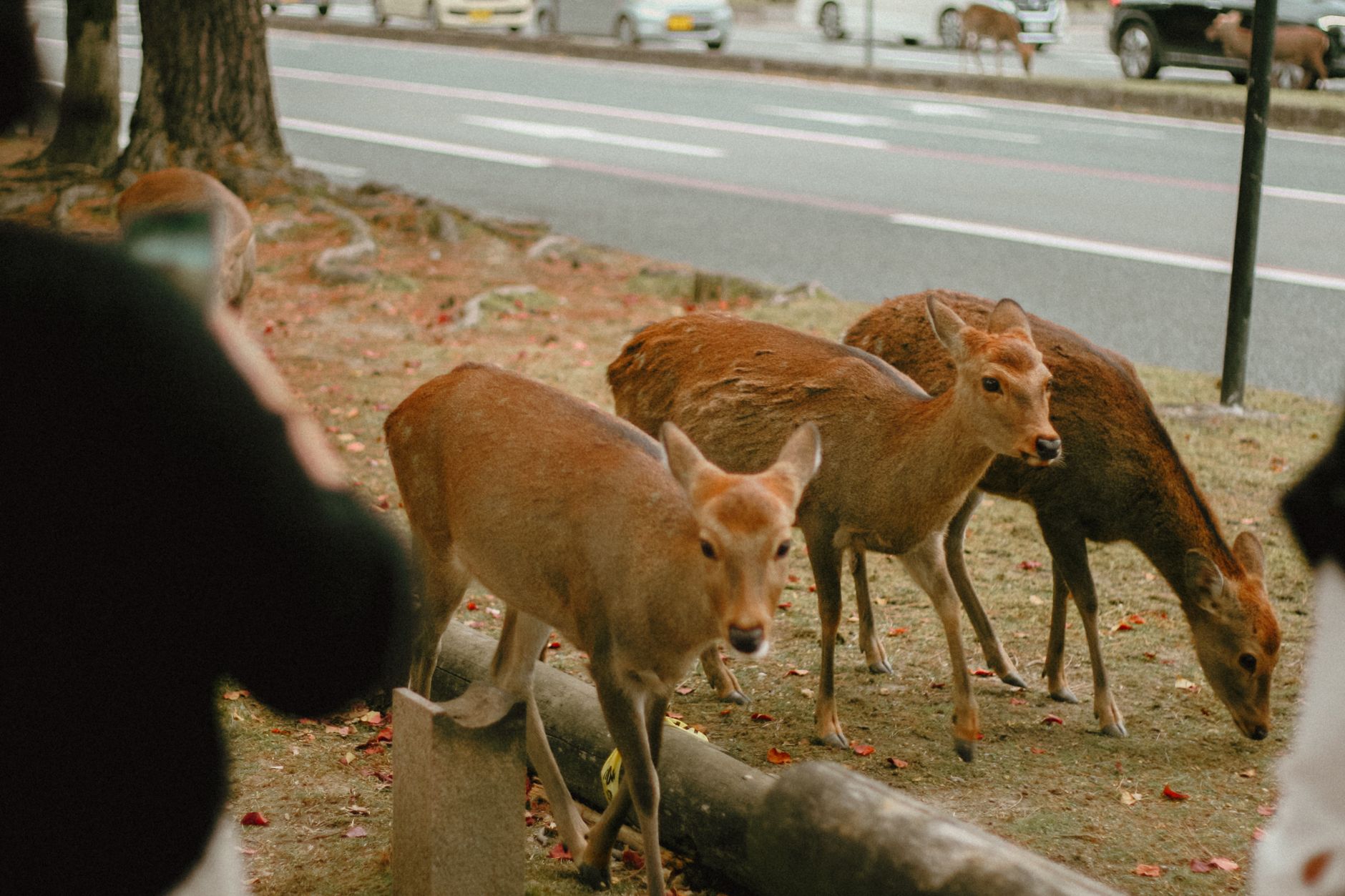
Nara — Meet 1,200 Sacred Deer in a Single Day
How to get to Nara from Kyoto or Osaka, feed the deer without losing a finger, explore Todai-ji, Kasuga Taisha, and wander the historic Naramachi district.
Apr 5, 2026·✍️ olablog·⏱ 3 min read
How to get to Nara from Kyoto or Osaka, feed the deer without losing a finger, explore Todai-ji, Kasuga Taisha, and wander the historic Naramachi district.
Tap a region to browse articles
Nara — The Perfect Day Trip from Kyoto or Osaka
Nara was Japan's very first capital (710–784 AD), and it's famous worldwide for one very good reason: more than 1,200 sika deer roam freely through the park and streets. According to Shinto mythology, they're divine messengers — which probably explains the attitude.
Getting There
- From Kyoto: JR Nara Line, 45 minutes, ~$5 — covered by the JR Pass
- From Osaka: JR Yamatoji Line or Kintetsu-Nara Line, 40–50 minutes, ~$4–6
- Pro tip: Kintetsu-Nara Station drops you 5 minutes from the park; JR Nara Station is a 20-minute walk. Unless you're using a JR Pass, Kintetsu wins.
Half-Day Itinerary
- 10:00 — Arrive at Kintetsu-Nara Station
- 10:15 — Enter Nara Park and have your first deer encounter
- 11:00 — Todai-ji (the world's largest wooden building, home to a 50-ft bronze Buddha)
- 12:30 — Lunch in the Naramachi district
- 14:00 — Kasuga Taisha (a shrine lined with thousands of ancient stone lanterns)
- 16:00 — Head back to Kyoto or Osaka
How to Feed the Deer Without Getting Mugged
Deer crackers (shika senbei) are sold at park entrances for about $1.50 a pack — and the deer absolutely know what those paper bags look like.
- Offer the whole cracker at once — break it into pieces and you'll be swarmed
- Bow to a deer and it may bow back — many have genuinely learned the gesture
- Keep maps, snacks, and anything crinkly inside your bag — these animals are faster than they look
- Kids holding crackers need an adult close by — a determined deer has no concept of personal space
What to See
Todai-ji — The World's Largest Wooden Building
- Hours: 7:30 AM–5:30 PM (until 6:00 PM in summer)
- Admission: ~$5 adults
- Highlights: the Daibutsu, a 50-foot cast-bronze Buddha that's been sitting here since 752 AD, plus enormous wooden Nio guardian statues flanking the gate
Kasuga Taisha — 3,000 Lanterns
- Outer grounds: free; inner lantern hall: ~$3
- The shrine sits inside the ancient Kasugayama Primeval Forest — a UNESCO World Heritage Site — and the moss-covered stone lanterns lining the approach are genuinely otherworldly
Naramachi — The Old Merchant Quarter
- Traditional machiya wooden townhouses converted into cafés, craft studios, and boutiques
- Completely free to explore on foot
- Great spot for a slow lunch or a matcha break before the afternoon crowds hit
Best Times to Visit
- Spring (March–April): cherry blossoms + deer = the most absurdly photogenic scene in Japan
- Fall (November): fiery maple foliage throughout the park
- Winter: far fewer tourists, and the deer don't go anywhere
- Summer (July–August): temperatures hit 90–95°F — bring water and plan your outdoor time for the morning
Traveling with Family or a Group?
Coming with young kids or a group of 8+? A private charter bus with a driver is worth considering — especially if you're combining Kyoto, Nara, and Osaka in a single day without the hassle of luggage and timetables.
Building a 3–4 Day Kansai Itinerary
- Days 1–2: Kyoto (see the full Kyoto guide)
- Day 3: Nara in the morning + Osaka in the afternoon
- Day 4: Osaka street food crawl + Universal Studios Japan
It's the classic first-timer's Kansai loop — and it works beautifully.
More from this region — Kyoto, Nara & Kansai
View all →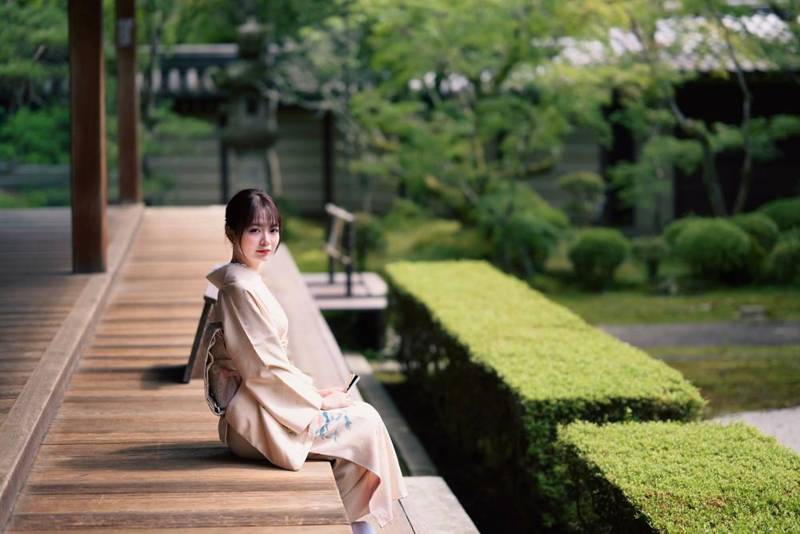
Nara Park in Kimono: Deer, Todaiji and a Day Trip from Kyoto
7 min · culture
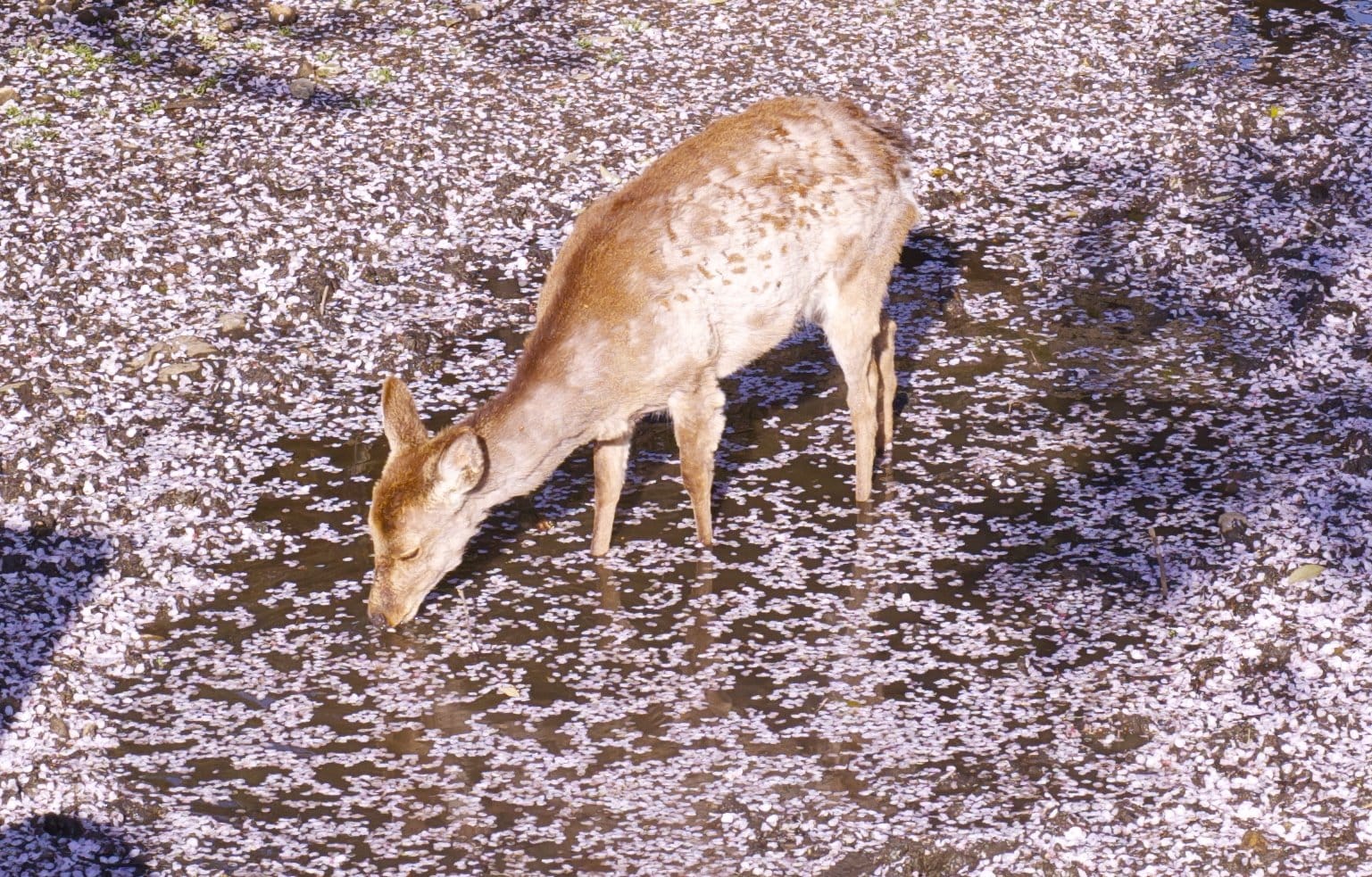
Nara Park in Spring – Cherry Blossoms, Friendly Deer, and Pure Magic
6 min · destinations

Private Car and Kimono Photoshoot Days: How a Driver Changes a Kimono Day in Tokyo and Kyoto
8 min · culture
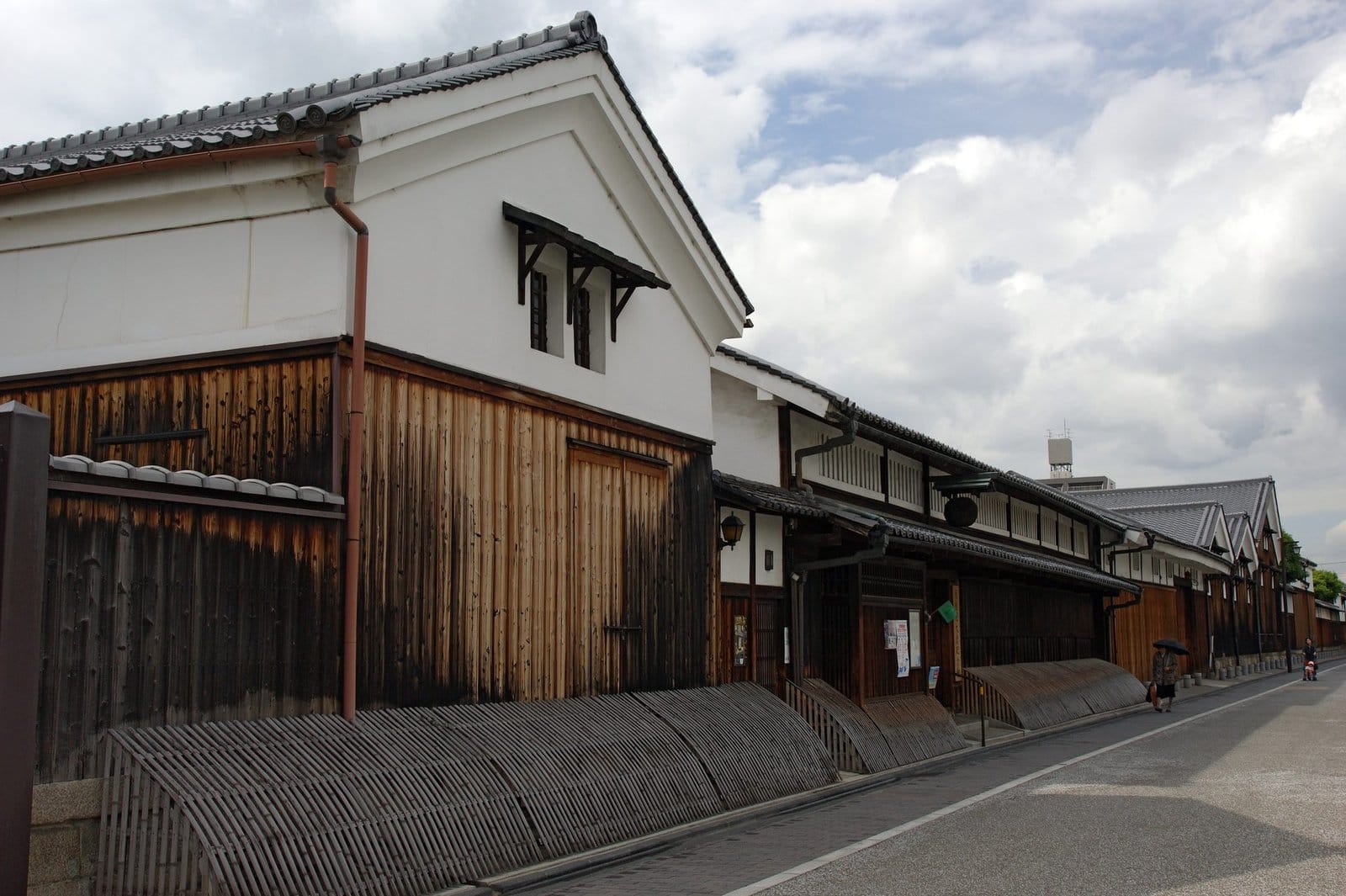
Fushimi Sake District, Kyoto: Breweries, Tastings and Canals
5 min · food