Kimono vs Yukata: How to Tell Them Apart on Your Trip to Japan
Learn the differences between kimono and yukata through material, season, occasion, and rental price. Plus, discover what furisode and houmongi are so you can choose the perfect outfit in Japan.
Aug 8, 2026·✍️ olablog·⏱ 7 min read
Learn the differences between kimono and yukata through material, season, occasion, and rental price. Plus, discover what furisode and houmongi are so you can choose the perfect outfit in Japan.
Many first-time visitors to Japan face the exact same question: is the outfit I am renting a kimono or a yukata, and what is the difference between the two? At first glance, both look like long, cross-front robes fastened with an 帯 (obi) belt, appearing thoroughly "Japanese." However, to Japanese locals, kimono and yukata differ vastly in material, construction, wearing season, and level of formality—much like the distinction between a formal tailored suit and a breezy summer linen shirt. Understanding these differences will help you choose the right outfit for the occasion and weather, avoiding any awkward style mishaps. Let's break down each key difference step by step.
The Biggest Difference: Fabric and Layers
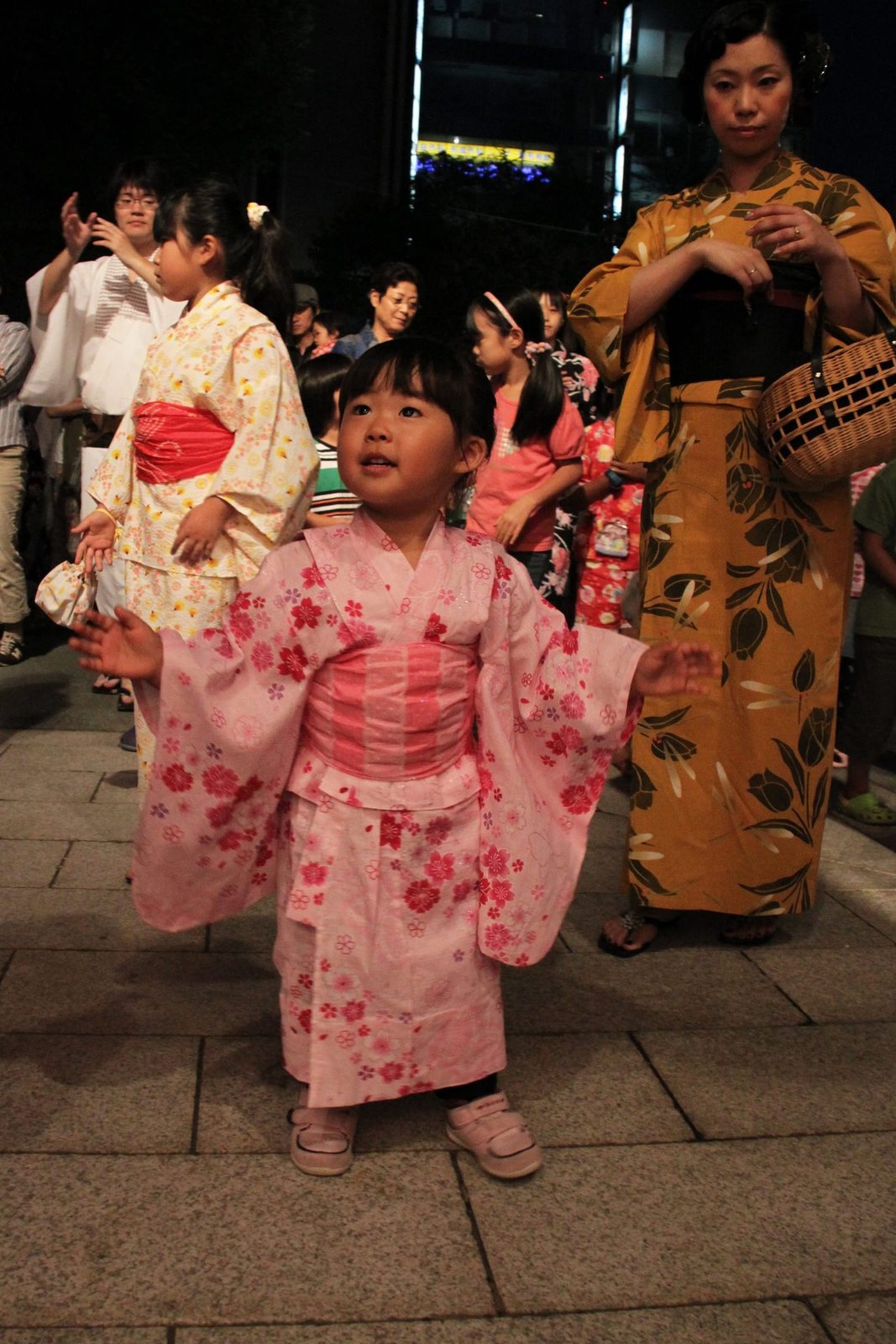
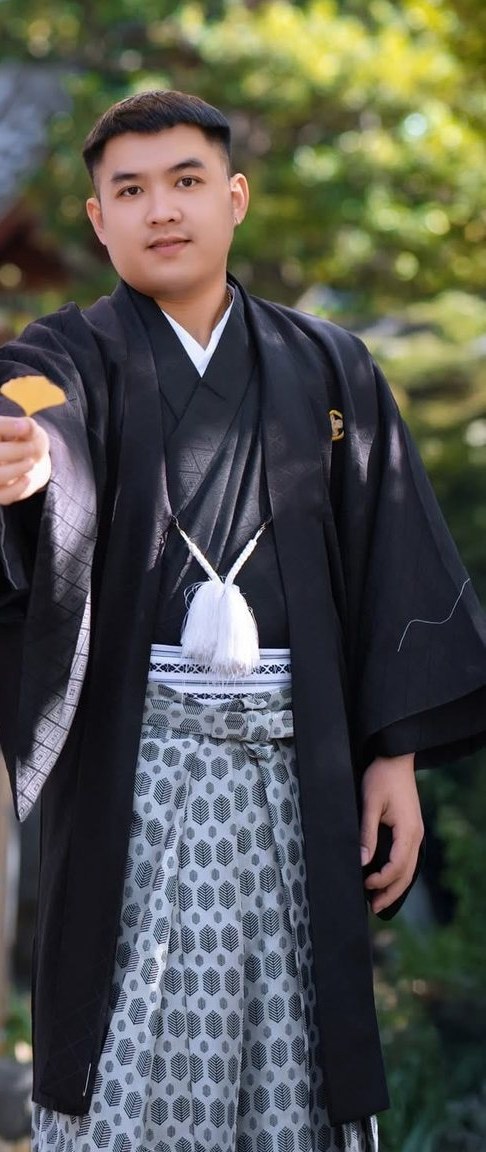
Traditional kimono are typically tailored from silk (for formal wear) or polyester, wool, and heavy woven cotton (for casual daily wear). A defining characteristic is that a kimono is always worn over an undergarment called a 長襦袢 (nagajuban), revealing a delicate white inner collar line at the neck—the easiest visual clue to spot. Because of the multiple layers and heavy fabric, dressing in a proper kimono requires an assistant and takes about 15–20 minutes.
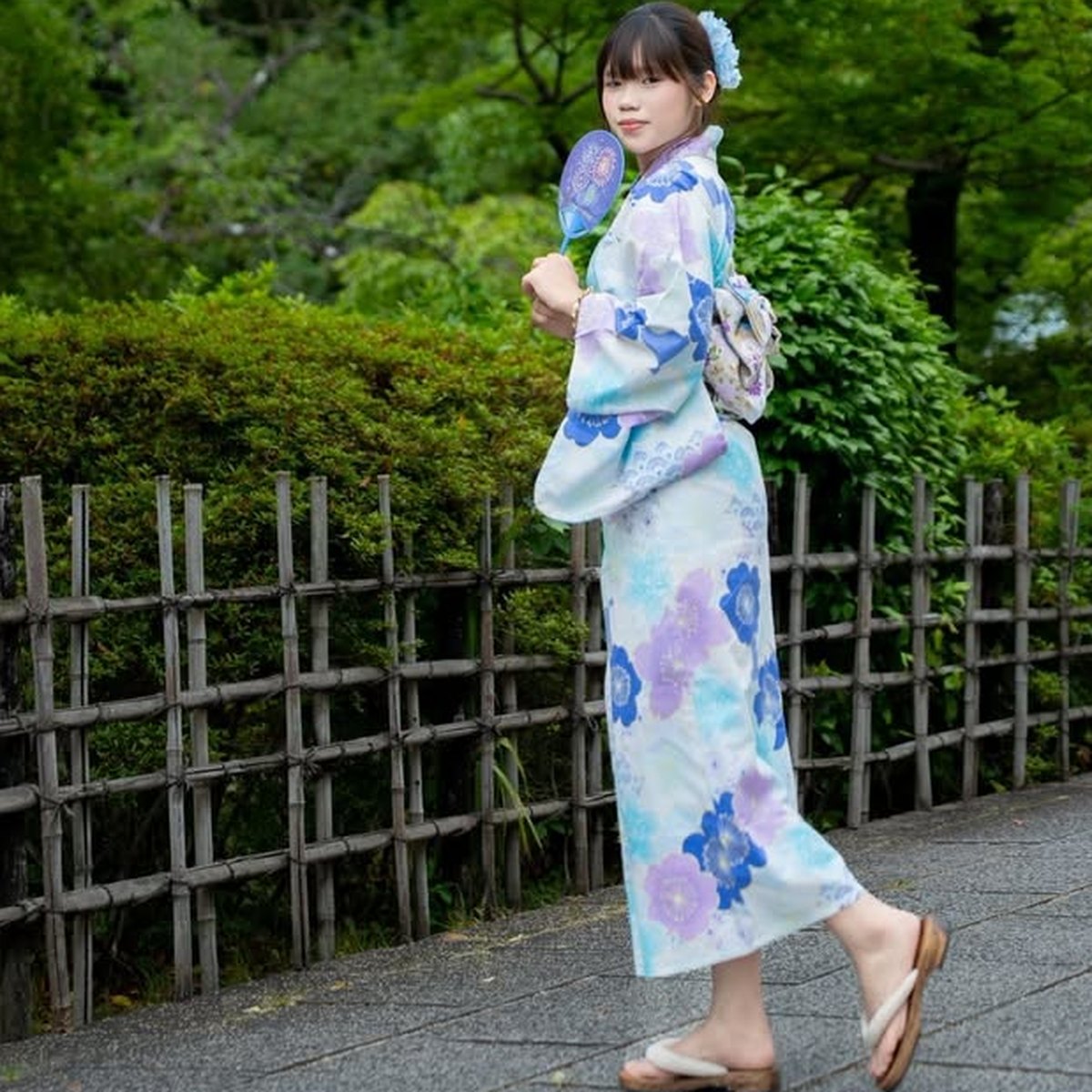
Yukata, on the other hand, is far simpler: a light, single layer of breathable cotton or synthetic blend fabric worn directly without a full inner robe underneath. The word "yukata" originally stems from garments worn after bathing, meaning its core essence is lightweight comfort and ease. You can easily put on a yukata by yourself after a few practice runs, and it is also the standard lounge robe provided in guest rooms at traditional 旅館 (ryokan / traditional inns) and 温泉 (onsen / hot spring) hotels.
Quick identification tip: look closely at the collar. If you see a white lining peeking out from underneath, it is a kimono; if there is only a single layer of collar fabric, it is a yukata. Additionally, kimono are traditionally paired with white split-toe 足袋 (tabi) socks and clogs, whereas yukata are worn barefoot with wooden 下駄 (geta) sandals.
Seasonal Rules: What to Wear When
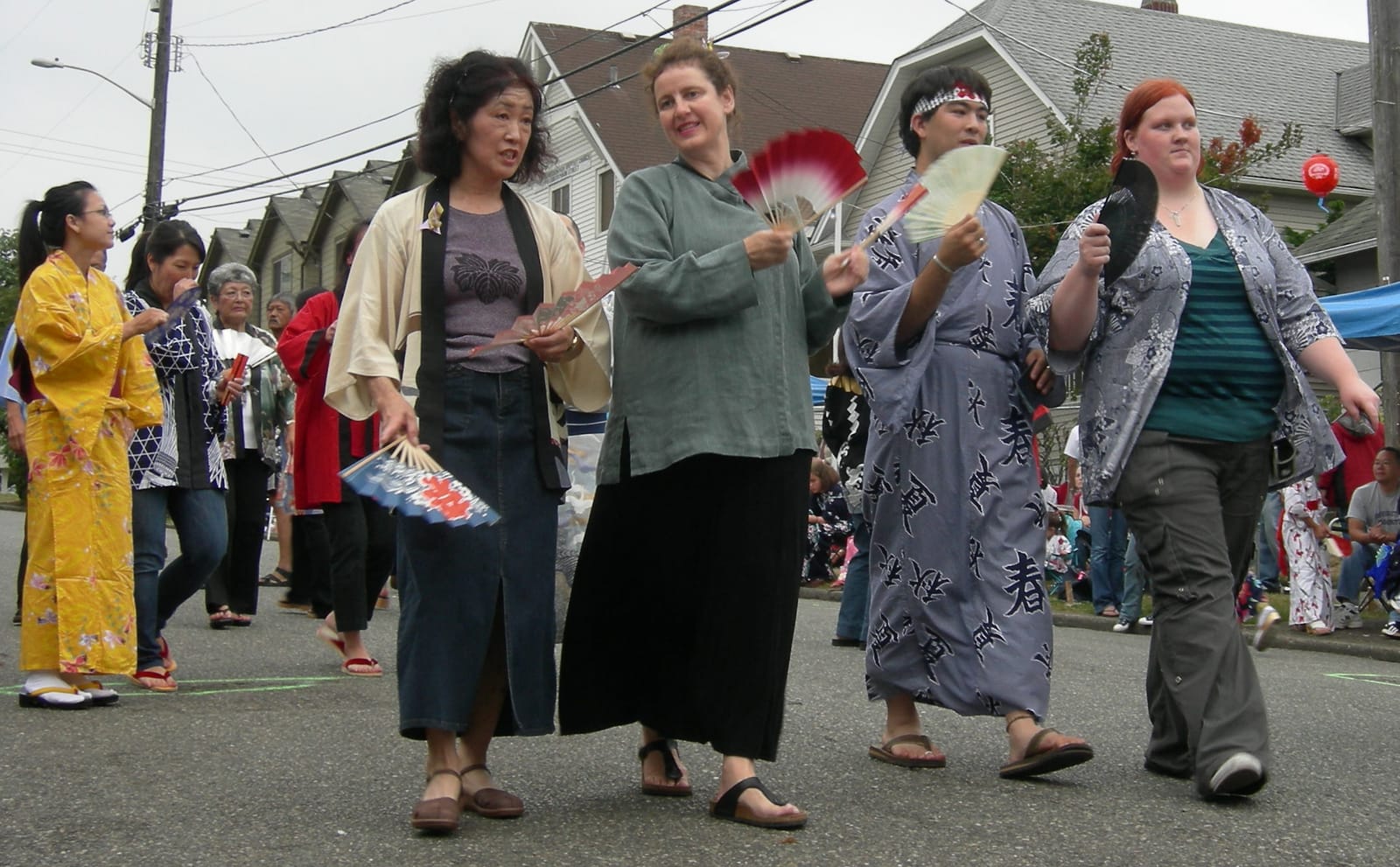
Japanese fashion is deeply attuned to the seasons, and this applies directly to traditional wear:
- Yukata are almost exclusively reserved for summer, spanning roughly from June to September. They are the quintessential outfit for summer 祭り (matsuri / festivals), evening fireworks displays (like the 隅田川花火大会 / Sumida River Fireworks Festival), and night market stalls at temples and shrines. The thin, moisture-wicking cotton fabric is perfectly suited to Japan's hot and humid summer climate.
- Kimono can be worn year-round, but the tailoring adjusts with the weather: lined kimono (awase) are worn during colder months, while unlined kimono (hitoe) or sheer, loosely woven fabrics (usumono) are used during warmer weather. Spring cherry blossom viewing (sakura) and autumn foliage season (koyo) are the two most comfortable and picturesque times to wear a kimono.
If you travel during winter and rent a kimono, rental shops will equip you with additional warm shawls and an outer jacket called a 羽織 (haori), so you will not have to worry about freezing in the cold.
Occasion: Formal or Casual?
Formality is the most critical boundary in Japanese culture. Yukata fall strictly under casual wear—ideal for local summer festivals, casual city strolls, fireworks shows, or relaxing around hot spring onsen towns. Local Japanese people would never wear a yukata to a wedding, a traditional tea ceremony, or a formal event.
Kimono span a wide spectrum from daily casual wear to ultra-formal, depending on the fabric and pattern. Silk kimono with intricate woven patterns are reserved for weddings, coming-of-age ceremonies, and formal tea gatherings, while plain cotton or synthetic kimono are worn for casual outings and catching up with friends. For tourists, kimono rentals in popular hubs like 京都 (Kyoto) or 浅草 (Asakusa Station area in Tokyo) fall under the "leisure sightseeing" category—stylish enough for memorable photos at shrines and temples without being overly formal.
What Are Furisode and Houmongi?
When exploring kimono options, you will frequently encounter these two specific terms:
Furisode (振袖) literally translates to "swinging sleeves." This type of kimono features extra-long sleeves that flow almost down to the ankles, adorned with vivid, eye-catching patterns across the entire garment. It is the most formal kimono for young unmarried women, seen most prominently during 成人式 (Seijin-shiki / Coming of Age Ceremony) in January. The graceful, sweeping sleeves make furisode exceptionally photo-worthy, which is why many rental shops offer premium furisode packages at higher price points than standard kimono rentals.
Houmongi (訪問着) means "visiting wear"—a semi-formal kimono suitable for women of all ages and marital statuses. The signature feature of a houmongi is a continuous pattern that flows seamlessly across the seams, running from the shoulders down to the hem like a single painting. Japanese women wear houmongi when attending weddings as guests, tea ceremonies, or moderate formal gatherings.
In addition, you may hear of tomesode (the most formal kimono for married women, featuring patterns only along the lower hem) and komon (casual daily kimono with small repeating patterns). Knowing these terms will help you "read" and appreciate the attire of those around you when traveling across Japan.
Rental Prices: How Much Difference Is There?
Because it is a single layer and quicker to put on, a yukata is always the cheaper rental. At OlaChill — the same fourteen plans and prices at both the Tokyo Asakusa and Kyoto Kiyomizu shops, tax and the full accessory set included — the comparison looks like this:
- Yukata: ¥4,000 (men) or ¥4,500 (women) per day, with obi, geta and a bag. Children's yukata are ¥3,000 (boy) and ¥4,000 (girl).
- Everyday kimono: Komongi ¥5,500 (women) or Men's Traditional Kimono ¥5,000; Kimono Ren with modern large prints ¥7,000. Hair styling is a ¥1,500 add-on and make-up ¥5,000.
- Formal and premium kimono: Houmongi and Tomesode ¥12,000; Montsuki for men ¥10,000; Furisode ¥19,000 and Design Furisode ¥25,000, reflecting the fabric and the more elaborate dressing.
Paying online takes 10% off any plan. To pick the right garment for the season and book a time slot, go to the Tokyo Asakusa or Kyoto Kiyomizu booking page, or read our comparison of all the kimono types.
So, Which One Should Tourists Choose?
The right choice depends entirely on the season of your travel and your specific plans:
- Traveling in summer, or attending summer festivals and fireworks: Choose a yukata. It is cool, lightweight, captures the true Japanese summer vibe, and keeps your travel budget happy. Easily jump between festival stalls and hop on the train with your SUICA or PASMO IC card without feeling overheated.
- Traveling in spring, autumn, or winter for classic shrine photos: Choose a kimono. The structured, multi-layered fit creates a significantly nicer silhouette and traditional elegance in photographs.
- Want spectacular photos for a special occasion: Consider a premium furisode package—it is worth every yen to capture those long, flowing sleeves catching the breeze in iconic historical districts.
Conclusion: Understanding the Outfit to Appreciate the Culture
Kimono and yukata differ far beyond their fabric layers; they reflect how Japanese culture marks changing seasons, occasions, and levels of respect in daily life. Next time you step into a vibrant rental shop lined with colorful garments in Tokyo or Kyoto, you won't feel confused—you can confidently select the exact right garment for your special memory. And if you are currently planning a smooth trip across Japan using your JR Pass, don't forget to explore more insightful travel guides on our OlaChill blog.