Kirishima
Your complete guide to Kirishima, straddling Kagoshima and Miyazaki prefectures — best season to visit, how to get there, top photo spots, and a ready-to-use 1–2 day itinerary.
Jan 30, 2026·✍️ olablog·⏱ 5 min read
Your complete guide to Kirishima, straddling Kagoshima and Miyazaki prefectures — best season to visit, how to get there, top photo spots, and a ready-to-use 1–2 day itinerary.
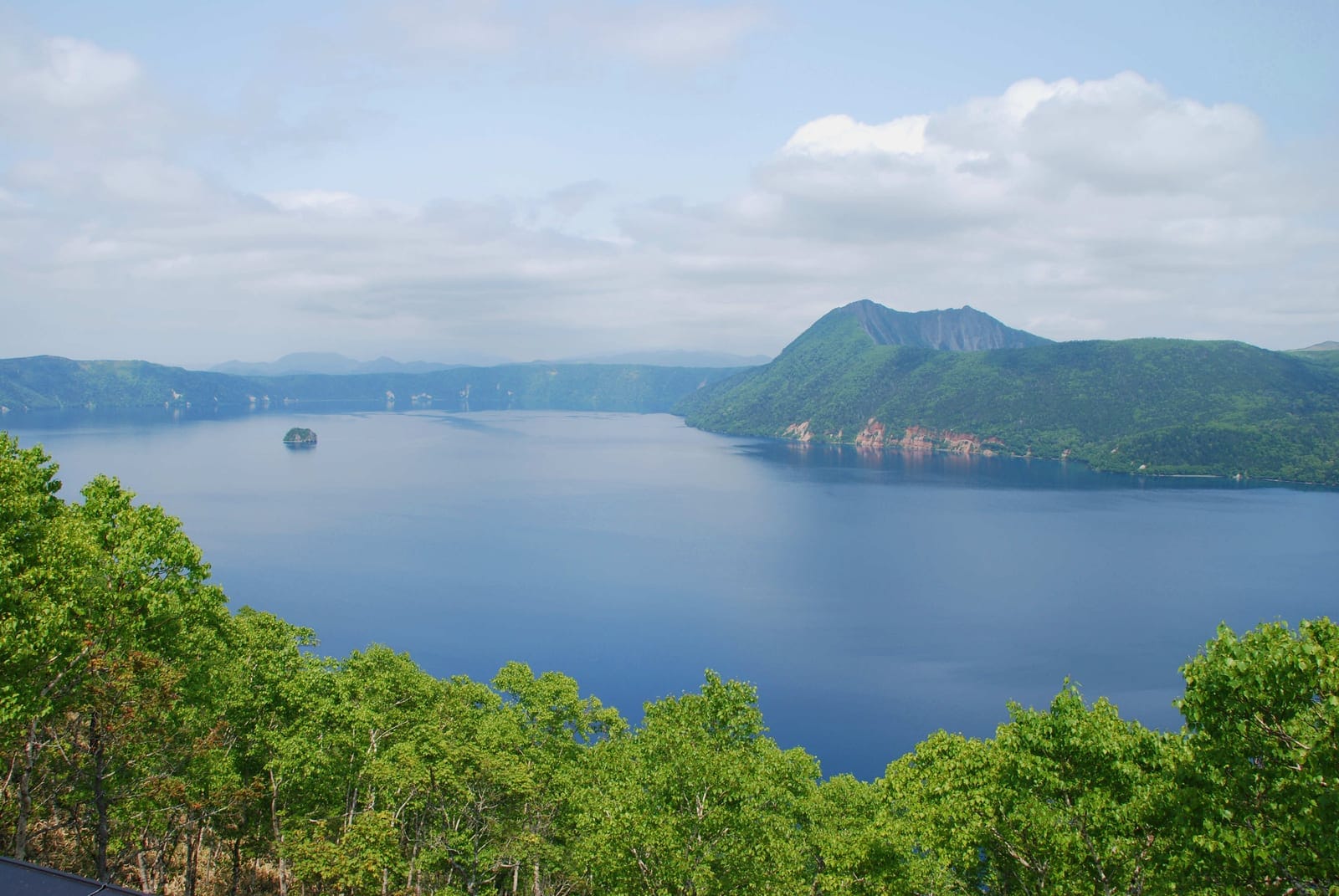
Japan has no shortage of jaw-dropping scenery, but Kirishima — tucked along the border of Kagoshima and Miyazaki prefectures in Kyushu — is the kind of place that genuinely stops you in your tracks. This isn't just a tick on an itinerary; it's an immersion into raw volcanic landscapes, jade-green crater lakes, and mountain air so clean it feels almost unfair. Think Iceland's drama with Japan's meticulous charm.
1. What Makes Kirishima So Special
Kirishima sits at the heart of one of Japan's oldest national parks, a chain of around twenty volcanoes (several still active) that have been shaping this corner of Kyushu for millennia. The landscape shifts hour by hour — golden at dawn, brilliantly lit by midday, blushing violet at dusk. No Instagram filter required, or frankly, wanted.
The drive in is half the experience. Roads curl through cedar forests, skirt steaming fumaroles, and occasionally open onto sweeping views of Kagoshima Bay with Sakurajima volcano smoldering on the horizon. It's the kind of scenery that makes you pull over every ten minutes — so budget extra time and embrace it.
2. Must-See Spots in the Area
Kirishima rewards both the checklist traveler and the spontaneous wanderer. Here are the highlights worth building your trip around:
Ebino Eco Museum Center Viewpoint: The go-to panoramic lookout, delivering wide-angle views across the volcanic plateau. Sunrise and sunset here are legitimately some of the best in all of Kyushu.
Ancient Cedar Avenues: Centuries-old cedar trees arch over forest paths like a natural cathedral — particularly stunning in spring (cherry blossoms nearby) and fall (fiery maples).
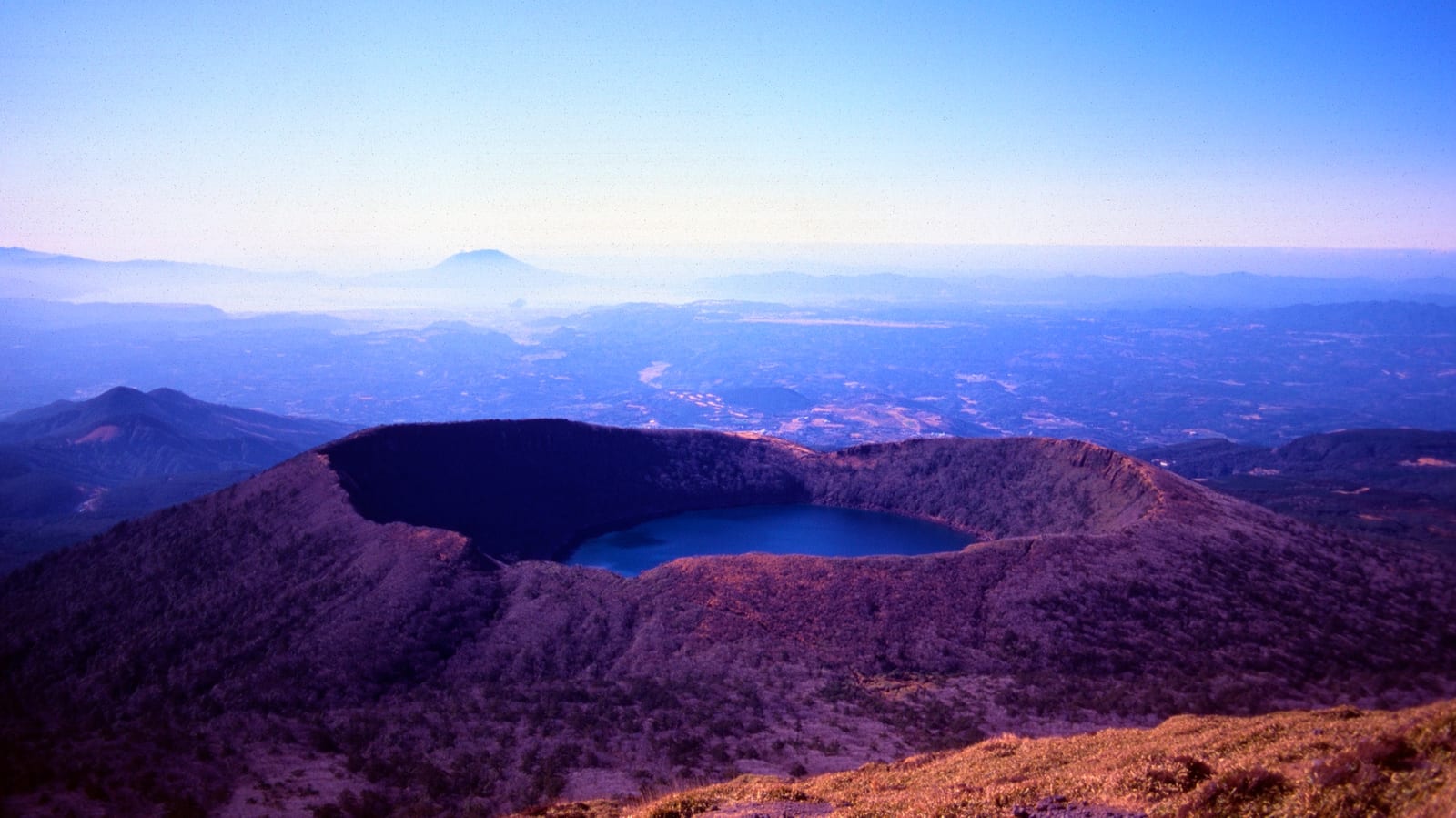
Crater Lakes — Onami-ike & Fudo-ike: These volcanic lakes act like giant mirrors, perfectly reflecting the surrounding peaks. On a calm morning, the symmetry is almost too good to be real.
Mt. Karakuni (韓国岳) Summit: At 5,581 ft, it's the highest peak in the park. The panoramic view from the top — including neighboring volcanoes and, on clear days, Sakurajima — is the payoff for a manageable 2–3 hour round-trip hike.
3. Best Time to Visit
Every season brings something different to Kirishima, but April and October are the sweet spots. Here's why:
- Weather is stable and mild — ideal for hiking and long drives with the windows down
- Scenery peaks seasonally: cherry blossoms in spring, crimson maples in fall
- Natural light is golden during the 6–9 AM and 4–6 PM windows — a photographer's dream
- Crowds are manageable — busy enough to feel alive, not so packed that you're jostling for viewpoints
A winter visit brings the possibility of snow dusting the volcanic peaks — genuinely magical, but mountain roads can ice over, so check conditions carefully. Spring and fall remain the most reliable bets.
4. Getting Around — Why a Rental Car Wins
Public transport reaches Kirishima, but only just. Buses run infrequently and won't get you to the crater lakes or best viewpoints without a significant hike from the nearest stop. Renting a car is by far the best way to explore. It frees you from timetables, lets you stop wherever the scenery demands it, and unlocks back roads that most tourists never see.
Roads around Kirishima are well-maintained and clearly signed. Mountain stretches have designated rest areas (道の駅, michi-no-eki) spaced conveniently — great for a coffee break, local snacks, and a leg stretch.
✨ Pro tip: Book a private car through OlaChill and explore Kirishima entirely on your own schedule — self-drive or with a driver, your call.
5. Sample 1–2 Day Itinerary
Day 1
- 6:00 AM — Head straight to the main viewpoint to catch sunrise over the volcanic plateau. Bring a jacket — it's cooler than you'd expect at elevation.
- 8:00 AM — Breakfast at a local teahouse or roadside restaurant. Look for chicken nanban (a Miyazaki classic) or a simple teishoku set to fuel up properly.
- 9:30 AM — Drive the main scenic loop, stopping freely at viewpoints along the way.
- 12:00 PM — Lunch at a michi-no-eki rest stop or a restaurant along the route.
- 2:00 PM — Explore secondary spots: a nearby waterfall, a Shinto shrine tucked into the forest, or the crater lake reflections.
- 5:00 PM — Check into your hotel or ryokan (traditional inn).
- 6:30 PM — Soak in the onsen (most ryokan in the area have volcanic hot springs) and settle in for a kaiseki multi-course dinner.
Day 2
- 7:00 AM — Early breakfast and an early start to beat the day-trippers.
- 8:30 AM — Take a lesser-known trail or secondary viewpoint that didn't make yesterday's cut.
- 11:00 AM — Back to the crater lakes for photos in morning light — calmer water, sharper reflections.
- 1:00 PM — Leisurely lunch and wind-down.
- 3:00 PM — Head to your next destination, or begin the return journey.
6. Practical Tips Before You Go
- 📷 Golden hour is non-negotiable: The 30 minutes either side of sunrise and sunset produce the best light. Set an alarm. It's worth it.
- 🚗 Book your rental car early: During peak season (April, October), cars sell out fast — reserve at least 1–2 weeks ahead.
- ⛽ Fill up before heading into the mountains: Gas stations thin out quickly once you leave the main towns. Don't assume there's one around the next bend.
- 📱 Download offline maps: Save the Kirishima/Kagoshima area to Google Maps before you leave cell range — dead zones exist on the mountain roads.
- 🍙 Stock up at a convenience store: 7-Eleven and FamilyMart are your best friends for trail snacks, onigiri, and emergency coffee. Grab supplies before heading into the park.
- ☁️ Check the forecast: Weather in volcanic highland areas can shift fast. This matters especially in winter and during Japan's rainy season (June–July).