
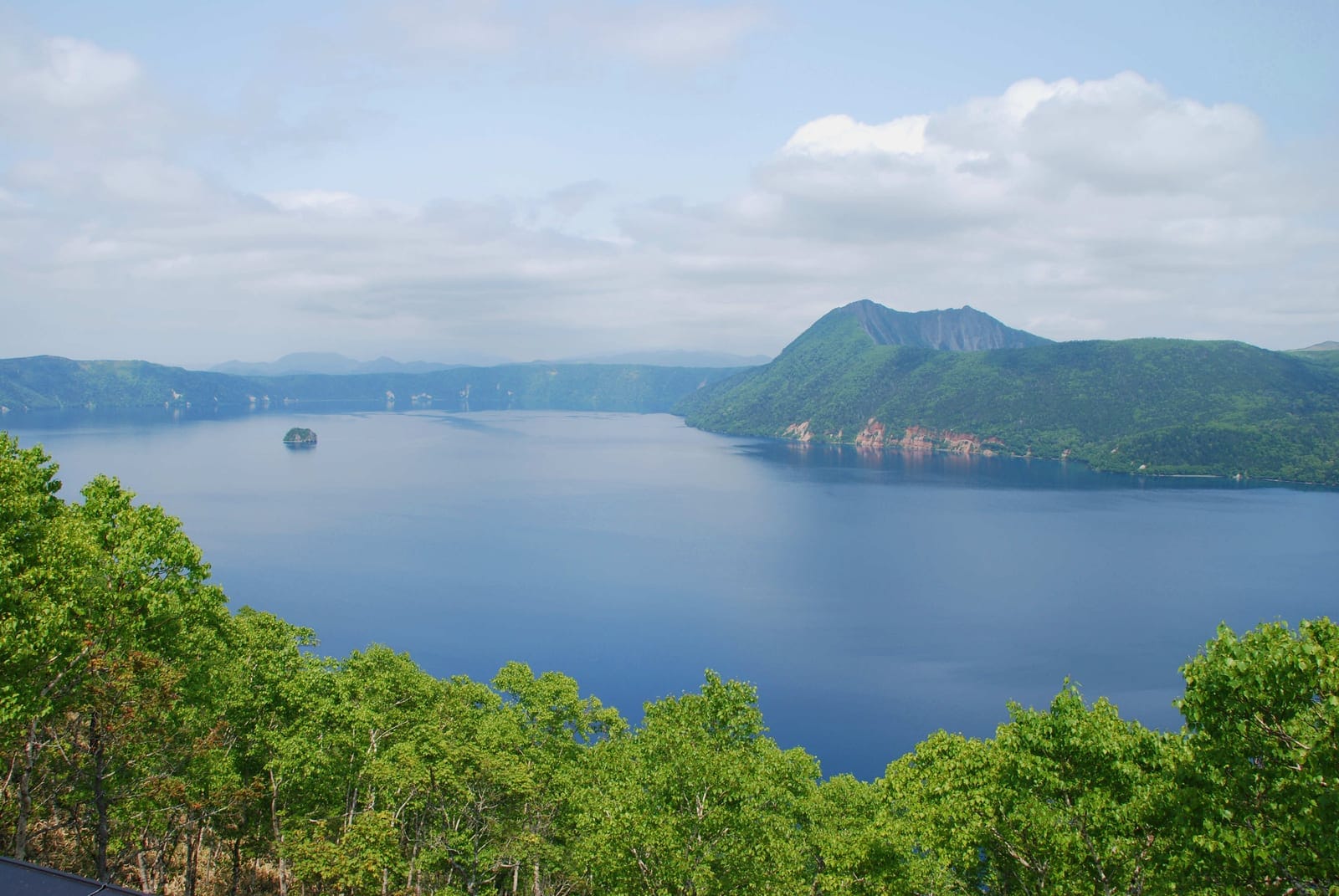
Lake Mashu: Japan's Most Mysterious Lake, Shrouded in Mist
Your complete guide to Lake Mashu, Hokkaido — the best time to visit, how to get there, top photo spots, and a 1–2 day itinerary to make the most of it.
Apr 4, 2026·✍️ olablog·⏱ 6 min read
Your complete guide to Lake Mashu, Hokkaido — the best time to visit, how to get there, top photo spots, and a 1–2 day itinerary to make the most of it.
Japan has no shortage of jaw-dropping natural scenery, but Lake Mashu in Hokkaido sits in a league of its own. Often swathed in thick, otherworldly fog, this ancient caldera lake feels less like a real place and more like something out of a Miyazaki film. Getting here isn't just ticking off a destination — it's a full-on immersion into some of the rawest, most cinematic wilderness you'll find anywhere in the world.
1. What Makes Lake Mashu So Special
Lake Mashu's reputation precedes it: at one point it held the record for the clearest lake water on Earth. Standing at the rim of the caldera, the scale of Hokkaido's landscape hits you all at once — rolling volcanic hills, endless sky, and a lake so intensely blue it looks digitally enhanced. The light shifts dramatically throughout the day, from gold at dawn to deep violet at dusk, and no two visits look the same.
The drive to get here is half the experience. Roads wind through mountain ridges, skirt wide-open farmland, and hug dramatic coastline — the kind of scenery that makes you want to pull over every ten minutes. Travellers consistently say the journey to Lake Mashu feels less like getting from A to B and more like the whole point of the trip.
2. Top Photo Spots You Can't Skip
The Lake Mashu area is packed with viewpoints, from the obvious to the genuinely off-the-beaten-path. Here are the ones worth prioritising:
Main Observation Deck (Mashu-dai): A sweeping 180-degree panorama over the lake. Sunrise and sunset here are consistently rated the best in the region — worth an early alarm.
The Ancient Tree-Lined Road: A canopy of century-old trees forms a natural tunnel overhead. Especially striking in summer green and incandescent during fall foliage season.
The Reflection Point: The mirror-still surface of the lake (or nearby river) creates perfect symmetrical reflections — the kind of shot that needs zero editing.
The High Lookout: Hike or drive to the highest accessible point in the area for a full panoramic sweep over the Hokkaido highlands.
3. Best Time to Visit
Lake Mashu looks beautiful year-round, but August and September hit the sweet spot:
- Most stable weather of the year — ideal conditions for driving and photography
- Peak seasonal scenery: late summer wildflowers give way to early fall color
- Golden-hour light is exceptional between 6–9 AM and 4–6 PM
- Crowds are manageable — busy enough to feel lively, not so packed you're fighting for a viewpoint
Winter brings a completely different kind of magic — snow-dusted caldera rims and frozen stillness — but mountain roads can ice over, so check conditions carefully. Spring cherry blossoms and autumn foliage are both strong runner-ups.
4. The Best Way to Explore — Hit the Road
There's really only one way to do Lake Mashu justice: rent a car and drive. Public transport connections to this part of eastern Hokkaido are limited, and the last thing you want is to be locked into a bus schedule when the light is doing something extraordinary. With your own wheels, you can pull over whenever you like, chase the fog as it rolls in, and explore the smaller backroads that don't show up on any tour itinerary.
Roads around Lake Mashu are well-maintained and clearly signed. Wide shoulders, regular rest stops (道の駅, michi-no-eki), and long stretches of open tarmac make this one of Japan's best road trip routes — think Pacific Coast Highway but with more volcanoes.
✨ Pro tip: Book a private car through OlaChill and explore Lake Mashu entirely on your own schedule — self-drive or with a driver, your call.
5. Sample 1–2 Day Itinerary
Day 1
- 6:00 AM — Head straight to the main observation deck for sunrise. The lake glowing gold in early morning light is worth every minute of the early start.
- 8:00 AM — Breakfast at a local restaurant. Hokkaido is famous for its dairy, so lean into the fresh milk, local butter, and seafood-heavy menus.
- 9:30 AM — Drive the main scenic loop, stopping at viewpoints along the way.
- 12:00 PM — Lunch at a roadside restaurant or michi-no-eki rest stop (the food is usually excellent and local).
- 2:00 PM — Explore the surrounding area: nearby Lake Akan, Kawayu Onsen town, or a local waterfall.
- 5:00 PM — Check in to your hotel or ryokan.
- 6:30 PM — Soak in the onsen if your accommodation has one, then settle in for a kaiseki dinner. In Hokkaido, that means serious seafood.
Day 2
- 7:00 AM — Early breakfast, then get moving before the day-trippers arrive.
- 8:30 AM — Head to a secondary viewpoint or a lesser-known spot — ask your accommodation for local tips.
- 11:00 AM — Shoot the reflection point when the light is high and the mist has (hopefully) lifted.
- 1:00 PM — Lunch and a slower afternoon.
- 3:00 PM — Continue east toward Kushiro or loop back toward Sapporo depending on your onward plans.
6. Practical Tips Before You Go
- 📸 Shoot in golden hour: The 30 minutes before and after sunrise/sunset are peak conditions. Set your alarm accordingly.
- 🚗 Book your rental car early: August and September fill up fast — reserve at least 1–2 weeks out, especially for automatic-transmission vehicles.
- ⛽ Keep the tank topped up: Gas stations are sparse in rural Hokkaido. Fill up whenever you see one — don't gamble on finding the next one in time.
- 📱 Download offline maps: Save your Google Maps area offline before you leave cell range. Coverage in the highlands is patchy.
- 🍙 Stock up at convenience stores: 7-Eleven and FamilyMart are your best friends out here. Hokkaido convenience store onigiri and sandwiches are genuinely good — not a compromise.
- ☁️ Check the forecast: Especially critical in winter and during the rainy season. The lake fog is romantic in photographs; less so when it grounds your whole itinerary.
More from this region — Other
View all →
Part-Time Jobs in Japan for International Students — 28 Hours/Week, Pay, Where to Find Work
10 min · tips
Seasonal Japanese Matsuri Guide: Which Festival to Visit Each Month
8 min · events
History of Matcha and Tea Ceremony: From Zen Monasteries to Today
6 min · culture
How Much Luggage Can Each Bus Size Carry in Japan?
8 min · tips