
Kimono in Shizuoka: Where to Wear It, Best Photo Spots and How to Plan the Day
Kimono in Shizuoka: Fuji over tea fields, Kunozan Toshogu, Miho no Matsubara, Shuzenji's bamboo path and Atami, with Shinkansen times from Tokyo and Kyoto and a step-by-step plan.
Sep 14, 2026·✍️ olablog·⏱ 7 min read
Kimono in Shizuoka: Fuji over tea fields, Kunozan Toshogu, Miho no Matsubara, Shuzenji's bamboo path and Atami, with Shinkansen times from Tokyo and Kyoto and a step-by-step plan.
Shizuoka (静岡県) is the long prefecture on the Pacific side of Mount Fuji, and it has the mountain's southern face, the country's largest tea fields, an ornate shogun's shrine on a sea cliff and the hot-spring valleys of Izu. The Tokaido Shinkansen runs the entire length of it, which means a kimono day here can start in Tokyo or Kyoto and still leave time for photographs.
This guide is about where a kimono looks right in Shizuoka, which is not everywhere: the modern city centres are ordinary, but the temple stairs, the tea terraces and the onsen towns are not.
Shizuoka's kimono settings
Kunozan Toshogu (久能山東照宮): the original burial shrine of Tokugawa Ieyasu, before Nikko, reached by 1,159 stone steps from the sea or by ropeway from the Nihondaira plateau. Gold leaf, lacquer, and the Pacific below.
Miho no Matsubara (三保松原): seven kilometres of black-pine beach with Fuji rising across the bay, part of the mountain's World Heritage listing. The Hagoromo pine, where a celestial maiden hung her feathered robe in legend, is the spot.
Tea fields with Fuji: the Obuchi Sasaba terraces (大淵笹場) in Fuji city are the postcard: rows of tea bushes, a single farmhouse, and the mountain filling the sky. Best in late April when the first flush is bright green.
Shuzenji Onsen (修善寺温泉): the oldest hot-spring town on the Izu Peninsula, with a red bridge over the Katsura River, a short bamboo path, and the temple that gives the town its name. Onsen towns are where kimono and yukata have always been worn; here you will not be the only one.
Best photo spots in Shizuoka for kimono
| Spot | Best time | Access | Crowd level |
|---|---|---|---|
| Kunozan Toshogu (久能山東照宮) | Morning by ropeway; the sea steps at sunset if you are fit | Bus from Shizuoka Station to Nihondaira, ropeway 5 min | Medium |
| Miho no Matsubara (三保松原) | Early morning for Fuji; winter for clarity | Bus from Shimizu Station, 25 min | Low to medium |
| Obuchi Sasaba tea terraces (大淵笹場) | Late April to May, 8:00 to 10:00 | Taxi from Fuji Station, 20 min | Low; photographers only |
| Shuzenji bamboo path and Katsura bridge (修善寺 竹林の小径) | Late afternoon; late November maples | Bus from Shuzenji Station, 10 min | Medium |
| Fujisan Hongu Sengen Taisha (富士山本宮浅間大社) | Morning; early April cherry | 10 min walk from Fujinomiya Station | Low |
| Mishima Taisha (三嶋大社) | Any time | 15 min walk from Mishima Station | Low |
| Atami Kinomiya Shrine and the 2,000-year camphor (来宮神社) | Afternoon | Kinomiya Station, 5 min | Medium |
| Kakegawa Castle (掛川城) | Morning; wooden keep | 7 min walk from Kakegawa Station | Low |
The tea terraces need honesty: they are private farmland with a small viewing path maintained by volunteers. Stay on the path, do not step between the rows, and if the volunteers are running a tea stall, buy a cup. That keeps the spot open.
Seasons
- Late March to early April: cherries at Fujisan Hongu Sengen Taisha and along the Kano River in Izu. Atami's early "Atami Zakura" blooms in late January.
- Late April to May: new tea. This is the best month for Shizuoka in kimono; light green fields, clear mornings, Fuji still snow-capped.
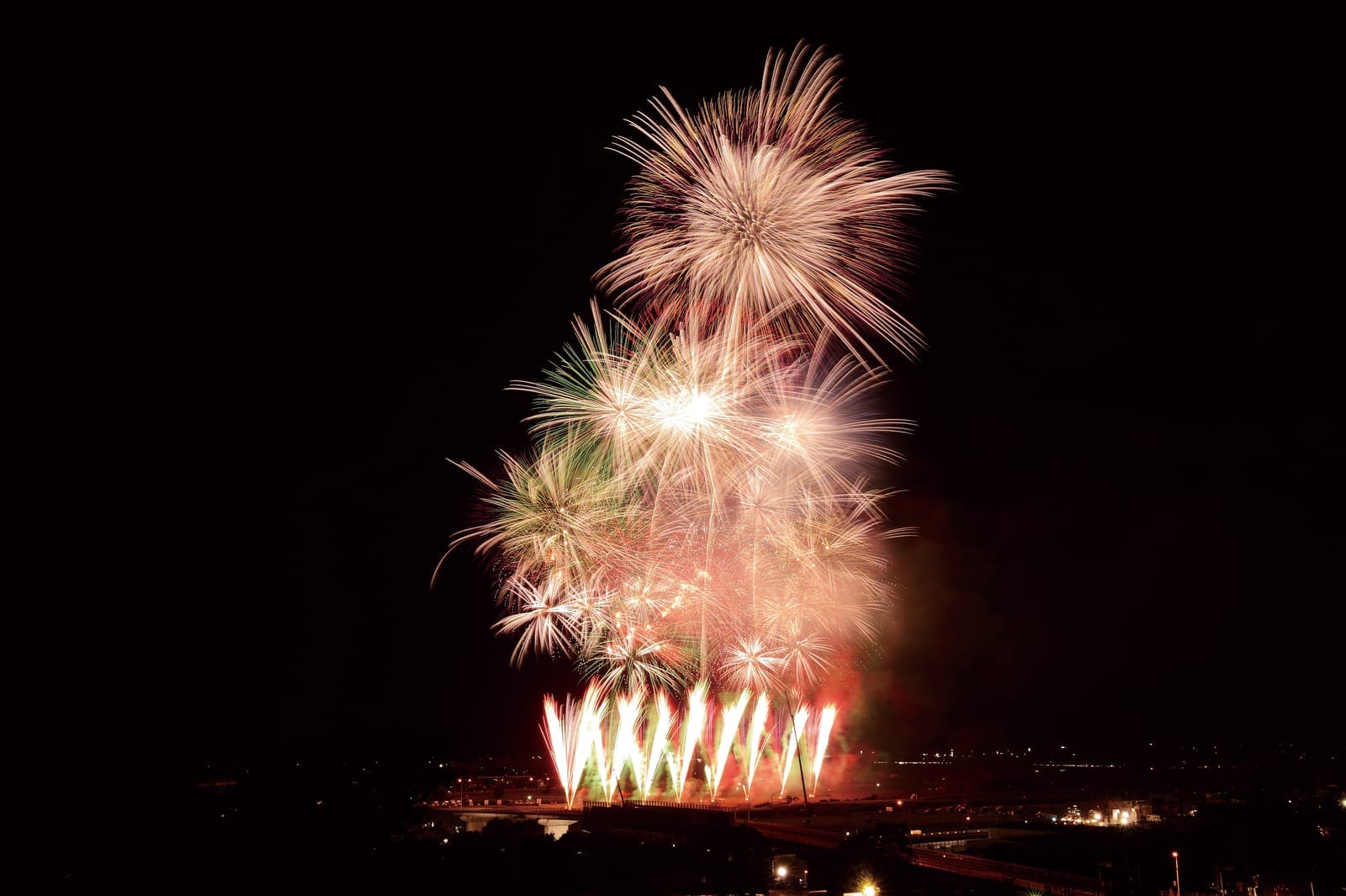
- June to September: hot and coastal. Yukata. Summer fireworks over Atami bay and along the Enshu coast make yukata the natural choice in the evening.
- Late November: Shuzenji's maples along the river and the illuminated bamboo path.
- December to February: the clearest Fuji views of the year from Miho and the tea fields; cold, but a haori and shawl are enough at sea level.
Where the kimono comes from
OlaChill's shops are Tokyo Asakusa and Kyoto Kiyomizu. Shizuoka sits between them.
From Tokyo: Hikari trains reach Shizuoka Station in about an hour, Mishima in 45 minutes, Atami in 40 minutes with Kodama. Asakusa to Tokyo Station is 15 minutes. Dress at 9:00, be in Shizuoka by 11:30, and you can be back in Tokyo by 18:00 if you keep it to the city and Miho. For Shuzenji or Kunozan plus Miho, add the next-day return (¥1,100).
From Kyoto: Hikari to Shizuoka takes about an hour and 40 minutes. Same next-day logic.
Private car: the tea terraces, Kunozan and Miho are spread along 40 kilometres of coast with awkward bus connections. A chauffeured car from Tokyo covers all three in a day; ask for a quote at Japan luxury car with driver.
Plans at both shops start at ¥4,000 for men's yukata and ¥4,500 for women's, ¥5,500 for the Komongi, ¥12,000 for the Houmongi and ¥19,000 for the Furisode. Hair styling is ¥1,500 and makeup ¥5,000. Online booking is 10% below the counter price.
Plan your kimono day: Shizuoka city and the coast
- Day before: book the plan, check the Fuji forecast (clear mornings in winter and spring are common; summer is haze), and decide between the Tokyo same-day plan or next-day return.
- 09:00 Asakusa: dressing, 30 minutes. Ask for zori; there are a lot of steps at Kunozan.
- 10:00 Tokyo Station, Hikari: an hour to Shizuoka. Sit on the right side heading west for Fuji at Shin-Fuji.
- 11:30 Nihondaira and Kunozan Toshogu: bus to the plateau, ropeway across the gorge, shrine and museum. Ninety minutes.
- 14:00 Miho no Matsubara: bus from Shimizu. The Hagoromo pine and the beach with Fuji behind; even hazy days give a pale outline.
- 16:30 Shimizu Station to Shizuoka: return train to Tokyo by 18:00, or continue to Shuzenji for an onsen night.
- Next morning: return the kimono before 10:00 if you stayed over.
Practical notes
- Kunozan's 1,159 stone steps from the sea side take 25 minutes for a fit walker in trainers. In kimono, use the ropeway from Nihondaira and walk down only if you have changed shoes.
- Miho's beach is black sand and pebble. A rented kimono hem should be lifted; use the paved pine avenue for photographs.
- Atami's streets are steep. A hotel return or a taxi between spots saves both the obi and your feet.
Related reading: Fukuroi Enshu fireworks, Shizuoka and Izu Peninsula snorkeling day trip for the coast beyond the kimono day.
FAQ
Is a same-day Tokyo kimono trip to Shizuoka realistic? Yes, for Shizuoka city, Nihondaira and Miho. Dress at 9:00, train at 10:00, back at Tokyo Station by 17:30 and Asakusa before 18:00 closing is tight but done regularly. Anything on Izu needs the next-day return add-on.
When can I see Fuji from the tea fields? Late April to mid-May in the morning gives green tea and a snow-capped mountain together. Ask the volunteers at Obuchi Sasaba about the year's first-flush timing.
Are onsen towns strict about rental kimono? No. Shuzenji and Atami inns are used to guests in yukata and kimono. Change into the inn's yukata before bathing; never take a rented kimono into a bath area.
Is Shizuoka good for kimono in August? Only in yukata, and only in the evening. Daytime on the coast is above 32 degrees. Fireworks nights are the reason to come.
Kunozan or Nikko? Kunozan is the original and quieter. If you have seen Nikko, Kunozan will feel like the private version, with the sea instead of cedars.
Book the Tokyo start
Pick a plan on the OlaChill kimono rental page, decide on the same-day or next-day version, and ride the Hikari to the mountain's sunny side. For the coast loop by car, ask at Japan luxury car.
More from this region — Other
View all →
Kimono in Tochigi: Where to Wear It, Best Photo Spots and How to Plan the Day
7 min · culture
Kimono in Yamaguchi: Where to Wear It, Best Photo Spots and How to Plan the Day
8 min · culture
Kimono in Yamanashi: Where to Wear It, Best Photo Spots and How to Plan the Day
7 min · culture
Kimono at Weddings and Shichi-Go-San: What the Outfits Mean
7 min · culture