
Snorkeling the Izu Peninsula: Where to Go and How from Tokyo
Where to snorkel on the Izu Peninsula: boat-only Hirizo Beach, the Jogasaki lava coast and calm Osezaki, plus trains from Tokyo, best months and safety tips.
May 4, 2026·✍️ olablog·⏱ 6 min read
Where to snorkel on the Izu Peninsula: boat-only Hirizo Beach, the Jogasaki lava coast and calm Osezaki, plus trains from Tokyo, best months and safety tips.
Tap a region to browse articles
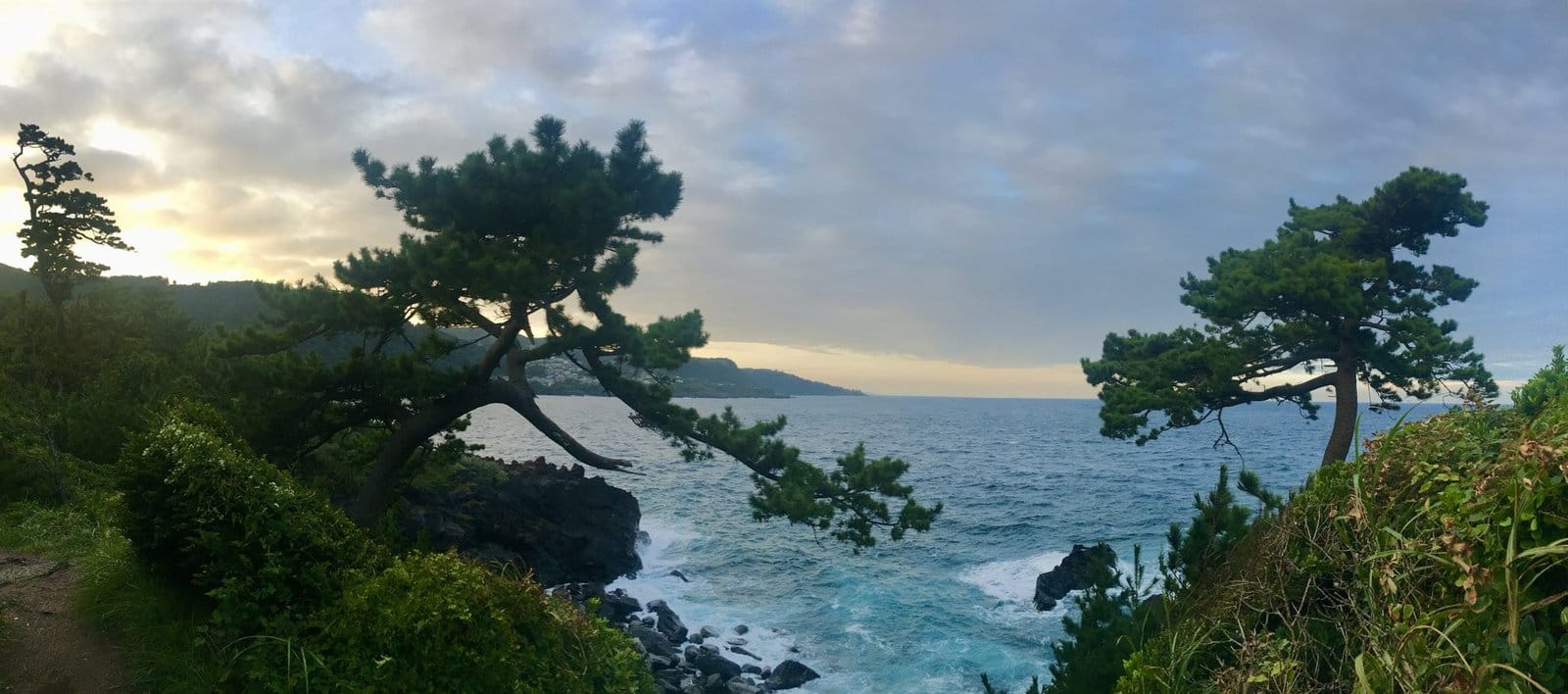
The Izu Peninsula is the nearest place to Tokyo where snorkeling is about the fish rather than the beach. The warm Kuroshio Current runs past its southern tip, most of the shoreline is volcanic rock instead of sand, and together those two things give you clear water, boulder reefs covered in seaweed and, by late summer, tropical species that have drifted up from the south. It is not Okinawa and it does not pretend to be: the water is cooler, the entries are rockier, and the reward is a busy, varied reef within a few hours of the capital.
Getting there from Tokyo
Izu has two very different coasts, and the one you choose decides how you travel.
East coast (Ito, Jogasaki, Shimoda). Rail works well here. Take the Tokaido Shinkansen from Tokyo to Atami, then the JR Ito Line to Ito, where the line continues south as the Izukyu Railway to Izukyu-Shimoda. The easier option is the Odoriko limited express, which runs straight from Tokyo Station down the coast with no change. Allow roughly two hours to Ito and around two and a half to three hours to Shimoda. On summer weekends, reserve seats ahead.
West coast (Osezaki, Dogashima). The railway does not follow this shore, and buses are slow and infrequent. The roads wind along cliffs and through small fishing ports, so a car is by far the easiest way to get around.
A word on the "day trip" idea: the Jogasaki and Futo area near Ito is an easy day out. Hirizo Beach at the southern tip can be done in a long day, but you will spend more time travelling than swimming. A night in Shimoda turns it into a relaxed trip.
Where to snorkel
Hirizo Beach (Minamiizu)
Hirizo is a rocky cove near the southern tip of the peninsula, walled in by cliffs and normally reached by a short boat shuttle from Nakagi Port. With no road down to it, the water stays remarkably clear, and the rock shelves drop away gradually, so beginners can float over fish in shallow water while stronger swimmers head for the deeper channels. The shuttle runs only in the summer season and is cancelled when the sea is rough. There are no shops, toilets or shade on the beach itself, so bring water, food and something to sit under. On August weekends the port area fills up early; get there at the start of the day.
Jogasaki Coast and Futo (Ito)
South of Ito, the coastline is a wall of dark lava cliffs left by old eruptions from nearby Mount Omuro. It is one of the best-known dive areas within easy reach of Tokyo, and Izu Ocean Park at Futo is its main entry point, with showers and dive shops. Entries here are over rocks into water that gets deep quickly, so this area suits confident swimmers. If you are new to snorkeling, book a guided session with one of the local shops, which handle gear, entry points and conditions. Afterwards, walk the clifftop trail to the Kadowaki suspension bridge.
Osezaki (Numazu)
On the peninsula's northwest corner, a narrow cape curls out into Suruga Bay and shelters a calm inner bay. That protection makes Osezaki one of Japan's most popular spots for dive training, and it works just as well for a gentle snorkel on days when the open coast is choppy. On a clear morning you can see Mount Fuji across the water, and the tip of the cape holds a small shrine surrounded by a grove of old juniper trees.
Shimoda's beaches
Shimoda is Izu's classic beach town. Shirahama Ohama is its long white-sand beach, better for swimming than for fish, though the rocks at either end are worth exploring with a mask. The town is also the natural base for a trip to Hirizo.
If you want a break from swimming, drive around to Dogashima on the west coast, where sightseeing boats nose into sea caves carved into the cliffs when the sea allows.
When to go
Japan's official swimming beaches open for a short season, roughly mid-July to late August, with lifeguards and beach huts. The sea warms more slowly than the air, so late August and September are often the best weeks for water temperature and clarity. Late summer into early autumn is also when the most tropical fish turn up, carried north as tiny larvae on the current.
Two things to watch: jellyfish become more common from mid-August onwards, and late-summer typhoons send big swells onto the coast, sometimes days before the storm itself arrives. Outside July to September you will want a wetsuit, and snorkeling is best done with a dive shop that knows current conditions.
Practical tips
- Protect your skin and feet. A rash guard or thin wetsuit keeps you warm and guards against stings. Most entries are over rock or barnacles, so wear water shoes or fins with booties.
- Read the wind. Izu's east and west coasts face different directions, so when one side is rough the other is often calm. Check the forecast the night before and pick your coast accordingly.
- Never snorkel alone, and stay out of harbours and marked no-swimming areas. Outside the official season and away from designated beaches, nobody is watching the water.
- Take nothing from the sea. Shellfish, sea urchins and lobsters are covered by local fishing rights, and taking them counts as poaching, even for a souvenir.
Plan your trip
For a first visit, pair a morning in the water at Jogasaki or Futo with an afternoon on the clifftop trail, and return to Tokyo the same evening. With two days, base yourself in Shimoda, catch the first shuttle to Hirizo, and head up the west coast to Osezaki the next morning. The west coast is where a car really pays off: you can rent a car through OlaChill and set your own pace between coves, stopping wherever the water looks calm.
More from this region — Tokyo & Kanto
View all →
Bollywood Nights and Diwali in Tokyo
18 min · culture
Chartering a 45-Seat Bus in Tokyo: A Complete Group Travel Guide
9 min · tips
Wearing Kimono for Photos in 浅草(Asakusa): Top Spots Around 浅草寺(Sensoji Temple) and Posing Tips
8 min · culture
Depachika and Ginza Shopping: Gourmet Food Paradises Beneath Department Stores
6 min · tips