Ranked: Where English Actually Works in Japan (Tokyo to Rural Kyushu)
Tokyo, Kyoto, and Osaka are easy in English; Sapporo and Fukuoka are mixed; rural Kyushu and Shikoku are Japanese-only territory. See the full three-tier city ranking, plus the translation apps Americans actually rely on.
Mar 28, 2026·✍️ olablog·⏱ 7 min read
Tokyo, Kyoto, and Osaka are easy in English; Sapporo and Fukuoka are mixed; rural Kyushu and Shikoku are Japanese-only territory. See the full three-tier city ranking, plus the translation apps Americans actually rely on.
Tap a region to browse articles
The Real Answer Americans Want
Can you travel Japan without speaking any Japanese? Yes, for the big cities. Not as smoothly as Europe, but smoothly enough. You'll need translation apps for small towns and menus at authentic local joints.
Tier 1 cities — English signs, menus, staff basics: Tokyo, Kyoto, Osaka, Yokohama, Nagoya Tier 2 — English varies, but bilingual tools work: Sapporo, Fukuoka, Hiroshima, Nara Tier 3 — Prepare for Japanese-only: Rural Kyushu, Shikoku, mountain onsen towns, anywhere off the Shinkansen grid
Tier 1: Tokyo, Kyoto, Osaka, Yokohama, Nagoya (Strong)
Tokyo
- Transit: All JR / Metro signage bilingual. Announcements in English on major lines. Station staff at Shinjuku, Tokyo, Shibuya speak basic English.
- Hotels: 3+ star hotels have English-speaking front desk universally.
- Restaurants: International chains + tourist-area shops have English menus. Local izakayas often don't but will point at pictures.
- Retail: Department stores (Isetan, Mitsukoshi) offer English service. Small boutiques — gestures and Google Translate.
- Taxi drivers: Minimal English. Show destination on your phone (maps screenshot or hotel card).
- Reality check: You'll interact with young service staff at cafes, konbinis, and Uniqlo all day. They often speak passable English after 2018 when English became a de-facto retail-hire requirement in Tokyo.
Difficulty for Americans: ⭐⭐ (2/5) — very manageable
Kyoto
Similar to Tokyo, slightly less English fluency from staff but MORE tourist-facing signage.
- Kyoto Station: all English
- Temples: English pamphlets at most major sites
- Gion/Pontocho: fully English-friendly for food/drinks
- Bus system: bilingual but confusing — use Google Maps for routing
- Kyoto Craft Beer Pub, Katsukura, Ippudo: English menus
Difficulty: ⭐⭐ (2/5)
Osaka
Osaka is louder, warmer, and more hustle-oriented than Tokyo — staff often try harder with English because of Dotonbori tourism saturation.
- Shin-Osaka Station: bilingual, efficient
- Dotonbori: 100% English menus
- Osaka Castle area: English signs, audio guides
Difficulty: ⭐⭐ (2/5)
Yokohama & Nagoya
- Yokohama: Post-Commodore Perry English culture, international port town vibe. Easy.
- Nagoya: Less tourist-heavy, so less English fluency, but all infrastructure is bilingual.
Difficulty: ⭐⭐⭐ (2.5/5)
Tier 2: Sapporo, Fukuoka, Hiroshima, Nara (Mixed)
Sapporo (Hokkaido)
- Winter tourism drives some English — Niseko/Furano areas are ski-traveler heavy
- Central Sapporo: English ok at hotels, restaurants in tourist zones
- Off the main drag: fast drop-off in English
- Taxi: very low English; have your Japanese hotel name ready
Difficulty: ⭐⭐⭐ (3/5)
Fukuoka (Kyushu)
- International airport, but less inbound-tourist focused than Tokyo
- Hotels: English ok
- Famous ramen shops (Ichiran, Ippudo): English menus
- Local spots: very Japanese-only
- Convenience stores: point-and-pay works
Difficulty: ⭐⭐⭐ (3/5)
Hiroshima
- Peace Memorial Museum: English signage extensive
- Miyajima ferry + island: tourist-friendly English
- Okonomiyaki restaurants in Hiroshima: English menus at Okonomi-mura
- Outside tourist zones: Japanese-only
Difficulty: ⭐⭐⭐ (2.5/5)
Nara
- Tōdai-ji, deer park, Kasuga: bilingual signs everywhere
- Nara Park cafes: English menus
- Kintetsu trains: bilingual
- Small ramen shops on side streets: Japanese only (but menus have pictures)
Difficulty: ⭐⭐ (2/5)
Tier 3: Rural Japan (Prepare for Japanese-Only)
Rural Kyushu (outside Fukuoka)
- Kumamoto, Kagoshima, Aso, Yufuin, Beppu
- English is rare among older staff
- Train staff occasionally speak basic English at major stations
- Small ryokans: welcome in Japanese, menu in Japanese
- Use Google Translate aggressively
Difficulty: ⭐⭐⭐⭐ (4/5)
Shikoku
- The 88-temple pilgrimage route
- Very traditional, very limited English
- Henro (pilgrim) culture means friendly locals despite the language gap
- Worth visiting; pack translation apps
Difficulty: ⭐⭐⭐⭐ (4/5)
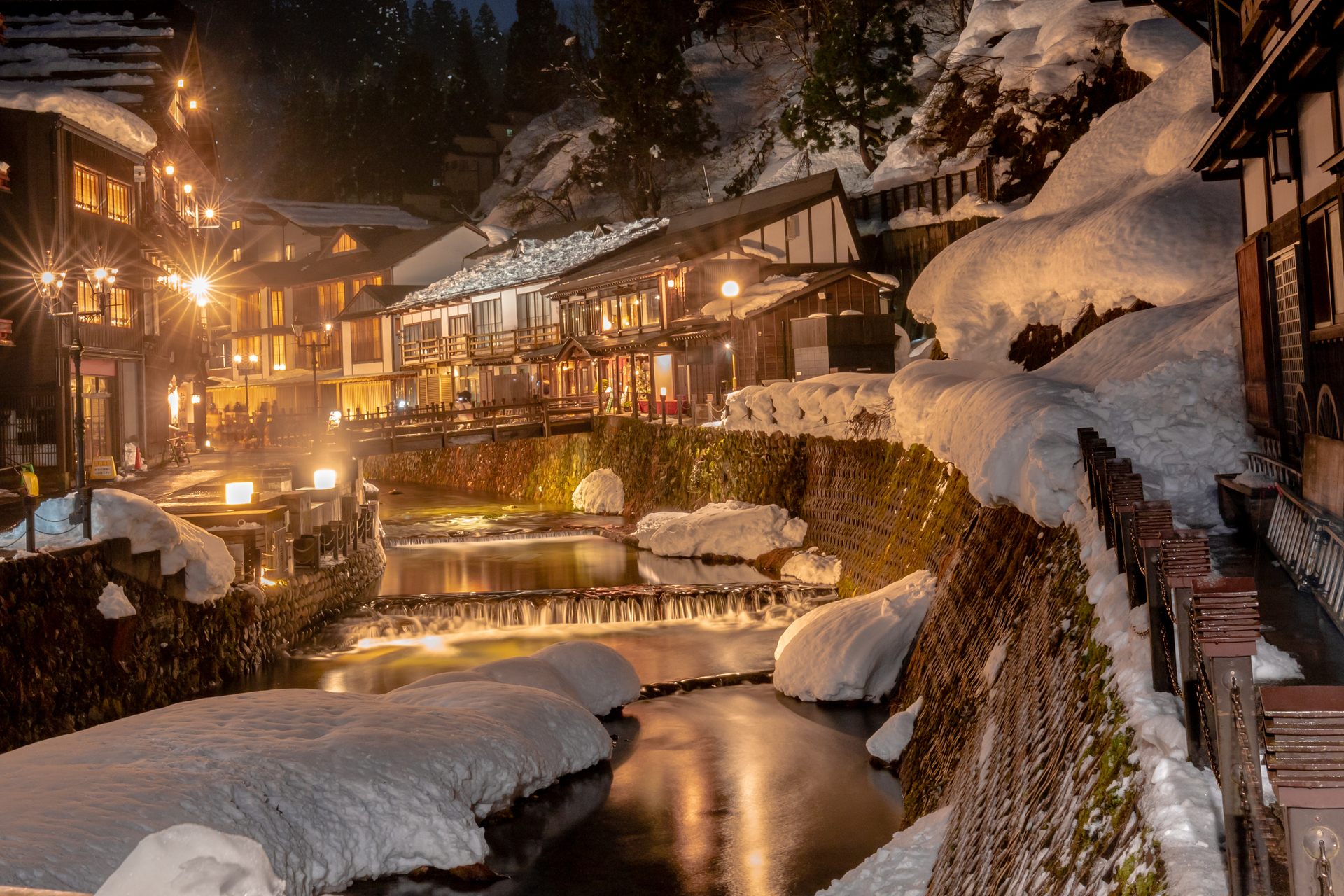
Mountain Onsen Towns
- Noboribetsu, Kurokawa, Hakone back alleys, Gunma onsen villages
- English guest lists at bigger ryokans; zero at family-run places
- Expected protocol communicated in Japanese and gestures
- Menu at kaiseki dinner: entirely Japanese
Difficulty: ⭐⭐⭐⭐ (4/5)
Remote Islands (Yakushima, Amami, Rebun)
- Locals warm but entirely Japanese-speaking
- Tour operators often speak some English; regular shops don't
- Worth the effort; require planning
Difficulty: ⭐⭐⭐⭐⭐ (5/5 — but rewarding)
Translation Apps That Work in Japan
Google Translate (free, best all-around)
- Camera translation: Point phone at Japanese menu/sign → see English overlay. Works offline if you download the Japanese pack.
- Conversation mode: Two-way real-time voice translation. Hands phone back and forth.
- Text: Type or paste Japanese, get English. Accuracy 85-95% for common phrases.
- Verdict: Download before you fly. Essential for menus and train signs.
DeepL Translate (free tier + paid)
- Higher accuracy than Google for paragraph-length text
- Better at idioms and natural-sounding Japanese
- Free tier limits to 5,000 chars/month
- Verdict: Use for emails, reviews, or reading long Japanese content. Google Translate faster for on-the-go.
Papago (Korean company, free)
- Asian languages specialty
- Often better than Google for Korean/Japanese/Chinese
- Camera translation works well
- Verdict: Backup app. Some users swear by it for Korean-Japanese comparison.
VoiceTra (Japan government-backed, free)
- 31 languages including English/Japanese voice-to-voice
- Government-funded, designed for tourists in Japan
- Works offline after download
- Verdict: Best voice accuracy for Japanese <-> English. Install before arrival.
The 20 Japanese Phrases That Save 90% of Interactions
Memorize these. It's 30 minutes of work for 2 weeks of smoother travel:
| English | Japanese | Romaji |
|---|---|---|
| Hello | こんにちは | Konnichiwa |
| Thank you | ありがとう | Arigatou |
| Thank you (formal) | ありがとうございます | Arigatou gozaimasu |
| Excuse me / sorry | すみません | Sumimasen |
| Please | お願いします | Onegaishimasu |
| Yes | はい | Hai |
| No | いいえ | Iie |
| Do you have English menu? | 英語メニューありますか? | Eigo menyū arimasu ka? |
| How much? | いくらですか? | Ikura desu ka? |
| Where is [X]? | [X] はどこですか? | [X] wa doko desu ka? |
| This, please | これ、お願いします | Kore, onegaishimasu |
| Check, please | お会計 | O-kaikei |
| Water, please | お水お願いします | O-mizu onegaishimasu |
| Delicious | おいしい | Oishii |
| Cheers (drinks) | 乾杯 | Kanpai |
| Train station | 駅 | Eki |
| Restaurant | レストラン | Resutoran |
| Bathroom | トイレ | Toire |
| Not spicy | 辛くない | Karakunai |
| Help! | 助けて! | Tasukete! |
Situations Where You'll Actually Get Stuck
Ordering at a hole-in-the-wall ramen place with a ticket machine — the machine is buttons in kanji. Use Google Translate camera, point at the buttons.
Asking for directions from an older person — they may not speak English. Have your map screenshot ready; gestures work.
Medical emergency — Japan 119 (ambulance) has some English support, but not guaranteed. Japan has a 24/7 English medical hotline: 03-5285-8181 (Tokyo area). Save it.
Post office / bank errand — Japanese-only. Skip if possible; use ATMs instead.
Very high-end kaiseki dinner — chef may explain each dish entirely in Japanese. Most ryokans will provide English menus if requested at booking.
Bottom Line
For a standard Tokyo-Kyoto-Osaka trip, you'll be fine with 0 Japanese. For Hokkaido, Kyushu, or mountain onsen trips, install Google Translate and VoiceTra and expect 2-3 daily moments of friction.
Japanese people are among the most patient and helpful in the world when they see a confused foreigner. Point, smile, apologize ("sumimasen"), and someone will walk you to the right platform.
The 20-phrase list above is your minimum kit. Anything more is bonus.