Flying Dhaka to Tokyo
A comprehensive guide for Bangladeshi and Indian travelers flying Dhaka to Tokyo, covering airlines, transit visas, fare seasons, and baggage.
Jul 10, 2026·✍️ olablog·⏱ 20 min read
A comprehensive guide for Bangladeshi and Indian travelers flying Dhaka to Tokyo, covering airlines, transit visas, fare seasons, and baggage.
Tap a region to browse articles
Planning a trip from Dhaka to the vibrant heart of Tokyo can feel like a big undertaking, especially for first- or second-time international travelers. With no direct flights connecting Bangladesh to Japan, understanding the nuances of transit, visa requirements, and fare seasons is key to a smooth and affordable journey. A round-trip ticket from Dhaka to Tokyo during the shoulder season might cost anywhere from BDT 70,000 to BDT 110,000 (approx. ₹50,000 to ₹78,000), making careful planning essential to manage your budget effectively. This guide will navigate you through the practicalities, ensuring your Japan adventure begins even before you land.
Choosing Your Wings: Airlines Connecting Dhaka to Tokyo
Since there are no direct flights from Dhaka (DAC) to Tokyo (NRT/HND), your journey will always involve at least one stop. The choice of airline often dictates your transit experience, including layover duration, comfort, and even potential transit visa requirements. Most major full-service carriers offer reliable connections, typically transiting through their respective hubs in Southeast Asia or East Asia.
The most common and generally convenient routes involve a single layover in cities like Bangkok, Kuala Lumpur, Singapore, or Hong Kong. Airlines such as Thai Airways, Malaysia Airlines, Singapore Airlines, and Cathay Pacific are popular choices, known for their service quality and extensive networks. For instance, Thai Airways typically flies from Dhaka to Bangkok (Suvarnabhumi Airport - BKK) and then onwards to Tokyo (Narita - NRT or Haneda - HND). Malaysia Airlines follows a similar pattern through Kuala Lumpur International Airport (KUL), while Singapore Airlines routes through Changi Airport (SIN). Cathay Pacific will take you via Hong Kong International Airport (HKG).
Beyond these, other reputable airlines offer competitive fares, sometimes with slightly longer layovers or less frequent connections. These can include airlines like Emirates (via Dubai), Qatar Airways (via Doha), or Turkish Airlines (via Istanbul), though these routes involve a longer journey westward before heading east to Japan, often making them less time-efficient for travelers from Dhaka. Chinese carriers such as China Southern (via Guangzhou - CAN) or China Eastern (via Shanghai - PVG) also provide options, often at attractive price points, but these come with their own set of transit considerations, particularly regarding visa requirements which we will explore further.
When evaluating airlines, consider not just the base fare but also factors like baggage allowance, in-flight amenities (meal options, entertainment), and the reputation for punctuality. While budget carriers might offer lower initial prices, ensure you account for all additional costs, such as checked baggage, seat selection, and meals, which can quickly add up and sometimes surpass the cost of a full-service airline ticket. For Bangladeshi travelers, the overall reliability and comfort of a full-service carrier for a long-haul journey often outweigh the marginal savings from a budget airline, especially when navigating international transfers.
Navigating the Transit Maze: Understanding Visa Requirements
For Indian and Bangladeshi passport holders, transit visa requirements are perhaps the most critical aspect of planning an international journey, especially when connecting through third countries. A misunderstanding here can lead to denied boarding or even deportation, making it imperative to verify the latest regulations well in advance. Remember, visa rules can change, so always check with the airline and the embassy or consulate of your transit country.
Most Southeast Asian hubs generally offer visa-free airside transit for passengers who remain within the international transit area and do not need to re-check baggage or change terminals that require exiting immigration. However, this is not universally true, and specific conditions often apply.
Key Transit Hubs and Their Rules:
- Bangkok (BKK), Thailand: For most flights from Dhaka to Tokyo, if you are simply transiting airside at Suvarnabhumi Airport (BKK) and your baggage is checked through to Tokyo, a transit visa is typically not required. However, if your layover is long and you wish to exit the airport, or if you are on separate tickets requiring you to clear immigration to re-check bags, you would need a Thai transit visa. Always confirm with Thai Airways or your connecting airline if you need to pass through immigration for any reason.
- Kuala Lumpur (KUL), Malaysia: Malaysia generally offers a "Transit Without Visa" (TWOV) facility for Indian and Bangladeshi citizens under specific conditions, primarily for those traveling on certain airlines (like Malaysia Airlines or AirAsia) to a third country (e.g., Japan) within 120 hours. However, the exact rules can be complex and are subject to change. It usually requires you to remain airside, though in some cases, a short-term pass may be issued for specific purposes. It's crucial to confirm if your specific itinerary qualifies for TWOV directly with Malaysia Airlines or the Malaysian High Commission.
- Singapore (SIN): Singapore offers a "Visa Free Transit Facility" (VFTF) for Indian citizens, allowing a 96-hour stopover if they hold a valid visa (or long-term pass) from Australia, Canada, Germany, Japan, New Zealand, Switzerland, the United Kingdom, or the United States, and are traveling to or from these countries. For Bangladeshi citizens, a visa is generally required for any transit that involves clearing immigration. Even for airside transit, while usually not requiring a visa if staying strictly within the transit area, it's best to confirm with Singapore Airlines. Changi Airport is renowned for its facilities, making even a long airside transit enjoyable.
- Hong Kong (HKG): Indian citizens can enjoy visa-free entry to Hong Kong for up to 14 days, which makes transit through HKG exceptionally convenient, even if you need to exit the airport. Bangladeshi citizens, however, require a visa to enter or transit through Hong Kong. This is a significant point to consider if flying Cathay Pacific.
- Chinese Cities (Guangzhou - CAN, Shanghai - PVG, Beijing - PEK): China offers a 24-hour visa-free transit policy for many nationalities, including Indians and Bangladeshis, provided you have a confirmed onward ticket to a third country. This allows you to stay within the airport's transit area. However, exiting the airport even for a short period usually requires a specific transit visa. Furthermore, if your itinerary involves multiple stops within mainland China, even if each stop is under 24 hours, you will likely need a Chinese visa. Given the strictness of Chinese immigration, this route requires extra caution. Always confirm with the Chinese embassy or consulate regarding the latest transit visa policies.
- Seoul (ICN), South Korea: South Korea offers a "Transit Tourism Program" for certain nationalities, including Indians, who are transiting through Incheon International Airport (ICN) to a third country and hold a valid visa for specific countries like the US, Canada, Australia, or a Schengen member state. This allows for a short, visa-free stay. For Bangladeshi citizens, a transit visa is generally required unless specific exemptions apply (which are rare).
General Advice for Transit Visas:
- Separate Tickets: Avoid booking separate tickets from Dhaka to your transit hub and then from the hub to Tokyo. This often means you'll need to collect and re-check baggage, necessitating clearing immigration and thus requiring a transit visa. Always aim for a single ticket from Dhaka to Tokyo.
- Airline Responsibility: While airlines provide guidance, the ultimate responsibility for having the correct travel documents lies with the passenger.
- Official Sources: Always consult the official government websites of the transit country's immigration department and their embassy/consulate in Dhaka for the most current information.
- Pre-Departure Check: Before heading to the airport in Dhaka, double-check your itinerary and transit rules one last time.
Timing is Everything: Fare Seasons and Booking Strategies
The cost of your flight from Dhaka to Tokyo can fluctuate dramatically based on the time of year, how far in advance you book, and even the day of the week you choose to fly. Understanding these patterns is crucial for securing the best possible fare. Prices are quoted in Japanese Yen (¥), with approximate conversions to Indian Rupees (₹) using a rate of ~₹0.56 per ¥1, and where natural, Bangladeshi Taka (BDT).
High Season (Most Expensive)
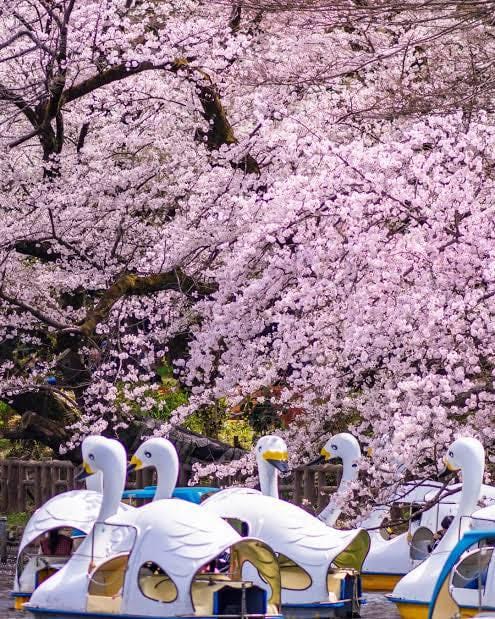
- Cherry Blossom (Late March to Early April): This is Japan's peak tourist season. Flights during this period are exceptionally expensive, and availability is limited. Expect round-trip fares to start from BDT 110,000 (approx. ₹78,000) and easily climb to BDT 150,000 (approx. ₹106,000) or more.
- Golden Week (Late April to Early May): A series of national holidays in Japan, leading to domestic travel surges and higher international flight demand.
- Autumn Foliage (October to Early November): Another popular time for its scenic beauty, pushing flight prices up.
- New Year's (Late December to Early January): High demand for holiday travel.
Shoulder Season (Moderate Prices)
- May (after Golden Week): Once the Golden Week rush subsides, prices can drop slightly.
- Early June: Before the peak of the rainy season, this can offer decent value.
- September (after Obon): Post-summer and before the autumn rush, this is often a good time to find reasonable fares.
- Expect round-trip fares in the range of BDT 85,000 to BDT 110,000 (approx. ₹60,000 to ₹78,000).
Low Season (Best Value)
- January (post-New Year): After the initial holiday rush.
- February: Generally a quiet month for tourism, offering some of the lowest fares.
- June to Mid-July (Tsuyu - Rainy Season): The monsoon season in Japan, similar to India's monsoon but often with fewer disruptions to travel. This is typically the cheapest time to fly.
- Late November to Early December: Just before the Christmas/New Year's holiday peak.
- During the low season, you might find round-trip fares from BDT 70,000 to BDT 90,000 (approx. ₹50,000 to ₹64,000).
Booking Strategies for Bangladeshi Travelers
- Book Early, Really Early: For the best prices, especially during popular seasons, aim to book your tickets 4 to 6 months in advance. For peak cherry blossom season, even 8-10 months might be advisable.
- Flexibility with Dates: If your travel dates are flexible, use "flexible date" search options on flight comparison websites to identify the cheapest days to fly. Mid-week departures (Tuesday, Wednesday) and red-eye flights are often cheaper.
- Compare Aggregators and Airline Sites: Start your search on popular flight aggregators like Google Flights, Skyscanner, or Kayak to get an overview of routes and prices. Once you identify potential flights, cross-reference the prices directly on the airline's official website. Sometimes, airlines offer exclusive deals or better conditions (e.g., baggage allowance) on their own sites.
- Set Fare Alerts: Most flight comparison tools allow you to set up fare alerts for specific routes and dates. This will notify you when prices drop, allowing you to snag a good deal.
- Consider "Open-Jaw" Tickets: If your itinerary allows, flying into one Tokyo airport (e.g., Narita - NRT) and out of another (e.g., Haneda - HND) or even into Tokyo and out of Osaka (Kansai - KIX) can sometimes yield better prices and save you time on domestic travel within Japan.
- Loyalty Programs: If you frequently fly with a particular airline or alliance, consider joining their loyalty program. While it might take many flights to earn a free ticket, you can accumulate miles that might be redeemable for upgrades or future discounts.
By diligently applying these strategies, Bangladeshi and Indian travelers can significantly reduce the cost of their flight, freeing up more of their budget for experiences in Japan.
Packing Smart: Decoding Baggage Allowance and Strategy
Long-haul international travel requires a strategic approach to baggage, especially when you anticipate shopping in Japan. Airlines typically have strict rules regarding checked and carry-on luggage, and exceeding these limits can lead to hefty fees. Understanding these allowances and planning your packing accordingly will save you both money and stress.
Standard Baggage Allowances
Most full-service international airlines flying from Dhaka to Tokyo offer:
- Checked Baggage: Usually one or two pieces, with a weight limit of 20-23 kg (approx. 44-50 lbs) per bag. Some premium economy or business class tickets will offer higher allowances.
- Carry-on Baggage: Typically one piece weighing 7 kg (approx. 15 lbs), plus a personal item (e.g., a laptop bag, small backpack, or handbag). Dimensions are also crucial, so check your airline's specific requirements.
Low-cost carriers (LCCs) often have much lower, or even zero, checked baggage allowance included in their base fare. You'll need to purchase checked baggage separately, and these fees are significantly higher if paid at the airport compared to buying them online in advance.
Baggage Strategy for Your Japan Trip
- Consolidate and Prioritize: Before packing, make a list of essentials. For a trip to Japan, consider layers of clothing as temperatures can vary. Remember that laundry facilities are widely available and affordable in Japan, especially in hostels and Airbnb accommodations, so you don't need to pack a fresh outfit for every single day.
- Utilize Carry-on Space Wisely: Your carry-on should hold all valuables (passport, wallet, electronics, medication), a change of clothes (in case checked luggage is delayed), and essential toiletries for the flight. For the long journey, include comfort items like a neck pillow, eye mask, and noise-canceling headphones.
- Plan for Shopping: Japan is a shopper's paradise, from unique souvenirs and electronics to fashion and delicious snacks.
- Leave Room: If you plan on buying a lot, consider packing lighter for your outbound journey, leaving space in your checked bag for return purchases.
- Extra Bag Strategy: Many experienced travelers from India and Bangladesh bring a collapsible duffel bag or a lightweight, empty suitcase in their checked luggage. This can be used for souvenirs and new purchases on the return journey. Buying an extra checked baggage allowance online for your return flight in advance is almost always cheaper than paying at the airport. For example, purchasing an additional 20kg bag might cost around ¥7,000 (approx. ₹3,920) online, but could easily be ¥15,000 (approx. ₹8,400) or more at the check-in counter.
- Shipping: For very large or fragile items, consider international shipping services from Japan. While more expensive, it ensures safe delivery and avoids airport hassle. Japan Post (JP Post) offers reliable international shipping options.
- Weight Checks: Weigh your bags at home before heading to Dhaka airport. A simple luggage scale is an inexpensive investment that can save you from unexpected overweight fees.
- Duty-Free Purchases: Be mindful of liquid restrictions for carry-on items, even for duty-free purchases made at transit airports. If your transit involves security checks, liquids bought after security in the first leg might be confiscated. Always ask the duty-free staff to seal your purchases in a security tamper-evident bag (STEB) if you have a connecting flight.
By thinking ahead about your baggage, you can avoid last-minute stress and ensure that all your exciting Japanese purchases make it back home safely and affordably.
The Journey Itself: In-Flight Experience and Food Considerations
A flight from Dhaka to Tokyo, including a layover, can range from 10 to 18 hours or more. Making this long journey comfortable and addressing specific dietary needs is essential for a pleasant experience.
Maximizing Comfort on Long Flights
- Dress Comfortably: Wear loose, breathable clothing. Layers are good as cabin temperatures can fluctuate.
- Stay Hydrated: Drink plenty of water and avoid excessive caffeine and alcohol, which can contribute to dehydration.
- Move Around: Get up and walk the aisle every few hours to promote circulation and prevent stiffness. Simple stretches in your seat can also help.
- Compression Socks: These can be very beneficial for preventing leg swelling and discomfort on long flights.
- Sleep Aids: A good neck pillow, eye mask, and earplugs or noise-canceling headphones are invaluable for resting.
- Entertainment: While airlines offer in-flight entertainment, also download movies, shows, or podcasts onto your personal devices as a backup. Don't forget a power bank.
Food: Addressing Vegetarian and Halal Concerns
For many travelers from India and Bangladesh, dietary restrictions are a significant concern, especially on long international flights. Most reputable airlines are well-equipped to handle special meal requests, but advance planning is critical.
- Pre-Book Special Meals: This is the most important step. When you book your ticket online, or immediately after, go to the "Manage My Booking" section on the airline's website or call their customer service to request a special meal.
- Vegetarian Options: Specify your type of vegetarianism. "Vegetarian Hindu Meal" (AVML) is typically lacto-ovo vegetarian and does not contain meat, fish, or eggs, and is prepared in an Indian style. "Vegetarian Vegan Meal" (VGML) is strictly plant-based, with no dairy, eggs, or honey. "Vegetarian Lacto-Ovo Meal" (VLML) includes dairy and eggs but no meat or fish.
- Halal Options: Request a "Muslim Meal" (MOML). These meals adhere to Islamic dietary laws, containing no pork or alcohol, and meats are sourced from Halal-certified suppliers.
- Other Options: Some airlines also offer Jain Vegetarian meals (VJML) if booked far enough in advance.
- Confirm Your Meal Request: Reconfirm your special meal request with the airline 24-48 hours before your flight. Sometimes, requests can be missed, so a quick confirmation ensures it's on record.
- Boarding Day: When boarding, discreetly confirm with the flight attendant that your special meal is registered. They often have a list of pre-ordered meals.
- Carry Approved Snacks: Despite pre-booking, it's always wise to carry some non-perishable, approved snacks from home, especially if you have very specific dietary needs or are prone to hunger. Items like nuts, dried fruits, energy bars, or homemade chapatis (without gravy) are usually fine. Be mindful of any restrictions on fresh produce or dairy products when entering Japan or your transit country.
- Water: While water is provided, carrying a reusable water bottle that you can fill after security checks is a good idea to stay hydrated throughout your journey.
Airlines like Singapore Airlines, Emirates, Qatar Airways, and Thai Airways generally have excellent reputations for catering to diverse dietary needs, including high-quality vegetarian and halal options. By taking these proactive steps, you can ensure your in-flight dining experience is as comfortable and worry-free as possible.
Arriving in Tokyo: Narita (NRT) vs. Haneda (HND) and City Connections
Tokyo is served by two major international airports: Narita International Airport (NRT) and Haneda Airport (HND). Your arrival airport will significantly impact your initial journey into the city center, both in terms of time and cost.
Narita International Airport (NRT)
Narita is located further out from central Tokyo, approximately 60-70 kilometers east. Historically, it has been Tokyo's primary international gateway, and many long-haul flights still arrive here. It has three terminals, connected by free shuttle buses.
Getting to Central Tokyo from NRT:
- Narita Express (N'EX): This is the most convenient and comfortable option for many. It offers direct, reserved seating to major stations like Tokyo Station, Shinagawa, Shibuya, Shinjuku, and Ikebukuro.
- Cost: A one-way ticket to Tokyo Station is around ¥3,070 (approx. ₹1,720). A special "N'EX Tokyo Round Trip Ticket" (for foreign tourists) offers a return journey for ¥4,070 (approx. ₹2,280), valid for 14 days. This is an excellent value.
- Time: Approximately 50-60 minutes to Tokyo Station.
- Frequency: Roughly every 30-60 minutes.
- Keisei Skyliner: A faster, but slightly less extensive, option. It connects Narita to Ueno and Nippori stations. From Ueno/Nippori, you can easily transfer to the JR Yamanote Line for other parts of Tokyo.
- Cost: A one-way ticket is ¥2,570 (approx. ₹1,440). Special discount packages including a Tokyo Metro Pass are often available.
- Time: Approximately 40 minutes to Ueno.
- Frequency: Every 20-40 minutes.
- Limousine Bus: These comfortable coach services connect Narita to numerous hotels and major train stations across Tokyo. They are particularly convenient if your accommodation is directly serviced by the bus.
- Cost: Varies by destination, typically ¥2,800-¥3,200 (approx. ₹1,570-₹1,790).
- Time: 60-90 minutes or more, depending on traffic and destination.
- Local Trains (JR Sobu Line / Keisei Main Line): Cheaper but slower and often more crowded, requiring multiple transfers. Best for budget travelers with light luggage and plenty of time.
- Cost: Around ¥1,320 (approx. ₹740).
- Time: 90 minutes to 2 hours.
Haneda Airport (HND)
Haneda is much closer to central Tokyo, about 14-20 kilometers south. It traditionally served domestic flights but has significantly expanded its international routes. Many travelers prefer Haneda for its convenience.
Getting to Central Tokyo from HND:
- Keikyu Line: Connects Haneda terminals directly to Shinagawa Station, a major JR hub. From Shinagawa, you can easily transfer to the JR Yamanote Line.
- Cost: To Shinagawa, around ¥300 (approx. ₹170).
- Time: Approximately 15-20 minutes to Shinagawa.
- Frequency: Very frequent, every few minutes.
- Tokyo Monorail: Connects Haneda terminals to Hamamatsucho Station, another JR hub that connects to the JR Yamanote Line.
- Cost: To Hamamatsucho, around ¥500 (approx. ₹280).
- Time: Approximately 15-20 minutes to Hamamatsucho.
- Frequency: Very frequent, every few minutes.
- Limousine Bus: Similar to Narita, these buses offer direct connections to various hotels and stations.
- Cost: Varies by destination, typically ¥900-¥1,300 (approx. ₹500-₹730).
- Time: 30-60 minutes, depending on traffic and destination.
Choosing Your Airport:
- Haneda (HND): Generally preferred for convenience due to its proximity to the city center, shorter travel times, and often cheaper transport options. If your flight arrives at HND, you'll be in Tokyo much faster.
- Narita (NRT): Still a major hub with more flight options, especially for long-haul international routes. While further, the N'EX provides a comfortable and efficient connection. If you have a JR Pass, the N'EX is fully covered, making NRT a more attractive option.
Regardless of your arrival airport, familiarize yourself with the train lines and consider purchasing an IC card (Suica or Pasmo) upon arrival. These rechargeable cards work like Delhi Metro cards and can be used on almost all trains, subways, and buses in Tokyo, as well as for purchases at convenience stores and vending machines, making your initial navigation much smoother.
A Sample Flight Itinerary and Cost Breakdown
To provide a concrete example, let's sketch a realistic flight itinerary for a Bangladeshi traveler heading to Tokyo, focusing on a shoulder season trip in early June. This scenario aims for a balance between cost, comfort, and reasonable transit.
Scenario:
- Origin: Dhaka (DAC)
- Destination: Tokyo (Narita - NRT)
- Travel Dates: Early June 2027 (shoulder season, avoiding peak rainy season and Golden Week)
- Airline: Malaysia Airlines (known for good connections and service)
- Transit Hub: Kuala Lumpur (KUL)
Flight Details (Illustrative, based on 2026 patterns):
- Leg 1: Dhaka (DAC) to Kuala Lumpur (KUL)
- Airline: Malaysia Airlines (MH)
- Departure: DAC, 10:30 AM
- Arrival: KUL, 4:30 PM (Local Time)
- Flight Duration: Approx. 4 hours
- Layover: Kuala Lumpur (KUL)
- Duration: Approx. 4-5 hours. This allows ample time for deplaning, navigating the airport, a meal, and re-boarding without feeling rushed. As an Indian or Bangladeshi traveler with a through ticket on Malaysia Airlines, airside transit for this duration typically does not require a Malaysian transit visa. KUL has good facilities for dining and shopping during your wait.
- Leg 2: Kuala Lumpur (KUL) to Tokyo (NRT)
- Airline: Malaysia Airlines (MH)
- Departure: KUL, 9:30 PM
- Arrival: NRT, 5:30 AM (Next Day, Local Time)
- Flight Duration: Approx. 7 hours
Total Estimated Travel Time: Around 15-16 hours (including layover).
Estimated Flight Cost (Round Trip):
- Base Fare (Economy Class): ¥125,000 - ¥160,000 (approx. ₹70,000 - ₹90,000)
- In Bangladeshi Taka (BDT): BDT 98,000 - BDT 126,000 (using approx. 1 BDT = 0.79 JPY, and 1 INR = 0.56 JPY)
Cost Breakdown & Considerations:
- Baggage: Malaysia Airlines typically includes 20-30kg checked baggage in economy class, which is sufficient for most travelers. Always verify the exact allowance for your specific ticket.
- In-Flight Meals: Meals and beverages are included. Remember to pre-book your vegetarian Hindu (AVML)