Best Indian Restaurants in Tokyo
Discover Tokyo's best Indian restaurants for Indian and Bangladeshi travelers. Find authentic thalis, halal options, and Michelin-level curries, with prices in INR.
Jul 10, 2026·✍️ olablog·⏱ 18 min read
Discover Tokyo's best Indian restaurants for Indian and Bangladeshi travelers. Find authentic thalis, halal options, and Michelin-level curries, with prices in INR.
Tap a region to browse articles
Welcome, fellow food enthusiasts from India and Bangladesh, to a culinary journey through Tokyo! While Japan is famed for sushi and ramen, a delightful surprise awaits: a thriving Indian food scene that caters to every palate and budget. Forget your worries about finding familiar flavours or navigating dietary restrictions; Tokyo offers everything from budget-friendly thalis starting around ₹500 (approx. ¥900) to upscale establishments recognized by the Michelin Guide. This guide is crafted specifically for you, ensuring your search for a taste of home, or an exciting new Indian culinary experience, is as smooth and satisfying as a perfectly spiced biryani.
Nishi-Kasai: Tokyo's 'Little India'
For many first-time visitors from India and Bangladesh, the initial question when seeking Indian food in Tokyo is often, "Where do I even begin?" The answer, unequivocally, often starts with Nishi-Kasai. Located in the Edogawa Ward, this unassuming residential suburb has earned the affectionate moniker "Little India" and is home to the largest Indian community in Japan. This wasn't by accident; the area's convenient access to central business districts like Otemachi via the Tozai subway line made it an attractive hub for Indian IT professionals who arrived in Japan around the turn of the millennium.
The influence of this vibrant community is palpable. A stroll around Nishi-Kasai Station reveals a delightful array of Indian grocery stores, spice shops, and, of course, a concentrated number of Indian restaurants. It's a place where you can find ingredients for home cooking, hear familiar languages, and truly feel a connection to home. While not a bustling tourist attraction in the same vein as, say, Ginza, Nishi-Kasai offers an authentic glimpse into the daily life of the Indian diaspora in Tokyo. It's less about grand sights and more about the comfort of community and the genuine flavours it sustains.
Many of the eateries here are family-run, offering a more homely and less "Japanized" take on Indian cuisine. You'll find a range of regional specialties, and the atmosphere is generally relaxed and welcoming. While some businesses faced challenges during the COVID-19 pandemic, the community's resilience, often leveraging social media platforms like Facebook and WhatsApp for local promotion and takeout orders, has ensured its continued presence and growth. When you visit, look beyond the main streets; some of the best finds are tucked away in smaller lanes.
Navigating North vs. South Indian Flavours in Tokyo
Just as in India and Bangladesh, the culinary landscape within "Indian cuisine" in Tokyo is wonderfully diverse, broadly categorized into North and South Indian styles. Understanding these distinctions is key to finding the meal that truly satisfies your craving. Many restaurants will offer a mix, but some specialize, providing a more authentic experience.
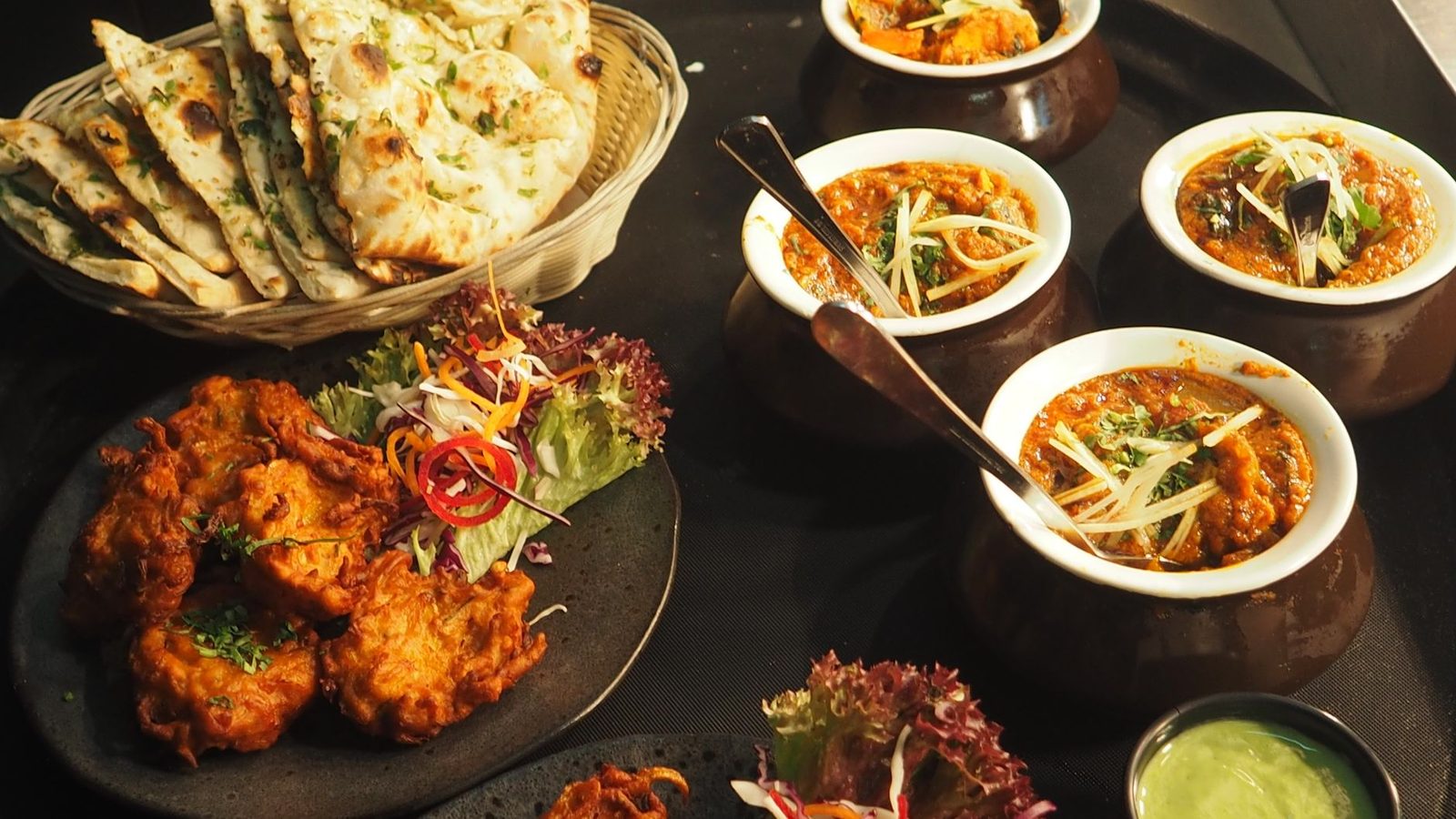
North Indian cuisine, characterized by rich, creamy gravies, tandoori breads, and robust meat dishes, is widely available. Think butter chicken, chicken tikka masala, paneer curries, and a variety of naans and rotis. These dishes often use a base of tomatoes, onions, ginger, garlic, and cream, with spices like garam masala, cumin, and coriander taking centre stage. Restaurants like "Dhaba India" in Ginza are known for their Punjabi-style offerings, including popular butter chicken and garlic naan. "Downtown B's Indian Kitchen" in Roppongi is another recommended spot for home-style North Indian classics.
South Indian cuisine, on the other hand, brings a different palette of flavours – lighter, tangier, and often incorporating coconut, tamarind, and curry leaves. Dosas, idlis, vadas, sambar, and a variety of rice dishes like biryani are staples. For those craving the authentic taste of the south, Tokyo has some excellent options. "Nirvanam Tokyo" is highly regarded for its bold South Indian flavours, with authentic sambars and dosa textures reminiscent of Chennai. "Andhra Kitchen" (in Okachimachi) and its more upscale sister "Andhra Dining" (in Ginza) are also celebrated for their thali sets featuring rice, curries, sambar, and rasam, available in both meat and vegetarian varieties. You might even find specialized Kerala cuisine at places like "South Park" in Asakusa, known for its homely, authentic tastes and generous spice levels.
When choosing, consider what you're in the mood for. If it's a hearty, gravy-rich meal with fluffy naan, lean North. If you prefer light, flavourful, and often spicier dishes with rice or crepes, South Indian is your calling. Many menus clearly indicate the region of their specialties, or a quick chat with the staff can guide you.
Understanding Tokyo's Indian Restaurant Price Levels
One of the primary concerns for travelers from India and Bangladesh is often the cost of dining, especially in a city like Tokyo, which can sometimes be perceived as expensive. However, Tokyo's Indian dining scene offers a broad spectrum of prices, from highly affordable lunch sets to luxurious fine dining experiences. Knowing what to expect can help you budget effectively.
For budget-conscious travellers, especially during lunchtime, you'll find incredible value. Many Indian restaurants offer lunch thalis or set meals (often called "lunch sets" or "curry sets") that are significantly cheaper than dinner. These typically include one or two curries, rice, naan or roti, a small salad, and sometimes a drink. You can find these lunch sets ranging from ¥900 to ¥1,500 (approximately ₹500 to ₹850). Some places, like "Thali-ya" in Shinjuku, offer lunch boxes with one curry, rice, naan, and a fried egg for around ¥690 (approx. ₹390). Even Michelin Bib Gourmand-listed places can have relatively affordable lunch buffets or sets.
Mid-range options for dinner or more elaborate lunch sets usually fall between ¥2,000 and ¥4,000 per person (approximately ₹1,100 to ₹2,200). For two people, expect to pay around ¥3,000 to ¥5,000 (approximately ₹1,600 to ₹2,800) for a satisfying meal at many Indian restaurants. This price range often allows for a more extensive selection of curries, tandoori items, and perhaps an appetizer or dessert. Restaurants like "Viva Goa Indian Cafe" in Harajuku, offering Goan and North Indian dishes, fall into this bracket.
At the higher end, for a truly special occasion or a Michelin-recognised experience, prices can range from ¥4,000 to ¥6,000 per person (approximately ₹2,200 to ₹3,400) or more, especially if ordering multiple dishes or opting for a tasting menu. "Bangera's Kitchen" in Ginza, specializing in Mangalorean cuisine and listed in the Michelin Guide Tokyo Bib Gourmand 2022, is an example of such a place. These establishments often offer a refined ambiance, impeccable service, and unique culinary creations, justifying the premium price.
Price Level Summary (Approximate, per person):
| Meal Type | Yen (¥) Range | Indian Rupees (₹) Approx. | Bangladeshi Taka (৳) Approx. (using ~₹0.56 per ¥1 and ~৳1.3 per ₹1) |
|---|---|---|---|
| Budget Lunch | ¥600 - ¥900 | ₹340 - ₹500 | ৳440 - ৳650 |
| Standard Lunch | ¥900 - ¥1,500 | ₹500 - ₹850 | ৳650 - ৳1,100 |
| Mid-Range Dinner | ¥2,000 - ¥4,000 | ₹1,100 - ₹2,200 | ৳1,400 - ৳2,850 |
| High-End/Michelin | ¥4,000 - ¥6,000+ | ₹2,200 - ₹3,400+ | ৳2,850 - ৳4,400+ |
Keep in mind that these are approximate figures, and prices can vary slightly depending on the specific restaurant, location (Ginza will generally be pricier than Nishi-Kasai), and what you order. Many popular restaurants, particularly for lunch, only accept cash, so it's always wise to carry some Japanese Yen.
Finding Authentic Spice: Beyond the 'Japanized' Curry
One common concern among Indian and Bangladeshi visitors to Japan is whether the Indian food will be "Japanized" – meaning toned down in spice and flavour to suit local palates. While it's true that many general curry restaurants across Japan offer milder versions, the dedicated Indian restaurants, especially those catering to the Indian expatriate community, are a different story. You can find authentic spice levels, but it helps to know how to ask.
Many Indian restaurants in Tokyo are run by Indian chefs and staff who understand regional Indian flavours and spice profiles. When ordering, it's always a good idea to explicitly state your preferred spice level. Phrases like "spicy Indian level" or "as spicy as in India" (インドの辛さでお願いします - Indo no karasa de onegaishimasu) can often get you what you're looking for. Don't be shy; the staff are usually keen to ensure you enjoy your meal. Some establishments, particularly South Indian ones, are even lauded for their "Indian level" spice. "South Park" in Asakusa is one such example, noted for its authentic taste and spice.
It's also worth noting that the ubiquitous "Japanese curry" (カレーライス - karē raisu), which you'll find everywhere from convenience stores to specialized curry houses, is a distinct dish from Indian curry. It's typically sweeter, thicker, and much milder, often served with rice. While delicious in its own right, it's not what you're seeking when you crave Indian spices. So, when looking for Indian food, ensure you're heading to an establishment that explicitly advertises itself as an "Indian Restaurant" (インド料理 - Indo Ryōri).
Some restaurants might offer a spice scale (mild, medium, hot, extra hot), which can be a good indicator. If in doubt, start with "hot" (karai) and see how it fares, or simply ask for their "chef's recommendation" for authentic spice. Places that are members of the Indian Restaurant Association Japan (IRAJ) are often committed to authentic flavours, as their vision includes establishing Indian cuisine as a trusted section of the food industry in Japan.
Halal and Vegetarian Options: Eating with Confidence
For many travellers from India and Bangladesh, finding suitable vegetarian and halal food is not just a preference but a necessity. The good news is that Tokyo's Indian dining scene is increasingly accommodating, though a little vigilance and communication can go a long way.
Vegetarian Options: Vegetarianism is well-understood in Indian restaurants, and you'll find a wide array of choices. Most menus will clearly mark vegetarian dishes, often with a green leaf symbol or a dedicated section. Expect staples like dal, paneer dishes, various vegetable curries, and vegetable biryani. Restaurants like "Nataraj Tokyo" are well-known for being vegetarian-friendly, offering organic dishes and vegan options. "Veg Kitchen" in Tokyo is another excellent choice, specializing in vegetarian Indian, Chinese, and Continental cuisines, including Jain and vegan options.
When ordering, it’s helpful to explicitly state "I am vegetarian" (私はベジタリアンです - watashi wa bejitarian desu). To be extra cautious, especially if you have strict dietary requirements (e.g., no onion, garlic, or root vegetables for Jain diets), politely ask if dishes contain these ingredients. While not all restaurants will cater to every specific nuance, many are willing to adapt if informed in advance.
Halal Options: The availability of halal food in Tokyo has significantly improved, and Indian restaurants are at the forefront of this trend. Many Indian restaurants, especially those owned and operated by Muslim individuals or catering to the Muslim community, serve halal meat by default. Some even display halal certification.
When seeking halal food, look for restaurants that explicitly state "Halal" on their signage or menu. You can also use apps like Halal Navi for verified listings. Key phrases to use are "Is this halal?" (これはハラールですか - kore wa haraaru desu ka) or "Do you serve halal meat?" (ハラールの肉がありますか - haraaru no niku ga arimasu ka). It’s also wise to inquire about whether alcohol is used in cooking, as some dishes might contain it even if the meat is halal. Places like "ANNAM Indian Restaurant Ginza" openly advertise vegetarian, vegan, non-vegetarian, and halal options, making them a safe bet for mixed groups. "Mughal Halal Indian Restaurant" in Shinjuku even includes "Halal" in its name, indicating a clear commitment. For South Indian halal options, "Venu's South Indian Dining" in Okachimachi is a popular choice among Muslim diners.
It's a good practice to confirm the current halal certification status when booking or arriving, as policies can evolve. Most Indian restaurants in Tokyo are conscious of these dietary needs and will be transparent.
Beyond Curry: Exploring Regional Indian Cuisine
While "curry" is the most common association with Indian food, Tokyo's culinary scene offers a chance to delve deeper into India's incredibly diverse regional cuisines. This is particularly exciting for diners from India and Bangladesh who appreciate the nuances of different state-specific dishes.
For instance, Mangalorean cuisine, known for its seafood and coconut-based gravies, can be found at "Bangera's Kitchen" in Ginza. Their menu often features fresh fish dishes, thali sets, and unique coconut-infused curries, providing a distinct coastal flavour profile that stands apart from typical North Indian fare. Andhra cuisine, with its famously spicy and tangy preparations, is well-represented by "Andhra Kitchen" and "Andhra Dining" where you can savour regional specialties.
If you're from Kerala or simply love the unique flavours of the Malabar Coast, seek out restaurants like "South Park" in Asakusa or Ojima. They pride themselves on serving "homely cuisine from Kerala," including authentic fish curries that taste like they came straight from a family kitchen. This focus on specific regions allows for a much richer and more authentic dining experience than a generic "Indian" restaurant might offer.
For those missing the sweets and savouries from back home, establishments in areas like Nishi-Kasai or even dedicated Indian grocery stores often stock mithai (Indian sweets) and snacks. While not a restaurant, knowing where to find these can be a comforting addition to your culinary exploration. Embrace the opportunity to try dishes you might not find easily outside of India, or even discover a new favourite regional specialty that reminds you of home.
Booking and Etiquette: Smooth Dining in Tokyo
Dining out in Tokyo is generally a pleasant experience, but understanding some local customs and practicalities can make your visits even smoother, especially if you're accustomed to different norms in India or Bangladesh.
Reservations: For popular Indian restaurants, especially during peak dinner hours (6:30 PM to 8:30 PM) or on weekends, making a reservation is highly recommended. Many mid-to-high-end restaurants in Tokyo, regardless of cuisine, expect reservations. You can often book through their official websites, by phone (if they have English-speaking staff), or through online booking platforms like Tablecheck or Tabelog. For Michelin-starred or highly-rated places, booking weeks or even months in advance might be necessary.
Punctuality and Cancellations: Japanese culture places a high value on punctuality. Aim to arrive at least 5-10 minutes before your reservation. If you anticipate being late, even by a few minutes, it's polite to call the restaurant to inform them. No-shows are taken very seriously in Japan and can lead to cancellation fees, especially at restaurants that require credit card details for booking. If your plans change, always cancel your reservation as far in advance as possible.
Dining Etiquette:
- Waiting in Line: For casual restaurants that don't take reservations, you might encounter a queue. Join the line quietly and patiently. There might be a clipboard at the entrance to write your name and party size; fill it out even if no one else is waiting.
- Noise Levels: While Indian and Bangladeshi dining can be lively, Tokyo restaurants generally maintain a quieter atmosphere. Be mindful of your volume to avoid disturbing other diners.
- Chopsticks/Cutlery: Most Indian restaurants will provide forks and spoons, but if you're trying Japanese cuisine, it's advisable to master chopsticks.
- Strong Scents: In some high-end restaurants, especially Japanese ones, strong perfumes or heavily scented products are discouraged as they can interfere with the delicate aromas of the food. While less strict in Indian restaurants, it's still good practice to be mindful.
- Payment: While credit cards are widely accepted, many smaller, more casual eateries, especially those offering budget lunch sets, might only accept cash. Always carry enough yen.
Understanding these small nuances will ensure you have a respectful and enjoyable dining experience throughout your Japan trip.
A Sample Day: Exploring Nishi-Kasai's Indian Delights
For those seeking an immersive Indian culinary and cultural experience in Tokyo, a day trip to Nishi-Kasai is highly recommended. It’s easily accessible via the Tokyo Metro Tozai Line, just about a 15-minute ride from central Tokyo stations like Nihonbashi.
Morning (10:00 AM - 12:00 PM): Start your day by exploring the Indian grocery stores and specialty shops around Nishi-Kasai Station. Stores like "Ambika Veg and Vegan Shop" (check their official site for current hours) or other local grocers offer a range of Indian spices, pulses, flours, snacks, and even fresh vegetables that are hard to find elsewhere in Tokyo. This is a great opportunity to pick up some unique souvenirs or ingredients if you plan to cook later. You might even find some ready-to-eat Indian snacks. The area has a relatively quiet, residential feel, distinct from the bustling city center.
Lunch (12:00 PM - 2:00 PM): For lunch, dive into one of Nishi-Kasai's authentic Indian eateries. Many offer excellent value lunch thalis. Look for local, family-run establishments. You could try a hearty North Indian thali with a variety of curries, naan, and rice, or opt for a South Indian dosa or idli-sambar combo. Expect to pay around ¥900-¥1,500 (approx. ₹500-₹850) for a fulfilling meal. Ask for "Indian spicy" if you prefer a kick. Remember, many of these smaller places might be cash-only.
Afternoon (2:00 PM - 5:00 PM): After lunch, take some time to walk around the neighbourhood. Nishi-Kasai has a statue of Mahatma Gandhi, a subtle nod to its Indian community. You can also visit one of the local parks, like Gyosen Park, which offers a peaceful respite and even a small zoo, or the nearby Arakawa River, which some Indians liken to a tributary of the Ganges. This downtime allows you to observe local life and digest your delicious meal. If you're travelling with children, the parks can be a welcome break.
Evening (5:00 PM onwards): While many Indian restaurants in Nishi-Kasai are more casual, for dinner you could either revisit a favourite from lunch or try a different spot. Some establishments, like "Oh Bhaiya!" which emphasizes informal street-style fare, offer a relaxed dinner atmosphere. If you prefer a more upscale experience, you could head back towards central Tokyo, perhaps to Ginza, to visit a Michelin-listed Indian restaurant like "Bangera's Kitchen" (remember to book ahead!). A day in Nishi-Kasai provides a comforting and familiar counterpoint to the quintessential Japanese experiences, making your Tokyo trip even richer.
Key Takeaways
- Nishi-Kasai is Tokyo's Indian hub: For an authentic taste of home, including grocery stores and community feel, head to Nishi-Kasai on the Tozai Line.
- Budget for Lunch Sets: Affordable and generous lunch thalis or set meals (¥900-¥1,500 / ₹500-₹850) are the best value.
- Specify Spice Levels: Don't hesitate to ask for "Indian spicy" (Indo no karasa de onegaishimasu) to avoid toned-down flavours.
- Vegetarian & Halal are Accessible: Many Indian restaurants clearly mark vegetarian dishes and offer halal options; always confirm with staff for strict requirements.
- North vs. South: Know your preference – rich gravies and tandoori for North, lighter and spicier rice/dosa for South.
- Book Ahead for Dinner/Upscale: Reservations are often necessary for popular dinner spots and high-end restaurants.
- Carry Cash: Smaller, casual eateries frequently operate on a cash-only basis.
FAQ
Q. How do I find the most authentic Indian food, not just "Japanese curry" with Indian names? A. Look for restaurants explicitly named "Indian Restaurant" (インド料理 - Indo Ryōri) rather than general "Curry" shops. Focus on areas with a strong Indian community like Nishi-Kasai, and check online reviews from Indian diners. Don't be afraid to ask the staff for "Indian spicy" or "authentic taste."
Q. What is the typical price range for a good Indian meal in Tokyo for one person? A. For a budget-friendly and filling lunch thali, expect to pay around ¥900-¥1,500 (₹500-₹850). For dinner at a mid-range Indian restaurant, a meal for one typically costs ¥2,000-¥4,000 (₹1,100-₹2,200), depending on what you order. High-end or Michelin-listed places will be more.
Q. Are vegetarian and halal options readily available in Tokyo's Indian restaurants? A. Yes, most Indian restaurants in Tokyo are very accommodating. Vegetarian dishes are usually clearly marked, and many establishments, especially those run by Muslim owners, offer halal meat. Always confirm with the staff, particularly for halal certification and alcohol usage in cooking.
Q. Do I need to make reservations for Indian restaurants in Tokyo? A. For casual lunch spots or smaller eateries, reservations are often not needed, but be prepared to wait in line during peak hours. For dinner, especially on weekends or at more popular/upscale establishments, making a reservation is highly recommended to avoid disappointment.
Q. How does navigating Tokyo's public transport to reach these restaurants compare to Delhi Metro? A. Tokyo's metro system, while extensive and incredibly efficient, can be more complex than Delhi Metro due to multiple operators (Tokyo Metro, Toei Subway, JR lines) and numerous transfer points. However, it is exceptionally clean, punctual, and safe. Using apps like Google Maps for navigation, which works excellently in Japan, is highly recommended to plan your routes, similar to how you might use ride-sharing apps or Google Maps for Delhi Metro. Purchasing an IC card (Suica or Pasmo) is like having a universal travel card, much more convenient than buying individual tickets.