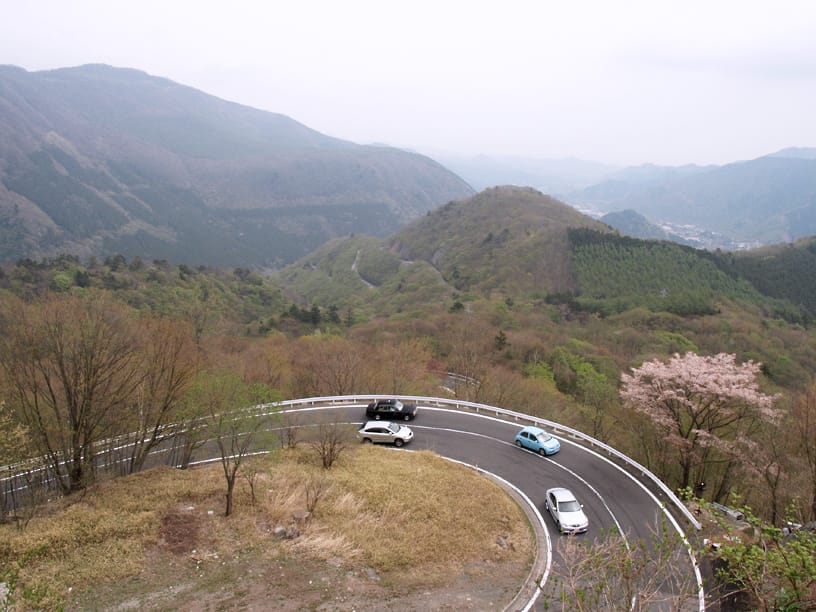
Irohazaka Winding Road – 48 Hairpin Turns Up to Nikkō
Your complete guide to the Irohazaka Winding Road in Tochigi Prefecture — best seasons to visit, how to get there, top photo spots, and a ready-to-use 1–2 day itinerary.
Mar 2, 2026·✍️ olablog·⏱ 5 min read
Your complete guide to the Irohazaka Winding Road in Tochigi Prefecture — best seasons to visit, how to get there, top photo spots, and a ready-to-use 1–2 day itinerary.
Japan has no shortage of jaw-dropping landscapes, but Irohazaka in Tochigi Prefecture sits in a league of its own. This legendary mountain road — 48 consecutive hairpin turns spiraling up toward Nikkō — isn't just a drive. It's a full sensory experience: cedar forests closing in on both sides, mist rolling off volcanic peaks, and the kind of scenery that makes you pull over every five minutes whether you planned to or not.
1. What Makes Irohazaka Special
The drama of Irohazaka is immediate. The moment you leave the lowlands behind, the road begins to coil upward through dense forest, each switchback revealing a new angle on the valley below. Think of it as the Japanese answer to the Going-to-the-Sun Road in Glacier — but with ryokans and onsen waiting at the top.
Light transforms the road throughout the day. Early morning brings a golden haze filtering through the cedar canopy; late afternoon turns the hillsides amber and rose. And the approach itself is part of the adventure — you're not just arriving at a destination, you're earning it, curve by curve.
2. Top Photo Spots You Shouldn't Miss
The Irohazaka area packs in far more than the road itself. Here are the stops worth planning around:
Main observation deck: A sweeping 180-degree panorama over the valley and surrounding mountains. Sunrise and sunset here are legitimately spectacular — set your alarm.
The ancient cedar avenue: Centuries-old trees form a cathedral-like tunnel overhead. In fall the canopy turns copper and gold; in spring it flushes with new green. Either way, your camera roll will thank you.
Lakeside reflections: The still surface of nearby Lake Chūzenji mirrors the mountains so cleanly it's basically a Rorschach test for photographers. Shoot early before the wind picks up.
Summit viewpoint: Climb to the highest accessible point for a full panoramic sweep across Tochigi — on a clear day the view stretches well beyond the treeline.
3. Best Time to Visit
Every season brings something different to Irohazaka, but October (peak fall foliage) and April (cherry blossom season, fresh greenery) are the sweet spots. Here's why:
- Weather is stable and road conditions are at their most reliable
- Seasonal scenery is at its peak — fiery reds in fall, soft pastels in spring
- Natural light is ideal for photography between 6–9 a.m. and 4–6 p.m.
- Crowds are present but manageable — busy enough to feel alive, not so packed you're queuing for every viewpoint
Winter brings a moody, snow-dusted version of the road that's genuinely breathtaking — but the hairpins can ice over, so check road conditions before heading up. Summer is lush and green, though humidity and haze can soften the long views.
4. How to Get Here — and the Best Way to Explore
By car is hands-down the best way to experience Irohazaka. A rental gives you the freedom to stop whenever a view demands it, explore the smaller side roads that buses can't reach, and time your arrivals at each viewpoint around the light rather than a timetable.
Roads throughout the area are well-maintained and clearly signed. Designated rest areas appear at sensible intervals, making it easy to pull over, stretch your legs, and take it all in.
Getting here from Tokyo without a car: take the Tobu Nikkō Line from Asakusa direct to Nikkō Station (around 2 hours; no JR Pass required, but the Tobu Nikkō All Area Pass covers buses onward). From Nikkō Station, local buses run up the Irohazaka route toward Lake Chūzenji — convenient, though you'll be working around fixed departure times.
✨ Pro tip: Book a private car through OlaChill and explore Irohazaka entirely on your own schedule — driver-guided or self-drive options available.
5. Sample 1–2 Day Itinerary
Day 1
- 6:00 a.m. — Arrive at the main observation deck for sunrise over the valley
- 8:00 a.m. — Breakfast at a local restaurant; try yuba (tofu skin), a Nikkō specialty you won't find on many menus back home
- 9:30 a.m. — Drive the full Irohazaka loop, stopping at viewpoints along the way
- 12:00 p.m. — Lunch at a roadside rest area or mountain restaurant
- 2:00 p.m. — Side trips: a traditional village, a waterfall, or the shores of Lake Chūzenji
- 5:00 p.m. — Check in to your ryokan or guesthouse
- 6:30 p.m. — Onsen soak followed by a multi-course kaiseki dinner
Day 2
- 7:00 a.m. — Early breakfast and an early start (beat the tour buses)
- 8:30 a.m. — Tackle a lesser-known side road or an off-the-beaten-path viewpoint
- 11:00 a.m. — Lakeside reflection shots while the water is still calm
- 1:00 p.m. — Lunch and a slow afternoon
- 3:00 p.m. — Head to your next destination or make your way back to Tokyo
6. Practical Tips
- 📷 Golden hour is non-negotiable: The 30 minutes just after sunrise and just before sunset deliver the best light — full stop.
- 🚗 Book your rental early: Peak season in October and April fills up fast. Aim to book at least two weeks ahead.
- ⛽ Fill up before you climb: Gas stations thin out considerably once you're up in the mountains. Don't rely on finding one at the top.
- 📱 Download offline maps: Google Maps offline for the Tochigi area is a genuine lifesaver in the spots where cell service disappears.
- 🍙 Stock up at a convenience store: 7-Eleven and FamilyMart are your best friends on a road trip like this — onigiri, hot coffee, and decent sandwiches at every stop on the way out of town.
- ☁️ Check the forecast: Especially important in winter or during Japan's rainy season (June–July) — mountain weather moves fast.