Hitachi Seaside Park – Where a Blue Ocean of Nemophila Blooms Meets the Sky
Your complete guide to Hitachi Seaside Park in Ibaraki – the best times to visit, how to get there, top photo spots, and everything else you need to plan the perfect trip.
Apr 4, 2026·✍️ olablog·⏱ 6 min read
Your complete guide to Hitachi Seaside Park in Ibaraki – the best times to visit, how to get there, top photo spots, and everything else you need to plan the perfect trip.
Tap a region to browse articles
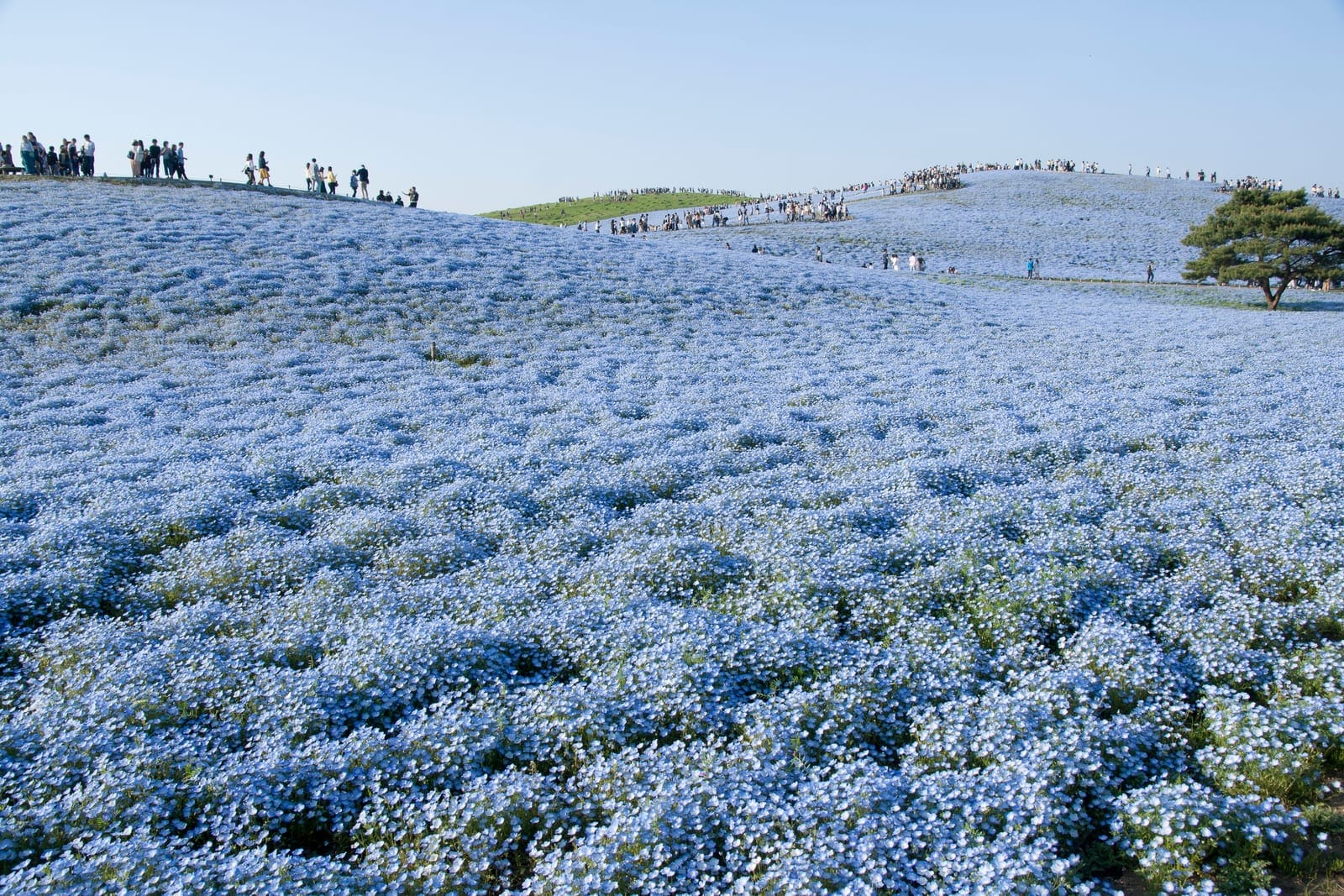
Japan has no shortage of jaw-dropping scenery, but Hitachi Seaside Park in Ibaraki Prefecture is genuinely in a league of its own. This is the kind of place that makes Lonely Planet editors run out of superlatives — a sweeping coastal park where millions of baby-blue nemophila flowers carpet the hillsides every spring, and fiery red kochia shrubs take over every autumn. Coming here isn't just ticking off a destination; it's the sort of experience that lingers long after you've landed back at Heathrow or JFK.
1. What Makes Hitachi Seaside Park So Special
The park stretches across roughly 470 acres of Ibaraki's Pacific coastline, and the landscape shifts dramatically with the seasons — think rolling hills that morph from sky-blue to blazing crimson depending on when you show up. Light changes everything here: the golden hour glow at dawn is completely different from the violet-pink wash of dusk, and neither looks quite like anything you'd find back home.
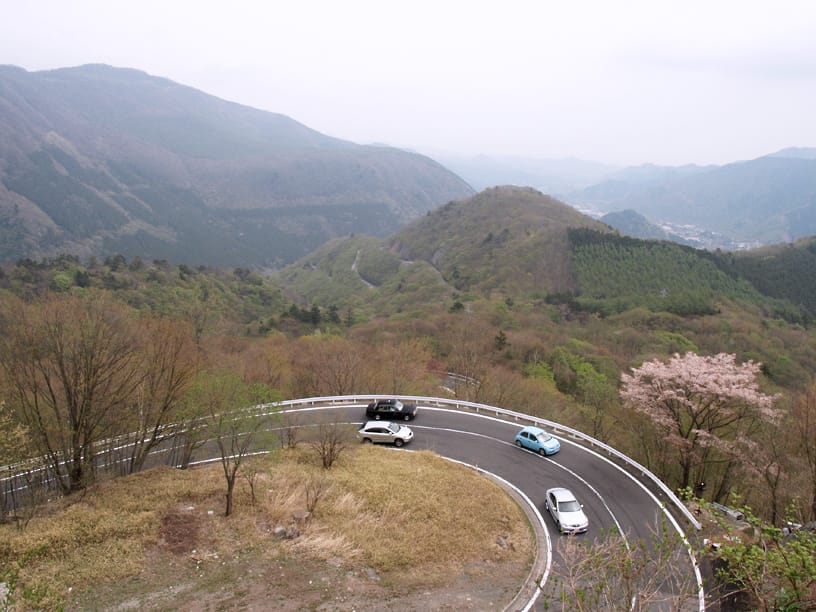
Even the drive to the park is part of the appeal. The roads weave through rice paddies, skirt the coastline, and occasionally climb just high enough to reveal the ocean glittering in the distance. Visitors consistently say the journey feels less like a commute and more like the opening act of a very good road trip.
2. Top Photo Spots You Can't Skip
Ibaraki rewards explorers. Alongside the famous viewpoints there are quieter corners that most tour groups never find. Here's where to point your camera:
The Main Overlook: A sweeping 180-degree panorama over the entire park. Sunrise and sunset here are, without question, the best in the region.
The Old-Growth Tree Tunnel: Century-old trees arch overhead to form a natural green corridor — spectacular in spring blossom season and even better when the leaves turn gold in fall.
The Reflection Pool: A nearby pond or river mirrors the surrounding scenery like a giant natural mirror. Perfect for that symmetrical shot your Instagram followers will refuse to believe isn't edited.
The Summit Viewpoint: Climb to the park's highest point for a full panoramic sweep across Ibaraki's coastline and inland hills.
3. The Best Time to Visit
Every season brings something different, but the sweet spots are April–May (nemophila season) and October (kochia season). Here's why:
- Weather is at its most stable — comfortable for walking and driving without the brutal summer humidity or icy winter chill.
- The seasonal displays are at absolute peak — think "screensaver levels of beautiful."
- Natural light is ideal for photography between 6–9 a.m. and 4–6 p.m.
- Crowds are present but manageable — lively without being shoulder-to-shoulder chaos.
A winter visit will reward you with a serene, near-empty park dusted with frost or snow — stunning, but check road conditions before you go. Spring blossoms and autumn foliage are both genuinely worth rearranging your itinerary for.
4. The Best Way to Explore — Drive It Yourself
Public transport will get you to the park's front gate, but the wider Ibaraki coastal route really opens up when you have your own wheels. A rental car lets you stop spontaneously, linger at the viewpoints that move you, and find those single-track back roads that no bus will ever take you down.
Roads around the park are well-maintained, clearly signed (in romaji as well as Japanese), and dotted with designated rest areas at sensible intervals — making this one of the more stress-free self-drive routes in the Kanto region.
✨ Pro tip: Book a private car through OlaChill and explore Hitachi Seaside Park entirely on your own schedule — with a driver or self-drive, your call.
5. Sample 1–2 Day Itinerary
Day 1
- 6:00 a.m. — Head straight to the Main Overlook to catch sunrise over the park while the light is golden and the crowds haven't arrived yet.
- 8:00 a.m. — Breakfast at a local spot in the area — fresh seafood or a simple Japanese set meal is the right call in Ibaraki.
- 9:30 a.m. — Drive the main scenic loop, pulling over whenever something catches your eye (it will, often).
- 12:00 p.m. — Lunch at a roadside restaurant or a well-stocked rest area. Japan's highway rest stops are genuinely excellent.
- 2:00 p.m. — Side trip to a nearby historic village, waterfall, or lake — the Ibaraki countryside has plenty of options.
- 5:00 p.m. — Check into a local hotel or a traditional ryokan for the night.
- 6:30 p.m. — Soak in the onsen (if your accommodation has one — try to pick one that does) and settle in for a multi-course kaiseki dinner.
Day 2
- 7:00 a.m. — Early breakfast, early start — beat the day-trippers from Tokyo.
- 8:30 a.m. — Explore a secondary route or a lesser-known viewpoint that didn't make the guidebooks.
- 11:00 a.m. — Grab your best reflection shots at the lakeside or river spot.
- 1:00 p.m. — Lunch and a slow afternoon — this is not a place to rush.
- 3:00 p.m. — Head to your next destination or begin the drive back.
6. Practical Tips Before You Go
- 📷 Golden hour is non-negotiable: The 30 minutes before and after sunrise/sunset deliver the kind of light that makes amateur photos look professional. Set your alarm.
- 🚗 Book your rental car early: During peak seasons (April–May and October), cars sell out fast — reserve at least one to two weeks ahead.
- ⛽ Fill up before you head out: Gas stations thin out in rural Ibaraki. Top off the tank whenever you see one.
- 📱 Download offline maps: Save Google Maps offline for the Ibaraki region before you leave your hotel — cell signal is patchy in the countryside.
- 🍙 Stock up at a convenience store: 7-Eleven and FamilyMart are your best friends on a road trip — reliable food, good coffee, and they're everywhere along the main routes.
- ☁️ Check the weather forecast: Especially critical in winter or during the rainy season (June). A cloudy day at the park is still beautiful; a typhoon is not.