Halal Food in Tokyo
Your comprehensive 2026 guide to Halal and Muslim-friendly dining in Tokyo. Discover certified restaurants, ramen, buffets, and tips for visitors from India & Bangladesh.
Jul 10, 2026·✍️ olablog·⏱ 23 min read
Your comprehensive 2026 guide to Halal and Muslim-friendly dining in Tokyo. Discover certified restaurants, ramen, buffets, and tips for visitors from India & Bangladesh.
Tap a region to browse articles
Navigating a new country’s food scene can be a delightful adventure, but for many travellers from India and Bangladesh, the search for Halal food in Japan often comes with a unique set of anxieties. Tokyo, a city renowned for its culinary innovation, has made significant strides in recent years to welcome Muslim visitors. You'll find a growing number of establishments, from humble ramen stalls to elegant buffets, offering Halal-certified or Muslim-friendly options, with typical lunch sets starting around ¥1,200 (approx. ₹670). This guide will help you confidently explore Tokyo's diverse Halal dining landscape in 2026, ensuring your trip is as delicious as it is memorable.
Understanding Halal in Japan: Certified vs. Muslim-Friendly
Before diving into specific recommendations, it’s crucial to understand the nuances of "Halal" labelling in Japan. Unlike some countries with a centralized Halal certification body, Japan's approach is more varied, leading to two primary categories: Halal-certified and Muslim-friendly. Grasping this distinction will empower you to make informed dining choices throughout your trip.
Halal-Certified Establishments are those that have undergone a rigorous auditing process by a recognized Halal certification body in Japan, such as the Japan Halal Foundation or the Japan Islamic Trust. These establishments adhere strictly to Islamic dietary laws, ensuring that all ingredients, preparation methods, and even kitchen utensils comply with Halal standards. This typically means no pork, no alcohol (in food or cooking), and meat sourced from animals slaughtered according to Islamic rites. For travellers seeking absolute certainty, these venues offer the highest level of assurance. When you see a "Halal Certified" logo prominently displayed, you can dine with complete peace of mind. This often includes dedicated prayer spaces (musalla) and Halal-only menus. The number of such certified restaurants has steadily grown, particularly in major tourist hubs like Tokyo.
Muslim-Friendly Establishments, on the other hand, are restaurants that may not hold official Halal certification but make a conscious effort to cater to Muslim diners. This can manifest in several ways:
- No Pork/No Alcohol: Many Japanese restaurants, especially those serving traditional dishes like tempura or sushi, might naturally avoid pork. They might also offer menus where alcohol is not used in cooking, or provide clearly marked dishes that are free from these ingredients.
- Separate Utensils/Cooking Areas: Some restaurants go the extra mile to use separate cooking utensils, cutting boards, and even dedicated fryers for their Muslim-friendly menu items to prevent cross-contamination. This is common in establishments offering specific "Halal menus" alongside their regular offerings.
- Ingredient Disclosure: They might provide detailed ingredient lists or be willing to answer questions about the components of their dishes, allowing you to ascertain their suitability.
- Vegetarian Options: For many Indian and Bangladeshi travellers, vegetarianism often overlaps with Halal dietary needs. While not strictly Halal, many Muslim-friendly restaurants offer robust vegetarian options that are free from meat and alcohol, providing a safe and delicious alternative. Always confirm if vegetarian dishes use animal-derived broths (like dashi made from fish) or Mirin (cooking sake).
The key difference lies in the level of guarantee. Halal-certified provides a 100% assurance, while Muslim-friendly requires a bit more vigilance on the diner's part – often involving asking staff specific questions (e.g., "Buta niku wa arimasen ka?" - Is there no pork? or "Alcohol wa tsukatte imasen ka?" - Is alcohol not used?). OlaChill recommends looking for explicit signage or menu notations indicating "Halal" or "Muslim-Friendly." When in doubt, it’s always best to ask the staff directly or opt for a certified establishment. For many from India and Bangladesh, where a "pure vegetarian" meal is a familiar concept, looking for dishes explicitly marked as such (and confirming no animal-derived ingredients like gelatin or fish broth) can often be a reliable strategy, especially in Muslim-friendly settings.
Halal Ramen: Navigating Tokyo's Noodle Scene
The quintessential Japanese culinary experience for many is a steaming bowl of ramen. For Muslim travellers, finding an authentic Halal ramen can feel like a quest. Thankfully, Tokyo now boasts several excellent options, particularly concentrated in popular areas like Shinjuku and Asakusa. These aren't just token offerings; they serve up genuinely delicious, rich broths and springy noodles that stand shoulder-to-shoulder with their non-Halal counterparts.
Shinjuku, a bustling hub known for its skyscrapers, shopping, and entertainment, is home to one of Tokyo's most famous Halal ramen spots: Shinjuku Gyoen Ramen Ouka. Located a short walk from Shinjuku Gyoenmae Station, Ouka is celebrated for its unique sea bream dashi broth, which is entirely chicken and pork-free. Their signature dish, the "Special Halal Ramen," often comes with succulent chicken chashu, a soft-boiled egg, and various toppings. A bowl typically costs around ¥1,500 (approx. ₹840). They also offer vegan options, making it a versatile choice. The restaurant is small and often has a queue, especially during peak lunch hours, so arrive early or be prepared for a short wait. They are fully Halal-certified, offering a serene dining experience with prayer space available upon request.
Moving east, the historic district of Asakusa, famed for Senso-ji Temple and the Nakamise-dori market, also offers a fantastic Halal ramen experience at Naritaya Asakusa. This establishment is a beacon for Muslim travellers, serving a rich, flavourful soy-sauce-based ramen (shoyu ramen) with a chicken and seafood broth. Their menu is entirely Halal, and they even offer a dedicated prayer space. A standard bowl of ramen here costs around ¥1,000 to ¥1,300 (approx. ₹560-₹730), making it a very accessible option. Naritaya is just a few minutes' walk from Asakusa Station, making it incredibly convenient for those exploring the area. They also have a small shop where you can buy instant Halal ramen to take home as souvenirs. Naritaya is known for its clear communication regarding Halal status and provides excellent service.
Another notable mention in the wider Tokyo area, though not strictly Shinjuku or Asakusa, is Menya Kai (various locations, check their official website for the latest 2026 information, as locations can change). While not exclusively Halal, some branches are known to offer specific "Halal menu" options, particularly a chicken-based broth ramen. It's essential to verify their current Halal status and specific menu offerings by checking their website or calling ahead, as their Muslim-friendly provisions can vary by branch. This highlights the importance of checking official sources or making direct inquiries for Muslim-friendly establishments.
Tips for Halal Ramen Enthusiasts:
- Look for Signage: Halal-certified ramen shops will prominently display their certification. Muslim-friendly ones will often have specific "Halal menu" signs.
- Verify Broth Base: Japanese ramen broths can be complex. Always confirm if the broth is chicken or seafood-based and explicitly state "no pork" and "no alcohol."
- Toppings Matter: Ensure toppings like chashu (braised meat) are chicken or beef, not pork. Most Halal ramen shops will clearly indicate this.
- Spice Level: If you enjoy a bit of heat, some Halal ramen shops offer spicy versions, catering to palates familiar with Indian and Bangladeshi cuisine. Don't hesitate to ask!
Dining at a Halal ramen shop is more than just a meal; it's an immersion into Japanese culinary culture without compromising your dietary principles. The rich, umami-laden broths, the perfectly cooked noodles, and the satisfying toppings create a truly memorable experience.
The Ueno-Okachimachi Halal Hub: A Culinary Cluster
Just a few stops north of Tokyo Station, the areas of Ueno and Okachimachi have emerged as a vibrant nexus for Halal and Muslim-friendly dining. This district, reminiscent of some bustling markets in Delhi or Dhaka, is particularly popular due to its diverse international community and proximity to Ueno Park and Ameyoko Market. Here, the "kebab economics" thrive, alongside a wealth of South Asian, Middle Eastern, and Indonesian eateries, offering an incredible variety of affordable and authentic Halal options.
The Ueno-Okachimachi cluster is characterized by its density of Halal-certified and Muslim-friendly restaurants, often run by immigrant communities who understand the specific needs of Muslim diners. This makes it a comfortable and reliable area for those seeking Halal food. You'll find everything from quick-service kebab stalls to sit-down family restaurants.
Kebab Economics: Kebabs are a universal comfort food, and in Ueno-Okachimachi, they are king. Numerous small eateries and street-side stalls offer delicious chicken and beef kebabs, often served in pita bread or with rice. These are not only flavourful but also incredibly budget-friendly, making them a perfect grab-and-go option for lunch or a quick dinner. A typical kebab sandwich might cost around ¥600-¥800 (approx. ₹335-₹450), while a plate with rice could be ¥900-¥1,200 (approx. ₹500-₹670). This affordability, combined with their easily verifiable Halal status (most kebab shops proudly display "Halal" signs), makes them a popular choice for budget-conscious travellers. Examples include various small kebab shops along Ameyoko Market and around Okachimachi Station.
Beyond kebabs, the area is a treasure trove of diverse Halal cuisines:
- Siddique Yotsuya (Okachimachi Branch): While their main branch is in Yotsuya, this area often features sister restaurants or similar Indian/Pakistani establishments. Siddique is a well-regarded Halal-certified Indian/Pakistani restaurant chain known for its extensive menu of curries, tandoori dishes, biryanis, and fresh naan. A full meal with a curry, rice, and naan can range from ¥1,500 to ¥2,500 (approx. ₹840-₹1,400). Their buffets are particularly popular for offering a wide selection at a fixed price, typically around ¥1,800-¥2,200 (approx. ₹1,000-₹1,230) for lunch. This is an excellent option for those craving familiar flavours.
- Pamir Restaurant: Offering delicious Uyghur cuisine, Pamir is another gem in the Ueno area. Uyghur food shares similarities with Central Asian and some North Indian dishes, featuring hand-pulled noodles, lamb skewers, and flavourful rice dishes. It's a fantastic experience for those looking to try something unique yet reassuringly Halal. Expect prices similar to Indian restaurants.
- Sarai Turkish Restaurant: For a taste of Turkish hospitality and cuisine, Sarai offers a Halal menu with delicious grilled meats, mezzes, and traditional Turkish stews. It's a great spot for a more relaxed dining experience. Main courses typically range from ¥1,800-¥3,000 (approx. ₹1,000-₹1,680).
- Warung Jawa Mina: A favourite for Indonesian food, this restaurant provides authentic flavours with a clearly marked Halal menu. Indonesian cuisine, with its rich spices and vibrant dishes like Nasi Goreng and Rendang, is a delightful change of pace. Expect prices around ¥1,200-¥1,800 (approx. ₹670-₹1,000) per dish.
Navigating the Cluster: The best way to explore this area is on foot. From Okachimachi Station, simply walk towards Ameyoko Market and venture into the side streets. Many smaller Halal eateries are nestled among the shops. You'll often spot "Halal" signs in English, Japanese, and sometimes even Arabic. This area is also fantastic for finding Halal groceries, with several small shops selling South Asian and Middle Eastern spices, lentils, and frozen Halal meats. This can be a boon for longer stays or for preparing simple meals if your accommodation has kitchen facilities.
For Indian and Bangladeshi visitors, the Ueno-Okachimachi area feels like a comforting culinary haven, offering a blend of familiar tastes and exciting new flavours, all within the assurance of Halal standards.
Beyond Ramen and Kebabs: Exploring Diverse Halal Cuisines
While ramen and kebabs are excellent entry points, Tokyo's Halal dining scene extends far beyond these popular choices, offering a truly global culinary journey. From traditional Japanese Washoku to vibrant South Asian buffets and Middle Eastern delights, there's an incredible variety awaiting the Halal-conscious traveller. This diversity ensures that even on a longer trip, your palate will never grow bored.
Japanese Washoku (Traditional Cuisine): Finding genuinely Halal-certified traditional Japanese food can be challenging, as many dishes use mirin (cooking sake) or dashi (fish broth). However, several dedicated establishments have risen to the occasion:
- Asakusa Sushi Ken: Located in the heart of Asakusa, Sushi Ken is one of the pioneering Halal-certified sushi restaurants in Tokyo. They meticulously source Halal-certified seafood and ensure no alcohol is used in their preparation. You can enjoy classic nigiri, maki, and sashimi with confidence. A sushi set typically costs ¥2,500-¥4,000 (approx. ₹1,400-₹2,240), varying based on the selection. This is a must-visit for anyone wishing to experience authentic Japanese sushi.
- Origami Asakusa: Offering a range of Japanese dishes, Origami Asakusa often has Halal-friendly options for tempura, udon, and donburi (rice bowls). They are known for clearly labelling their ingredients and being accommodating to dietary needs. It's advisable to confirm their current Halal-friendly menu upon arrival. A typical meal might cost ¥1,500-¥2,500 (approx. ₹840-₹1,400).
- The Tokyo Mosque & Japanese Culture Centre Canteen (Hala Cafe): While primarily a place of worship, the Tokyo Camii often hosts a small cafe offering simple, home-style Turkish and sometimes Japanese dishes, all strictly Halal. It's a wonderful place for a peaceful meal and to connect with the local Muslim community. Prices are very reasonable, often around ¥800-¥1,200 (approx. ₹450-₹670) for a set meal.
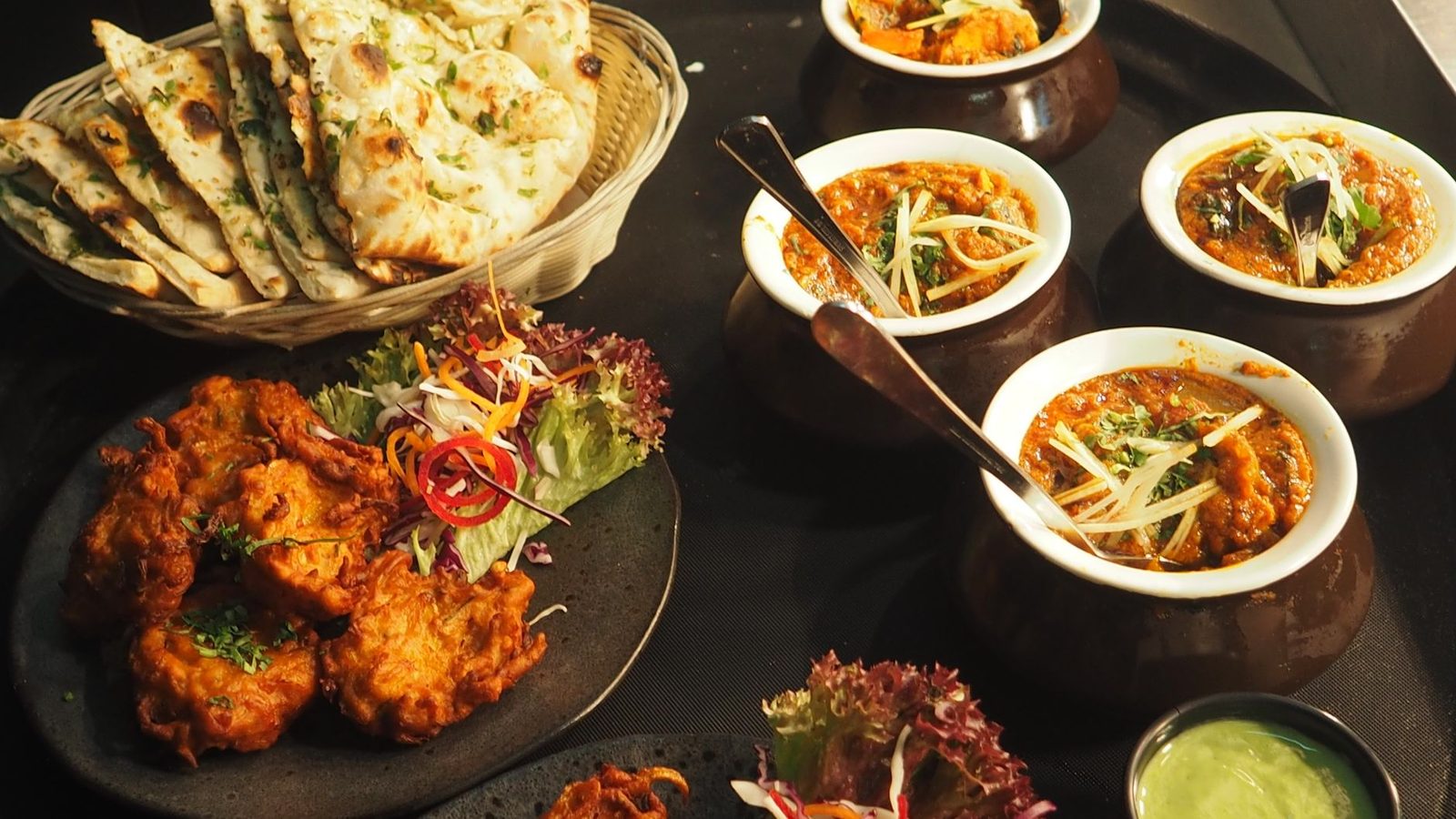
Indian and Bangladeshi Restaurants: Tokyo has a thriving South Asian community, leading to numerous Indian and Bangladeshi restaurants, many of which are Halal-certified or Muslim-friendly. These offer a comforting taste of home:
- Mumbai Indian Restaurant (various locations): With several branches across Tokyo, Mumbai is a reliable choice for Halal Indian cuisine. They offer a wide range of curries, biryanis, tandoori items, and thalis. Their lunch buffets are particularly popular, offering excellent value at around ¥1,200-¥1,800 (approx. ₹670-₹1,000). The buffet is a great way to sample various dishes without breaking the bank.
- Ganapati (various locations): Known for its authentic South Indian and North Indian dishes, Ganapati is another excellent option. Many of their branches are Halal-certified or clearly mark Halal options. Their dosas, idlis, and rich curries are highly recommended. Expect prices similar to Mumbai.
- Delhi Dining (Ueno/Akihabara): A popular spot for Indian and Bangladeshi cuisine, Delhi Dining offers a warm atmosphere and a comprehensive Halal menu. Their butter chicken, lamb rogan josh, and various vegetarian options are crowd-pleasers. Prices are moderate, with main dishes typically ¥1,500-¥2,500 (approx. ₹840-₹1,400).
Middle Eastern and Indonesian Cuisine: These cuisines offer rich flavours and are naturally more aligned with Halal principles:
- Turkish Restaurants (e.g., Kebab Cafe, Turkish Restaurant Anatolia): Beyond Sarai in Ueno, Tokyo has numerous Turkish restaurants offering delicious Halal options like doner kebabs, grilled kofta, borek, and baklava. These are excellent for a fulfilling and familiar meal. Prices vary but are generally affordable.
- Indonesian Restaurants (e.g., Cabe Meguro, Sari Ratu): Indonesian food is a fantastic choice for Halal dining. Dishes like Nasi Goreng, Rendang, Satay, and Gado-Gado are flavorful and typically prepared with Halal ingredients. Many Indonesian restaurants in Tokyo are owned and operated by Muslim individuals, providing inherent Halal assurance. Expect main dishes around ¥1,200-¥2,000 (approx. ₹670-₹1,120).
Buffets for Variety and Value: Buffets are a godsend for travellers who want variety or are feeding a group, especially with varying dietary preferences.
- InterContinental Tokyo Bay's Chef's Live Kitchen: While not exclusively Halal, this high-end buffet often features a dedicated "Muslim-friendly corner" with carefully prepared dishes, usually labelled, that are free from pork and alcohol. It's a luxurious experience with stunning bay views. Always confirm their Muslim-friendly options when booking. Expect prices upwards of ¥5,000 (approx. ₹2,800) for lunch, significantly more for dinner, but it’s an experience.
- Many Indian/Pakistani Restaurants: As mentioned, places like Mumbai and Siddique often have excellent lunch buffets that are fully Halal-certified and offer incredible value, allowing you to sample a wide array of dishes for a fixed price.
Exploring these diverse options will not only satisfy your hunger but also enrich your understanding of Tokyo's global culinary landscape, proving that delicious Halal food is readily available across the city. Remember to always check the latest information on specific restaurant websites or call ahead, especially for larger groups or if you have very specific dietary needs.
Station Bento and Convenience Stores: Halal-Friendly Options On-the-Go
For those days when you're rushing between sights or embarking on a Shinkansen journey, relying on station bentos (lunch boxes) and convenience stores (konbini) becomes essential. While finding explicitly Halal-certified options here can be a challenge, understanding what to look for and what to avoid can significantly ease the food anxiety for travellers from India and Bangladesh. It's about making smart, informed choices rather than giving up on convenient meals.
Station Bento (Ekiben): Ekiben, or "station bentos," are a beloved part of Japanese travel culture, offering beautifully packaged meals perfect for train journeys. While most traditional ekiben are not Halal-certified due to the use of soy sauce (which often contains alcohol or mirin) or various meat products, there are strategies to find suitable options:
- Vegetarian Bentos: Look for bentos explicitly labelled "Vegetarian" or "Yasai Bento" (vegetable bento). These often contain rice, various cooked vegetables, pickles, and sometimes eggs. However, always be cautious about the dashi (broth) used in cooked vegetables, as it often contains fish. If the ingredients list is available (often in Japanese, so a translation app can be handy), look for "katsuobushi" (bonito flakes) or "sakana" (fish).
- Onigiri (Rice Balls): These are a konbini staple, but also found at stations. Plain onigiri (shio musubi) or those filled with umeboshi (pickled plum) or kombu (seaweed) are usually safe. Avoid fillings like salmon (sake), tuna mayo, or chicken, as their preparation often involves non-Halal ingredients.
- Inarizushi (Sushi Rice in Fried Tofu Pockets): These sweet, savoury tofu pockets filled with sushi rice are often a safe vegetarian bet. Confirm they don't contain any fish flakes or mirin if possible, but they are generally less likely to have hidden non-Halal ingredients than other sushi types.
- Fruit and Salad Boxes: Most stations will have kiosks selling fresh fruit cups and simple salad boxes. These are excellent, safe choices.
- Check Major Stations: Larger stations like Tokyo Station, Shinjuku Station, and Ueno Station might occasionally feature pop-up stores or specific kiosks that cater to diverse dietary needs, sometimes including Muslim-friendly options. It’s worth a quick look, but don’t rely solely on this.
Convenience Stores (Konbini): Lawson, FamilyMart, and 7-Eleven are ubiquitous in Japan, offering an incredible array of food and drinks. While certified Halal options are rare, careful selection can yield satisfactory results:
- Packaged Rice and Noodles: Many plain rice packs (gohan) and some instant noodles (check for "no meat/no seafood" labels and ingredient lists) can be suitable. Look for "cup ramen" that explicitly states "vegetable" or "seafood free." Always check for pork derivatives like gelatin in the ingredients.
- Bread and Baked Goods: While many Japanese baked goods contain milk and eggs, some simple breads (like plain shokupan or rolls) might be suitable. Be wary of pastries with fillings, as they often contain unknown ingredients or alcohol.
- Snacks: Senbei (rice crackers, check for non-Halal seasonings), nuts, and many fruit-based snacks are generally safe. Avoid potato chips or other savoury snacks that might use pork-derived flavour enhancers.
- Drinks: Water, juice, tea, and coffee are always safe.
- Fresh Fruit: A consistently reliable and healthy option.
- Salads: Plain salads are usually fine, but be extremely cautious with dressings, which often contain non-Halal ingredients or alcohol. It's safer to buy a separate small bottle of olive oil or bring your own dressing.
- Microwavable Meals: Some convenience stores have started offering "Muslim-friendly" microwavable meals, usually featuring chicken or vegetable curries with rice. These are often labelled in English. These are not always Halal-certified but are prepared to avoid pork and alcohol. Always check the packaging carefully for such labels and ingredient lists. These are becoming more common in areas with higher tourist traffic.
Practical Tips for Konbini/Ekiben:
- Learn Key Japanese Phrases: "Buta niku wa arimasen ka?" (Is there no pork?), "Alcohol wa arimasen ka?" (Is there no alcohol?), "Vegetarian desu ka?" (Is this vegetarian?).
- Use a Translation App: Google Lens or similar apps can instantly translate Japanese ingredient lists on packaging. This is invaluable.
- Focus on Processed Foods with Clear Labels: Highly processed items like plain rice or specific snack brands might have clearer ingredient disclosures than freshly prepared items.
- Carry Backup Snacks: Always have some energy bars, nuts, or dried fruit from India/Bangladesh as a backup, especially during long travel days.
- Don't Be Afraid to Ask: While language can be a barrier, most Japanese staff are incredibly polite and will try to assist you, even if it means using a translation app themselves.
While not as straightforward as dining in a Halal-certified restaurant, navigating station bentos and convenience stores with a bit of knowledge and caution can provide perfectly acceptable and convenient meal solutions during your Tokyo adventures.
Budgeting for Halal Meals in Tokyo: What to Expect
Understanding the cost of food is crucial for any traveller, especially for those from India and Bangladesh where value for money is often a key consideration. Tokyo, while perceived as expensive, offers a wide spectrum of dining options, and Halal food is no exception. With some strategic planning, you can enjoy delicious Halal meals without breaking your budget.
Here’s a general breakdown of what to expect for Halal meals in Tokyo, with conversions to Indian Rupees (₹) using an approximate rate of ~₹0.56 per ¥1 as of 2026. For Bangladeshi Taka (BDT), a rough conversion would be ~BDT 0.88 per ¥1, but we'll primarily use INR for consistency, mentioning BDT where natural.
1. Budget-Friendly Options (¥500 - ¥1,200 / approx. ₹280 - ₹670):
- Convenience Store Meals: As discussed, instant noodles (carefully chosen), onigiri, bread, fruit, and some microwavable Muslim-friendly meals fall into this category. Expect to pay ¥300-¥800 (₹170-₹450) per item.
- Kebab Stalls: Especially prevalent in areas like Ueno-Okachimachi. A satisfying kebab sandwich or wrap will typically cost ¥600-¥900 (₹335-₹500). A kebab plate with rice might go up to ¥1,200 (₹670). These are excellent value for a quick, filling Halal meal.
- Simple Ramen/Udon: Some smaller, less ornate Halal ramen shops might offer basic bowls for around ¥1,000-¥1,200 (₹560-₹670).
- Supermarket Delis: For longer stays, buying ingredients from supermarkets and preparing simple meals can save a lot. Pre-made salads or cooked dishes (verify ingredients) can be found for ¥400-¥800 (₹225-₹450).
2. Mid-Range Dining (¥1,200 - ¥2,500 / approx. ₹670 - ₹1,400):
- Most Halal Ramen Shops: A specialty bowl at places like Shinjuku Gyoen Ramen Ouka or Naritaya Asakusa will typically be in the ¥1,200-¥1,800 (₹670-₹1,000) range.
- Indian/Pakistani Restaurant Lunch Sets/Buffets: Many Indian and Pakistani restaurants offer fantastic lunch sets or buffets that are extremely popular for their value. Expect to pay ¥1,200-¥1,800 (₹670-₹1,000) for a comprehensive meal. This is often one of the best ways to get a hearty, Halal meal at a reasonable price.
- Casual Sit-Down Restaurants: Many Muslim-friendly South Asian, Middle Eastern, or Indonesian restaurants will have main dishes in this price bracket. For example, a Nasi Goreng or a chicken curry with rice might cost ¥1,200-¥1,800 (₹670-₹1,000).
- Dedicated Halal Burger Joints: Some Halal burger places offer combo meals for around ¥1,500-¥2,000 (₹840-₹1,120).
3. Higher-End/Special Occasion Dining (¥2,500+ / approx. ₹1,400+):
- Halal Sushi Restaurants: Asakusa Sushi Ken, for example, will have sets starting from ¥2,500 (₹1,400) and going up to ¥4,000 (₹2,240) or more for premium selections.
- Hotel Buffets with Muslim-Friendly Options: Upscale hotel buffets, such as the one at InterContinental Tokyo Bay, will be considerably more expensive, often starting from ¥5,000 (₹2,800) for lunch and higher for dinner. These are for special experiences.
- Fine Dining Halal Restaurants: While fewer in number, some establishments cater to a more refined Halal dining experience, with multi-course meals easily reaching ¥5,000-¥10,000+ (₹2,800-₹5,600+).
Sample Daily Food Budget (for one person):
- Breakfast (Konbini/Bakery): ¥500 (₹280) - Onigiri, milk/juice, fruit.
- Lunch (Halal Ramen/Indian Lunch Set): ¥1,500 (₹840) - Satisfying meal.
- Dinner (Kebab/Casual Halal Restaurant): ¥1,200 (₹670) - Another good meal.
- Snacks/Drinks: ¥500 (₹280) - Water, a treat.
- Total Daily Estimate: Approximately ¥3,700 (₹2,070).
This is a comfortable budget that allows for diverse Halal meals. You can easily reduce this by relying more on konbini and kebab stalls, bringing your own snacks, or choosing free hotel breakfasts. Conversely, if you plan on dining at higher-end places frequently, your budget will need to increase significantly. For Bangladeshi visitors, converting these amounts to BDT will show similar relative costs, emphasizing the importance of budgeting.
Tips for Saving Money on Food:
- Utilize Lunch Specials: Lunch menus (often available until 2-3 PM) are almost always significantly cheaper than dinner menus for the same quality of food.
- Look for Buffets: Indian/Pakistani buffets offer fantastic value for a hearty, all-you-can-eat Halal meal.
- Hydrate Smart: Buy large bottles of water from supermarkets or konbini instead of vending machines, which are pricier. Carry a reusable water bottle.
- Pack Snacks: Bring some non-perishable snacks from home (e.g., biscuits, namkeen, energy bars) to curb hunger between meals and save money.
- Consider Cooking: If your accommodation has kitchen facilities, buying Halal groceries from specialized stores in areas like Ueno-Okachimachi and cooking some meals can lead to substantial savings.
By being mindful of these price points and employing smart strategies, you can enjoy Tokyo's incredible Halal culinary scene without overspending, ensuring a satisfying and budget-friendly trip.
Booking and Etiquette: Making Your Dining Experience Smooth
Dining in Japan is an experience rich in tradition and courtesy. To ensure your Halal food journey in Tokyo is as smooth and enjoyable as possible, understanding some basic booking practices and dining etiquette, particularly for first-time visitors from India and Bangladesh, will be immensely helpful.
1. Reservations are Recommended, Especially for Popular Spots: While many smaller ramen shops and kebab stalls operate on a walk-in basis, for popular Halal restaurants, especially during peak dinner hours or weekends, making a reservation is highly recommended. This is particularly true for:
- Halal Sushi Restaurants: Places like Asakusa Sushi Ken often have limited seating and high demand.
- Mid-to-High-End Restaurants: Any sit-down restaurant, including many Indian/Pakistani places, for dinner.
- Buffets: Especially hotel buffets or popular weekend lunch buffets.
How to Book:
- Online Booking: Many restaurants have English versions of their websites with online reservation systems. This is the easiest method. Look for a "Reserve" or "Booking" button.
- Third-Party Booking Sites: Websites like TableCheck, Hot Pepper Gourmet, or OpenTable (though less common for specific Halal spots) might list some restaurants.
- Hotel Concierge: If you're staying at a hotel, your concierge can be an invaluable resource for making reservations in Japanese, especially if you face a language barrier.
- Direct Call: If online booking isn't available, calling directly is an option. Have your desired date, time, number of people, and any specific dietary requests (e.g., "Halal food, please" or "Muslim-friendly menu") ready. Use a translation app if necessary.
2. Communicating Dietary Needs (The "Halal Anxiety" Solution): For many from India and Bangladesh, the anxiety about explaining Halal dietary needs can be significant. Japanese hospitality (omotenashi) means staff genuinely want to help, but the language barrier can make it hard to explain exactly what you can and cannot eat. Keep your questions short and specific, using the phrases from earlier in this guide ("Buta niku wa arimasen ka?" – Is there no pork? and "Alcohol wa tsukatte imasen ka?" – Is alcohol not used?), or show them on a translation app. Look for explicit "Halal" or "Muslim-Friendly" signage or menu notations, and when in doubt, choose a Halal-certified restaurant.
With a little preparation, from understanding the difference between Halal-certified and Muslim-friendly venues to booking popular restaurants in advance, you can explore Tokyo's growing Halal food scene with confidence.