
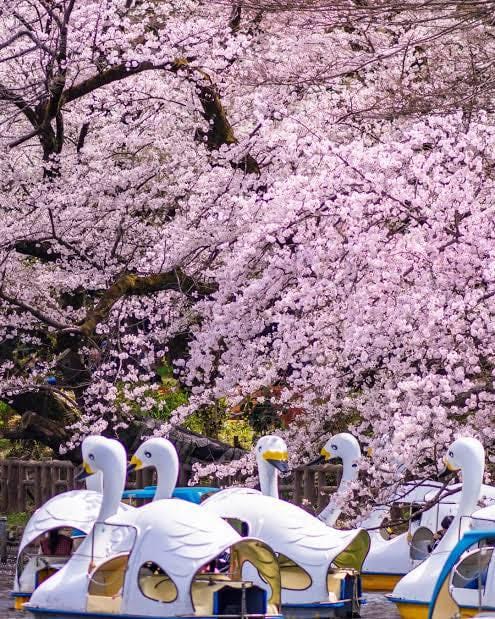
Bollywood Nights and Diwali in Tokyo
Discover Tokyo's vibrant Indian community, from Nishi-Kasai's culinary delights to festive celebrations like Diwali and Holi. Practical tips for Indian and Bangladeshi travelers.
Jul 10, 2026·✍️ olablog·⏱ 18 min read
Discover Tokyo's vibrant Indian community, from Nishi-Kasai's culinary delights to festive celebrations like Diwali and Holi. Practical tips for Indian and Bangladeshi travelers.
Tap a region to browse articles
For many travelers from India and Bangladesh, a trip to Japan promises ancient temples and futuristic cityscapes. Yet, beyond the iconic sights, lies a thriving Indian community, especially in Tokyo, offering a comforting slice of home. This article explores how to connect with this diaspora, experience familiar festivals like Diwali and Holi, and navigate Japan with ease, including finding delicious vegetarian and halal food options.
Discovering Tokyo's Indian Heartbeat: Nishi-Kasai
Nestled in Tokyo's Edogawa Ward, Nishi-Kasai has earned its reputation as "Little India." This residential district, easily accessible via the Tokyo Metro Tozai Line, became a magnet for Indian professionals and their families starting in the late 1990s. The area's proximity to international schools and its relatively affordable housing compared to central Tokyo fostered a unique cultural enclave. As you step out of Nishi-Kasai Station, you'll immediately notice the subtle but distinct Indian presence, from grocery stores stocking familiar spices to restaurants wafting aromas of home-cooked curries.
The concentration of Indian families here means that finding community events, authentic regional cuisine, and even Hindi or Bengali speakers is far more common than in other parts of the city. For first-time visitors from India or Bangladesh, Nishi-Kasai offers a gentle landing, a place where the cultural shift feels less abrupt. It’s not just a residential area; it’s a living, breathing testament to the diaspora’s resilience and ability to create a vibrant community far from home. Exploring Nishi-Kasai provides a unique lens into modern Japan's multicultural fabric, a perspective often missed by conventional tourist itineraries.
Walking through Nishi-Kasai, you'll encounter several Indian grocery stores, such as Darshana, Swagat, or Ambika, which are indispensable for the local community. These stores stock everything from specific lentils and rice varieties to fresh curry leaves, Indian sweets, and Bollywood DVDs. For a traveler, these shops can be a godsend, not just for familiar snacks but also for a glimpse into the daily lives of Indian residents. Prices for some items might be higher than back home due to import costs, for instance, a bag of basmati rice might cost around ¥1,500 (approx. ₹840) compared to domestic prices. It's a small price to pay for a taste of home, particularly if you are planning an extended stay or prefer to cook some of your own meals in self-catering accommodation.
Savoring Home Away From Home: Indian and Halal Cuisine in Japan
Food anxiety is a genuine concern for many Indian and Bangladeshi travelers, especially regarding vegetarian and halal options. Japan's traditional cuisine, while exquisite, heavily features seafood and pork, making it challenging to navigate without specific guidance. Fortunately, Tokyo, and Nishi-Kasai in particular, offers a burgeoning scene of Indian and halal-friendly restaurants that can ease these worries.
In Nishi-Kasai, several establishments cater specifically to the Indian palate. Restaurants like Delhi Dining and Spice Magic are popular choices, offering extensive menus with a wide range of vegetarian curries, biryanis, and tandoori breads. Expect to find staples like dal makhani, paneer butter masala, and various vegetable koftas. A typical set lunch at one of these restaurants might cost around ¥1,000 to ¥1,500 (approx. ₹560 to ₹840), while dinner à la carte could range from ¥2,000 to ¥3,500 (approx. ₹1,120 to ₹1,960) per person, depending on your order. Many of these restaurants clearly mark vegetarian items on their menus, and staff are generally accustomed to dietary inquiries.
Beyond Nishi-Kasai, various parts of Tokyo also host excellent Indian restaurants. Ueno, Shinjuku, and Ginza areas have well-regarded spots like Nirvana New York or Moti. For halal options, many Indian and Pakistani restaurants explicitly state "Halal" on their signage. Additionally, Japanese-style curry restaurants are increasingly offering vegetarian and halal options. Look for chains like CoCo Ichibanya, which often allow customization to exclude meat or choose specific vegetarian bases. It's always advisable to confirm with staff by saying "niku nashi" (no meat) for vegetarian or "hararu" for halal. Apps like HappyCow can also be invaluable resources for locating vegetarian and vegan-friendly establishments across Japan.
For Bangladeshi travelers, while specific Bangladeshi restaurants are less common than Indian ones, many Indian restaurants offer dishes that resonate with the Bangladeshi palate, particularly if they feature Bengali or North Indian cuisine. Look for fish curries or vegetable preparations that align with familiar tastes. Regarding halal food, the Muslim community in Japan is growing, and more restaurants are gaining halal certification. In major cities, you can also find Turkish, Indonesian, and Malaysian halal restaurants, providing diverse culinary choices. Don't hesitate to ask; Japanese hospitality often means staff will go out of their way to accommodate dietary needs.
Celebrating Together: Diwali, Holi, and Beyond
Experiencing Indian festivals in Japan is a unique way to connect with the diaspora and witness cultural fusion. Diwali, the Festival of Lights, and Holi, the Festival of Colors, are the two most prominent celebrations organized by the Indian community in Japan. These events are not just for residents but often welcome travelers, offering a heartwarming sense of belonging amidst your Japanese adventure.
Diwali celebrations, typically held in late October or early November, are grand affairs in Tokyo. Major Indian associations, such as the Indian Chamber of Commerce in Japan (ICCJ) or various regional cultural groups, host large-scale events. These often include cultural performances, traditional music, Bollywood dance routines, delicious Indian food stalls, and sometimes even fireworks displays. Venues vary each year but frequently include large community halls, convention centers, or even outdoor parks. In previous years, events have been held at places like the Edogawa Ward Cultural Center or larger event spaces in Shibuya or Odaiba. Attendees can expect to pay an entry fee, which might range from ¥1,000 to ¥3,000 (approx. ₹560 to ₹1,680) per person, depending on the scale and organizers. Keep an eye on the websites of Indian associations in Japan or community Facebook groups for event announcements, usually starting a couple of months before the festival.
Holi, celebrated in spring (March), is another vibrant event, albeit often on a slightly smaller scale due to weather constraints. Many Holi events are held outdoors, featuring the traditional throwing of colors, music, and food. Given the "colors" aspect, these events are often organized in parks or designated outdoor spaces where cleanup is manageable. While less formal than Diwali galas, Holi gatherings offer an uninhibited joy and a chance to truly immerse yourself in the festive spirit. Participation is usually free or involves a nominal fee for color packets. Specific locations are announced closer to the date, often through community newsletters or social media. These events are particularly popular among younger members of the diaspora and can be a fantastic photo opportunity.
Beyond these major festivals, the Indian community also organizes smaller cultural programs throughout the year, celebrating regional new years (like Baisakhi or Pohela Boishakh), Ganesh Chaturthi, and Durga Puja. These events offer more intimate glimpses into specific regional traditions and are excellent opportunities to interact with community members. To find out about these, engaging directly with Indian associations or visiting community centers in Nishi-Kasai can be fruitful. While you might be far from home, these celebrations provide a powerful link to your cultural roots and a chance to share in collective joy.
Connecting with the Diaspora: Indian Associations and Community Groups
Connecting with the Indian and Bangladeshi diaspora in Japan can enrich your travel experience, offering insights, practical advice, and a sense of community. Several well-established associations serve as hubs for these communities, facilitating cultural exchange, organizing events, and providing support for residents. As a traveler, knowing about these groups can open doors to unique experiences and local connections.
The Indian Embassy in Tokyo is the official governmental presence and often a central point for major community announcements. While not a direct point of contact for travelers seeking social events, its website often lists major cultural events or links to key community organizations. The Indian Cultural Centre in Tokyo (affiliated with the Embassy) is more directly involved in promoting Indian arts and culture, hosting performances, language classes, and workshops. Attending an event here can be a wonderful way to experience Indian culture in a formal setting and meet local residents.
For broader community engagement, several non-profit organizations and regional associations are active. The Indian Community in Japan (ICJ) and the Indian Chamber of Commerce in Japan (ICCJ) are prominent organizations that host business, cultural, and social events throughout the year. The ICCJ, for example, often organizes larger Diwali functions, as mentioned earlier. Furthermore, various regional groups cater to specific linguistic and cultural backgrounds, such as the Bengali Cultural Association of Japan, Marathi Mandal Japan, or the Gujarati Association of Japan. These groups are excellent resources for finding events specific to your region, and their social media pages are often the first place to look for updates.
For travelers, attending a community event organized by these associations is the most direct way to connect. Many events are open to the public, and while some may have a registration or entry fee, they offer unparalleled opportunities to interact with locals, share stories, and gain insights into life in Japan from a diaspora perspective. Don't be shy; the Indian and Bangladeshi communities in Japan are generally welcoming and eager to connect with fellow countrymen. Simply searching for these association names on Google or Facebook will lead you to their official pages, where event calendars and contact information are usually provided.
Planning Your Visit: Logistics for Indian and Bangladeshi Travelers
Planning a trip to Japan from India or Bangladesh requires attention to specific details, from visas to local transport, especially when aiming to connect with the diaspora. Here’s a practical guide to ensure a smooth and enjoyable journey.
Visa Requirements: Indian and Bangladeshi citizens require a visa to enter Japan. The process involves submitting an application to the Japanese Embassy or Consulate in your home country. Typically, you'll need a valid passport, visa application form, recent photographs, flight and hotel bookings, and a detailed itinerary. For first-time visitors, a single-entry tourist visa is common. Processing times can vary, so it’s wise to apply well in advance, usually 1-2 months before your intended travel date. Always check the official website of the Embassy of Japan in India or Bangladesh for the most current requirements and application procedures.
Flights and Accommodation: Direct flights are available from major Indian cities like Delhi and Mumbai to Tokyo (Narita or Haneda) with airlines such as ANA, Japan Airlines, and Air India. From Bangladesh, flights typically involve one stopover. Booking flights and accommodation in advance, especially during peak seasons (cherry blossom in spring, autumn foliage), can yield better prices. For accommodation, while hotels are plentiful, consider options like Airbnb or guesthouses in areas like Nishi-Kasai if you wish to be closer to the Indian community. Budget hotels in Tokyo can start from around ¥8,000 (approx. ₹4,480) per night, while mid-range options are around ¥15,000-¥25,000 (approx. ₹8,400-₹14,000).
Local Transport: Japan's public transport system is world-class. The Japan Rail Pass is an excellent option for extensive travel across the country, offering unlimited rides on JR trains (including Shinkansen) for a set period. For travel within Tokyo, the Tokyo Metro and JR lines are incredibly efficient. A Pasmo or Suica IC card (rechargeable smart card) is highly recommended for seamless travel on most public transport. These cards can be purchased at any major station for a refundable deposit of ¥500 (approx. ₹280) and loaded with credit. A single metro ride in Tokyo typically costs ¥170-¥320 (approx. ₹95-₹180), comparable to a longer ride on the Delhi Metro. Unlike IRCTC, JR and Metro tickets are often purchased at vending machines or via IC cards, making booking simple and quick.
Communication and Connectivity: Renting a portable Wi-Fi device or purchasing a local SIM card (data-only for tourists) upon arrival at the airport is highly recommended. Providers like Sakura Mobile or Japan Wireless offer various plans. A 7-day data SIM might cost around ¥3,000-¥4,500 (approx. ₹1,680-₹2,520). This ensures you have access to maps, translation apps, and communication with family and friends.
Money Exchange: While credit cards are widely accepted in major cities, cash remains king in many smaller establishments and for local transport top-ups. Exchange your currency at reputable banks or exchange counters at airports. ATMs at convenience stores (like 7-Eleven or FamilyMart) are generally foreigner-friendly and accept international cards for withdrawals. Always carry some cash for smaller purchases.
Cultural Sensitivities: Japan is a country of deep respect and etiquette. Bowing is a common greeting, always remove your shoes when entering homes or certain traditional establishments, and avoid loud conversations on public transport. Understanding basic phrases like "Arigato gozaimasu" (Thank you) and "Sumimasen" (Excuse me/Sorry) will go a long way. The rainy season in Japan (Tsuyu, roughly June-July) is similar in intensity to a mild monsoon, so prepare with umbrellas and waterproof gear if traveling during this period.
A Day in Nishi-Kasai: A Sample Itinerary for Community Immersion
To truly experience Tokyo's Indian heart, dedicate a full day to Nishi-Kasai. This sample itinerary offers a blend of culinary delights, cultural exploration, and community connection, tailored for Indian and Bangladeshi travelers.
Morning (10:00 AM - 1:00 PM): Culinary & Cultural Exploration Start your day by taking the Tokyo Metro Tozai Line to Nishi-Kasai Station. Upon exiting, head towards the main shopping streets where you'll find a cluster of Indian grocery stores. Spend some time browsing Darshana or Ambika Supermarket. Here, you can pick up familiar snacks, exotic spices, or even some ingredients if you have self-catering accommodation. This is also a good opportunity to observe the daily life of the Indian diaspora. You might even hear Hindi, Bengali, or Tamil spoken amongst shoppers.
- Cost Estimate: ¥500-¥1,500 (approx. ₹280-₹840) for groceries/snacks.
Lunch (1:00 PM - 2:30 PM): Authentic Flavors For lunch, indulge in a hearty Indian meal. Head to Delhi Dining or Spice Magic, both highly-rated options in the area. Opt for a thali set (if available) or choose from their extensive menu of vegetarian curries, biryanis, and tandoori items. Don't forget to specify your spice preference! Most restaurants cater to varying heat levels. A typical lunch set will cost around ¥1,200 (approx. ₹670).
- Cost Estimate: ¥1,200-¥1,800 (approx. ₹670-₹1,000) per person.
Afternoon (2:30 PM - 5:00 PM): Riverside Stroll & Community Spotting After lunch, take a leisurely walk towards the Kyū-Edogawa River. The riverside paths offer a peaceful respite and a chance to see local Japanese life alongside the Indian community. You might spot families picnicking or children playing. This area is also close to some of the international schools popular with Indian families. Keep an eye out for local community centers or bulletin boards that might announce upcoming Indian events. While you won't find specific "attractions" in the traditional tourist sense, the charm lies in observing the vibrant, integrated community life.
Late Afternoon/Evening (5:00 PM - 7:00 PM): Tea & Sweets Before heading back to central Tokyo, stop by an Indian sweet shop or a cafe that serves Indian chai. Many Indian restaurants also offer a selection of traditional sweets like gulab jamun or jalebi. Enjoy a cup of authentic masala chai, a comforting taste of home, paired with a sweet treat. This is a perfect way to unwind and reflect on your community immersion.
- Cost Estimate: ¥500-¥1,000 (approx. ₹280-₹560) for tea and sweets.
This sample day offers a focused, yet relaxed, approach to understanding and connecting with the Indian community in Tokyo, providing a unique cultural dimension to your Japan journey.
Beyond Tokyo: Indian Community Pockets in Other Japanese Cities
While Tokyo, particularly Nishi-Kasai, is the undisputed heart of the Indian diaspora in Japan, smaller yet significant Indian and Bangladeshi communities exist in other major cities. For travelers venturing beyond the capital, knowing about these pockets can offer similar opportunities for cultural connection and access to familiar amenities.
Osaka and Kobe: The Kansai region, home to Osaka and Kobe, also hosts a notable Indian community. Kobe, historically a port city, has long attracted international residents, including a small but established Indian population, some of whom trace their roots back several generations. You'll find a decent number of Indian restaurants and a few grocery stores in both Osaka and Kobe. The Indian Social Society, Kansai (ISSK) is one of the key organizations here, regularly hosting cultural events, including smaller Diwali and Holi celebrations. These events provide a welcoming environment for travelers seeking a taste of home. Osaka, being a major metropolitan area, also has a growing number of halal-friendly restaurants, particularly in areas like Namba and Umeda.
Nagoya: Located in the Chubu region, Nagoya is another industrial hub that has attracted a diverse international workforce, including Indians. While the community is smaller than in Tokyo or Osaka, there are Indian restaurants and a few specialty stores catering to residents. Associations like the Indian Community in Nagoya (ICN) organize events throughout the year, offering opportunities for social gathering and cultural exchange. If your travels take you to central Japan, exploring Nagoya's international districts might yield some pleasant surprises in terms of familiar food and faces.
Other Cities: Smaller communities and scattered Indian restaurants can be found in cities like Fukuoka (Kyushu island) and Yokohama (near Tokyo). While not as concentrated as Nishi-Kasai, these locations often have at least one or two well-regarded Indian eateries that can cater to vegetarian and halal dietary needs. The best way to find these is often through online searches, food blogs, or by asking at local guesthouses and tourist information centers. Engaging with online forums or social media groups for Indians in Japan can also provide real-time recommendations and event information for these smaller communities.
Key Takeaways
- Nishi-Kasai is Tokyo's "Little India." It's the primary hub for Indian and Bangladeshi communities, offering familiar food, groceries, and a strong sense of cultural connection.
- Food anxiety is manageable. Tokyo and other major cities have numerous Indian and halal-friendly restaurants. Always ask for "niku nashi" (no meat) or "hararu" (halal). Apps like HappyCow are invaluable.
- Festivals are community highlights. Diwali and Holi are celebrated with enthusiasm in Tokyo, offering travelers a chance to experience vibrant cultural events. Check Indian association websites for dates and venues.
- Connect with associations. Organizations like the Indian Cultural Centre, ICCJ, and regional groups provide event information and opportunities to meet diaspora members.
- Plan practicalities carefully. Secure your Japanese visa well in advance. Utilize Japan's excellent public transport with an IC card (Pasmo/Suica). Consider a portable Wi-Fi device for constant connectivity.
- Costs matter for Indian/Bangladeshi travelers. Be mindful of currency conversions (approx. ₹0.56 per ¥1). While Japan can be expensive, Nishi-Kasai offers relatively affordable authentic Indian meals.
- Beyond Tokyo, communities exist. Osaka, Kobe, and Nagoya also have notable Indian populations and community activities, providing comfort and connection outside the capital.
FAQ
Q. How easy is it to find vegetarian food in Japan, especially outside of Indian restaurants? A. While Japan's traditional cuisine heavily features dashi (fish stock) and often includes meat, finding vegetarian options is becoming easier. Many ramen shops offer vegetarian broths, and temples often serve shojin ryori (Buddhist vegetarian cuisine). Look for vegan-friendly cafes, use apps like HappyCow, and learn phrases like "niku nashi" (no meat) and "gyuniku nashi" (no beef) to communicate your dietary needs.
Q. Can I use my Indian/Bangladeshi credit/debit card in Japan? A. Major credit cards (Visa, Mastercard) are widely accepted in department stores, larger hotels, and chain restaurants. However, many smaller shops, local eateries, and some train stations operate on a cash-only basis. It's advisable to carry sufficient Japanese Yen (¥) cash for daily expenses. ATMs at 7-Eleven and FamilyMart convenience stores are generally reliable for international card withdrawals.
Q. Are there specific Indian or Bangladeshi cultural events that are free to attend? A. While major Diwali or Holi celebrations often have an entry fee (ranging from ¥1,000 to ¥3,000, approx. ₹560 to ₹1,680), some smaller community gatherings, religious ceremonies, or open-house events at cultural centers might be free. Checking the event calendars of various Indian associations and the Indian Cultural Centre in Tokyo is the best way to find such opportunities.
Q. How can I find out about specific events like Diwali or Holi if I'm traveling and not part of an association? A. The most effective way is to search online. Look for "Diwali Tokyo 2026" or "Holi Japan 2026" and check the websites or Facebook pages of prominent Indian organizations in Japan like the Indian Chamber of Commerce in Japan (ICCJ), Indian Community in Japan (ICJ), or the Indian Cultural Centre, Tokyo. Event announcements are usually made a couple of months in advance.
Q. Is Nishi-Kasai a good area for accommodation for Indian/Bangladeshi travelers? A. Nishi-Kasai can be an excellent choice for accommodation, especially if connecting with the Indian community is a priority. It offers a familiar environment with access to Indian restaurants and grocery stores. While it's slightly further from central Tokyo than areas like Shinjuku or Shibuya, it's well-connected by the Tokyo Metro Tozai Line, making access to major tourist spots straightforward. Accommodation costs might also be slightly more affordable compared to very central districts.
More from this region — Tokyo & Kanto
View all →Chartering a 45-Seat Bus in Tokyo: A Complete Group Travel Guide
9 min · tips
Wearing Kimono for Photos in 浅草(Asakusa): Top Spots Around 浅草寺(Sensoji Temple) and Posing Tips
8 min · culture
Depachika and Ginza Shopping: Gourmet Food Paradises Beneath Department Stores
6 min · tips
Ranked: Where English Actually Works in Japan (Tokyo to Rural Kyushu)
7 min · culture