Kimono in Nagano: Where to Wear It, Best Photo Spots and How to Plan the Day
Kimono in Nagano prefecture: Zenko-ji, Matsumoto Castle, the Nakasendo post towns of Narai and Tsumago, Obuse and Togakushi, with train times from Tokyo and a day plan.
Sep 14, 2026·✍️ olablog·⏱ 7 min read
Kimono in Nagano prefecture: Zenko-ji, Matsumoto Castle, the Nakasendo post towns of Narai and Tsumago, Obuse and Togakushi, with train times from Tokyo and a day plan.
Tap a region to browse articles
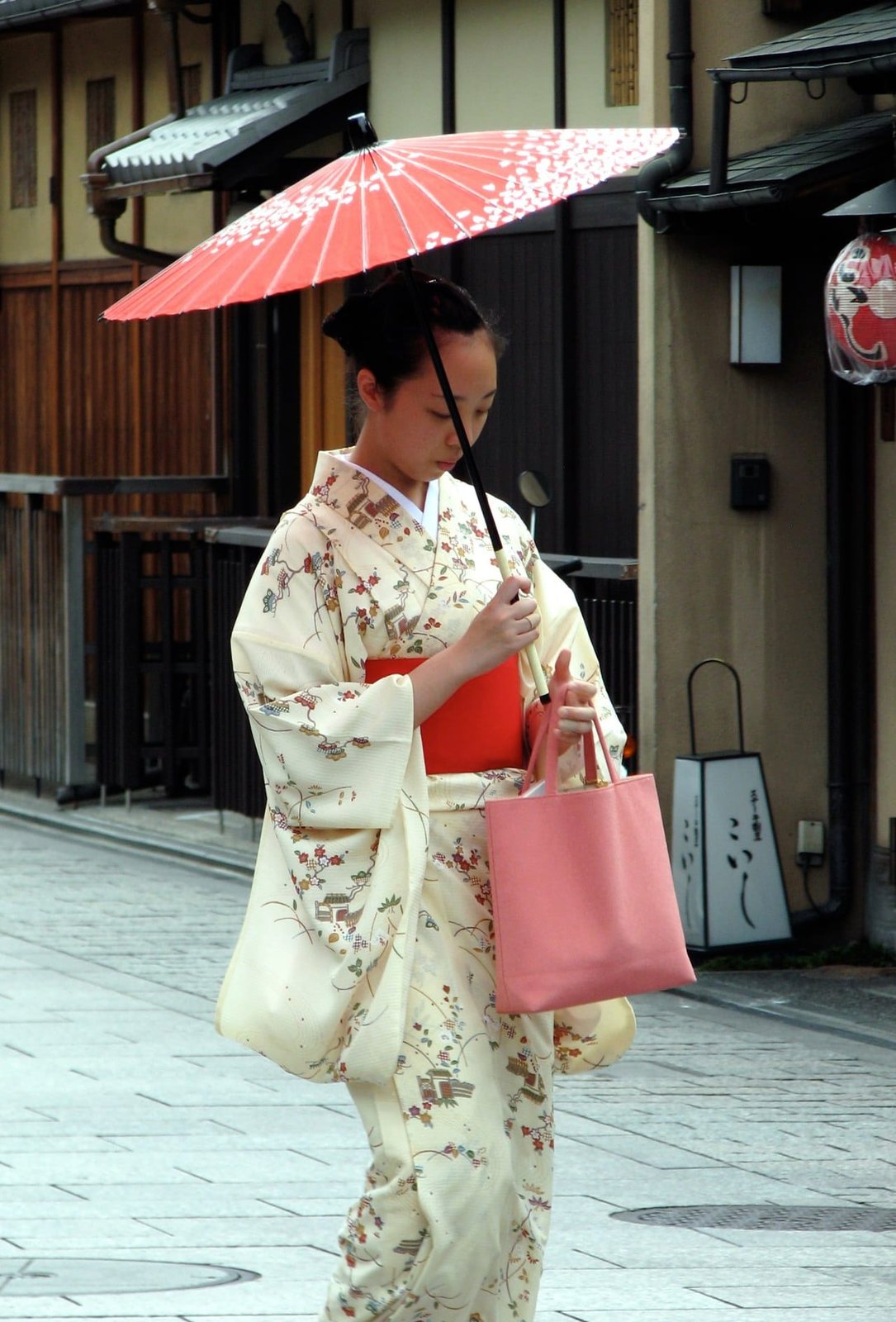
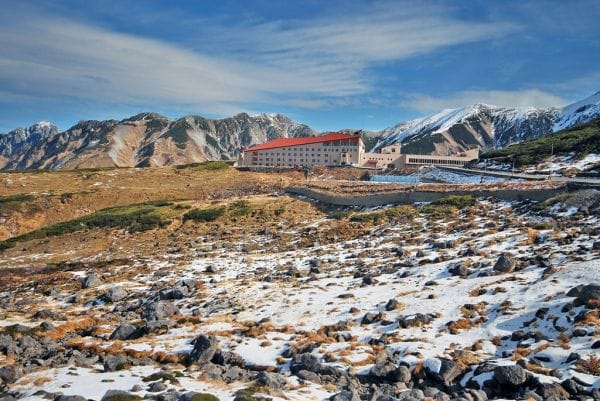
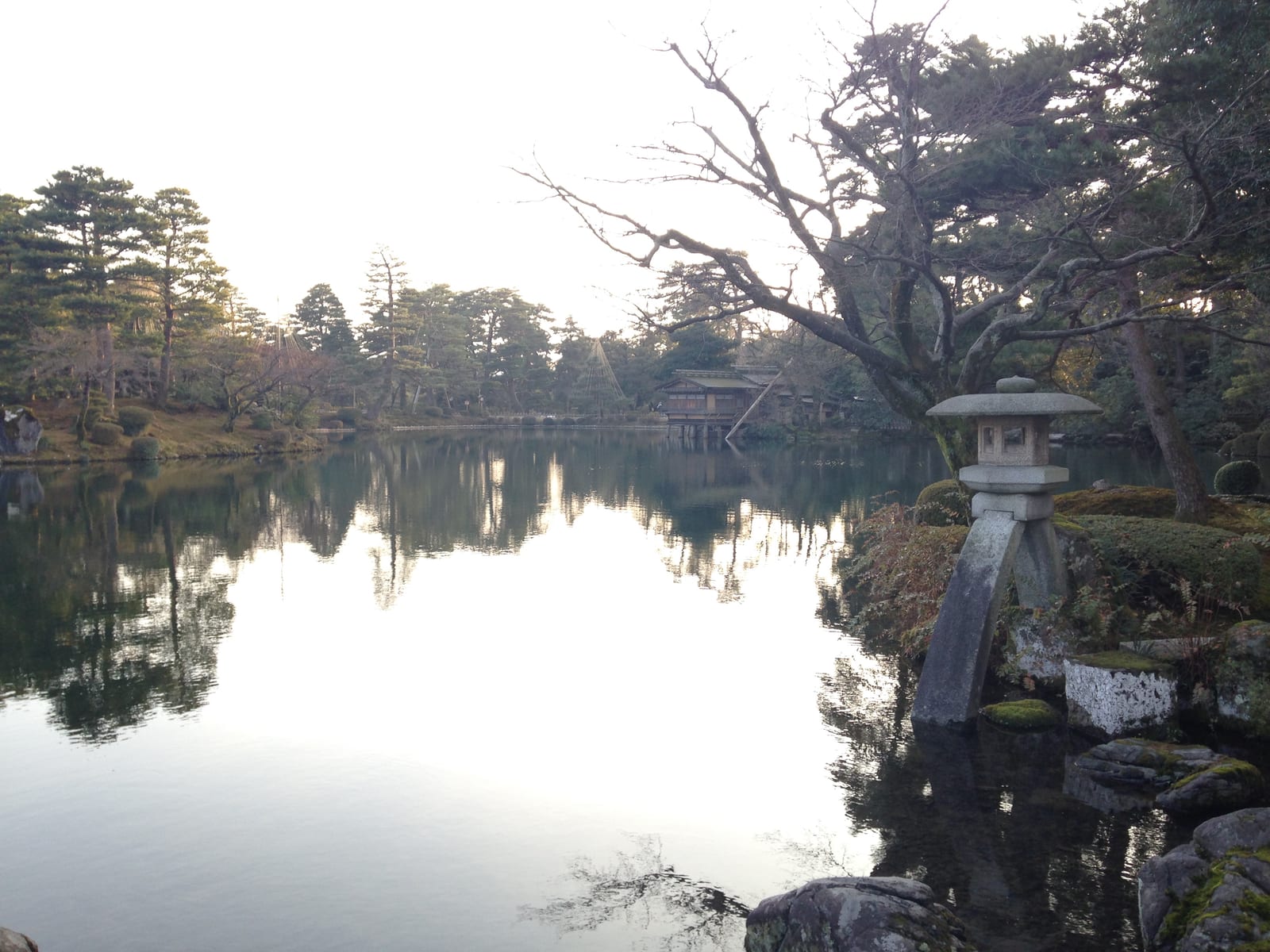
Nagano (長野県) is mountain country, and most visitors come for skiing, hiking or the snow monkeys. But the prefecture also holds three of the best-preserved Edo-period streets in Japan, a black castle with a moat full of swans, and a temple that has drawn pilgrims for 1,400 years. All of them photograph beautifully in kimono, and because Nagano is not on the kimono tourist map, you will usually be the only person wearing one.
This guide is built around the Hokuriku Shinkansen from Tokyo and the Azusa limited express to Matsumoto, the two lines that make a kimono day here possible.
Three Nagano settings, three moods
Zenko-ji and its approach (善光寺): the temple's main hall is a National Treasure, and the 400-metre Nakamise approach in front of it is lined with stone paving, old inns and temple lodgings. Morning services at dawn, with the head priest walking through the crowd, are open to anyone.
Matsumoto Castle (松本城): the oldest surviving five-tier keep in Japan, black-walled, reflected in a moat with the Northern Alps behind it. Nakamachi street (中町通り), ten minutes away, is a row of white kura storehouses converted into craft shops.
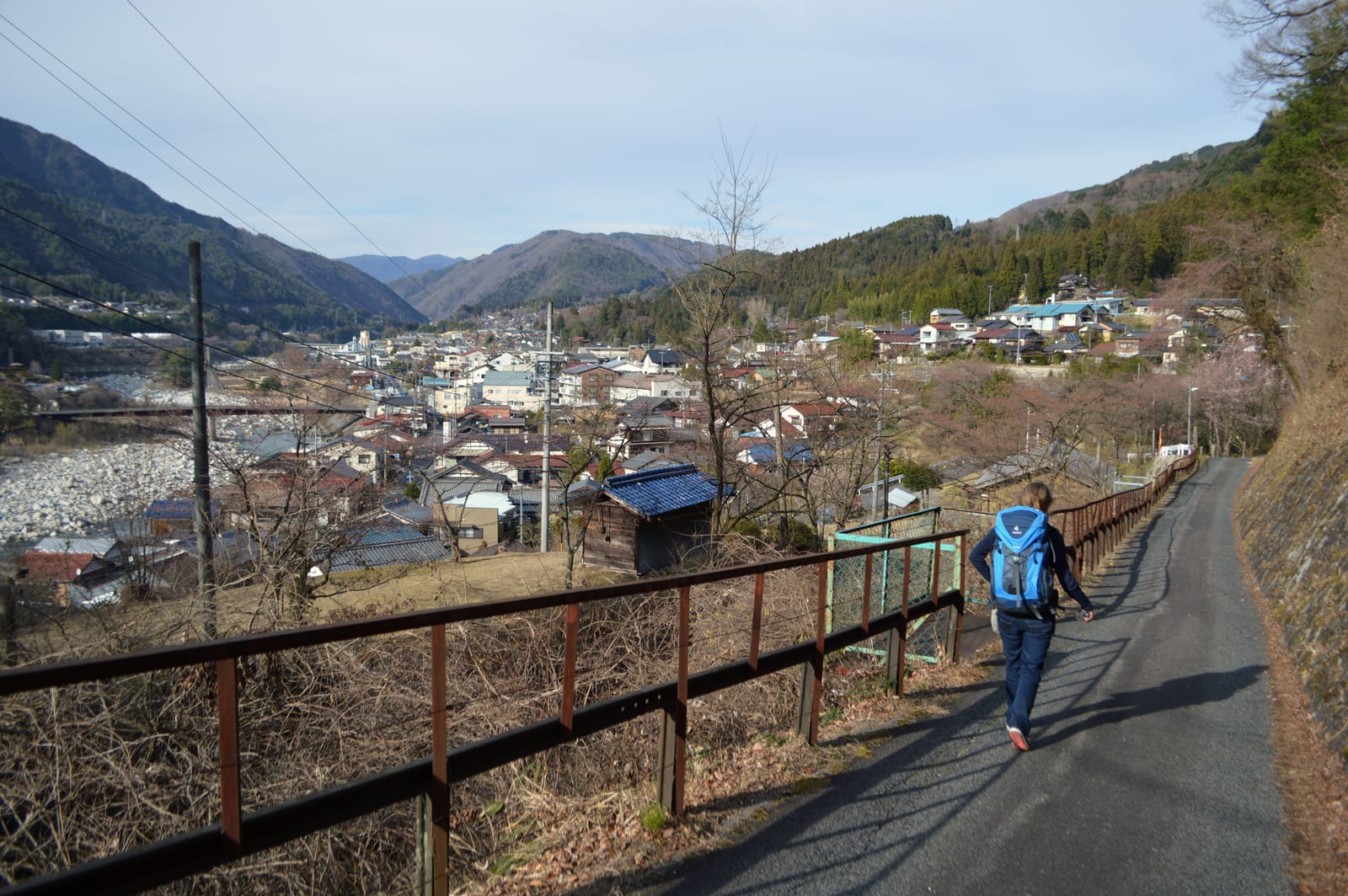
The Nakasendo post towns: Narai-juku (奈良井宿) is a kilometre of wooden inns that has barely changed since the 1700s. Tsumago (妻籠宿) hides its power lines and bans cars from the main street. Both are on the old road that connected Kyoto and Edo, and a kimono on that road is not a costume, it is historically exact.
Best photo spots in Nagano for kimono
| Spot | Best time | Access | Crowd level |
|---|---|---|---|
| Zenko-ji main hall and Nakamise (善光寺) | 6:00 to 8:00 for the morning service; late afternoon light on the approach | Bus from Nagano Station, 10 min | Medium; high during Gokaicho years |
| Matsumoto Castle (松本城) | Opening at 8:30; mid-April cherry along the moat | 15 min walk from Matsumoto Station | High mid-morning |
| Nakamachi street, Matsumoto (中町通り) | Afternoon | 10 min from the castle | Low |
| Narai-juku (奈良井宿) | Before 10:00 or after 15:00 | Narai Station on the Chuo Line, 1 min walk | Low to medium |
| Tsumago-juku (妻籠宿) | Morning; November foliage | Bus from Nagiso Station, 10 min | Medium in autumn |
| Obuse chestnut town (小布施) | September to November | Nagano Dentetsu train, 35 min | Medium |
| Togakushi Shrine cedar avenue (戸隠神社 奥社参道) | Morning; snow in January | Bus from Nagano Station, 1 h | Medium; the 2 km walk is on gravel |
| Suwa Taisha Shimosha (諏訪大社 下社) | Any time | Shimo-Suwa Station, 10 min walk | Low |
Togakushi needs a warning: the cedar avenue to the Okusha inner shrine is two kilometres of gravel and roots, climbing at the end. It is one of the great forest photographs in Japan, but do it in walking shoes and change into zori for the frame. Rented kimono hems and mud are a bad combination.
Seasons
- Mid-April: Matsumoto's moat cherries and Takato Castle Park (高遠城址公園) in the south, famous for its pink Kohigan cherries. Nagano is two weeks behind Tokyo.
- June: Zenko-ji's hydrangeas; cool mornings.
- July to August: warm days, cold nights at altitude. Yukata by day, a haori at night. The Suwa Lake fireworks in mid-August are one of Japan's largest and yukata is the norm.
- Late October to mid-November: Tsumago and Narai in maple colour; Obuse chestnut sweets in season.
- Winter: snow on Narai's roofs and Togakushi's cedars. Only for the prepared; wear tabi with toe warmers.
Where the kimono comes from
OlaChill's shops are in Tokyo Asakusa and Kyoto Kiyomizu. Nagano is a Tokyo start.
To Nagano city: the Hokuriku Shinkansen from Tokyo Station takes about 80 to 100 minutes. Asakusa to Tokyo Station is 15 minutes by subway. Dress at 9:00, on the Shinkansen by 10:30, at Zenko-ji by 12:30.
To Matsumoto: the Azusa limited express from Shinjuku takes about two and a half hours. For Narai-juku, change at Shiojiri to the local Chuo Line (20 minutes).
To Tsumago: from Nagoya side it is closer, so Tsumago pairs better with a Kyoto start: Kyoto to Nagoya by Shinkansen in 35 minutes, then the Shinano limited express to Nagiso in about an hour.
Whichever route, you will not be back before the shop closes at 18:00, so add the next-day return option (¥1,100) and return the kimono before 10:00 the following morning. For families or groups who want Zenko-ji, Obuse and Togakushi in one day, a chauffeured car from Tokyo solves the bus timetable problem; quotes at Japan luxury car with driver.
Plans at both shops start at ¥4,000 for men's yukata and ¥4,500 for women's, ¥5,500 for the Komongi, ¥12,000 for the Houmongi. Hair styling is ¥1,500, makeup ¥5,000, and booking online saves 10%.
Plan your kimono day in Nagano
- Two days before: book the kimono plan with next-day return, and a hotel near Nagano Station or in Matsumoto.
- 09:00 Asakusa: dressing, 30 minutes. Ask for zori rather than geta if Togakushi is on the list.
- 10:30 Tokyo Station: Hokuriku Shinkansen. Keep the obi off the seat back.
- 12:30 Zenko-ji: walk the Nakamise, enter the main hall, and if you are brave, go down into the pitch-dark Okaidan corridor beneath the altar to touch the "key to paradise".
- 15:00 Obuse: 35 minutes by local train; the Hokusai Museum and chestnut shops fit in two hours.
- 17:30 back in Nagano: dinner of soba, the prefecture's signature.
- Next morning: Shinkansen back to Tokyo; return the kimono before 10:00. Or continue to Matsumoto for a second day and return the kimono via the Azusa.
Practical notes
- Zenko-ji's main hall floor is polished wood; remove zori at the step and carry them in the bag provided.
- Narai-juku has no ATM and few restaurants after 16:00. Eat in Shiojiri or carry snacks.
- Matsumoto's castle keep has near-vertical stairs. Photograph from the moat side; do not climb in a rented kimono.
Related reading: Autumn in Nagano, an altitude ladder and Venus Line highland drive.
FAQ
Is Nagano too cold for kimono in autumn? Not in October and early November; daytime is 12 to 18 degrees. Wear a haori and ask the shop for a wool shawl. By late November you want a coat over the kimono.
Can I do Zenko-ji and Matsumoto Castle in one day? They are on different lines and 70 minutes apart by limited express. Possible, but you will spend more time in trains than in kimono. Choose one, or stay overnight.
Which post town is better, Narai or Tsumago? Narai is longer and reached by train directly. Tsumago is prettier at the ends and pairs with a walk to Magome. For a first visit in kimono, Narai.
Are there kimono rental shops in Nagano? Small local ones may exist near Zenko-ji, but OlaChill does not run a shop in Nagano. Dressing at Asakusa with next-day return is the option we can guarantee.
What about the snow monkeys? Jigokudani is a 30-minute forest walk on snow and ice. Not a kimono activity. Do it the next day in boots.
Book the Tokyo start
Choose your plan on the OlaChill kimono rental page, tick next-day return, and let the Shinkansen carry you to Zenko-ji by lunchtime. For a car-based day through Togakushi and Obuse, ask at Japan luxury car.