Kiso Valley & the Nakasendo
Your complete guide to hiking the Nakasendo through Kiso Valley, Nagano — best season, how to get there, top photo spots, and a ready-to-use 1–2 day itinerary.
Mar 9, 2026·✍️ olablog·⏱ 6 min read
Your complete guide to hiking the Nakasendo through Kiso Valley, Nagano — best season, how to get there, top photo spots, and a ready-to-use 1–2 day itinerary.
Japan has no shortage of jaw-dropping scenery, but the Nakasendo — the ancient mountain highway threading through Kiso Valley, Nagano Prefecture — hits differently. This is old Japan at its most cinematic: centuries-old post towns, cedar-lined trails, and the kind of mountain silence that makes you forget you own a smartphone. A trip here isn't just sightseeing; it's stepping back into the Edo period for a couple of blissful days.
1. What Makes Kiso Valley So Special
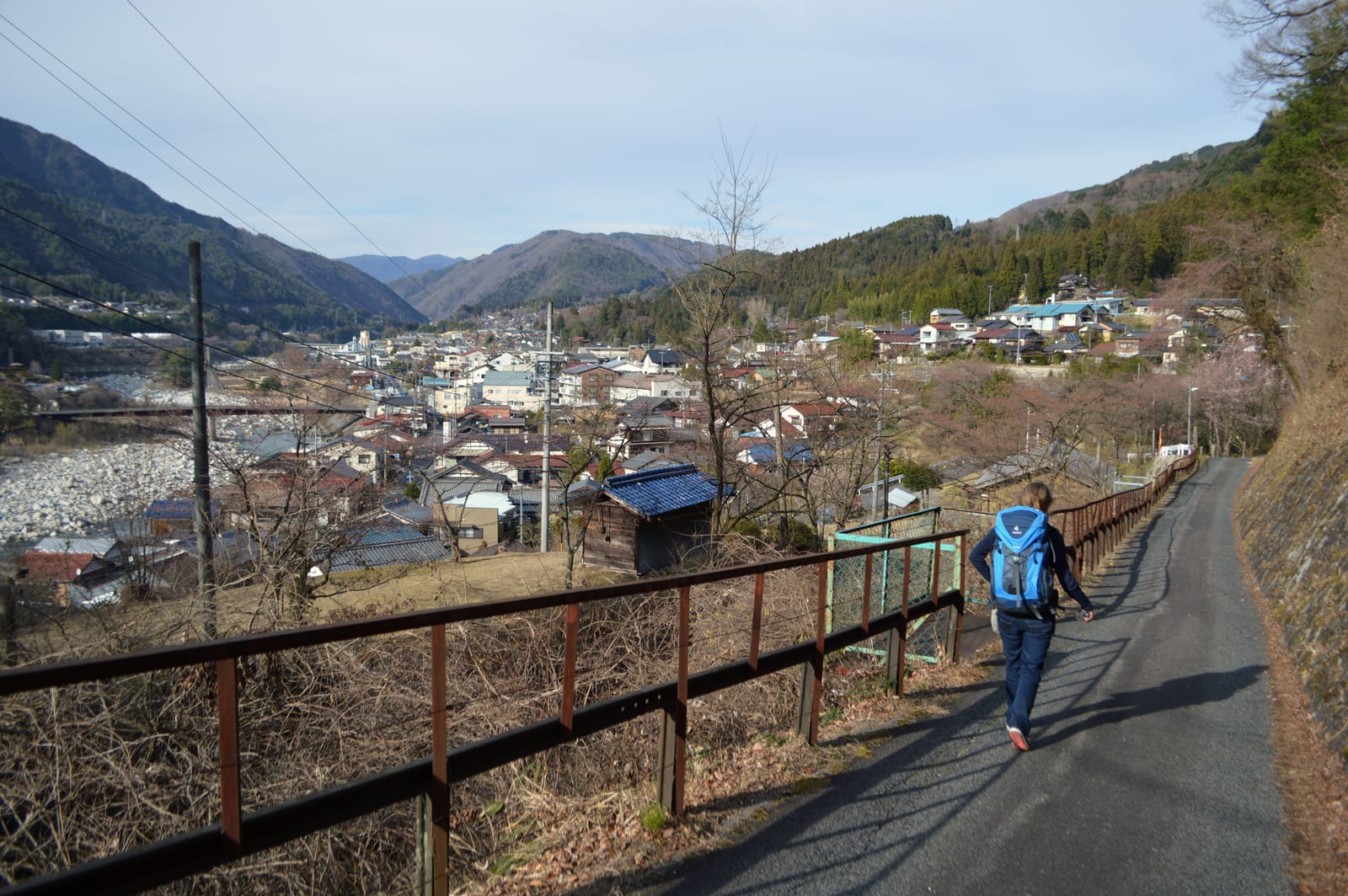
The Nakasendo (literally "Central Mountain Route") once connected Kyoto to Edo (modern Tokyo) — and the 8-kilometer stretch between the post towns of Magome (馬籠) and Tsumago (妻籠) is the best-preserved section on the entire trail. Think cobblestone paths flanked by dark-timbered machiya townhouses, cascading waterfalls, and cedar forests so dense the light turns green by midday.
The light itself is worth the journey. At dawn the valley glows amber; at dusk it goes full golden-hour in a way that would make any travel photographer weep. And unlike Kyoto's famous spots, you won't be fighting for elbow room at the viewpoints — at least not if you time it right.
2. Top Photo Spots You Can't Miss
Kiso Valley punches well above its weight for photographers and Instagram enthusiasts alike. Here are the spots to prioritize:
Magome–Tsumago trail viewpoints: The trail crests several ridges with sweeping 180-degree views across forested peaks — arrive at sunrise and you'll have them almost entirely to yourself.
The cedar-canopy avenue: Centuries-old Japanese cedar trees form a natural tunnel along stretches of the old highway. It's spectacular in spring (fresh green) and autumn (fiery reds and gold).
Tsumago's mirror pond: A small pond near the village reflects the surrounding hills and traditional rooflines like a giant natural mirror — perfect for that symmetrical shot.
Kiso-Fukushima ridge panorama: Drive or hike up to the high point above Kiso-Fukushima for a full panorama of the valley. On a clear day you can see deep into the Japanese Alps.
3. Best Time to Visit
Every season brings something different to Kiso Valley, but the sweet spots are May and October.
- Weather is stable and comfortable — ideal for hiking the trail without layers of rain gear or a sunscreen reapplication every 20 minutes.
- Scenery peaks seasonally: spring blossoms in May, fiery koyo (fall foliage) in October.
- Golden-hour light is perfect for photography from roughly 6–9 AM and 4–6 PM.
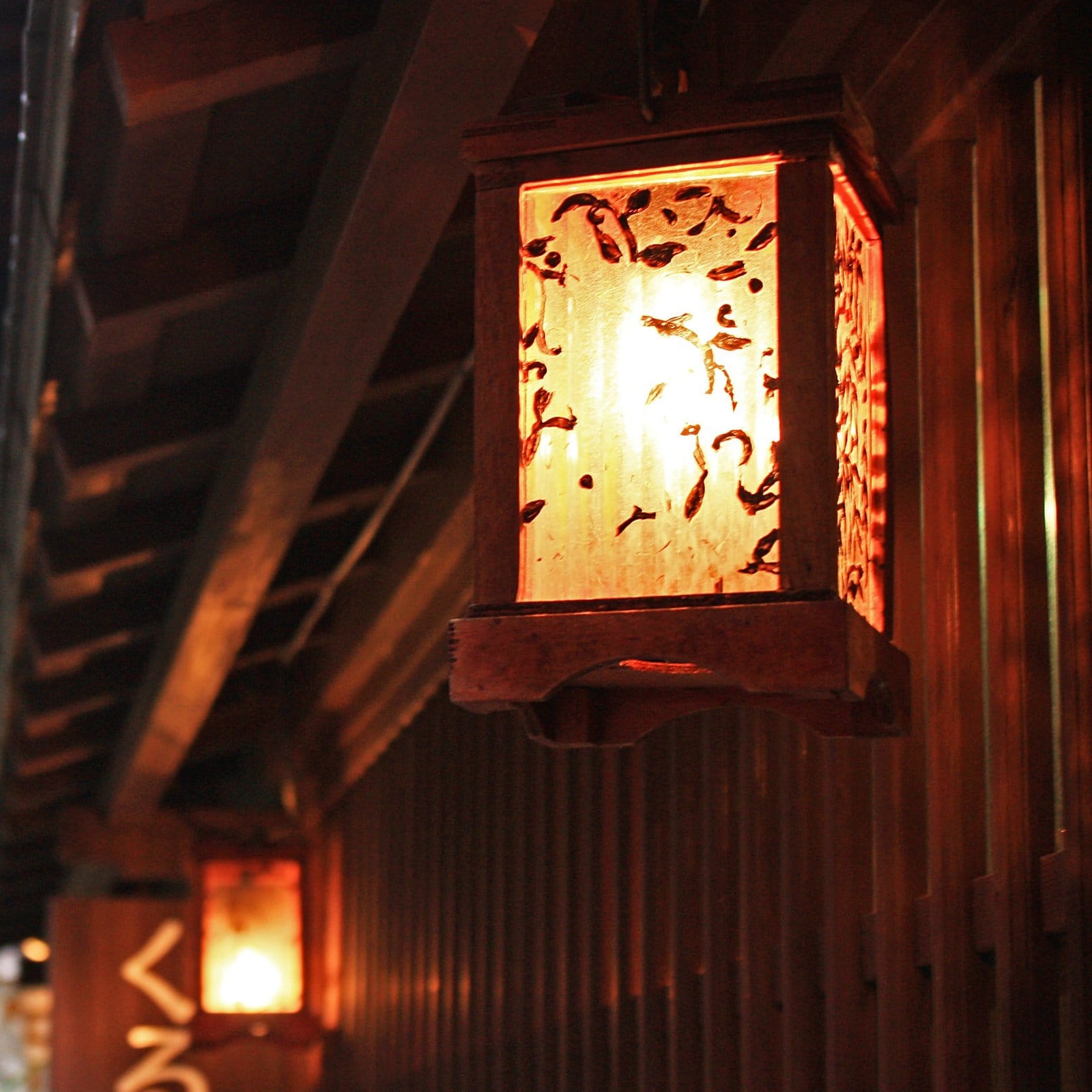
- Crowds are manageable — busy enough that the villages feel alive, not so packed that you're queuing for a photo of a lantern.
Winter brings a genuinely magical snowscape, but mountain roads can ice up quickly — check conditions before you go. Spring and autumn are both excellent and easier to plan around.
4. Getting There & Getting Around
The most practical base is Nagiso Station (for Tsumago) or Nakatsugawa Station (for Magome), both served by the JR Chūō Main Line. If you're coming from Tokyo, the journey takes around 2.5–3 hours via Nagoya; from Osaka or Kyoto, factor in about 2 hours. A JR Pass covers the Chūō Line, making it a smart investment if Kiso Valley is part of a longer Japan itinerary.
That said, the most rewarding way to explore the wider Nagano region is by rental car. Public buses between villages are infrequent, and a car unlocks the waterfalls, viewpoints, and unmarked forest turnoffs that most visitors never reach.
Roads through Kiso Valley are generally well-maintained and well-signed in romaji, with rest stops (道の駅, michi-no-eki) dotted along the route.
✨ Tip: Book a private driver or self-drive rental through OlaChill and explore the Nakasendo entirely at your own pace — no timetables, no missed photo stops.
5. Sample 1–2 Day Itinerary
Day 1
- 6:00 AM — Arrive at the main viewpoint above Magome for sunrise over the valley. Bring a coffee — this is the moment you came for.
- 8:00 AM — Breakfast at a local guesthouse or kissaten (Japanese coffee shop) in Magome. Try the local soba or gohei-mochi (grilled rice cake skewers, a Kiso specialty).
- 9:30 AM — Set off on the Magome–Tsumago trail (about 5 miles / 8 km, mostly downhill south to north). Stop at every viewpoint. There are no wrong decisions here.
- 12:00 PM — Lunch break at a trail-side rest area or shokudo in Tsumago. Oyakodon (chicken and egg rice bowl) or soba hit the spot after a morning hike.
- 2:00 PM — Explore Tsumago's side streets, the nearby Odaki–Medaki waterfalls, and the mirror pond.
- 5:00 PM — Check into your ryokan or guesthouse.
- 6:30 PM — Soak in the onsen (if your accommodation has one — most traditional ryokan do), then sit down to a multi-course kaiseki dinner. Budget around $60–100/person for a full ryokan experience including dinner and breakfast.
Day 2
- 7:00 AM — Early breakfast; hit the road before the day-trippers arrive.
- 8:30 AM — Drive one of the lesser-known mountain byways above the valley — ask your guesthouse host for a local recommendation.
- 11:00 AM — Mirror pond photo session while the light is still soft.
- 1:00 PM — Late lunch and a slow coffee before the drive back.
- 3:00 PM — Head to your next destination, or loop back toward Nagoya / Matsumoto.
6. Practical Tips
- 📷 Shoot during golden hour: The 30 minutes before and after sunrise/sunset deliver the best light on the valley — set an alarm and commit to it.
- 🚗 Book rental cars early: Peak season (May, October) sees inventory disappear fast — reserve at least 1–2 weeks ahead.
- ⛽ Top up your gas tank: Gas stations are sparse between villages in rural Nagano. Fill up whenever you see one.
- 📱 Download offline maps: Google Maps offline for the Kiso Valley area is a lifesaver in spots where cell coverage drops out on the mountain roads.
- 🍙 Stock up at a convenience store: A 7-Eleven or FamilyMart in Nakatsugawa or Nagiso is your best friend before heading into the valley. Onigiri, hot drinks, rain ponchos — they've got it all.
- ☁️ Check the weather forecast: Especially critical in winter or the rainy season (mid-June to mid-July). Mountain conditions change faster than the JR app.