
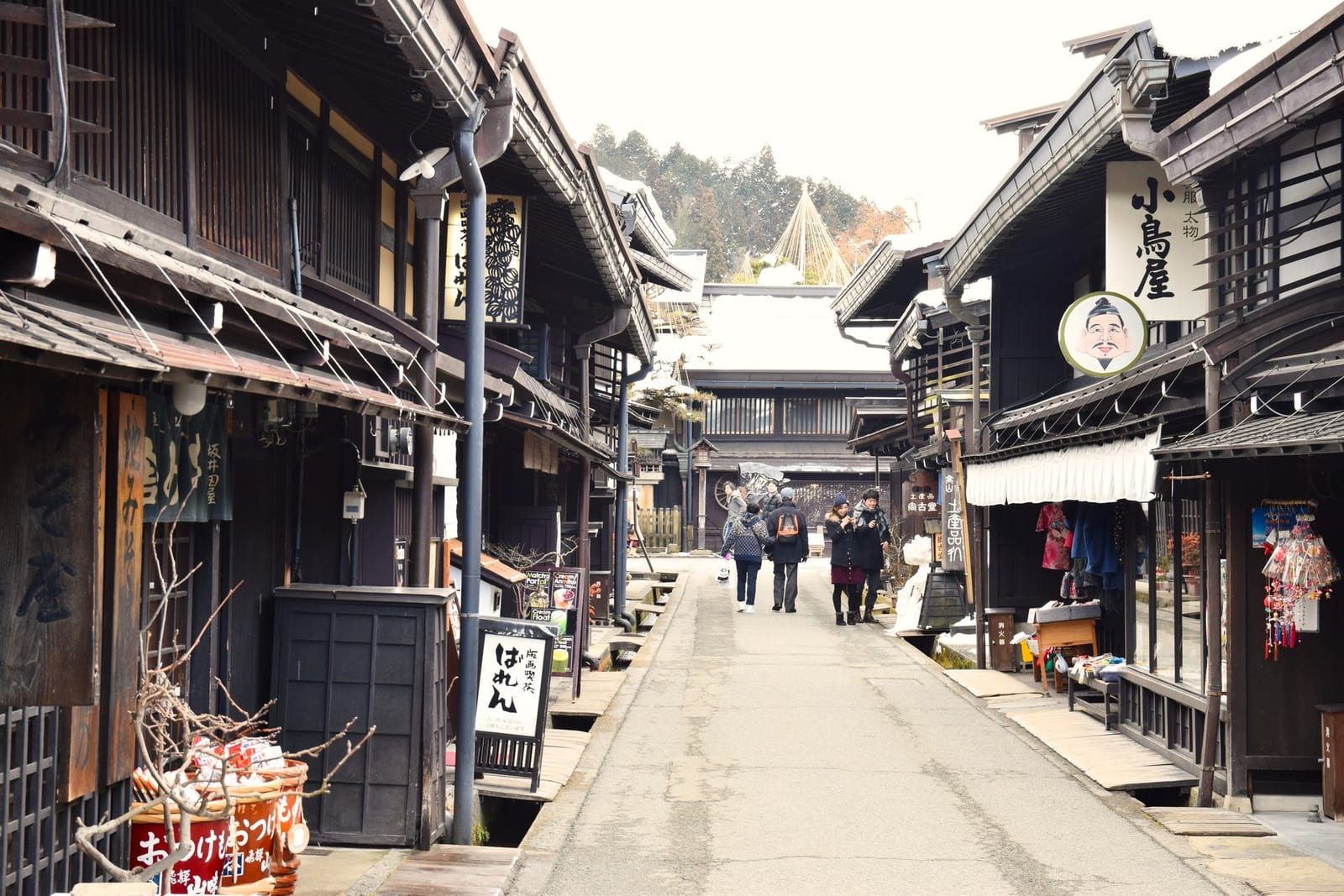
Kimono in Gifu: Where to Wear It, Best Photo Spots and How to Plan the Day
Kimono in Gifu, from Takayama's Sanmachi streets and Shirakawa-go to Gujo Hachiman's summer dances and the Nagara River: photo spots, seasons, trains from Kyoto and a day plan.
Sep 14, 2026·✍️ olablog·⏱ 7 min read
Kimono in Gifu, from Takayama's Sanmachi streets and Shirakawa-go to Gujo Hachiman's summer dances and the Nagara River: photo spots, seasons, trains from Kyoto and a day plan.
Tap a region to browse articles
Gifu (岐阜県) is where Japan's mountain culture and its old merchant culture meet. Takayama's dark-timber streets, Shirakawa-go's thatched farmhouses, Gujo Hachiman's summer dancing and the cormorant fishermen of the Nagara River are all within one prefecture, and all of them are places where a kimono looks like it belongs. Gujo in August is the only town in Japan where a yukata is practically a requirement.
This guide is written for a Kyoto start, because the Kyoto to Nagoya to Takayama route is the fastest way in, and OlaChill's Kiyomizu shop is where the kimono comes from.
Gifu's four kimono settings
Takayama (高山): the Sanmachi Suji district (三町筋) is three parallel streets of Edo-period sake breweries and merchant houses with lattice fronts and a clear stream running under the eaves. The Miyagawa morning market runs along the river from 7:00.
Shirakawa-go (白川郷): the gassho-zukuri farmhouses of Ogimachi village, a World Heritage site, with roofs pitched like praying hands. Snow-covered in winter, green in summer.
Gujo Hachiman (郡上八幡): a castle town of canals and clear water, and home of Gujo Odori, a Bon dance that runs for 32 nights from July to September, including four all-night dances in mid-August. Everyone dances in yukata and wooden geta; the sound of the geta on the street is the music.
Gifu city and the Nagara River (長良川): cormorant fishing (鵜飼, ukai) has been performed here for 1,300 years, on summer nights from May to October, watched from wooden boats. The old Kawaramachi street by the river is where the boats depart.
Best photo spots in Gifu for kimono
| Spot | Best time | Access | Crowd level |
|---|---|---|---|
| Sanmachi Suji, Takayama (三町筋) | 7:30 to 9:30 with the morning market; after 16:00 | 10 min walk from Takayama Station | High from 10:00 to 15:00 |
| Higashiyama Walking Course, Takayama (東山遊歩道) | Morning | 15 min from Sanmachi | Very low |
| Shirakawa-go Ogimachi and Shiroyama viewpoint (白川郷 荻町) | Early morning; January snow | Bus from Takayama, 50 min | Very high; go before 9:00 |
| Hida Furukawa (飛騨古川) | Any time; carp canals | Train from Takayama, 15 min | Low |
| Gujo Hachiman old town and Sogisui spring (郡上八幡 宗祇水) | Evening in dance season; morning otherwise | Bus from Gifu or Nagoya, 1.5 h | Medium; high on dance nights |
| Kawaramachi, Gifu city (川原町) | Late afternoon before ukai boats depart | Bus from Gifu Station, 15 min | Low |
| Gifu Castle on Mt Kinka (岐阜城) | Sunset | Ropeway from Gifu Park | Medium |
| Mino udatsu street (美濃 うだつの上がる町並み) | Afternoon; October lantern festival | Nagaragawa Railway to Mino-shi | Low |
Hida Furukawa is the quiet alternative to Takayama: white storehouses, a canal with a thousand carp, and no tour groups. Fifteen minutes by train. In kimono, it gives you the same Hida architecture with an empty street.
Seasons in Gifu
- Mid-April: the Takayama Spring Festival (春の高山祭, 14 and 15 April) with its ornate floats. Cherry blossoms along the Miyagawa. Crowds peak; kimono is common.
- May to October: ukai season on the Nagara River. A yukata on the viewing boat, with the fires of the fishing boats reflected in the water, is the classic summer Gifu image.
- July to early September: Gujo Odori. The four all-night "Tetsuya Odori" dances around 13 to 16 August are the peak. Rent a yukata; a lined kimono is impossible to dance in.
- October: the Takayama Autumn Festival (9 and 10 October) and the first maples in the Hida hills.
- January to February: Shirakawa-go under snow, with evening illuminations on selected weekends by reservation only. A kimono with a haori and shawl, plus snow boots for the walk in.
Getting a kimono to Gifu
OlaChill's shops are Kyoto Kiyomizu and Tokyo Asakusa. From Kyoto:
- To Takayama: Shinkansen to Nagoya (about 35 minutes), then the Hida limited express to Takayama (about 2 hours 25 minutes). Allow three and a half hours including the change. Dress at 9:00, arrive Takayama around 14:00.
- To Gifu city: Shinkansen to Nagoya, then JR to Gifu (20 minutes). About an hour total. This is the easy one.
- To Gujo Hachiman: bus from Gifu (about 70 minutes) or from Nagoya (about 90 minutes).
All three need the next-day return add-on (¥1,100), returning the kimono before 10:00 the next morning. From Tokyo, Takayama takes about four and a half hours via Nagoya, so a Kyoto start is the practical choice.
For Takayama plus Shirakawa-go in one day, a chauffeured car from Kyoto or Nagoya avoids the bus reservation system and gives you Shirakawa-go before the crowd; quotes at Japan luxury car with driver.
Plans at both shops start at ¥4,000 for men's yukata and ¥4,500 for women's, ¥5,500 for the Komongi, ¥7,000 for the modern Kimono Ren. Hair styling is ¥1,500, makeup ¥5,000, and online booking is 10% cheaper than in store.
Plan your kimono day: Takayama and Hida Furukawa
- Two days before: book the plan with next-day return, reserve a Takayama inn, and if Shirakawa-go is included, reserve the bus (it sells out).
- 09:00 Kiyomizu: dressing, 30 minutes. Ask for zori; Takayama's streets are stone.
- 10:15 Kyoto Station: Shinkansen to Nagoya, Hida express to Takayama. The Hida's left side going north has the river views.
- 14:00 Sanmachi Suji: photograph the sake breweries with their cedar balls, then walk the Higashiyama temple route for empty frames.
- 16:30 Hida Furukawa: 15 minutes by train; canals and carp in evening light.
- Evening: Hida beef in Takayama. Keep a handkerchief over the obi at the table.
- Next morning: Shirakawa-go by early bus (arrive 9:00, leave by noon), then trains back to Kyoto. Return the kimono before 10:00 the following morning if you stayed a second night, or arrange the return timing with the shop when you book.
Practical notes
- Gujo Odori on all-night dates runs until dawn. If you dance, bring your own or a cheap pair of geta; rental zori will not survive it.
- Shirakawa-go's Shiroyama viewpoint is a 15-minute uphill path. There is a shuttle bus; use it in kimono.
- Ukai boats have low benches. Sit on the edge and keep the obi bow clear of the rail.
Related reading: Shirakawa-go and Takayama guide and Takayama and Shirakawa-go autumn villages.
FAQ
Can I rent a kimono in Takayama itself? Local shops may exist, but OlaChill does not operate in Takayama. The route we can guarantee is dressing at Kyoto Kiyomizu with the next-day return add-on.
Is Gujo Odori suitable for beginners? Yes. The dances repeat simple steps and locals pull visitors into the circle. Yukata is expected; the town rents them on dance nights too, but bring your own from Kyoto to be sure.
How crowded is Shirakawa-go? Very, between 10:00 and 15:00. The first buses from Takayama arrive around 9:00; be on one, and leave when the tour groups arrive.
Kimono or yukata for Takayama in October? Kimono. Hida mornings are around 8 degrees in late October; add a haori.
Is the Hida express comfortable in kimono? Yes, seats are wide and recline. Sit forward to protect the obi, and keep the hem folded under.
Book the Kyoto start
Reserve on the OlaChill kimono rental page, add next-day return, and let Takayama be the second day of a Kyoto kimono trip. For a private car through Shirakawa-go, ask at Japan luxury car.
More from this region — Chubu (Nagano, Kanazawa)
View all →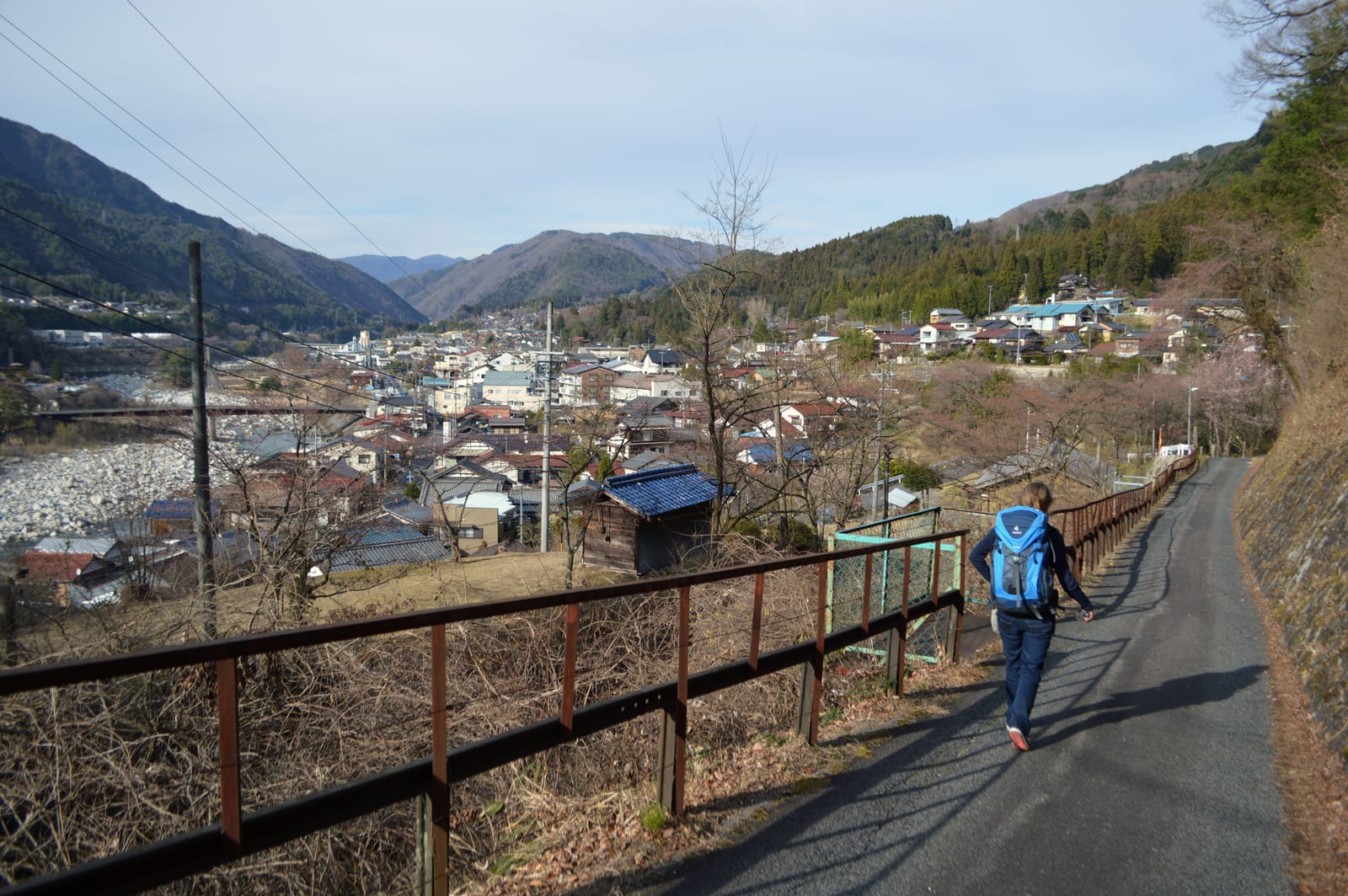
Kimono in Nagano: Where to Wear It, Best Photo Spots and How to Plan the Day
7 min · culture
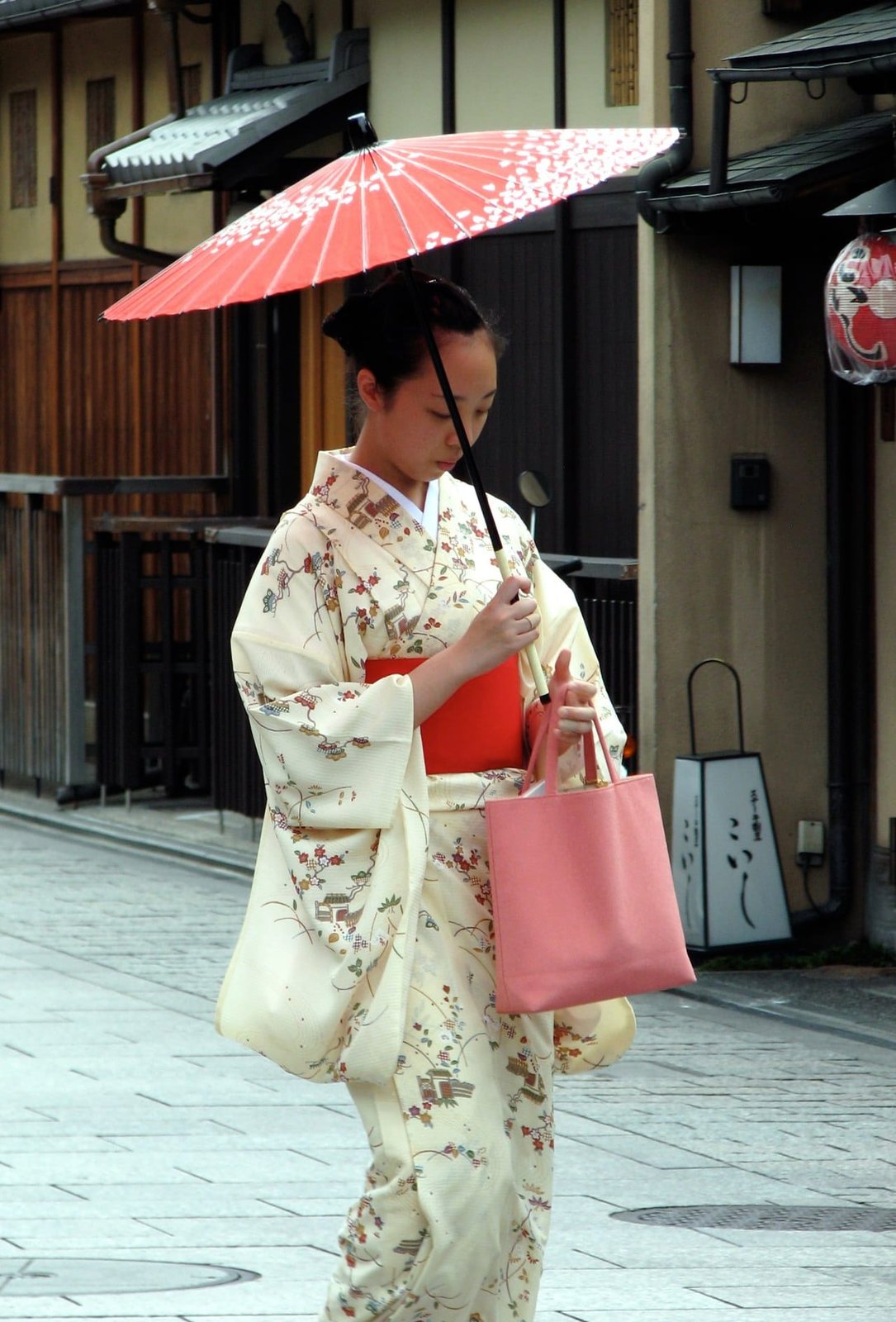
Kimono in Niigata: Where to Wear It, Best Photo Spots and How to Plan the Day
7 min · culture
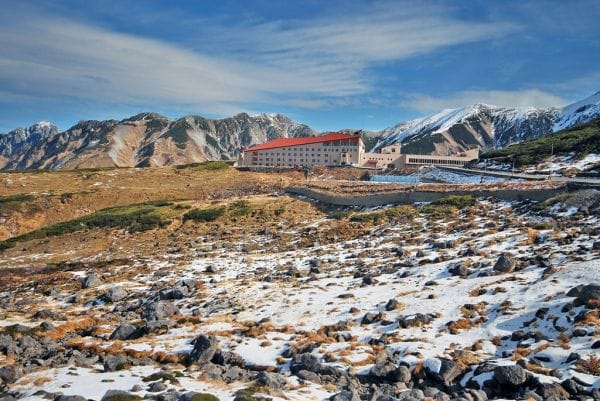
Kimono in Toyama: Where to Wear It, Best Photo Spots and How to Plan the Day
6 min · culture
Exploring Kanazawa's Higashi Chaya District in a Kimono
5 min · culture