
Kimono in Chiba: Where to Wear It, Best Photo Spots and How to Plan the Day
Kimono in Chiba: Naritasan temple and its Omotesando, Sawara canal town, Katori Jingu cedars, Nokogiriyama, the direct train from Asakusa and OlaChill options.
Sep 14, 2026·✍️ olablog·⏱ 6 min read
Kimono in Chiba: Naritasan temple and its Omotesando, Sawara canal town, Katori Jingu cedars, Nokogiriyama, the direct train from Asakusa and OlaChill options.
Tap a region to browse articles
Chiba: the kimono day beside the airport
Most people see Chiba from an aeroplane window. That is a pity, because ten minutes from Narita Airport is a thousand-year-old temple with an Edo-period approach street, and an hour beyond it is a canal town that looks like a Hiroshige print. Chiba is also where OlaChill guests can squeeze in one last kimono morning before a flight, and I have watched more than one family do exactly that.
Below: the spots that suit a kimono, when to go, and how the Asakusa shop connects to all of it by direct train.
The spots
Naritasan Shinsho-ji (成田山新勝寺) and Omotesando
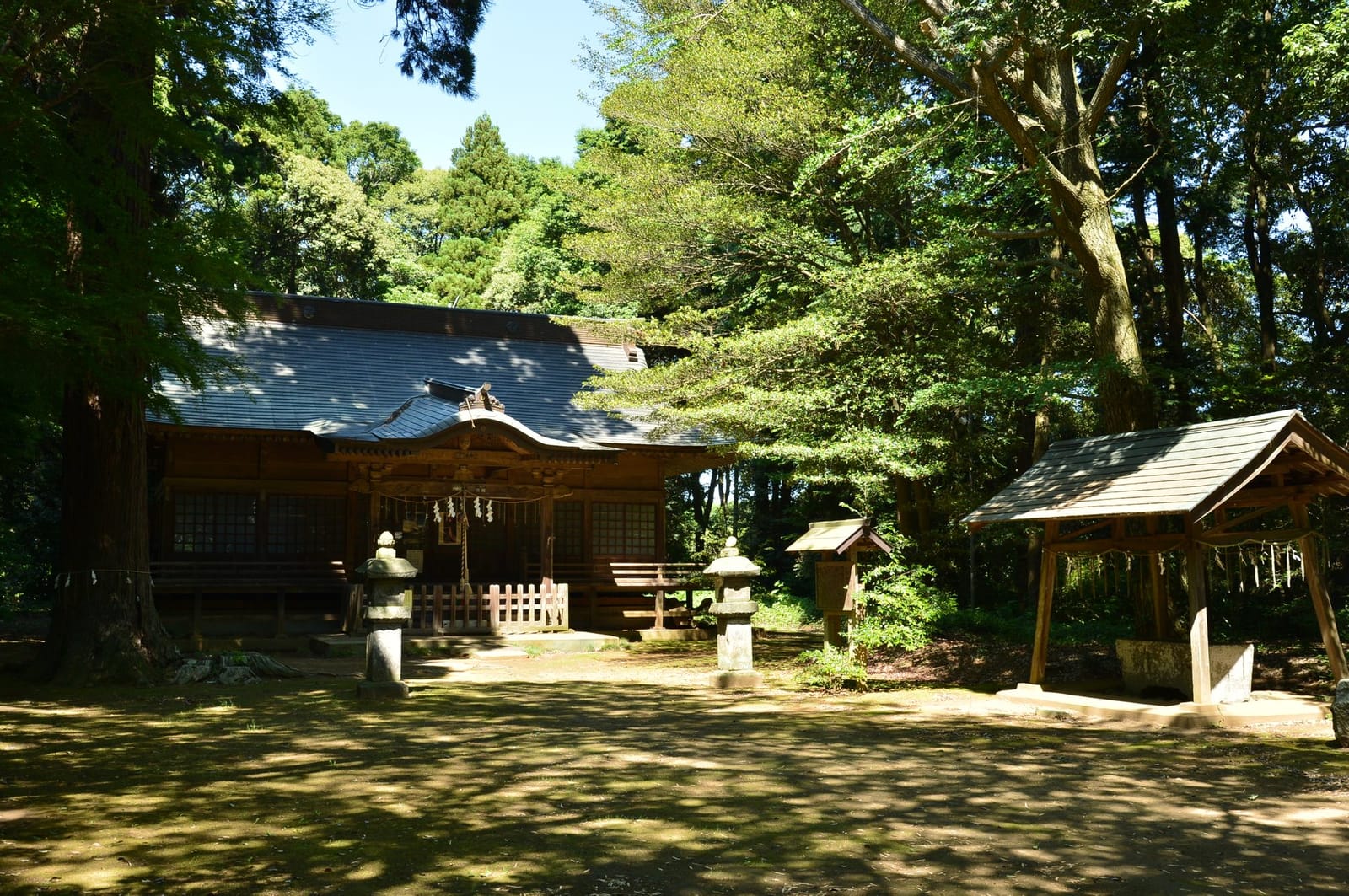
The temple was founded in 940 and draws three million visitors at New Year. Its Omotesando approach street winds 800 metres downhill from the station past eel restaurants, shops and old wooden inns; the road is paved and gently sloping. Inside, the Great Main Hall, the three-storey pagoda painted in red and gold, and Naritasan Park behind with its ponds and plum trees give you a full temple set. Steps to the main hall are wide stone. The plum festival runs from mid February to early March; the autumn maples in the park peak in late November.
Sawara (佐原)
An old merchant town on the Ono River, 30 minutes from Narita by train. Willows lean over the canal, wooden warehouses and shopfronts line both banks, and small boats take you along the water. Ino Tadataka, the surveyor who mapped Japan, lived here and his house is open. The riverside path is flat stone. Sawara's Grand Festival, in mid July and mid October, parades huge dolls on floats through the streets.
Katori Jingu (香取神宮)
One of the great shrines of the Kanto plain, a taxi ride from Sawara. The approach is a long avenue of cedars and stone lanterns leading to a black-lacquered gate and a hall with a cypress-bark roof. The path is flat gravel; the last stretch is a broad staircase. It is quiet on weekdays and dark under the trees at any hour.
Nokogiriyama (鋸山)
On the Boso peninsula, this saw-toothed mountain has a ropeway to the top, a 31-metre stone Buddha at Nihon-ji temple, and a cliff-edge lookout called "the view into hell". The temple paths are steep stone steps; this is a shoes day with a zori change at the Buddha.
Mother Farm and the Boso hills
Rolling farmland and flower fields at Mother Farm near Kimitsu; rapeseed in March, poppies in May. A pale kimono in yellow fields is a cheerful frame, but paths are grass and it is best treated as a shoes-then-zori stop.
| Spot | Best time | Access | Crowd level |
|---|---|---|---|
| Naritasan and Omotesando | Mid Feb plum, late Nov maple; weekdays | 10 min walk from Keisei-Narita or JR Narita | High at New Year, medium otherwise |
| Sawara canal | Any season; mid July and mid Oct festivals | 30 min train from Narita | Low on weekdays |
| Katori Jingu | Any season | Taxi 10 min from Sawara | Low |
| Nokogiriyama | Oct to May | Ropeway from Hamakanaya | Medium on weekends |
| Mother Farm | March, May | Bus from Kimitsu | Medium |
Seasons and what to wear
Chiba is mild. Winter is dry and sunny; a lined kimono with a haori is comfortable at Naritasan in February. Summer is humid, so the Sawara July festival is a yukata evening. Autumn is the best all-round light, and Naritasan Park's maples turn in the last week of November.
Where OlaChill fits in: Asakusa to Narita direct
OlaChill has no shop in Chiba, no photographer here, and no airport counter. Our shops are Tokyo Asakusa and Kyoto Kiyomizu, open 09:00 to 18:00. What Chiba has in its favour is the Toei Asakusa Line, which runs through to Keisei-Narita in about 70 minutes, so a Naritasan day works as a round trip:
- 09:00 dressing at Asakusa (30 to 45 minutes).
- 10:00 Asakusa Station, Toei Asakusa Line through-service to Keisei-Narita, about 70 minutes.
- 11:15 to 14:30 Omotesando, main hall, pagoda, Naritasan Park, unagi lunch.
- 15:00 train back, arriving Asakusa about 16:15.
- 16:30 at the shop, well before closing.
Sawara and Katori add an hour each way, which is a next-day return (¥1,100) day: keep the kimono overnight and return before 10:00. Note that next-day return is a return to our shop, not a hand-over at the airport, so a last-morning Naritasan visit in our kimono only works if you are flying later and coming back through Asakusa. A chauffeured car from Asakusa to Narita and Sawara is quoted per trip.
If Narita is the end of your trip, our Narita and Haneda transfer guide has the airport timings.
Plan your kimono day
- Book the 09:00 slot and a Komongi (¥5,500, ¥4,950 online); a men's traditional set is ¥5,000.
- Take the through train from Asakusa; no change needed for Keisei-Narita.
- Walk the Omotesando downhill from the station; you will climb back up at the end.
- Main hall, pagoda, then the park for the ponds and, in season, plum or maple.
- Unagi lunch in one of the tatami rooms on the approach street.
- 15:00 train back, or extend with next-day return for Sawara.
A few local courtesies
Naritasan holds fire rituals through the day; when the drum sounds, worshippers file in and visitors in kimono are welcome, but sit at the back and keep the camera away. On the Omotesando, the eel houses prefer you sit on the cushions, not on the edge of the tatami, so the obi knot stays intact. In Sawara, the canal boats have low benches; gather the hem before stepping down. Katori Jingu's cedar approach is dim under the trees, so slow down on the last staircase.
FAQ
Can I take the Asakusa Line to Narita in a kimono? Yes. It is a through-service of about 70 minutes; board after 09:30 and the carriages are calm.
Is the Naritasan Omotesando walkable in zori? Yes. Paved, gently sloped, with the only steps at the temple gate and main hall.
Does OlaChill have a counter at Narita Airport? No. Dressing and return are at Tokyo Asakusa or Kyoto Kiyomizu only.
Is Sawara worth the extra hour in kimono? Yes if you have next-day return. The canal, willows and warehouses are the most Edo-looking street in Chiba.
Can I climb Nokogiriyama in kimono? Take the ropeway up, then the temple paths are steep stone steps. Shoes for the walk, zori for the Buddha.
A temple day by direct train
Naritasan is a straight ride from our Asakusa shop and back before closing. Reserve the 09:00 dressing at OlaChill Kimono Rental, add next-day return for Sawara, and book online for 10% off.
More from this region — Tokyo & Kanto
View all →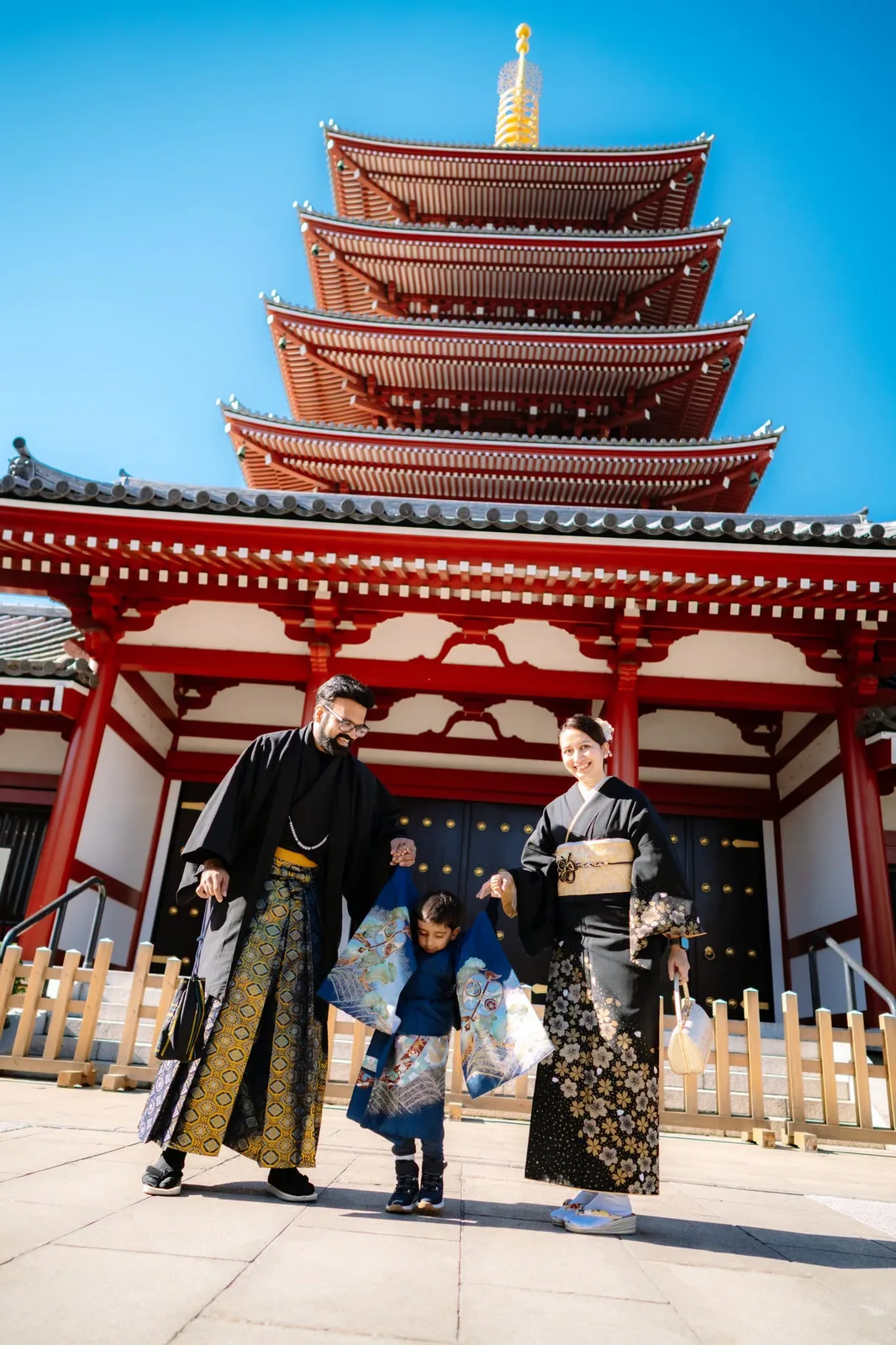
Kimono in Tokyo: Where to Wear It, Best Photo Spots and How to Plan the Day
7 min · culture
Kimono Rental in Asakusa: Step by Step, Plus a Half-Day Route
10 min · culture
The Ultimate Kusatsu Onsen Guide: Yubatake, Jikan-yu, Local Cuisine, and More
19 min · destinations
Kusatsu Onsen by Group Bus: A Practical Guide from Tokyo
8 min · tips