
Kanto Around Tokyo: Top 5 Essential Day Trips and Regional Pass Guide
A complete guide to the Kanto region around Tokyo: day trips to Nikko, Hakone, Kamakura, Kawagoe, and Yokohama, plus pass selection tips and sample itineraries.
Aug 8, 2026·✍️ olablog·⏱ 9 min read
A complete guide to the Kanto region around Tokyo: day trips to Nikko, Hakone, Kamakura, Kawagoe, and Yokohama, plus pass selection tips and sample itineraries.
Tap a region to browse articles
Many first-time visitors spend their entire trip inside Tokyo without realizing that in just 1–2 hours by train, they can stand before gold-leafed shrines surrounded by ancient cedar forests, soak their feet in an onsen while gazing at Mount Fuji, or stroll through perfectly preserved Edo-period historic streets. The 関東(Kanto) region surrounding Tokyo is a goldmine for day trips: set off from your hotel in the morning, and you will still be back in 新宿(Shinjuku) in time for a late bowl of ramen. Here are the five most worthwhile day trip destinations, complete with tips on choosing regional passes so you do not waste your travel budget.
日光(Nikko) and 川越(Kawagoe) — Two Facets of Old Japan
Located about two hours north of Tokyo, 日光(Nikko) is the Kanto region's most famous UNESCO World Heritage shrine and temple complex. At its core is 東照宮(Toshogu Shrine) — the final resting place of Shogun Tokugawa Ieyasu — featuring over 500 gilded and lacquer-carved sculptures, including the iconic "Three Wise Monkeys" (see no evil, hear no evil, speak no evil) that almost everyone recognizes from photos. Surrounding the shrine are ancient cedar forests and the vermilion 神橋(Shinkyo Bridge) spanning a turquoise river. If you start early, catch a local bus up to the 奥日光(Oku-Nikko) area to see 華厳の滝(Kegon Falls), which drops nearly 100 meters (328 ft), and 中禅寺湖(Lake Chuzenji), which explodes in vibrant autumn foliage in mid-October. Taking a Tobu Railway train from 浅草駅(Asakusa Station) with a Nikko Pass package (around ¥2,000–¥4,500 / approx. $13–$30 USD depending on coverage area) is the most economical way to travel.
Much closer to the capital, 川越(Kawagoe) in 埼玉県(Saitama Prefecture) — nicknamed "Little Edo" — is just a 30-minute train ride on the Tobu Tojo Line from 池袋駅(Ikebukuro Station). The main street, 蔵造りの町並み(Kurazukuri Zone), retains a row of 19th-century black-plastered storehouses, the 時の鐘(Toki no Kane / Bell of Time) tower that has been chiming the hours for over 350 years, and 菓子屋横丁(Kashiya Yokocho / Candy Alley), where handmade sweet potato treats and traditional baked goods cost only a few hundred yen ($1–$3 USD). Kawagoe is perfect for renting a kimono to stroll around and take photos (full package around ¥3,000–¥5,000 / $20–$33 USD per day) and serves as an ideal morning excursion or a relaxed option for the final day of your itinerary.
箱根(Hakone) — Cable Car Circuit, Lake Ashi, and Mount Fuji
箱根(Hakone) is a classic hot spring resort town southwest of Tokyo, world-famous for the "Hakone Golden Course" circuit: ride a mountain railway, transfer to a cable car and ropeway across the sulfurous volcanic steam of 大湧谷(Owakudani), board a pirate ship across 芦ノ湖(Lake Ashi), and loop back by bus — a complete scenic circuit without retracing your steps. On a clear day, 富士山(Mount Fuji) appears right behind the red torii gate of 箱根神社(Hakone Shrine) by the lake, creating one of the most photographed views in Japan.
In 大湧谷(Owakudani), do not forget to try kuro-tamago (black eggs boiled in sulfurous hot springs) — local legend claims that eating one adds seven years to your life. The Hakone Free Pass offered by Odakyu Electric Railway (around ¥6,000 / $40 USD for a 2-day pass starting from Shinjuku) covers all transportation within the round-course circuit and is a prime example of a regional pass that easily pays for itself. If you have extra time in your budget, staying overnight at a ryokan (traditional inn) with a private hot spring onsen bath will elevate your trip experience to a whole new level.
鎌倉(Kamakura), 江の島(Enoshima), and 横浜(Yokohama) — The Southern Coastal Route
鎌倉(Kamakura) served as the capital of the Shogunate in the 13th century and is now a picturesque coastal town located just an hour by train from Tokyo. Its most famous icon is the 鎌倉大仏(Kamakura Great Buddha), an 11-meter-tall (36 ft) outdoor bronze statue that has sat in quiet meditation for nearly 800 years. Other highlights include 長谷寺(Hasedera Temple) perched on a hillside overlooking the bay and 鶴岡八幡宮(Tsurugaoka Hachimangu Shrine) in the town center, with 小町通り(Komachi-dori Street) leading from the station to the shrine as a local street-food paradise. From Kamakura, the vintage 江ノ電(Enoden Line) train sways along the coastline to 江の島(Enoshima), an island featuring the shrine of the goddess Benten, coastal sea caves, and sunset views of Mount Fuji in the distance; the iconic train intersection set against the blue ocean background is famous worldwide as the opening scene of the anime "Slam Dunk".
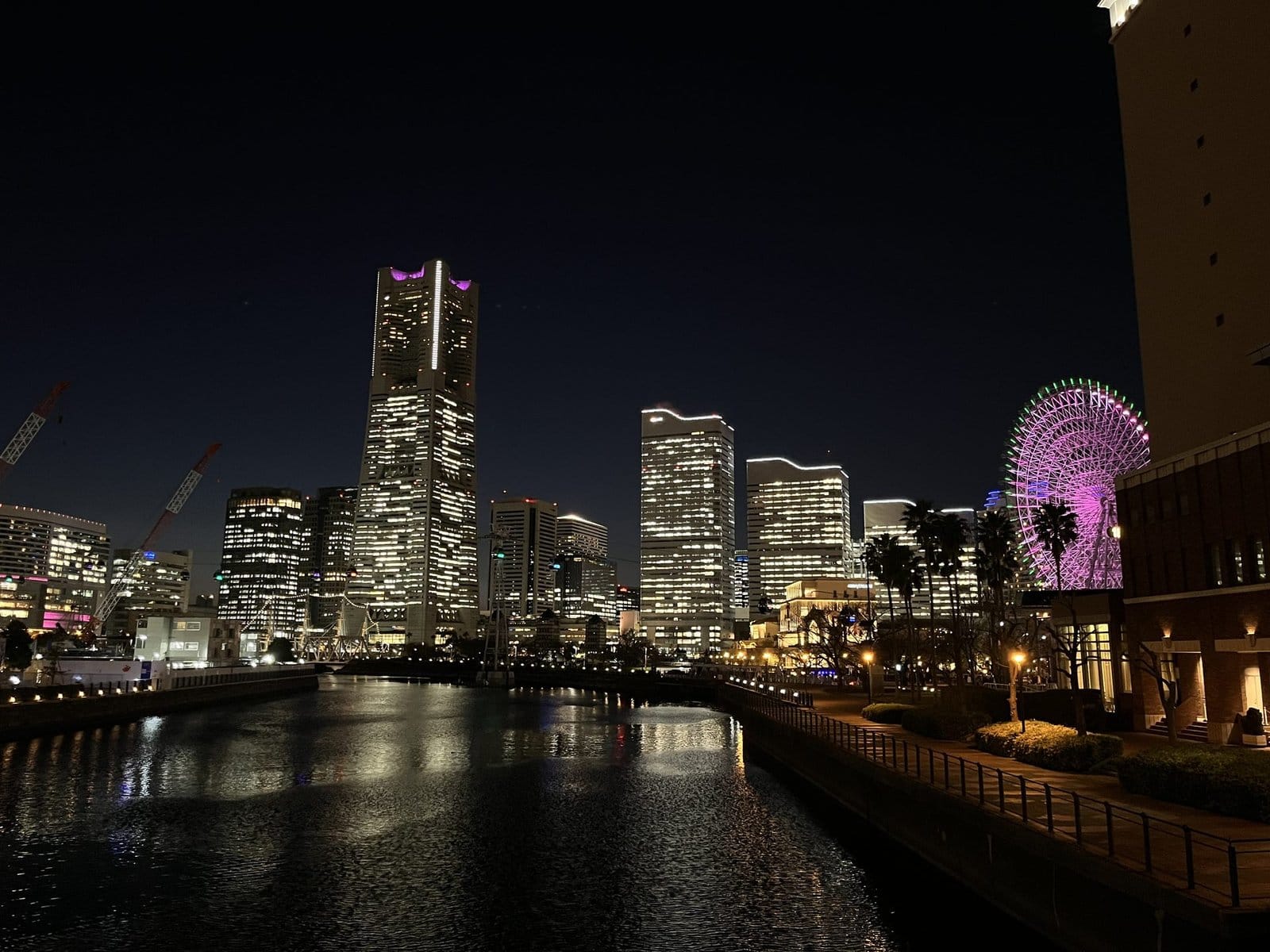
Heading in the same southern direction, 横浜(Yokohama) — Japan’s second-largest city — is less than 30 minutes away from 渋谷駅(Shibuya Station). The みなとみらい(Minato Mirai) harborfront area, featuring a giant Ferris wheel, the historic 横浜赤レンガ倉庫(Yokohama Red Brick Warehouse), and the seaside 山下公園(Yamashita Park), forms the region's most stunning skyline at sunset. Yokohama Chinatown (横浜中華街), the largest Chinatown in Japan, is a feast for foodies with steamed buns, roasted duck, and dim sum; noodle lovers can design their own custom cup at the カップヌードルミュージアム(Cup Noodles Museum) or visit the 新横浜ラーメン博物館(Shin-Yokohama Ramen Museum), which gathers famous ramen shops from across the nation.
Best Time to Visit
The strength of the Kanto region is that it can be visited year-round, though each season favors different directions. Spring (late March to early April) brings cherry blossoms to 鎌倉(Kamakura) and along the riverbanks in 川越(Kawagoe). Summer is great for the coastal breezes at 江の島(Enoshima) and summer fireworks displays in 横浜(Yokohama), though July and August are hot and humid, and 箱根(Hakone) is often too cloudy to view Mount Fuji clearly. Autumn (mid-October to late November) is the golden period for 日光(Nikko) and 箱根(Hakone) with brilliant fall leaves — which also means peak tourist crowds, so plan to depart before 7:00 AM.
Winter is surprisingly photogenic: the air is crisp and clear, yielding the highest annual probability of seeing 富士山(Mount Fuji) clearly from 箱根(Hakone) and 江の島(Enoshima). A snow-covered 日光(Nikko) also radiates a serene atmosphere completely different from peak tourist seasons.
Local Cuisine Highlights
Every day trip destination around Tokyo boasts its own must-try specialty: yuba (湯波 / tofu skin) in 日光(Nikko), crafted into full multi-course vegetarian kaiseki meals; black sulfur eggs at 大湧谷(Owakudani) in 箱根(Hakone); shirasu-don (しらす丼 / whitebait rice bowls) in 鎌倉(Kamakura) and 江の島(Enoshima); roasted sweet potatoes, craft beer, and udon noodles in 川越(Kawagoe); and a whole universe of Chinese culinary delights and regional ramen styles in 横浜(Yokohama).
A food budget for a day trip typically ranges from ¥2,000 to ¥4,000 ($13–$27 USD) if you choose casual local eateries, excluding street food snacks along the way — which are often the true soul of these day trips.
Transportation and Passes
The golden rule for getting around Tokyo’s regional areas is simple: private railway companies (Tobu Railway for 日光/Nikko and 川越/Kawagoe, Odakyu Electric Railway for 箱根/Hakone and 江の島/Enoshima) are generally cheaper than JR lines and offer convenient bundled passes that include local transit. Buy the specific pass for your target destination rather than forcing a single pass to cover everything. The JR TOKYO Wide Pass (around ¥15,000 / $100 USD for 3 consecutive days) is only worth buying if you pack multiple long-distance trips (like bullet train rides) into those 3 consecutive days. For closer destinations like 横浜(Yokohama) and 鎌倉(Kamakura), simply tapping a prepaid IC card (Suica / PASMO / Welcome Suica) or using a standard JR Pass or IC card pay-as-you-go setup is more than sufficient.
General advice: depart before 8:00 AM, avoid the evening rush hour, and always check the last train schedule — return trains to Tokyo from 箱根(Hakone) or 日光(Nikko) often end earlier than you think. Check out more Japan transit tips on the OlaChill blog.
Suggested Itineraries
If you are staying in Tokyo for 6–7 days, a balanced formula is 4 days in the city center and 2–3 day trip days: one day in 日光(Nikko) (early morning to evening), one full day in 箱根(Hakone) for the complete ropeway-cruise-onsen loop, and one day combining 鎌倉(Kamakura) with sunset at 江の島(Enoshima). If you only have one single spare day, choose 箱根(Hakone) on a clear day (for Mount Fuji views) or 鎌倉(Kamakura) if you prefer a relaxed pace with less travel time.
川越(Kawagoe) and 横浜(Yokohama) are ideal for "flexible half-day" trips — easily paired with an afternoon outing after a morning of shopping, or spent on your final day before heading to the airport. If you prefer a pre-arranged itinerary optimized for train pass value and route efficiency, OlaChill's Japan Tours can seamlessly integrate these day trips around Tokyo.
Tokyo is incredible, but it is the expanding circles beyond it — peaceful 日光(Nikko), expansive 箱根(Hakone), and the salty ocean breezes of 鎌倉(Kamakura) — that reveal how wonderfully diverse the Kanto region really is. With just a morning train ticket, Japan "beyond Tokyo" awaits right before your eyes.
More from this region — Tokyo & Kanto
View all →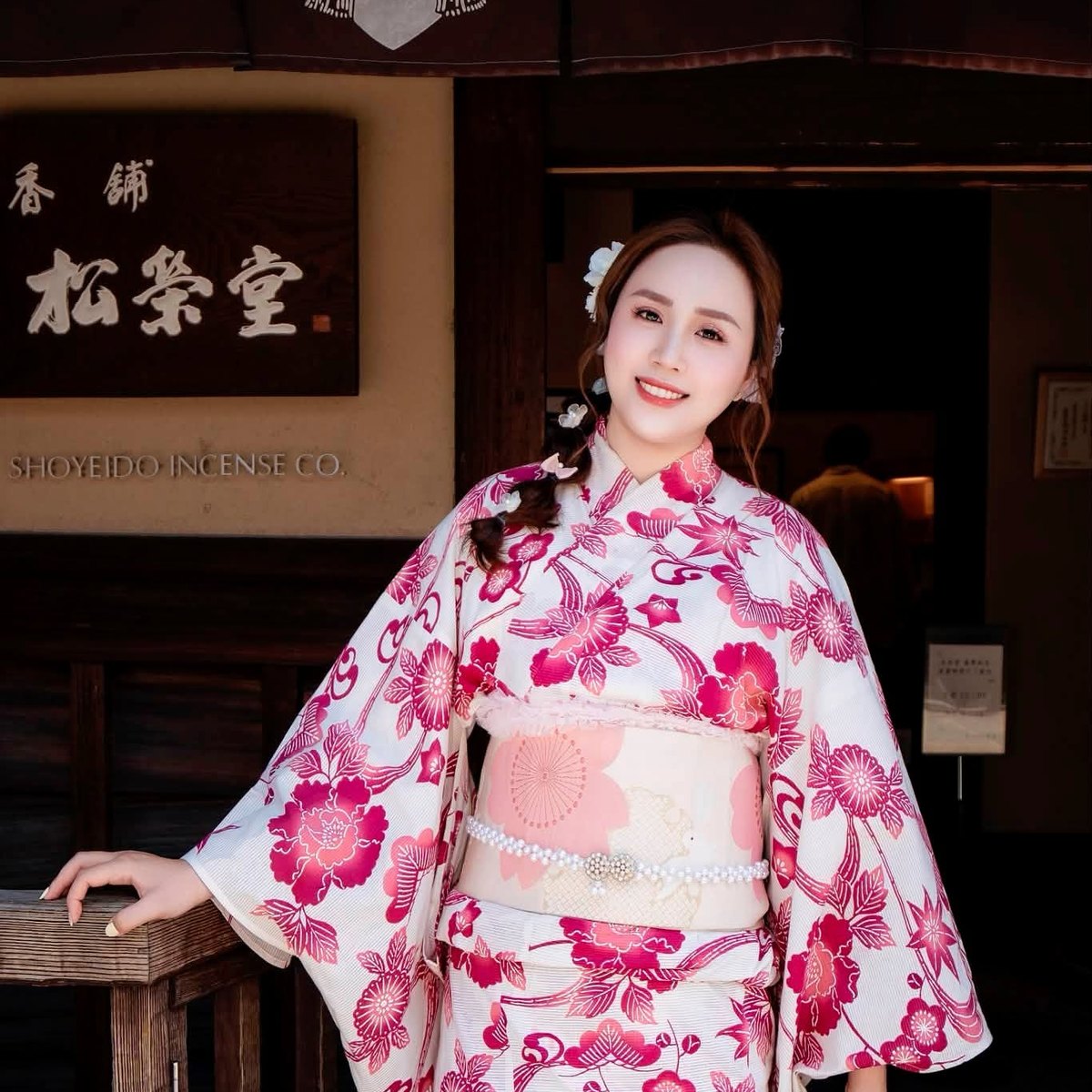
Kawagoe Little Edo in Kimono: Warehouse Streets, Candy Alley and Access from Tokyo
7 min · culture
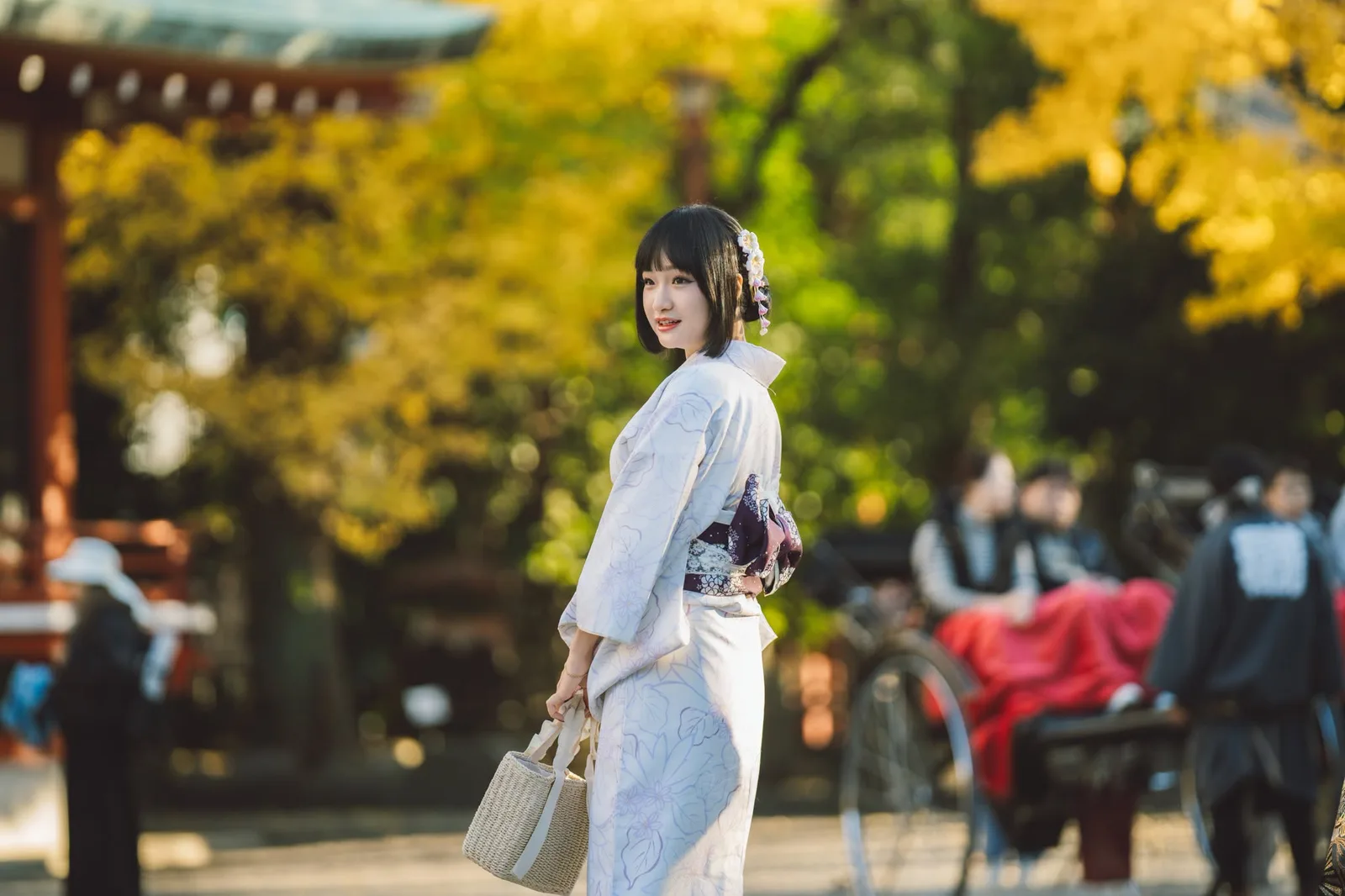
Kimono Experience in Asakusa: Strolling Through Old Japan
6 min · culture
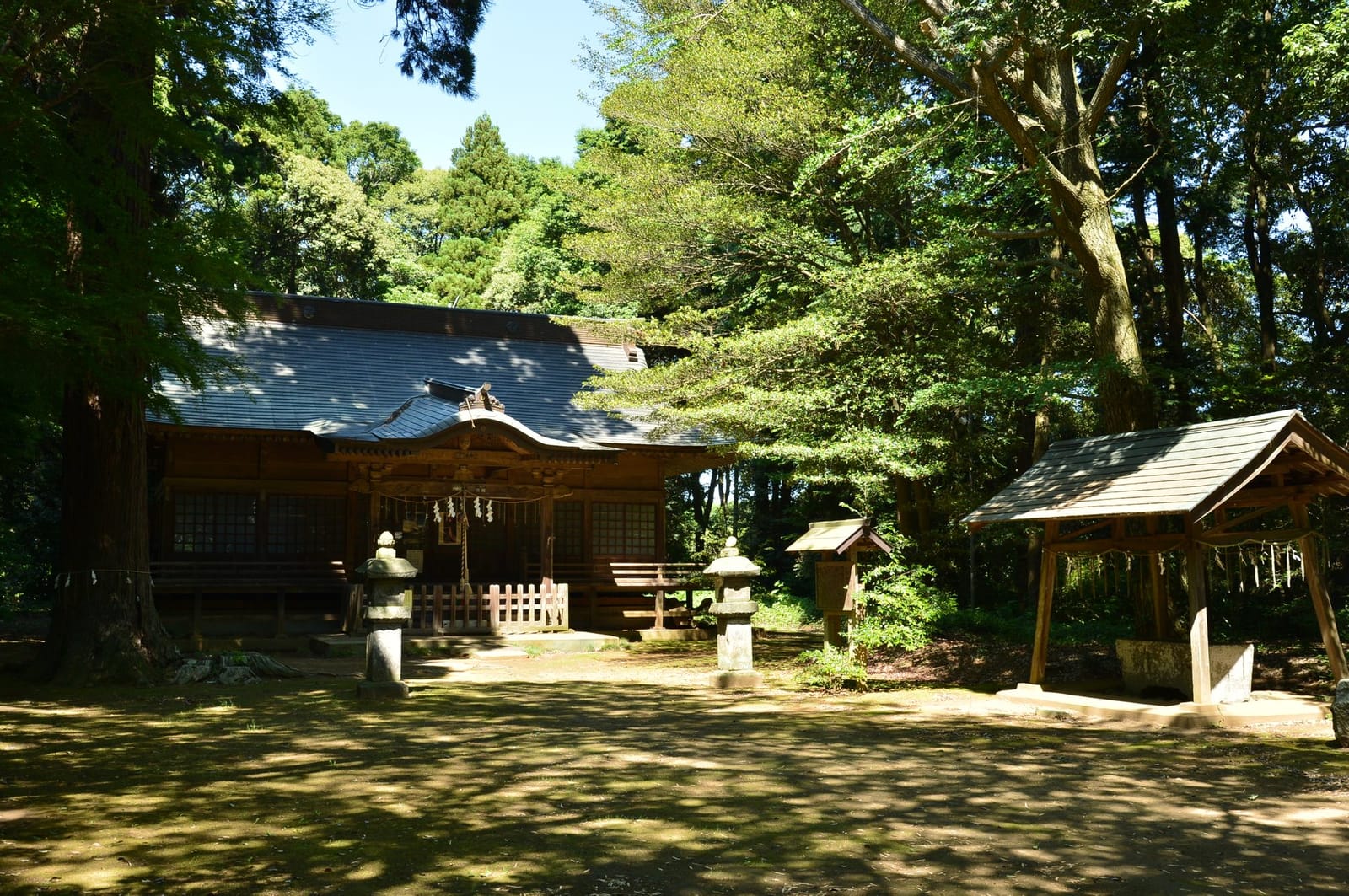
Kimono in Chiba: Where to Wear It, Best Photo Spots and How to Plan the Day
6 min · culture
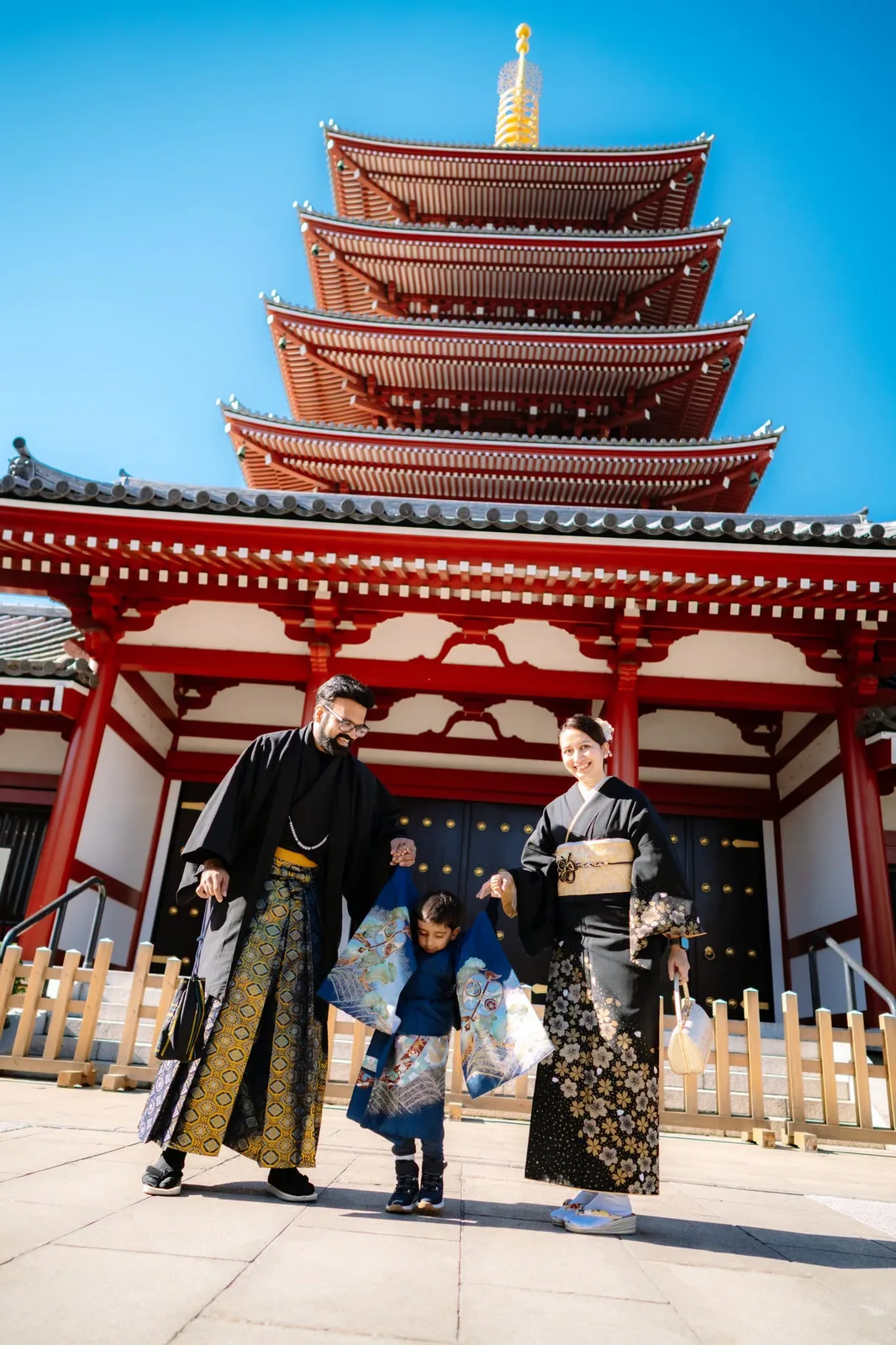
Kimono in Tokyo: Where to Wear It, Best Photo Spots and How to Plan the Day
7 min · culture