Traveling in Japan with Elderly Parents: Why a Private Minivan Helps
Aug 21, 2026 · ✍️ olablog · ⏱ 9 min read
Plan a gentler Japan trip with an Alphard-class private minivan, shorter sightseeing days, comfortable stops, and a licensed driver.
Taking your parents to Japan can be one of the most meaningful family trips you ever share. It can also become tiring quickly when every day involves long station walks, crowded trains, steep streets, and a strict sightseeing schedule.
A private 7-seat Alphard-class minivan with a licensed Japanese driver offers a more comfortable way to travel. Your family can move at a gentler pace, keep the same vehicle throughout the day, and spend more time enjoying Japan together instead of managing transfers.
The best senior-friendly itinerary is not about seeing everything. It is about making each day easy enough that everyone still has energy for dinner.
Why a Private Minivan Works Well for Senior Travelers
Japan’s public transport is efficient, but stations can be large and busy. A single train journey may involve long corridors, stairs, escalators, platform changes, and finding the correct exit. Even travelers who walk comfortably at home may feel exhausted after several sightseeing transfers.
With a private minivan, the driver can usually drop your family near the entrance of a temple, hotel, restaurant, or attraction, subject to local traffic and access rules. You avoid carrying luggage through stations and can return to the vehicle whenever your parents need a break.
A private vehicle also gives you flexibility when the day does not go exactly as planned. If your parents feel tired, you can shorten the visit, stop for a drink, or head back to the hotel without reorganizing an entire route.
The Comfort of an Alphard-Class Minivan
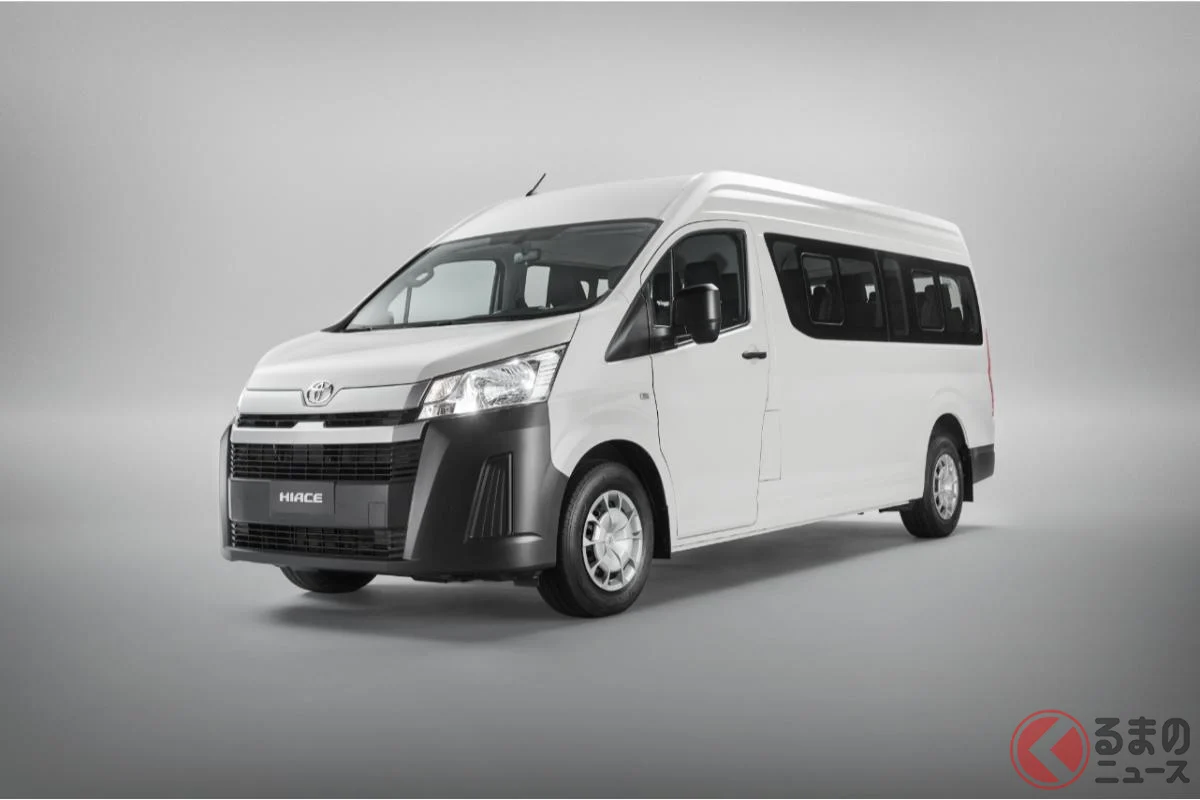
A 7-seat Alphard-class minivan is a practical choice for a small family group. Its sliding doors make boarding easier in narrow parking areas, while the spacious cabin gives passengers room to settle in comfortably.
The vehicle is not a wheelchair-accessible van with a powered ramp, so travelers who use a wheelchair should mention this clearly when requesting a vehicle. For parents who can walk with assistance, the driver can help create a smoother boarding routine, and the family can discuss any mobility needs in advance.
Helpful features for senior travelers may include:
- Easier entry than climbing into a high commercial van
- Wide sliding doors for less awkward boarding
- Comfortable individual seats with good legroom
- Air conditioning and heating for changing weather
- Space for day bags and a reasonable amount of luggage
- A quiet environment away from crowded public transport
- The option to keep coats, shopping bags, and walking aids in the vehicle
For a group of six or seven, luggage space may become limited. If you are traveling with large suitcases, tell the booking team your group size and luggage quantity before confirming the vehicle. A larger charter bus may be more suitable for airport transfers or multi-city travel.
Plan Shorter Days with More Breathing Room
A common mistake is to plan a Japan itinerary around the maximum number of places that can fit into one day. This often looks efficient on paper but leaves older travelers worn out by the afternoon.
Instead, choose one main sightseeing area and one or two nearby stops. For example, a Kyoto day might focus on one temple district, a relaxed lunch, and a scenic viewpoint rather than crossing the entire city several times.
A gentle daily rhythm could look like this:
- Start after breakfast rather than at dawn
- Visit one major attraction before lunch
- Take a proper seated lunch break
- Add one nearby stop in the afternoon
- Return to the hotel before dinner if needed
- Keep at least one flexible day during a longer trip
Tell your driver that comfort is more important than maintaining a strict schedule. A licensed Japanese operator can help with practical routing, traffic conditions, and suitable stopping points, while your family decides how much sightseeing feels right.
Schedule Regular Rest and Toilet Stops
Restroom planning is one of the simplest ways to make a family trip more comfortable. Do not wait until someone urgently needs a facility, especially on rural roads or during long sightseeing drives.
Convenient stopping points may include:
- Highway service areas
- Roadside stations
- Department stores
- Shopping centers
- Hotel lobbies
- Large restaurants
- Tourist facilities with accessible restrooms
Ask for a restroom stop before beginning a longer drive, and include another break after a few hours even if nobody has asked yet. A short stop to stretch, drink water, and reset can prevent discomfort later.
When planning routes outside major cities, such as the Fuji Five Lakes area, Hakone, Nikko, or the Japanese Alps, discuss restroom availability with the booking team. Mountain roads and scenic areas may have fewer facilities than city centers.
Choose Hotels and Attractions Carefully
A comfortable vehicle cannot solve every accessibility issue at the destination. Before finalizing your itinerary, check how far your parents must walk from the drop-off point to the entrance.
Look for:
- Hotels with elevators and minimal steps
- Rooms near the elevator if available
- Attractions with benches or indoor rest areas
- Restaurants where reservations are possible
- Facilities with accessible or Western-style toilets
- Scenic locations that do not require a long uphill walk
- Easy drop-off and pick-up points
Some famous temples, gardens, and historic neighborhoods have uneven stone paths, stairs, or sloped streets. They may still be worth visiting, but you can choose a shorter route and allow extra time. Your driver can often recommend a practical meeting point so your parents do not need to walk farther than necessary.
Private Minivan or Public Transport?
The right choice depends on your parents’ mobility, the group’s size, and your itinerary. Public transport can be excellent for short, direct journeys, while a private vehicle is especially useful when several destinations are spread across a region.
| Travel option | Advantages | Challenges for elderly parents |
|---|---|---|
| Private 7-seat minivan | Hotel-to-attraction travel, flexible breaks, no station transfers, private space | Higher cost than public transport; luggage capacity should be confirmed |
| Train and subway | Fast on many urban routes and useful for independent travelers | Long station walks, stairs, crowds, platform changes, and limited flexibility |
| Taxis booked separately | Convenient for short trips and small groups | Multiple vehicles may be needed; availability and communication can be difficult |
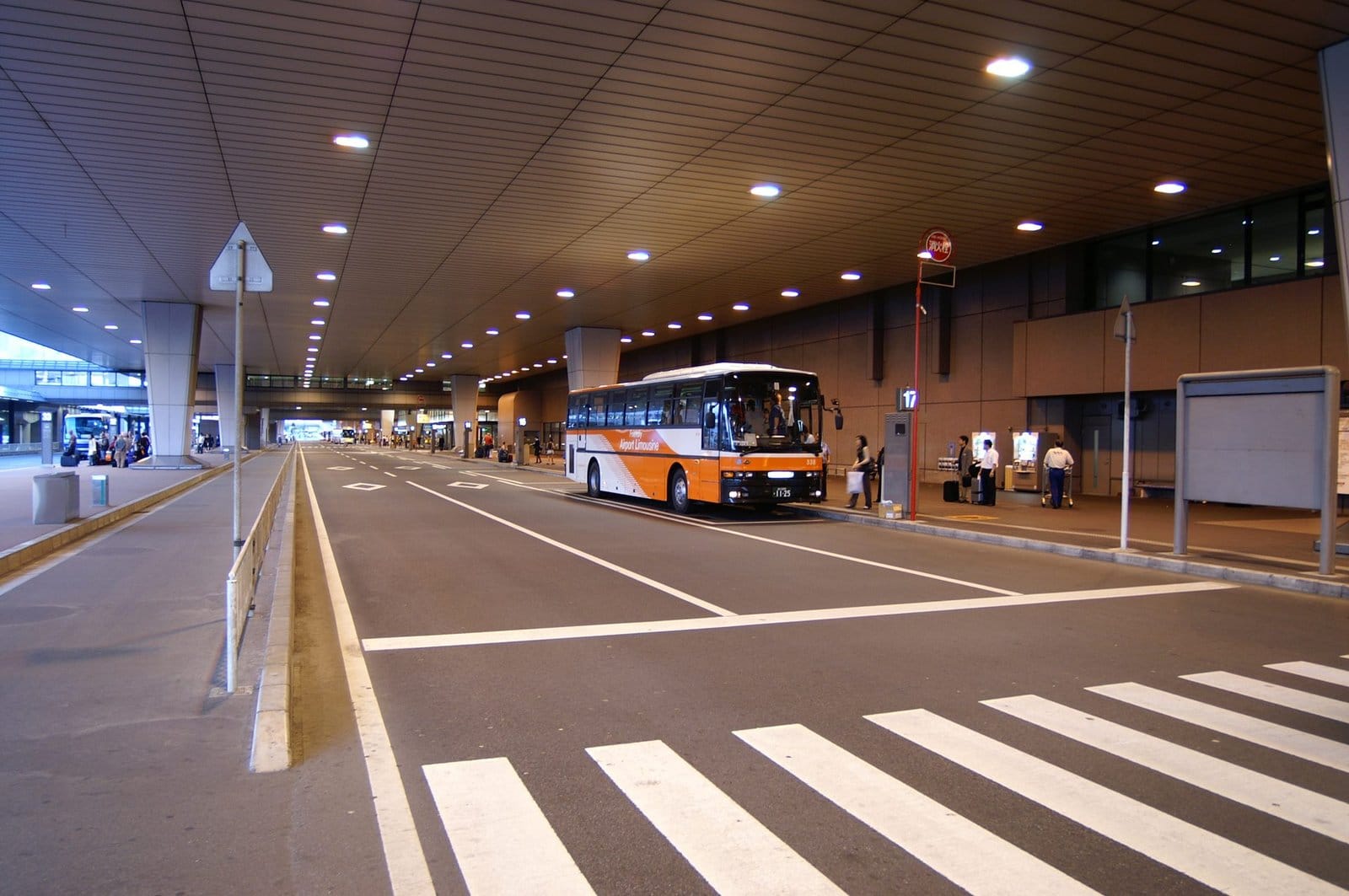
| Large group coach | More luggage and passenger space | Less suited to very small families and may have less flexible access in narrow streets |
For a multi-generational family, the value of a private minivan is often the reduced physical effort. You are paying for door-to-door convenience, a dedicated driver, and the ability to adapt the day—not simply for transport between two points.
Estimated Costs and What Affects the Quote
As a broad planning guide, a full-day private 7-seat minivan service may be estimated at approximately ¥80,000–¥130,000, depending on the route, duration, season, vehicle availability, and starting location. This is only an estimate, not a fixed price.
Long-distance routes, airport transfers, additional hours, toll roads, parking, and special vehicle requirements can affect the total. The exact quote comes from the booking form after your itinerary details are reviewed.
When requesting a quote, include:
- Travel dates
- Number of passengers
- Hotel or pick-up location
- Main destinations
- Expected luggage quantity
- Walking or mobility concerns
- Preferred start and finish times
- Whether you need airport or intercity transfers
Request a free quote from OlaChill through the booking form, and the team will reply within 24 hours.
How to Make the Day Even Easier
Small preparations can make a significant difference:
- Carry water, snacks, medication, and a light layer
- Bring comfortable shoes with good support
- Keep the itinerary visible in simple daily sections
- Avoid scheduling a long dinner far from the hotel
- Ask the driver about the nearest practical drop-off point
- Build in time for photos without rushing
- Keep one alternative indoor activity for rainy or very hot days
- Let parents choose when to rest rather than treating breaks as lost time
The driver is there to support the journey, but family members should remain responsible for medication, personal care, and mobility assistance. Share important information in advance so the trip can be planned realistically.
FAQ
Is a private minivan suitable if my parent walks slowly?
Yes. A private vehicle can reduce station transfers and long walks between attractions. Tell the booking team about walking speed, walking aids, and any stairs that should be avoided so the route can be planned more comfortably.
Can the driver help my parent get in and out of the vehicle?
The driver can generally assist with a smooth boarding process, depending on the situation. However, the minivan is not a medical transport vehicle or a wheelchair-accessible van with a ramp. Discuss specific assistance needs before booking.
How many people and suitcases fit in a 7-seat Alphard-class minivan?
The vehicle is designed for up to seven passengers, but luggage space depends on how many seats are occupied and the size of the suitcases. Provide accurate passenger and luggage details when requesting your quote.
Should we visit several cities in one day?
Usually, no. For elderly travelers, it is more comfortable to focus on one region per day and avoid unnecessary backtracking. If you need to travel between cities, consider a dedicated transfer day rather than combining it with a full sightseeing schedule.
Can we change the itinerary during the day?
Private travel is more flexible than a fixed group tour, but changes depend on driving hours, traffic, opening times, and the agreed service area. Discuss major changes with the driver or booking team as early as possible.