
Cheapest Flights from India to Japan
Find the cheapest flights from India to Japan. Route analysis from Delhi, Mumbai, Bengaluru, Chennai, Kolkata covering direct, one-stop, baggage, and food.
Jul 10, 2026·✍️ olablog·⏱ 22 min read
Find the cheapest flights from India to Japan. Route analysis from Delhi, Mumbai, Bengaluru, Chennai, Kolkata covering direct, one-stop, baggage, and food.
Planning your dream trip to Japan from India or Bangladesh? The cost of flights is often the biggest hurdle, but with smart planning, securing an affordable ticket is entirely possible. This comprehensive guide breaks down the cheapest flight strategies from major Indian cities – Delhi, Mumbai, Bengaluru, Chennai, and Kolkata – offering a route-by-route analysis, insights into seasonal pricing, essential baggage rules for your spice-laden luggage, and tips for maximising your frequent flyer miles. Let’s dive into how you can make your journey to the Land of the Rising Sun both memorable and economical, with round-trip fares often starting from ₹35,000-₹45,000 (approx. ¥62,500-¥80,000) during off-peak seasons.
Direct vs. One-Stop Flights: The Great Debate for Your Japan Trip
When booking flights from India to Japan, the fundamental choice you’ll face is between a direct flight and a one-stop journey. This decision significantly impacts not just the price, but also your travel time, comfort, and even your baggage considerations. For first-time visitors from India and Bangladesh, understanding this trade-off is crucial.
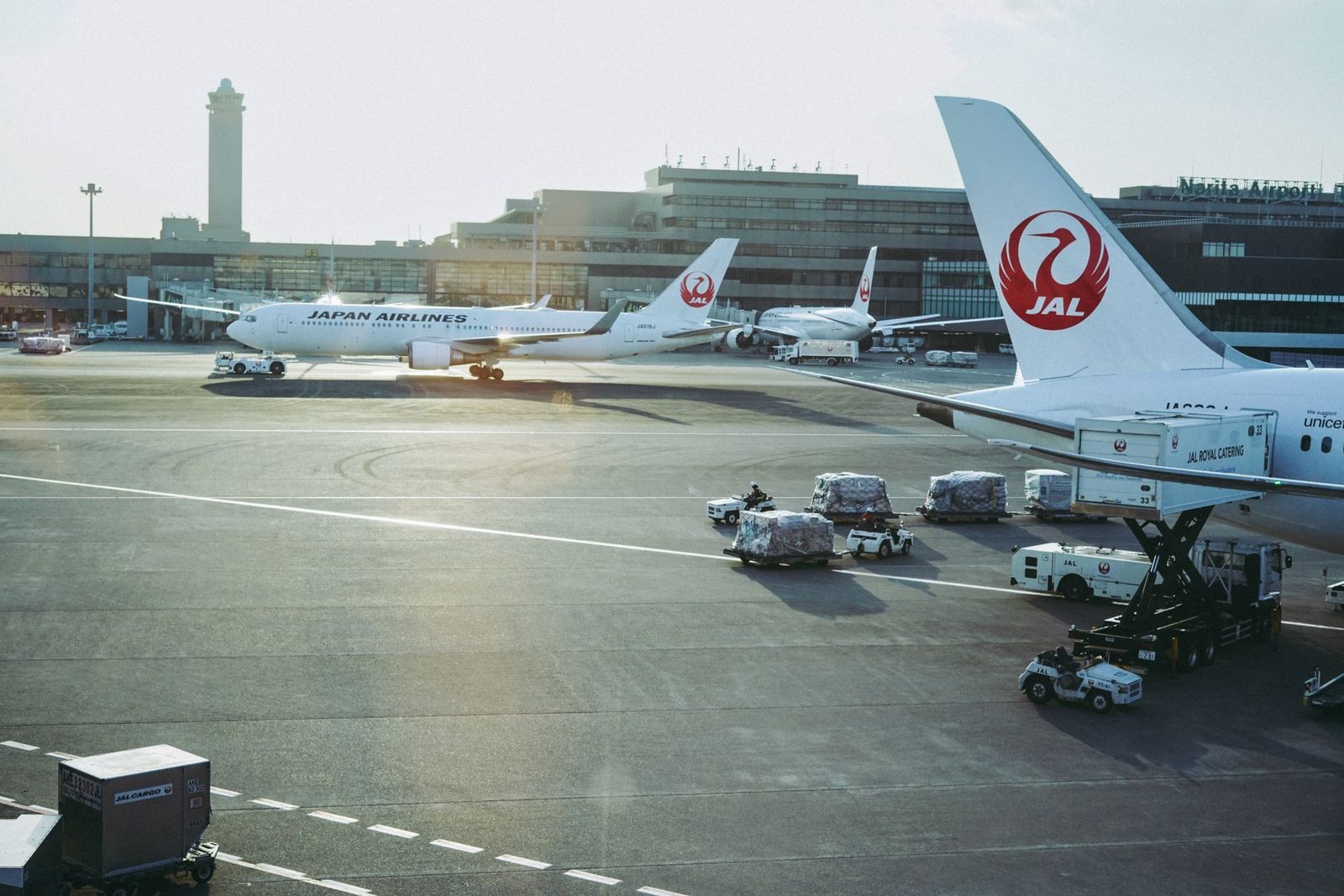
Direct flights, while offering unparalleled convenience by taking you straight from your departure city to Tokyo (primarily Narita, NRT, or Haneda, HND), typically come at a premium. Airlines like Japan Airlines (JAL), ANA (All Nippon Airways), and Air India operate direct routes from major Indian metros like Delhi. The benefit is clear: no layovers, no changing planes, and a quicker arrival. A direct flight from Delhi to Tokyo, for example, can clock in at around 7.5 to 8.5 hours. For those travelling with families, or who simply prefer minimal fuss, the higher cost often feels justified. However, during peak seasons, these direct routes can see prices soar well above ₹70,000-₹90,000 (approx. ¥125,000-¥160,000) for a round trip.
One-stop flights, on the other hand, are the budget traveler's best friend. These flights involve a layover, usually in a major aviation hub in Southeast Asia, the Middle East, or East Asia. Common layover cities include Bangkok (BKK), Singapore (SIN), Kuala Lumpur (KUL), Hong Kong (HKG), Seoul (ICN), and sometimes even Dubai (DXB) or Doha (DOH). While adding several hours to your total travel time – often ranging from 12 to 20 hours or more, depending on the layover duration – the cost savings can be substantial, sometimes as much as 30-50% compared to direct options. For a round trip, a one-stop flight could bring your fare down to ₹35,000-₹50,000 (approx. ¥62,500-¥90,000) during off-peak times.
The economics are simple: airlines use these hubs to consolidate passengers from various origins, filling planes more efficiently and thus offering lower fares. For travelers from India and Bangladesh, who are often conscious of overall trip costs, these one-stop connections are frequently the most practical and popular choice. When evaluating one-stop options, pay close attention to the layover duration. A short layover (1.5-3 hours) can be efficient, but too short risks missing connecting flights due to delays, especially if you have to change terminals. Conversely, an excessively long layover (8+ hours) can be tiring, though some savvy travelers use it as an opportunity for a quick city tour, provided visa regulations allow. Remember to check airline baggage policies carefully, as these can sometimes differ slightly between connecting carriers, though generally, your luggage will be checked through to your final destination in Japan.
Understanding Seasonal Fare Curves from India to Japan
Flight prices from India to Japan are not static; they fluctuate significantly based on demand, which is heavily influenced by Japan's distinct seasons and major holidays. Mastering these seasonal fare curves is key to snagging the cheapest tickets. For travelers from India and Bangladesh, understanding the best times to book can mean savings of thousands of rupees.
Japan experiences four distinct seasons, each attracting different types of tourists. The peak travel seasons, when flight prices soar, are typically during the cherry blossom season (late March to early April) and the autumn foliage season (late October to early November). These periods are immensely popular globally, leading to high demand and premium pricing for flights. Expect round-trip fares to easily exceed ₹60,000-₹80,000 (approx. ¥107,000-¥143,000) from major Indian cities during these times, even for one-stop flights. The summer months (July-August), while hot and humid, also see a surge in family travel, pushing prices up, though usually not as high as spring or autumn.
The sweet spot for budget travelers lies in the shoulder and off-peak seasons. The "shoulder seasons" are late April to May (after cherry blossoms, before summer heat) and mid-September to mid-October (after summer, before peak autumn). During these times, the weather is often pleasant, tourist crowds are thinner, and critically, flight prices tend to be more reasonable. You might find one-stop round trips in the range of ₹45,000-₹60,000 (approx. ¥80,000-¥107,000).
The absolute cheapest time to fly from India to Japan is generally during the winter months (late November to mid-March, excluding the New Year period) and the rainy season, known as tsuyu (roughly mid-June to mid-July). Similar to the monsoon season in India and Bangladesh, tsuyu brings daily rain, which deters some tourists, leading to lower demand and more attractive flight prices. Winter, while cold, offers unique experiences like snow festivals and stunning views of Mount Fuji, and can yield round-trip fares as low as ₹35,000-₹45,000 (approx. ¥62,500-¥80,000). If you don't mind the cold or the rain, these are the periods to target.
Tips for Tracking Fares:
- Be Flexible: If your travel dates are flexible, you can often save significantly. A difference of a few days can sometimes change the price by thousands of rupees.
- Book in Advance: Generally, booking 3-6 months in advance for peak season travel, and 2-4 months for off-peak, yields the best prices. Last-minute deals are rare for popular international routes.
- Price Alerts: Set up price alerts on flight comparison websites like Google Flights, Skyscanner, or Kayak. These tools will notify you when fares drop for your desired route.
- Consider Midweek Travel: Flights departing on Tuesdays, Wednesdays, and Thursdays are often cheaper than weekend departures.
- Incognito Mode: While not a guaranteed hack, some travelers report seeing different prices when searching in incognito mode or clearing browser cookies, suggesting dynamic pricing based on search history. It's worth trying.
Delhi (DEL) to Japan: Your Gateway to the Land of the Rising Sun
Delhi, as India's capital and a major international hub, offers some of the best connectivity to Japan. Travelers from Delhi have access to direct flights, which are a considerable advantage, as well as a multitude of one-stop options that often present significant savings.
Direct Flights:
- Airlines: Air India, Japan Airlines (JAL), and ANA (All Nippon Airways) are the primary carriers offering direct flights from Delhi's Indira Gandhi International Airport (DEL) to Tokyo's Narita (NRT) or Haneda (HND) airports.
- Journey Time: Approximately 7.5 to 8.5 hours.
- Typical Fares (Round Trip):
- Peak Season: ₹70,000 - ₹100,000+ (approx. ¥125,000 - ¥180,000+)
- Shoulder Season: ₹60,000 - ₹80,000 (approx. ¥107,000 - ¥143,000)
- Off-Peak Season: ₹50,000 - ₹70,000 (approx. ¥90,000 - ¥125,000)
One-Stop Flights (Cheaper Alternatives): For budget-conscious travelers, one-stop flights are the way to go. These flights typically involve a layover in one of Asia's major aviation hubs.
- Common Airlines: Singapore Airlines, Thai Airways, Cathay Pacific, Malaysia Airlines, Vietnam Airlines, China Southern, China Eastern, Emirates, Qatar Airways.
- Common Layovers: Singapore (SIN), Bangkok (BKK), Kuala Lumpur (KUL), Hong Kong (HKG), Seoul (ICN), Shanghai (PVG), Dubai (DXB), Doha (DOH).
- Journey Time (Total): 12 to 20+ hours, depending on the layover.
- Typical Fares (Round Trip):
- Peak Season: ₹50,000 - ₹75,000 (approx. ¥90,000 - ¥134,000)
- Shoulder Season: ₹40,000 - ₹60,000 (approx. ¥71,000 - ¥107,000)
- Off-Peak Season: ₹35,000 - ₹50,000 (approx. ¥62,500 - ¥90,000)
Booking Strategy for Delhi: To secure the best prices from Delhi, consider flying with airlines like AirAsia X (via KUL), Scoot (via SIN), or Vietjet Air (via SGN/HAN) if you are comfortable with budget carriers and their often stricter baggage policies. These can sometimes offer exceptionally low fares, especially during promotions. Legacy carriers like Singapore Airlines and Cathay Pacific, while often more expensive than budget options, provide excellent service and often competitive fares during sales periods. Look out for flash sales from these airlines, often announced a few months in advance.
Mumbai (BOM) to Japan: Navigating the Skies from India's Financial Hub
Mumbai, India's financial capital, is another vital gateway for international travel, offering a robust selection of flights to Japan. While direct flights are less common than from Delhi, Mumbai travelers have excellent one-stop options that are frequently more economical.
Direct Flight Availability:
- Historically, direct flights from Mumbai (BOM) to Tokyo have been sporadic or seasonal. As of 2026, direct connectivity is less consistent compared to Delhi. Always check the latest schedules with airlines like JAL, ANA, or Air India. If available, expect prices and journey times similar to Delhi's direct routes.
One-Stop Flights (The Practical Choice): For Mumbai travelers, one-stop connections are the most practical and often the most budget-friendly way to reach Japan.
- Common Airlines: Singapore Airlines, Thai Airways, Cathay Pacific, Malaysia Airlines, Emirates, Qatar Airways, Etihad Airways, Vistara (often code-sharing with ANA or other Star Alliance partners), IndiGo (code-sharing or connecting flights).
- Common Layovers: Singapore (SIN), Bangkok (BKK), Kuala Lumpur (KUL), Hong Kong (HKG), Seoul (ICN), Dubai (DXB), Doha (DOH), Abu Dhabi (AUH).
- Journey Time (Total): 13 to 22+ hours, depending on the layover duration and efficiency.
- Typical Fares (Round Trip):
- Peak Season: ₹55,000 - ₹80,000 (approx. ¥98,000 - ¥143,000)
- Shoulder Season: ₹45,000 - ₹65,000 (approx. ¥80,000 - ¥116,000)
- Off-Peak Season: ₹40,000 - ₹55,000 (approx. ¥71,000 - ¥98,000)
Booking Strategy for Mumbai: From Mumbai, airlines like Singapore Airlines (via Changi Airport, SIN) and Thai Airways (via Suvarnabhumi Airport, BKK) are consistently popular choices, offering reliable service and good connections. Emirates and Qatar Airways, while involving a slightly longer western detour, often have competitive pricing and excellent service, making them worth considering. For those seeking the absolute lowest fares, keep an eye on budget carriers like Scoot or AirAsia X, though be mindful of their baggage policies and potential add-on costs. Connecting flights within India to Delhi to catch a direct flight might also be an option, but the added domestic travel time and potential for separate bookings can be cumbersome and sometimes negate the savings.
Bengaluru (BLR) to Japan: Tech Hub to Tech Haven – Flight Strategies
Bengaluru, India's Silicon Valley, has a growing number of international routes, making it increasingly convenient for residents to fly to Japan. While direct flights are rare, the city offers numerous efficient one-stop connections.
Direct Flight Availability:
- Direct flights from Bengaluru (BLR) to Tokyo are not commonly available. Travelers will almost certainly need to opt for a one-stop journey.
One-Stop Flights (Optimising for Efficiency): The key for Bengaluru travelers is to find one-stop flights with efficient connections, minimizing overall travel time.
- Common Airlines: Singapore Airlines, Thai Airways, Cathay Pacific, Malaysia Airlines, Vistara (often code-sharing), IndiGo (code-sharing or connecting flights), Emirates, Qatar Airways, Etihad Airways.
- Common Layovers: Singapore (SIN), Bangkok (BKK), Kuala Lumpur (KUL), Hong Kong (HKG), Dubai (DXB), Doha (DOH), Abu Dhabi (AUH).
- Journey Time (Total): 13 to 20+ hours.
- Typical Fares (Round Trip):
- Peak Season: ₹55,000 - ₹85,000 (approx. ¥98,000 - ¥152,000)
- Shoulder Season: ₹45,000 - ₹70,000 (approx. ¥80,000 - ¥125,000)
- Off-Peak Season: ₹40,000 - ₹60,000 (approx. ¥71,000 - ¥107,000)
Booking Strategy for Bengaluru: Airlines like Singapore Airlines (via SIN) and Cathay Pacific (via HKG) often provide excellent connections from Bengaluru, known for their reliability and service quality. Given Bengaluru's tech-savvy population, leveraging flight comparison websites and setting up price alerts is highly recommended. Consider flexible dates to find the best deals. Also, keep an eye on connections via Middle Eastern carriers, as they frequently offer competitive pricing from South India, despite the slightly longer route. For those who value comfort and service, airlines like Emirates and Qatar Airways can be worth the slightly higher fare.
Chennai (MAA) and Kolkata (CCU) to Japan: Southern and Eastern Connections
Travelers from Chennai and Kolkata also have good options for reaching Japan, primarily through one-stop connections in Southeast Asia or the Middle East. While direct flights are virtually non-existent from these cities, the network of connecting flights is robust.
Chennai (MAA) to Japan
Chennai, a major South Indian port city, is well-connected to Southeast Asian hubs, making it a viable departure point for Japan.
- Direct Flight Availability: No direct flights from Chennai (MAA) to Japan.
- One-Stop Flights:
- Common Airlines: Singapore Airlines, Malaysia Airlines, Thai Airways, Cathay Pacific, SriLankan Airlines (via Colombo), Emirates, Qatar Airways, Etihad Airways.
- Common Layovers: Singapore (SIN), Kuala Lumpur (KUL), Bangkok (BKK), Colombo (CMB), Dubai (DXB), Doha (DOH), Abu Dhabi (AUH).
- Journey Time (Total): 14 to 22+ hours.
- Typical Fares (Round Trip):
- Peak Season: ₹50,000 - ₹75,000 (approx. ¥90,000 - ¥134,000)
- Shoulder Season: ₹40,000 - ₹60,000 (approx. ¥71,000 - ¥107,000)
- Off-Peak Season: ₹35,000 - ₹50,000 (approx. ¥62,500 - ¥90,000)
Booking Strategy for Chennai: For Chennai, Singapore Airlines and Malaysia Airlines often offer some of the most competitive fares and convenient connections to Tokyo or Osaka. SriLankan Airlines via Colombo can also be a surprisingly affordable option. Always compare total travel time, including layovers, against the price. Budget airlines like Scoot and AirAsia X also operate from Chennai and can offer very attractive base fares, but remember to factor in baggage and meal costs.
Kolkata (CCU) to Japan
Kolkata, the major hub in Eastern India, also relies on one-stop connections to Japan, primarily through Southeast Asian and Middle Eastern routes.
- Direct Flight Availability: No direct flights from Kolkata (CCU) to Japan.
- One-Stop Flights:
- Common Airlines: Thai Airways, Singapore Airlines, Malaysia Airlines, Biman Bangladesh Airlines (via Dhaka, for Bangladeshi travelers), Emirates, Qatar Airways, Drukair (via Paro/Bagdogra, less common).
- Common Layovers: Bangkok (BKK), Singapore (SIN), Kuala Lumpur (KUL), Dhaka (DAC - for Biman Bangladesh connections), Dubai (DXB), Doha (DOH).
- Journey Time (Total): 14 to 24+ hours.
- Typical Fares (Round Trip):
- Peak Season: ₹50,000 - ₹78,000 (approx. ¥90,000 - ¥139,000)
- Shoulder Season: ₹40,000 - ₹62,000 (approx. ¥71,000 - ¥111,000)
- Off-Peak Season: ₹35,000 - ₹52,000 (approx. ¥62,500 - ¥93,000)
Booking Strategy for Kolkata: Thai Airways via Bangkok is a very popular and often efficient choice from Kolkata. Singapore Airlines and Malaysia Airlines also provide reliable connections. For travelers from Bangladesh, Biman Bangladesh Airlines offers connections via Dhaka, which might be a natural choice for convenience, though direct comparisons with other international carriers are always advisable for pricing. Consider airlines that offer short, efficient layovers to minimize overall travel time from Kolkata.
Baggage Rules & Spice-Laden Luggage: What You Need to Know
For travelers from India and Bangladesh, understanding baggage rules, especially concerning food items and spices, is crucial. Airlines flying to Japan generally have standard international baggage policies, but there are nuances to consider, particularly when carrying items popular in our home countries.
General Baggage Allowance (Economy Class):
- Checked Baggage: Most full-service international airlines (e.g., JAL, ANA, Air India, Singapore Airlines, Cathay Pacific, Emirates, Qatar Airways) typically allow 1 or 2 pieces of checked luggage, with each piece weighing up to 23 kg (50 lbs). Some may offer a total weight allowance of 30-32 kg. Always verify with your specific airline.
- Carry-on Baggage: Generally, one piece of carry-on luggage (up to 7 kg or 10 kg, depending on the airline) plus a personal item (laptop bag, handbag) is allowed. Dimensions are strictly enforced.
Spice-Laden Luggage: Packing Indian & Bangladeshi Delights Bringing home comforts like spices, pickles, and ready-to-eat mixes is common for travelers. Here’s what to keep in mind:
- Spices (Dry): Dried whole or ground spices are generally allowed in both checked and carry-on luggage. It's best to pack them in sealed, airtight containers or multiple layers of zip-lock bags to prevent odors from spreading and to comply with any potential customs checks. For large quantities, checked luggage is always preferable.
- Pickles & Wet Items: Liquid or semi-liquid items like pickles, chutneys, and curries (even if dried or paste-like) must adhere to liquid restrictions for carry-on luggage (100ml per container, total 1 litre, in a clear, re-sealable bag). For larger quantities, these MUST be packed in checked luggage. Ensure they are extremely well-sealed to prevent leakage, which can damage your belongings and those of others. Double-bagging and wrapping with cling film is a good practice.
- Snacks & Ready Meals: Packaged snacks, biscuits, and dry ready-to-eat mixes (e.g., poha, upma mixes) are generally fine in checked luggage.
- Customs Declarations (Japan): When you arrive in Japan, you will need to fill out a customs declaration form. If you are bringing food items, especially those that might be perceived as unusual or requiring inspection, it is always best to declare them. Japan has strict rules on certain agricultural products, meats, and fresh produce. While processed, packaged spices and snacks are usually fine, failure to declare can lead to fines or confiscation. When in doubt, declare it.
- Prohibited Items: Be aware of items prohibited by Japanese customs, such as fresh fruits, vegetables, certain meat products (unless canned or processed under specific regulations), and plants. Always check the latest Japanese customs regulations before packing.
Budget Airlines (e.g., Scoot, AirAsia X, Vietjet Air): These airlines typically have much stricter baggage policies. The base fare often includes only carry-on luggage, and checked baggage must be purchased separately. The cost for checked baggage can sometimes add significantly to the overall ticket price, so always factor this in when comparing fares. Their weight allowances are also usually lower, often 20 kg for checked baggage and 7 kg for carry-on. Overweight fees can be very steep. Plan carefully if you intend to bring a lot of luggage or items like spices on a budget carrier.
Redemption Sweet Spots: Maximising Your Miles for Japan Flights
For frequent flyers from India and Bangladesh, or those with credit cards that earn airline miles, redeeming points for flights to Japan can unlock incredible value, often reducing your cash outlay significantly. This requires understanding airline alliances and identifying "sweet spots" where your miles yield the most benefit.
Airline Alliances and Partners: The three major airline alliances are:
- Star Alliance: Includes Air India (though its international connections via Star Alliance partners are key), ANA, Singapore Airlines, Thai Airways, Turkish Airlines, Lufthansa, United, and others. If you earn points with any Star Alliance member, you can often redeem them for flights on other member airlines.
- Oneworld Alliance: Includes Cathay Pacific, Japan Airlines (JAL), Qatar Airways, British Airways, and others.
- SkyTeam Alliance: Includes Vietnam Airlines, Korean Air, Delta, Air France/KLM, and others.
Common Redemption Strategies from India/Bangladesh:
- Air India Flying Returns (Star Alliance): If you frequently fly Air India domestically or internationally, accumulating Flying Returns miles can be beneficial. You can redeem these for flights on Air India's direct Delhi-Tokyo route or on Star Alliance partners like ANA or Singapore Airlines for connecting flights. Redemption values vary, but a round-trip economy ticket to Japan could cost anywhere from 50,000 to 80,000 miles, plus taxes and fuel surcharges.
- Vistara Club Vistara (Star Alliance Partner - potentially): Vistara, while not a full Star Alliance member, has code-share agreements with ANA and other Star Alliance carriers. If you accumulate Club Vistara points, check their redemption charts for partner airlines. This can be a strong option, especially for connecting flights.
- Singapore Airlines KrisFlyer (Star Alliance): KrisFlyer miles are highly regarded for their value. You can earn KrisFlyer miles through flying Singapore Airlines or its Star Alliance partners, or through various credit card transfers in India. Redeeming KrisFlyer miles for flights on Singapore Airlines (via SIN) or ANA can offer excellent value, particularly during promotional periods.
- Cathay Pacific Asia Miles (Oneworld): For those accumulating Asia Miles through Cathay Pacific flights (via HKG) or credit card partners, this can be a strong contender for JAL flights to Japan. Asia Miles often has reasonable redemption rates, though fuel surcharges can sometimes be high.
- Emirates Skywards & Qatar Airways Privilege Club: While not part of the major alliances to Japan, these are popular programs in India and Bangladesh. You can redeem Skywards or Privilege Club miles for flights on their respective carriers via Dubai or Doha. While this route involves a slight detour, their excellent service and competitive redemption rates (especially during sales) can make them worthwhile.
- Credit Card Points Transfer: Many premium credit cards in India offer points that can be transferred to various airline loyalty programs (e.g., American Express Membership Rewards, HDFC Bank Infinia/Regalia, Axis Bank Magnus/Reserve). Before transferring, compare the redemption value across different airline programs for your desired Japan route. Look for transfer bonuses, where credit card companies offer extra miles when you transfer points to a specific airline program.
Sweet Spot Tips:
- Avoid Peak Season Redemptions: While technically possible, redeeming miles during cherry blossom or autumn foliage seasons often requires a huge number of miles and has limited availability. Your miles will go much further during shoulder or off-peak seasons.
- Look for Partner Availability: Sometimes, the best redemption value comes from booking on a partner airline rather than the airline whose miles you hold. For example, using Air India Flying Returns miles to book an ANA flight might be a better deal than booking an Air India flight if availability and surcharges differ.
- Consider Business/First Class: For some, the "sweet spot" is redeeming for premium cabins. While requiring significantly more miles, the cash price for business or first class is often exorbitant, making miles a fantastic way to experience luxury travel at a fraction of the cost.
- Booking Windows: Award availability for popular routes like Japan often opens 11-12 months in advance. Booking as soon as the window opens gives you the best chance of securing seats. Conversely, some last-minute award seats can appear closer to departure if travel plans change for others.
Navigating In-Flight Food: Vegetarian and Halal Options on Your Journey
For travelers from India and Bangladesh, concerns about meal options, particularly vegetarian and halal food, are very real. Most international airlines flying to Japan are well-equipped to cater to these dietary needs, but proactive planning is key.
Pre-Ordering Special Meals is Essential: The most important rule is to always pre-order your special meal at least 24 to 48 hours before your flight. Do not assume that vegetarian or halal options will be available by default, especially on shorter segments or if the flight is heavily booked. When booking your ticket online, there's usually an option to select special meals. If you book through a travel agent, ensure they make this request for you. You can also call the airline directly to add the meal request to your booking.
Common Special Meal Codes and What They Mean:
- Vegetarian Options:
- AVML (Asian Vegetarian Meal / Indian Vegetarian Meal): This is typically the most suitable option for Indian vegetarians. It's usually a non-dairy, non-egg, spicy vegetarian meal prepared in the style of Indian cuisine, often including curries, rice, lentils, and bread.
- VLML (Vegetarian Lacto-Ovo Meal): This is a Western-style vegetarian meal that may include dairy products and eggs. It's suitable for vegetarians who consume these.
- VGML (Vegetarian Vegan Meal): This is strictly plant-based, with no meat, fish, dairy, eggs, or honey.
- Halal Options:
- MOML (Muslim Meal): This meal is prepared in accordance with Islamic dietary laws, containing no pork or pork products, no alcohol, and using halal-certified meats (if meat is included). It's the standard for halal travelers.
What to Expect on Different Airlines:
- Full-Service Carriers (JAL, ANA, Air India, Singapore Airlines, Emirates, Qatar Airways, etc.): These airlines generally offer a good range of special meals. The quality and variety can be quite good, especially on Middle Eastern and Southeast Asian carriers. Air India, being an Indian carrier, often has excellent AVML options by default.
- Budget Carriers (Scoot, AirAsia X, Vietjet Air): Special meals, including vegetarian and halal options, are typically not included in the base fare and must be purchased separately. Make sure to add this during your booking process or manage your booking online afterward. Their selection might be more limited, and the quality can vary. Always check their specific meal policies.
Tips for a Stress-Free Meal Experience:
- Confirm Your Meal: Before boarding, or as soon as you are seated, politely confirm with the cabin crew that your special meal request is noted.
- Carry Snacks: Always carry some non-perishable, dry snacks from home (e.g., biscuits, nuts, energy bars, dry fruit). This is a good backup in case of delays, meal mix-ups, or if the airline meal doesn't fully satisfy you.
- Layover Meals: If you have a long layover, especially in a major hub like Singapore, Dubai, or Bangkok, these airports often have a wide array of food options, including dedicated halal restaurants or vegetarian-friendly eateries. Use apps like HalalGuide or simply look for signs.
- Hydration: Drink plenty of water throughout your flight to stay hydrated, especially on long-haul journeys.
By being proactive and communicating your dietary needs, you can ensure a comfortable and satisfying culinary experience on your flight to Japan.
Key Takeaways
- One-Stop Flights Offer Best Value: For most Indian and Bangladeshi travelers, one-stop flights offer the best value.
More from this region — Other
View all →
Japan's Flower Festivals – Hanami, Hana Matsuri, and the Best Blooms Season by Season
7 min · seasonal

Forex Card, International Debit Card or Cash
19 min · tips

Free Days Between Hospital Appointments in Japan: Gentle Ideas
5 min · tips

Japan Garbage Disposal Rules – How to Sort Trash Correctly
2 min · tips