Japan's Flower Festivals – Hanami, Hana Matsuri, and the Best Blooms Season by Season
From cherry blossom picnics to the Buddhist flower festival – your complete guide to Japan's flower festivals, timed perfectly so you catch peak bloom and dodge the crowds.
Apr 8, 2026·✍️ olablog·⏱ 7 min read
From cherry blossom picnics to the Buddhist flower festival – your complete guide to Japan's flower festivals, timed perfectly so you catch peak bloom and dodge the crowds.
If there's one thing that keeps travelers coming back to Japan year after year, it's the flower festivals. This isn't just stopping to smell the roses — Hanami (cherry blossom viewing), Hana Matsuri (the Buddhist flower festival), and hundreds of other blooming celebrations scattered across the country represent an entire way of life. Think: picnic tarps spread beneath ancient trees, convenience-store onigiri traded for proper bento boxes, cold cans of sake cracked open with strangers, and petals drifting down like pink snow while everyone just… exhales.
This guide draws on multiple seasons of chasing blooms across Japan — from Tokyo and Kyoto down to Kyushu and all the way up to Hokkaido — to help you time your trip right, avoid the worst crowds, and come home with photos that look like they belong in a travel magazine.
Hanami – The Soul of Japanese Spring
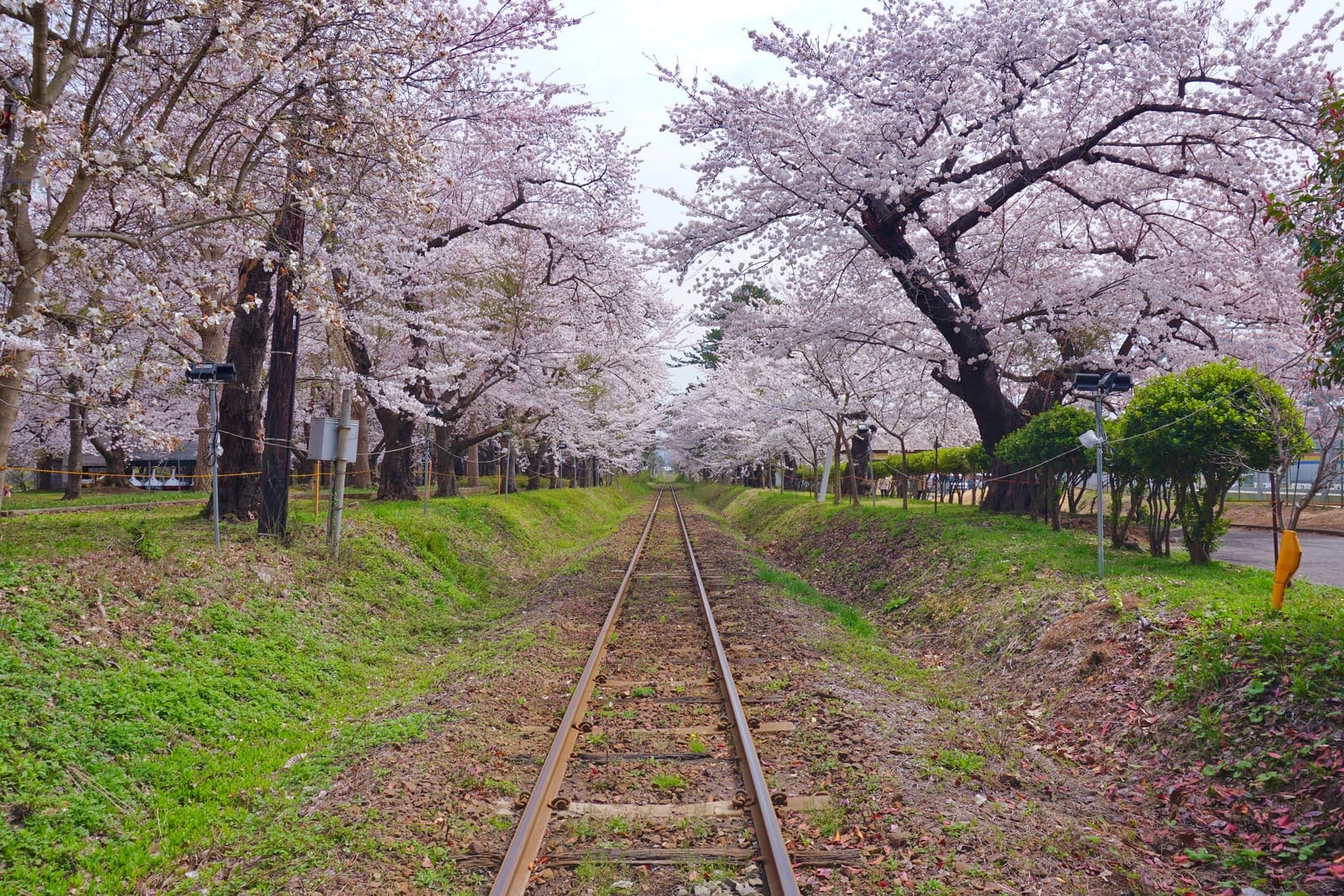
Hanami literally means "flower viewing," but in practice it's almost always about sakura (cherry blossoms). The tradition dates back to the Nara period (8th century) and has evolved into an unmissable seasonal ritual — part social event, part national meditation.
The thing that struck me most the first time I joined a Hanami at Ueno Park in Tokyo was the atmosphere. Office workers arrive at dawn to claim spots with blue tarps. By noon, entire companies and families have descended, bento boxes open, drinks flowing, laughter everywhere. Cherry petals drift down like confetti into raised cups — that's Hanami in its truest form. Think of it as Japan's answer to a Fourth of July cookout, except quieter, more beautiful, and with better snacks.
Sakura Bloom Schedule by Region (reference: 2024–2025)
| Region | Peak Bloom | Top Spots |
|---|---|---|
| Kyushu (Fukuoka, Kumamoto) | Late March | Kumamoto Castle, Maizuru Park |
| Kansai (Kyoto, Osaka) | Early April | Philosopher's Path, Maruyama Park |
| Kanto (Tokyo) | Early–mid April | Ueno Park, Shinjuku Gyoen, Meguro River |
| Tohoku (Sendai, Aomori) | Mid–late April | Hirosaki Castle |
| Hokkaido (Sapporo, Hakodate) | Early–mid May | Goryokaku Park, Matsumae |
Pro tip: Check the Japan Meteorological Corporation sakura forecast one to two weeks before you travel. Peak bloom lasts just 7–10 days — miss it by three days and you're photographing bare branches.
Hana Matsuri – Japan's Buddhist Flower Festival
Here's one most first-time visitors completely miss: every year on April 8, Buddhist temples across Japan celebrate Hana Matsuri (花祭り) — the festival marking the birth of the Buddha. Unlike the secular, picnic-in-the-park energy of Hanami, Hana Matsuri is a religious ceremony, but a strikingly beautiful one.
At major temples like Zojoji (Tokyo), Nishi Honganji (Kyoto), and Shitennoji (Osaka), a small flower-covered shrine called a hanamido (花御堂) is erected, with a statue of the infant Buddha at its center. Visitors ladle sweet tea — amacha — over the statue, re-enacting the legend of dragons bathing the newborn Buddha with celestial rain.
If your trip lines up with early April, pair this with your cherry blossom plans. Senso-ji in Asakusa (Tokyo) and Kiyomizu-dera in Kyoto both hold Hana Matsuri observances and often still have late-blooming sakura in the temple grounds — two experiences for the price of one train ride.
Japan's Other Unmissable Flower Festivals
Japan has something spectacular blooming in almost every month. Here's the flower-chaser's calendar:
🌸 Ume (Plum Blossom) – February to Early March
A full month before the sakura crowds arrive, ume (plum blossom) puts on a show that most tourists completely overlook — which is exactly why it's worth seeking out. The scent is richer and more intoxicating than cherry blossom, and the parks are blissfully calm.
Top spots: Kitano Tenmangu Shrine in Kyoto (over 1,500 plum trees) and Dazaifu Tenmangu in Fukuoka. Consider it the insider's alternative to peak sakura season.
🌷 Tulip Festival – Late April to Early May
Tonami in Toyama Prefecture hosts Japan's largest tulip festival — over 3 million blooms across a single park. If you'd rather not venture that far, Showa Kinen Park in Tokyo offers an impressive display without a day trip.
💜 Fuji (Wisteria) – Late April to Mid-May
Few things in Japan are as genuinely jaw-dropping as standing beneath cascading wisteria at Ashikaga Flower Park in Tochigi Prefecture. The purple canopies hang like living chandeliers. Entry runs roughly $7–$13 (¥1,000–2,000) depending on the season. It gets mobbed during Golden Week — aim for a weekday or arrive right at opening (8am) to have it mostly to yourself.
🌺 Ajisai (Hydrangea) – June
Hydrangea season is Japan's antidote to the rainy season (tsuyu). The blooms shift color based on soil acidity — electric blue, deep violet, soft pink, and white — and look their most atmospheric on a drizzly afternoon. The legendary spot: Meigetsu-in Temple in Kamakura, nicknamed the "Hydrangea Temple." Lean into the overcast skies — this is one place where grey weather actively improves the photos.
🌻 Himawari (Sunflower) – July to August
The sunflower fields of Hokuryu in Hokkaido — over 1.5 million blooms — are one of Japan's great summer spectacles. Closer to Tokyo, Zama in Kanagawa is a popular alternative. Go early morning; Japanese summer sun by noon is brutal.
🌼 Cosmos – September to October
Showa Kinen Park (Tokyo) and the hillsides of Kuju in Oita turn pink and violet with cosmos as the heat breaks. This is early-autumn Japan at its most underrated — leaves just starting to turn, air finally cool enough to enjoy, and crowds a fraction of cherry blossom season.
Practical Tips for First-Time Flower Festival Visitors
After several seasons of bloom-chasing across Japan, here's what actually matters:
- Book accommodation 2–3 months out: Sakura season (late March–mid April) is Japan's single busiest travel period. Hotel prices in Kyoto and Tokyo can double, and decent rooms sell out entirely. Don't learn this the hard way.
- Go on a weekday, go early: Ueno Park on a cherry blossom weekend is Times Square on New Year's Eve — minus the fun. A Tuesday morning at 7am is a completely different experience.
- Build a proper picnic: Hit any depachika (department store basement food hall) — Isetan or Takashimaya both have excellent ones — and assemble a bento for roughly $7–$13 (¥1,000–2,000). Add a canned sake or canned tea. That's a legitimate Hanami setup.
- Bring a picnic mat: Daiso sells compact picnic sheets for about $0.75 (¥110). Pack one — it folds to nothing and means you can sit anywhere.
- Pack out your trash: Japan has almost no public trash cans in parks. Bring a bag, take everything with you. This isn't optional etiquette — it's the baseline expectation.
- Sort your data before you fly: You'll need live maps and real-time bloom forecasts constantly. Check out OlaChill's Japan eSIM guide — it's cheaper and far more reliable than renting a pocket Wi-Fi unit.
Getting Between Flower Spots
For Tokyo or Kyoto-based itineraries, the JR network plus local subway covers most of the iconic spots — a JR Pass is worth the math if you're moving between cities. But destinations like the tulip fields in Tonami, the sunflowers in Hokuryu, or the wisteria at Ashikaga are awkward by train — they're beautiful specifically because they're not in the middle of a city.
For those out-of-the-way spots, a private car makes a real difference. Split among three or four people, it often comes out cheaper than the bullet train and gives you the flexibility to stay until golden hour.
👉 Book a private car with an English-speaking driver through OlaChill — especially useful for rural flower spots where left-hand driving and Japanese road signs would otherwise add stress to what should be a relaxing day.
Final Word
Japan's flower festivals aren't something you can just show up for — they reward planning, good timing, and a little luck with the weather. But the first time you stand beneath a blizzard of falling sakura petals in Kyoto, or look up into a tunnel of cascading wisteria in Ashikaga, you'll understand why the Japanese treat flower viewing as a serious art form, not just a photo opportunity.
Plan well, time it right, and go home with memories — and a camera roll — that are worth every bit of effort. 🌸