Factory and Business Inspection Tour Transport in Japan
Plan punctual, professional factory visits and business inspections in Japan with a private 16-seat HiAce and licensed local operator.
Aug 21, 2026·✍️ olablog·⏱ 8 min read
Plan punctual, professional factory visits and business inspections in Japan with a private 16-seat HiAce and licensed local operator.
Reliable Transport for Factory Visits and Business Inspections in Japan
A factory tour or business inspection in Japan is more than a sightseeing day with a different destination. Meetings begin on schedule, visitor procedures are carefully managed, and receiving companies often expect a clear guest list in advance. A late arrival, an unclear itinerary, or a group split across several taxis can create unnecessary stress before the visit even begins.
For international business groups, a private charter bus provides a more organised way to travel between hotels, factories, offices, ports, research facilities, and dinner venues. With a licensed Japanese operator and a dedicated vehicle, your group can move together while your tour leader, coordinator, or interpreter manages the schedule from inside the cabin.
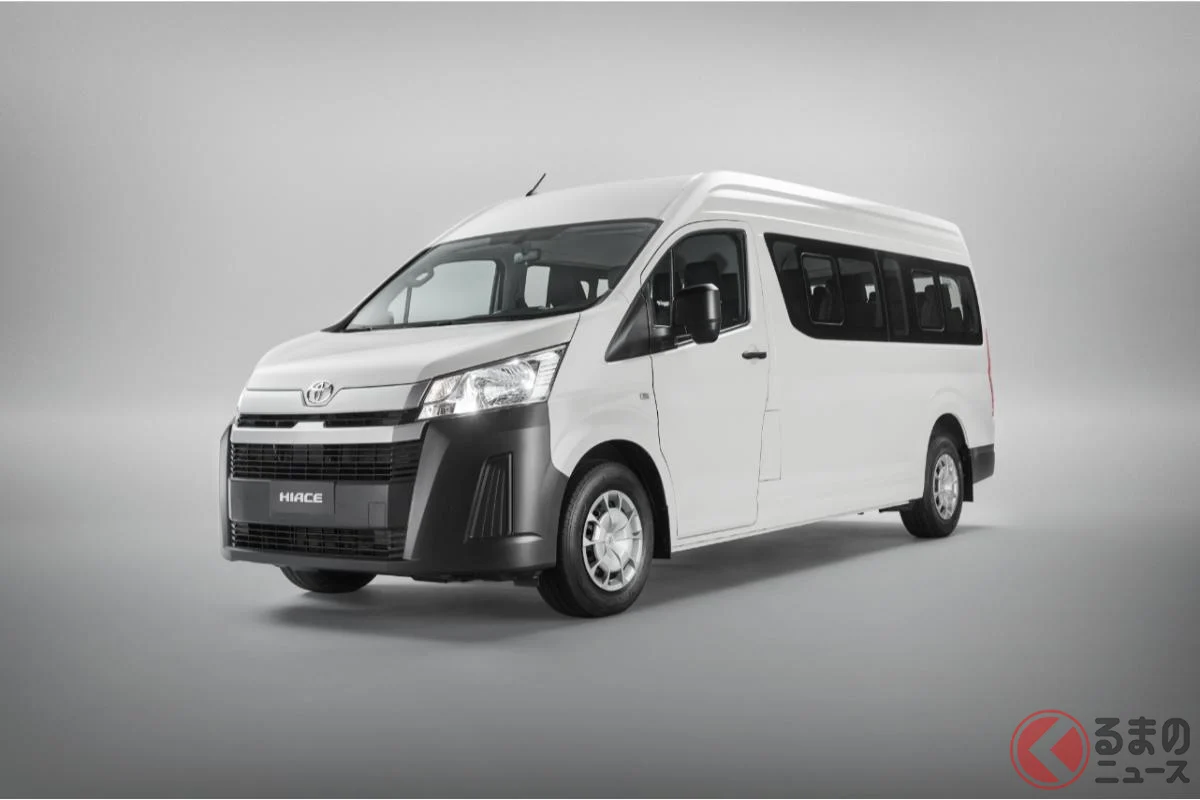
For compact delegations, the 16-seat HiAce Grand Cabin offers a practical balance of comfort, access, and professional presentation.
Why punctuality matters in Japanese business travel
Japanese business culture places strong importance on being prepared and arriving on time. Factory tours may include safety briefings, identification checks, protective equipment, and guided walking routes. If a group arrives after the agreed time, the host may need to rearrange staff or delay the programme.
A charter bus helps your group protect the schedule by:
- Collecting everyone from one hotel or several nearby pickup points
- Avoiding the uncertainty of multiple taxis or trains
- Keeping the group together from departure to arrival
- Allowing the driver to prepare for traffic, toll roads, and loading areas
- Providing a clear meeting point after the visit
- Supporting smooth transfers to restaurants, hotels, or the next appointment
The itinerary should include realistic travel time rather than relying on the shortest navigation estimate. Urban traffic around Tokyo, Osaka, Nagoya, and other industrial areas can change throughout the day. Your operator can also help review the route and identify practical pickup and drop-off locations.
Prepare the guest list before arriving
Factories, corporate offices, laboratories, and logistics facilities may require visitor information before the group arrives. Depending on the host organisation, the security team may ask for names, passport details, company affiliations, or other identification information.
Preparing a guest list in advance can make the arrival process much smoother. Share the required information with the Japanese host according to its privacy and security procedures, then keep a matching copy with the group leader and interpreter.
Your transport plan should also confirm:
- The full name of the host company and facility
- The reception or security gate where the bus should stop
- The name and phone number of the local contact
- The required arrival time, not only the meeting start time
- Any identification or protective clothing requirements
- Whether photography, filming, or mobile phone use is restricted
- The expected end time and next destination
A bus cannot replace the host company’s visitor registration process, but it can ensure that the entire group arrives together and is ready to check in. The driver can follow the confirmed access instructions while your group coordinator handles documents and communication.
Keep the interpreter on the bus
For many international groups, the interpreter is essential throughout the day—not only during the factory presentation. Having the interpreter travel in the same vehicle allows important information to be shared consistently with everyone.
The interpreter can help with:
- Confirming pickup and arrival arrangements
- Explaining changes to the schedule
- Translating driver or facility instructions
- Checking that all guests are present before departure
- Communicating with the local contact if the group is delayed
- Reviewing the next appointment while travelling
- Supporting informal discussion between business meetings
A private bus creates a useful mobile workspace. Guests can review presentation materials, discuss questions from the inspection, or prepare for the next meeting without splitting into separate vehicles. For sensitive business discussions, follow your company’s information-security policy and avoid discussing confidential matters where unauthorised people may overhear.
Why the 16-seat HiAce Grand Cabin suits inspection groups
The HiAce Grand Cabin is well suited to small and medium-sized delegations that need more space and coordination than ordinary cars can provide. It is especially useful when the group includes company representatives, a local host, an interpreter, and luggage or presentation materials.
The vehicle is a strong fit for:
- Factory and production-line inspections
- Supplier visits and procurement meetings
- Corporate site surveys
- University or research-facility visits
- Port, warehouse, and logistics inspections
- Delegations moving between several appointments
- Airport, hotel, and business-venue transfers
Compared with arranging several taxis, one private vehicle makes attendance easier to monitor and communication more direct. Compared with a full-size coach, the HiAce is more practical for smaller groups and may be easier to use around narrow streets, compact entrances, and urban business districts.
| Planning point | 16-seat HiAce Grand Cabin | Full-size coach |
|---|---|---|
| Best for | Compact business delegations and inspection groups | Large conferences and bigger delegations |
| Group coordination | Everyone travels together in one smaller cabin | Suitable when a higher passenger capacity is essential |
| Access | Practical for many city streets and smaller facilities | May require wider roads and designated coach access |
| Luggage and materials | Suitable for standard business luggage and equipment, subject to volume | More storage capacity for large group baggage |
| Overall feel | Flexible, private, and efficient for a focused itinerary | Better suited to high-capacity transport planning |
Passenger and luggage arrangements should be confirmed before booking. If everyone is carrying large suitcases, samples, tools, or display materials, tell the charter team in advance so the vehicle plan matches the group’s needs.
Build the itinerary around the inspection
A well-planned schedule separates fixed appointments from flexible activities. The factory or office visit should remain the priority, while meals and sightseeing can be arranged around it.
Before requesting a quote, prepare:
- Group size and the number of bags
- Hotel name and pickup location
- Facility addresses and entrance instructions
- Visit dates and required arrival times
- Interpreter or coordinator requirements
- Planned waiting time between appointments
- Whether the bus is needed for a full day or only selected transfers
- Any special access, mobility, or equipment needs
OlaChill's standard buses are 29 seats ¥69,000, 45 seats ¥99,000 and 60 seats ¥129,000 for a 10-hour day, plus expressway tolls and parking.
Waiting time should be discussed clearly. If the driver remains available while your group completes a tour or meeting, the service may be planned differently from a simple point-to-point transfer. Clear timing helps prevent confusion on the day.
Practical etiquette for a smooth visit
Your transport arrangements are part of the group’s professional impression. Ask all participants to arrive at the pickup point before the scheduled departure and keep phones available for group updates. A designated group leader should check attendance before the bus leaves each location.
It is also helpful to:
- Use one shared itinerary with Japanese addresses
- Carry the host’s contact details in both English and Japanese
- Confirm whether food or drinks are allowed inside the vehicle
- Keep aisles clear of samples and equipment
- Follow the driver’s instructions at loading areas and facility entrances
- Allow extra time for security checks and group registration
- Confirm the return pickup point before entering the facility
OlaChill works with licensed Japanese operators and can help coordinate a private vehicle for your business schedule. Request a free quote through the booking form; the team replies within 24 hours.
FAQ
Can a 16-seat HiAce carry business luggage?
It can carry standard luggage and business materials, but available space depends on the number and size of bags. Share your luggage details when requesting a quote so the vehicle plan can be checked properly.
Can the bus wait while we visit a factory?
Yes, a waiting service may be arranged depending on the itinerary and operator availability. Include the expected inspection duration and any schedule flexibility in the booking request.
Do we need to provide a guest list?
The host factory or business facility may require one for security and visitor registration. Confirm the exact requirements with your Japanese contact and keep the transport coordinator informed of the arrival procedure.
Can an interpreter sit in the vehicle?
Yes. Keeping an interpreter on the bus is often useful for schedule updates, driver communication, attendance checks, and transitions between business appointments.
How much does a factory inspection charter cost?
OlaChill's standard buses are 29 seats ¥69,000, 45 seats ¥99,000 and 60 seats ¥129,000 for a 10-hour day, plus expressway tolls and parking. The exact quote comes from the booking form and depends on the route, duration, group size, and vehicle requirements.