Film and TV Crew Transport in Japan: The Right Location Bus
Plan reliable crew transport, all-day standby, power, props and location parking for film and TV shoots across Japan.
Aug 21, 2026·✍️ olablog·⏱ 8 min read
Plan reliable crew transport, all-day standby, power, props and location parking for film and TV shoots across Japan.
Why production transport needs a different plan
A sightseeing transfer and a film or TV location vehicle may look similar on paper, but they work very differently in practice. A production bus must be ready before the first call time, remain available between takes and move with the crew when the schedule changes.
In Japan, this often means arranging more than a simple ride from a hotel to a studio. Your transport plan may need to cover:
- Crew transfers between hotels, airports, studios and outdoor locations
- All-day standby while filming is in progress
- Secure space for camera bags, lighting accessories and personal equipment
- Power planning for charging small devices
- Transport for props, wardrobe and production supplies
- A driver familiar with Japanese roads, access restrictions and local etiquette
- Parking or stopping arrangements at the filming location
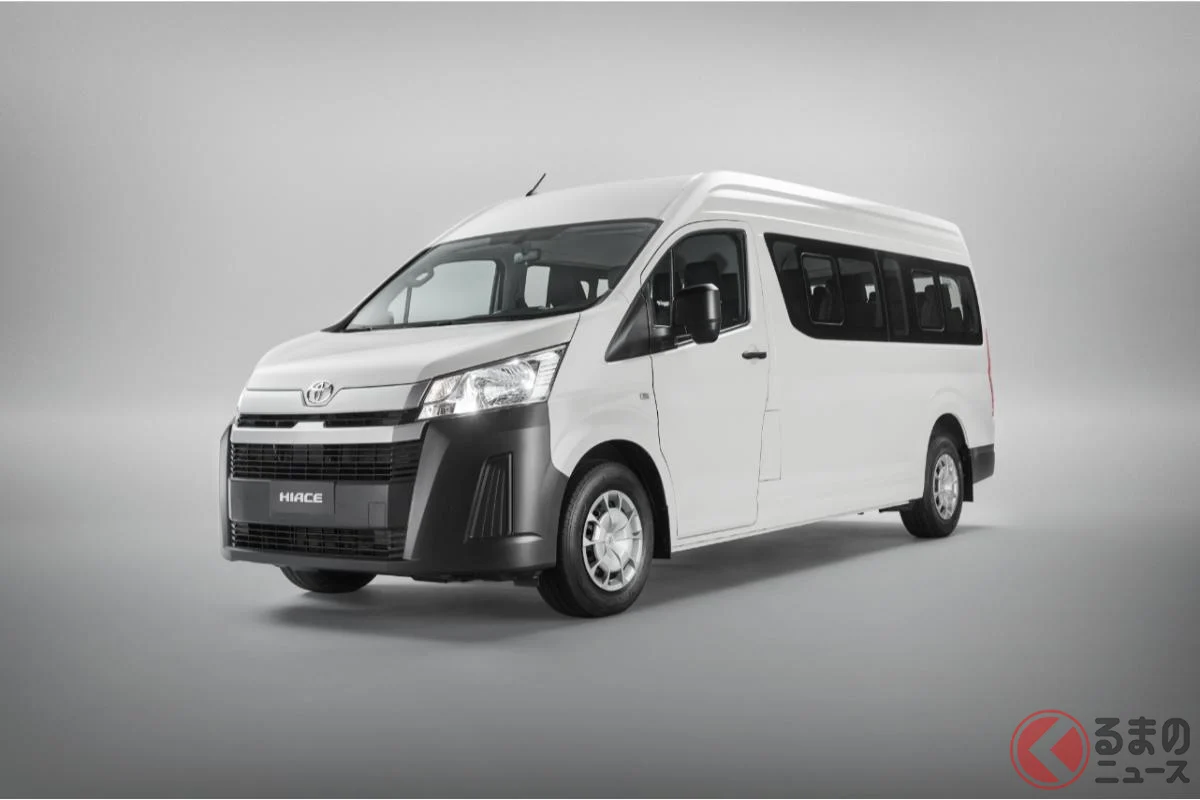
The 16-seat HiAce Grand Cabin is a practical choice for small and mid-sized international crews. It keeps the group together without requiring a full-size coach, while offering a more manageable vehicle for narrow streets, hotel entrances and urban locations.
What makes the 16-seat HiAce Grand Cabin useful on set?
The Grand Cabin is well suited to productions that need flexibility rather than maximum passenger capacity. It can operate as a crew shuttle, a holding vehicle between scenes or a dedicated transport unit for visiting cast and key staff.
Keep the crew together
A single vehicle makes call sheets easier to manage. Instead of coordinating several taxis or rental cars, the production team can give one pickup time and one driver contact to the group.
This is especially helpful when:
- Crew members arrive on different international flights
- The shooting schedule starts early or finishes late
- Locations are outside the main city centre
- The group needs to move quickly after a scene wraps
- Some team members do not speak Japanese
The listed capacity is up to 16 passengers, but the practical number depends on luggage and equipment. If everyone is carrying cases, tripods or wardrobe bags, a second vehicle or a separate equipment plan may be more comfortable.
Use the bus as a standby vehicle
For film and TV work, the most important journey may be the one that never happens. A vehicle waiting near the location can be ready for a scene change, a lunch run, a hotel transfer or an urgent airport departure.
When requesting a standby charter, provide:
- The daily call time and expected wrap time
- The filming address or nearest landmark
- Any secondary locations
- Whether the vehicle must remain on site
- The number of passengers and volume of equipment
- Expected breaks for the driver
- Whether overnight standby may be needed
A full-day charter with standby is priced differently from a simple point-to-point transfer. Vehicles of this size are quoted on request. OlaChill's standard buses are 29 seats ¥69,000, 45 seats ¥99,000 and 60 seats ¥129,000 for a 10-hour day, plus expressway tolls and parking.
Power: plan it before the shoot
A passenger vehicle should not automatically be treated as a mobile production unit. Charging sockets, inverter capacity and permitted electrical use vary by vehicle and must be confirmed before booking.
For small requirements, your crew may only need to charge:
- Phones and communication devices
- Tablets and laptops
- Battery chargers for compact cameras
- Small LED lights or audio accessories
Larger equipment such as cinema batteries, monitors, lighting units, heaters or multiple laptops may require a dedicated power solution. A vehicle’s standard electrical system may not be suitable for sustained high-load use, and connecting unapproved equipment can create safety and operational problems.
Tell OlaChill what you intend to power, including the device type, quantity and charging duration. If the bus cannot safely meet the requirement, your production team may need:
- A portable power station
- A rental generator
- Shore power at the hotel or location
- A separate support vehicle
- A designated charging room or production base
Power should be treated as part of the technical plan, not an assumption made on the day.
Props, wardrobe and production equipment
The HiAce Grand Cabin can carry people and everyday bags, but props and production equipment need careful planning. Large cases may limit passenger seating, block access or require additional loading time.
Before confirming the vehicle, prepare a simple equipment list with approximate dimensions. Include:
- Pelican-style cases and rolling cases
- Tripods, monopods and light stands
- Wardrobe racks or garment bags
- Product samples and display items
- Foldable props
- Audio and camera accessories
- Coolers, catering supplies or set dressing
Soft bags and compact cases are easier to load than rigid, oversized items. Keep aisles and emergency exits clear, and do not assume that roof storage is available. If your equipment cannot be safely secured inside the passenger area, ask about a second vehicle or a separate cargo arrangement.
A loading photograph or equipment diagram can help the transport team assess the request accurately. It is better to discover a capacity issue during planning than at the hotel departure point.
Location parking and permission in Japan
Parking near a filming location is often the most complicated part of production transport. A bus may be able to reach the address but have nowhere legal or safe to wait. Narrow roads, restricted stopping zones, private land and busy pedestrian areas can all affect the plan.
Your production coordinator should confirm:
- Whether the vehicle can legally stop or park at the location
- Whether a temporary road-use or filming permission is required
- Whether the property owner must approve vehicle access
- Whether the driver needs a loading window rather than all-day parking
- Whether a nearby commercial parking facility can accommodate the vehicle
- Who will guide the driver during arrival and departure
Permissions are generally arranged by the production team, location manager or local fixer, depending on the filming area. OlaChill can use the approved access information to plan the route, but a charter operator cannot independently guarantee permission to park on public roads or private property.
Give the booking team the precise location, not only the name of a landmark. A map pin, street address, access notes, road width and contact person are useful. If the location is in a historic district, mountain area, shopping street or pedestrian zone, mention this at the enquiry stage.
Choosing the right operating plan
| Production need | Recommended arrangement | Key points to confirm |
|---|---|---|
| Hotel-to-location transfer | One-way or return charter | Pickup time, luggage and return window |
| Crew at one location all day | Full-day standby | Driver hours, legal waiting area and breaks |
| Multiple scenes in one day | Moving standby charter | Full route, access restrictions and schedule flexibility |
| Crew plus light equipment | 16-seat HiAce Grand Cabin | Passenger count, case dimensions and aisle space |
| Crew plus substantial props or cases | Passenger bus plus support vehicle | Separate loading plan and equipment security |
| Heavy charging requirements | Charter with separate power solution | Load requirements, generator rules and safe operating space |
How to request a production-ready quote
A detailed enquiry helps the operator assess the vehicle, hours and access requirements. Include:
- Dates and times, including early call or late wrap
- Passenger numbers by day
- Hotel names and filming locations
- Full itinerary or a working route
- Standby expectations
- Equipment and prop dimensions
- Power requirements
- Parking or loading information
- Language needs for driver coordination
- Whether the schedule may change during production
If your schedule is still developing, send the best available version and identify uncertain items. A clear note such as “location pending” or “standby required” is more useful than leaving those details out.
For a free quote with a reply within 24 hours, submit your production transport request through OlaChill’s Japan charter bus form. The exact quote comes from the booking form after the route, vehicle needs and operating conditions are reviewed.
FAQ
Can the 16-seat HiAce Grand Cabin wait at our filming location all day?
It can be arranged when the location has a legal and suitable waiting area. Provide the exact address, parking instructions and expected standby hours so the operating plan can be checked in advance.
Can we charge camera batteries on the bus?
Do not assume that high-powered equipment can be charged from the vehicle. Share your full power list before booking. Small-device charging may be possible, while cinema batteries and multiple production devices may require a separate power solution.
Can the bus carry props and wardrobe?
It can carry a reasonable amount of compact equipment, but passenger comfort and safe access must be maintained. Send case sizes, quantities and photographs where possible. Bulky props may require a separate support vehicle.
Who obtains filming or parking permission?
The production team, location manager or local fixer normally handles filming and parking permissions. OlaChill can follow the approved access plan and advise on the transport information needed for the driver.
Is a point-to-point transfer cheaper than all-day standby?
Usually, a simple transfer requires fewer operating hours than a vehicle reserved for the full production day. The exact quote depends on distance, schedule, waiting time, route and access conditions.